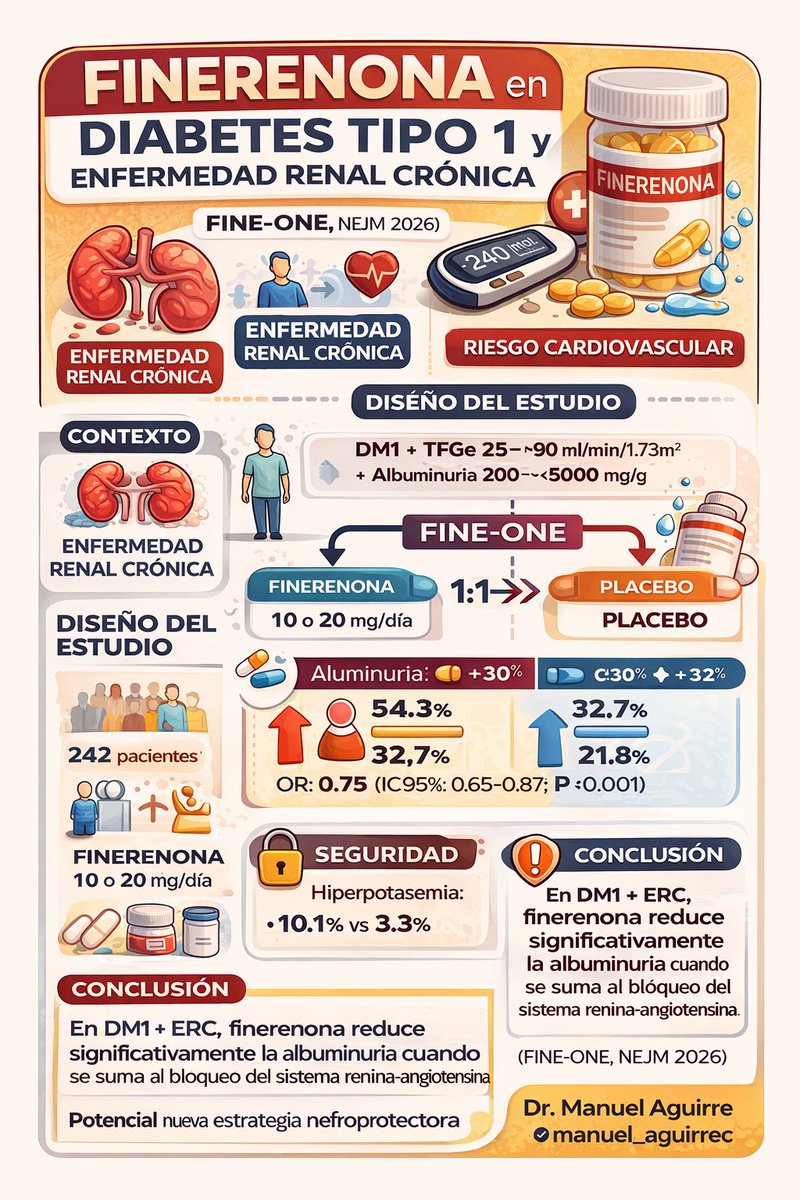
Finerenona en DM1 y enfermedad renal crónica — Estudio FINE-ONE (NEJM 2026) 🫘🫀
➖La enfermedad renal crónica (ERC) es una de las complicaciones más frecuentes de la diabetes tipo 1 (DM1) y aumenta significativamente el riesgo cardiovascular.
Hasta ahora, el tratamiento se basa principalmente en bloqueo del sistema renina-angiotensina, con pocas terapias adicionales evaluadas específicamente en DM1.
➖Diseño del estudio
El FINE-ONE fue un ensayo clínico fase 3, aleatorizado, doble ciego y controlado con placebo, que evaluó finerenona, un antagonista no esteroideo del receptor mineralocorticoide.
👥 242 pacientes con:
•DM1
•ERC (TFGe 25–<90 ml/min/1.73 m²)
•Albuminuria (UACR 200–<5000 mg/g)
Todos recibían IECA o ARA II.
Asignación 1:1 a:
•Finerenona 10–20 mg/día
•Placebo
➖Objetivo primario
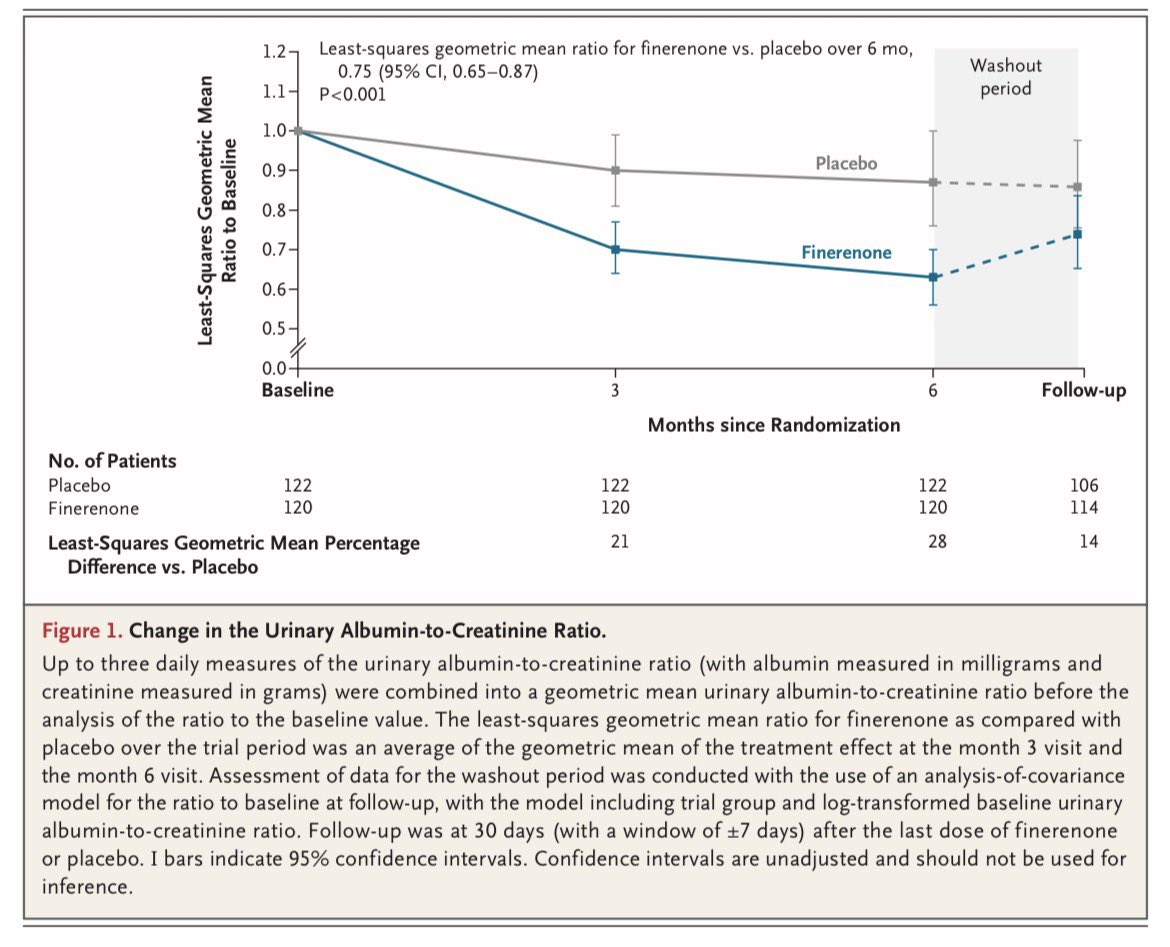
Evaluar el cambio relativo en la relación albúmina/creatinina urinaria (UACR) a lo largo de 6 meses.
La albuminuria se utilizó como marcador sustituto de progresión de enfermedad renal.
➖Resultados principales
A los 6 meses:
📉 Reducción de albuminuria
•Finerenona: −34%
•Placebo: −12%
📊 Diferencia relativa:
25% mayor reducción con finerenona
(Ratio geométrico 0.75; IC95% 0.65–0.87; p <0.001)
➖Respuesta clínica
Reducción de albuminuria:
≥30%
•Finerenona: 54.3%
•Placebo: 32.7%
≥50%
•Finerenona: 28.4%
•Placebo: 21.8%
Esto sugiere un efecto consistente del bloqueo del receptor mineralocorticoide.
➖Seguridad
Eventos adversos totales similares:
•Finerenona: 47.1%
•Placebo: 49.2%
⚠️ Hiperpotasemia más frecuente con finerenona:
•10.1% vs 3.3%
Suspensión por hiperpotasemia: 1.7%
➖Cambios en función renal
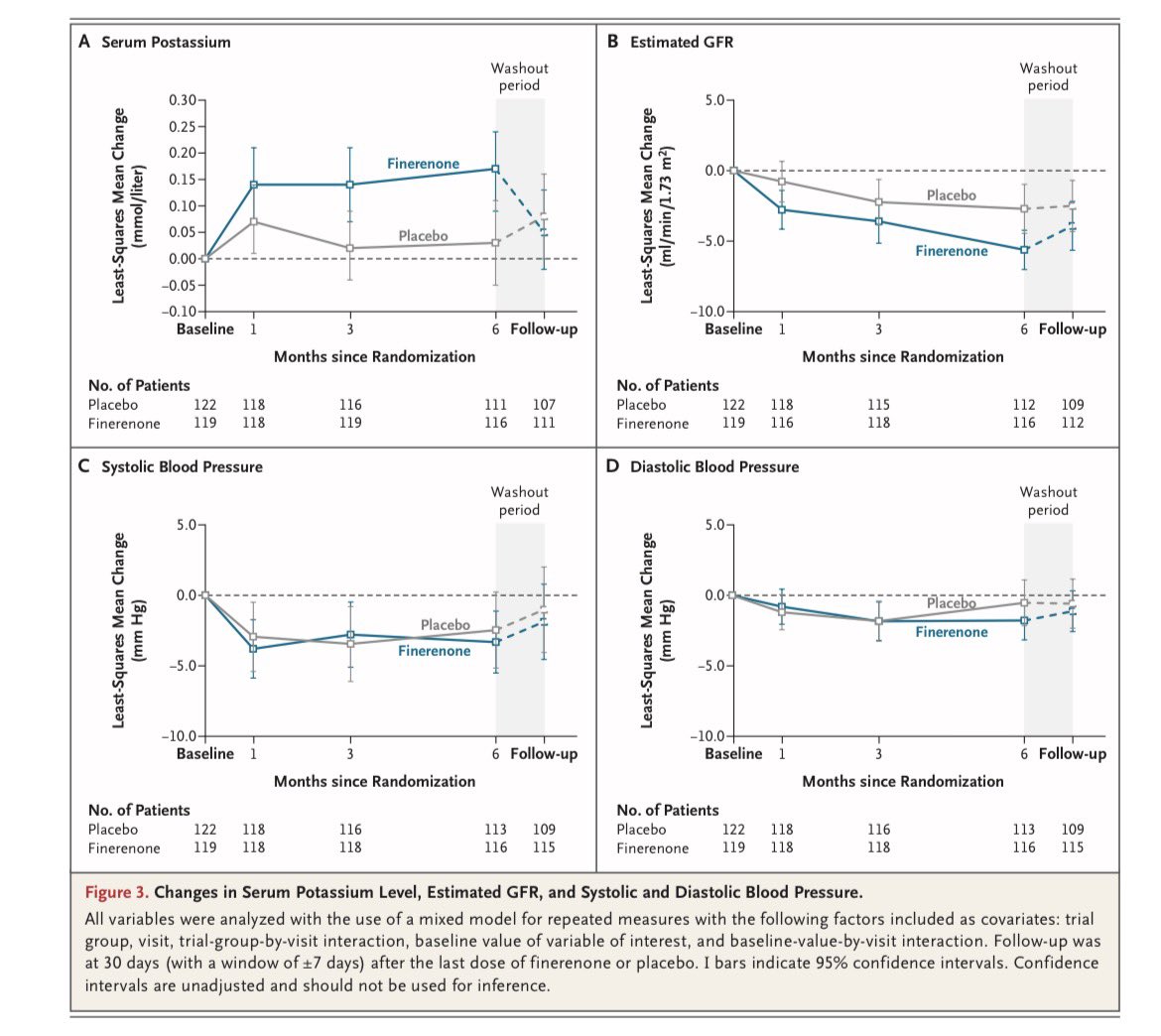
Se observó una disminución inicial de TFGe:
•Finerenona: −5.6 ml/min/1.73 m²
•Placebo: −2.7 ml/min/1.73 m²
Este efecto se revirtió parcialmente durante el periodo de washout, sugiriendo un mecanismo hemodinámico reversible, similar al observado con otros fármacos nefroprotectores.
➖En pacientes con DM1 y ERC, la finerenona reduce significativamente la albuminuria cuando se añade al bloqueo del sistema renina-angiotensina.
Heerspink HJL, et al.
Finerenone in Type 1 Diabetes and Chronic Kidney Disease.
N Engl J Med. 2026;394:947-957.
#Nefrologia #Nephrology #nephrology #MedicinaInterna #Residencia #ENARM #MedTwitter
Redo🧵regarding 'straightening the wire' during central line placement.
There are a few of my 🧵worth repeating for each group of new interns; IMO this is definitely one of them.
If you do a lot of central lines, this technique will come in handy over and over again.
(1/ )
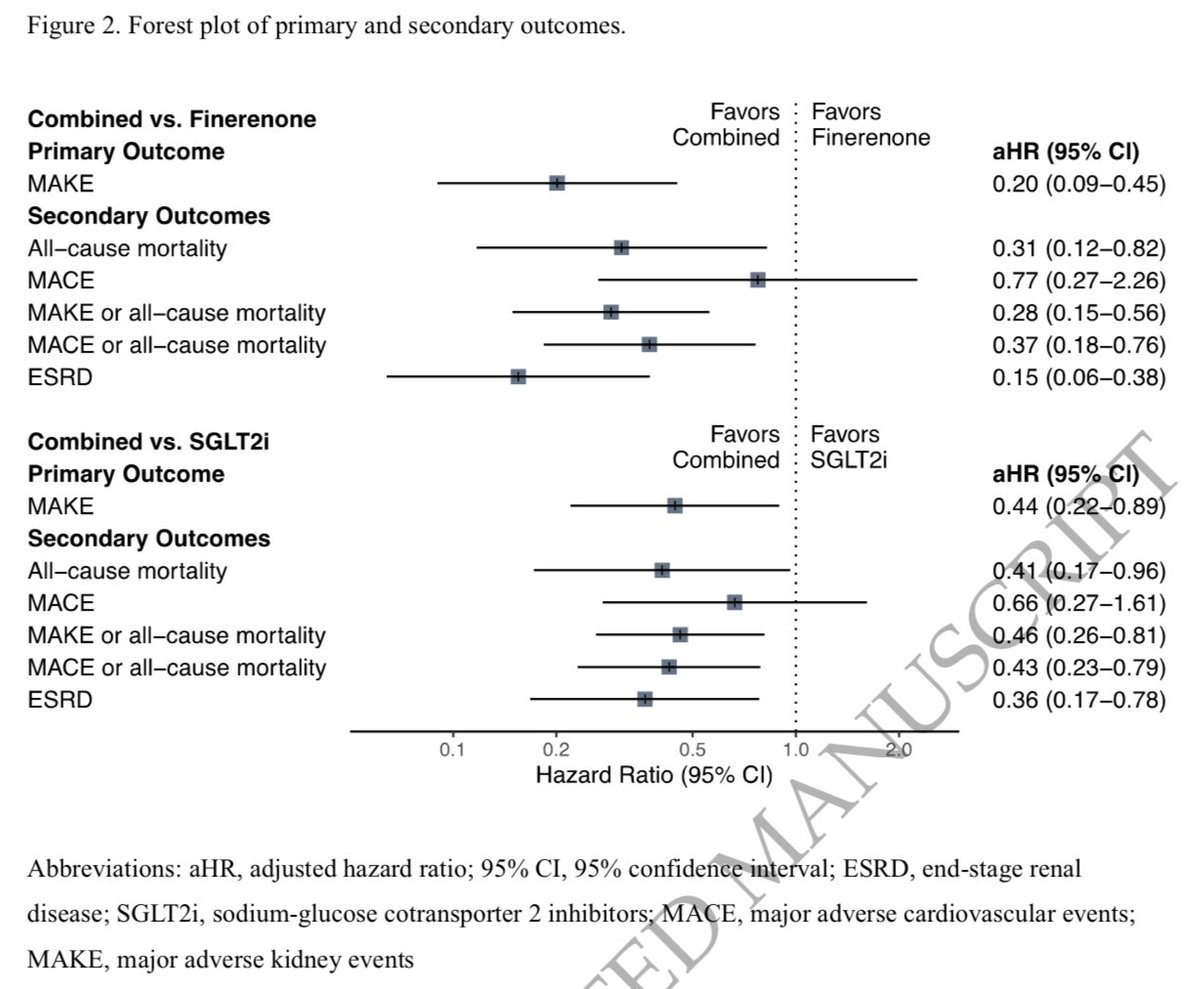
Con enfermedad renal crónica G3aA3, combinar iSGLT2 y finerenona ↓~60% el riesgo de evento renal mayor y ↓~60% el de morir, comparado a ambos fármacos solos
NDT 2025
https://t.co/yot3ARGnYy
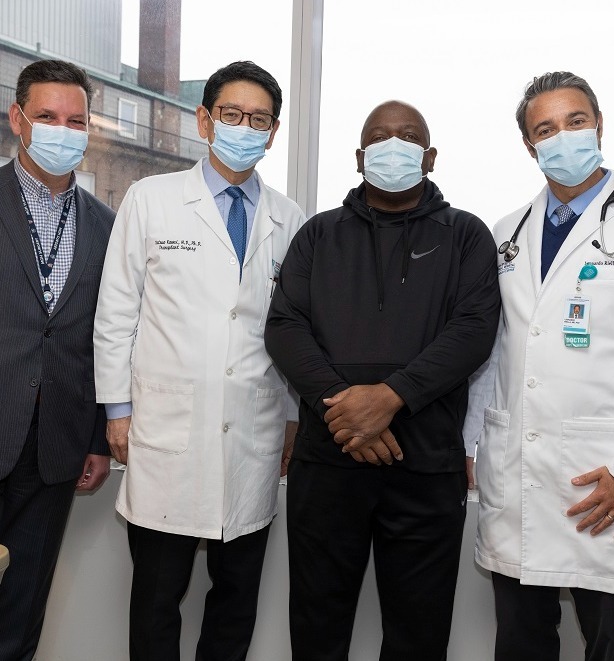
We are happy to share that today, Rick Slayman, our first patient to ever receive a genetically edited pig kidney transplant, has been discharged from the hospital. He is recovering well and will continue to recuperate at home with his family.
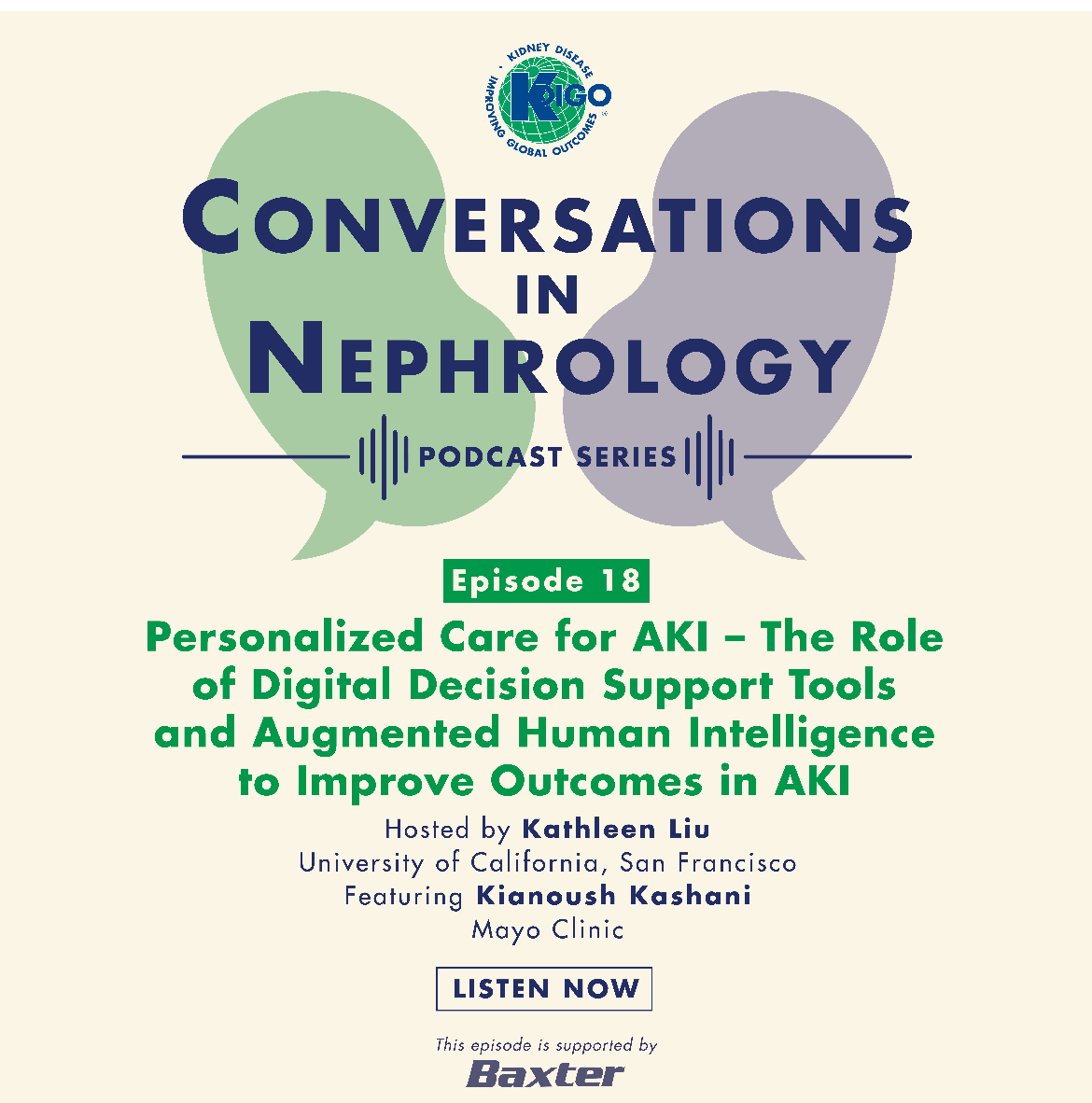
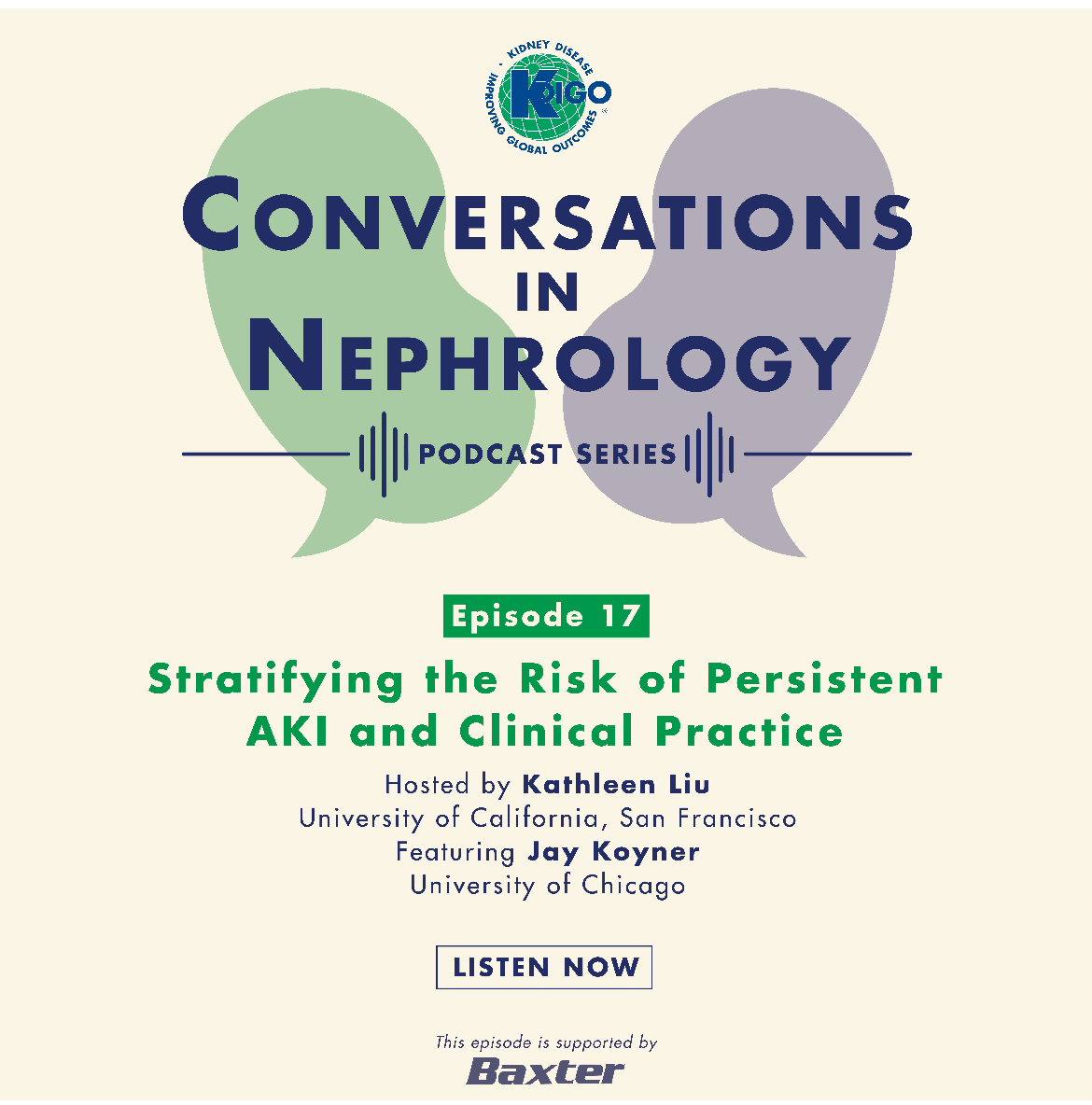
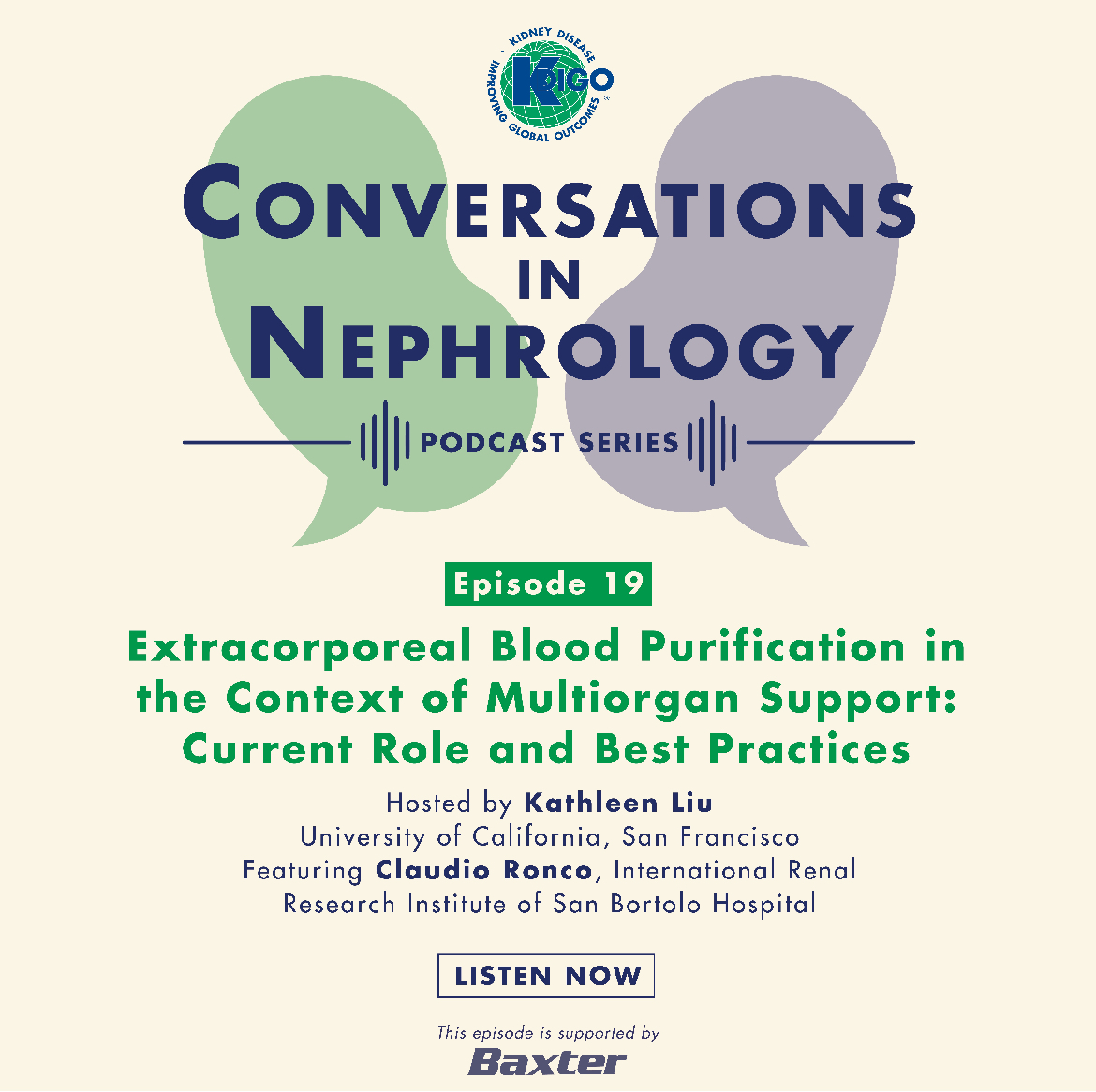
KDIGO is excited to announce a new 3-episode podcast series on acute kidney injury (#AKI). Listen on your favorite podcast platform or on the KDIGO Conversations in Nephrology Podcast page: https://t.co/EPfv9dGFgz
The new AKI series is hosted by Dr. Kathleen Liu (University of California, San Francisco, US) and features global experts in discussion of the latest science in AKI. Episodes include:
Episode 17: Stratifying the Risk of Persistent AKI and Clinical Practice, with Dr. Jay Joyner (University of Chicago, US)
Episode 18: Personalized Care for AKI – The Role of Digital Decision Support Tools and Augmented Human Intelligence to Improve Outcomes in AKI, with Dr. Kianoush Kashani (Mayo Clinic, United States)
Episode 19: Extracorporeal Blood Purification in the Context of Multiorgan Support - Current Role and Best Practices, with Dr. Claudio Ronco (International Renal Research Institute of San Bortolo Hospital, IT)
Tune in to hear the latest episodes of the KDIGO Conversations in Nephrology Podcast: https://t.co/EPfv9dGFgz
Excited to launch our CRRT online curriculum developed in collaboration with John Sperati @hopkinsneph and NKF @nkf. Especially geared towards renal/critical care fellows, but a valuable and free resource for anyone interested in CRRT. @YaleNephrology@YaleIMed
Link below
#aeromexico, vuelo 710 sobrevendido de CDMX a Hermosillo, dejaron a 40 personas sin vuelo del día de hoy, a esperar a ver si pueden acomodarlos Enel siguiente una enorme falta de logística, y de profesionalismo en su trabajo.
Fatiga pre y post hemodiálisis:
-La reportan 60-80% de pacientes
-Tiempo de recuperación: 4h⏱
-⬆️ riesgo 3% hospitalización y 5% mortalidad ☠️ por hora
Hipótesis:
-Liberacion de citocinas
-Disrupción del eje hipotalamo-hipofisiario
-Cambios en ultrafiltrado u osmolaridad 💧