Las inteligencias artificiales no viven una experiencia, no poseen un cuerpo, no pasan por la alegría y el dolor, no maduran en las relaciones ni conocen desde dentro lo que significan el amor, el trabajo, la amistad y la responsabilidad. Tampoco tienen una conciencia moral: no juzgan el bien y el mal, no captan el sentido último de las situaciones ni asumen el peso de las consecuencias. Pueden imitar, pueden simular pero no conocen lo que producen, porque no residen en el horizonte afectivo, relacional y espiritual en el que el ser humano se hace sabio. #MagnificaHumanitas
Artificial intelligences do not undergo experiences, do not possess a body, do not feel joy or pain, do not mature through relationships, and do not know from within what love, work, friendship or responsibility mean. Nor do they have a moral conscience, since they do not judge good and evil, grasp the ultimate meaning of situations, or bear responsibility for consequences. They may imitate or even simulate, but they do not understand what they produce, for they lack the affective, relational, and spiritual perspective through which human beings grow in wisdom. #MagnificaHumanitas
@abrahamtuit@letterboxd Ok ok, si, lo pudieron haber hecho mejor, pero es una pequeña parte del problema en general, los estudios no quieren hacer cosas nuevas (y llamar a Frankestein nuevo pues...), entonces algunos directores se tienen que conformar con migajas del proceso para sacar sus visiones
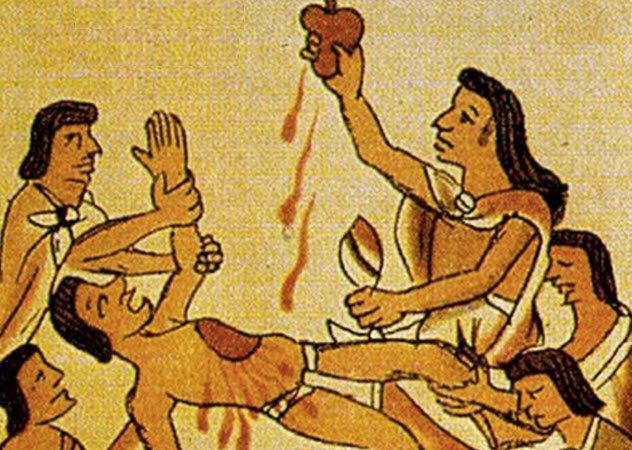
¿Sacrificio en el México Antiguo?
Lo que crees saber viene de un mito construido en el siglo XVI.
La realidad es más compleja —y mucho más interesante.
Vamos a desmontar el estereotipo con evidencia histórica, arqueológica y antropológica.
#Arqueología
@DionneGL@citlaltec@TheOscarRace Pátzcuaro no tiene desfile... el punto del twit original (y la respuesta) es el DESFILE, no el resto de las celebraciones
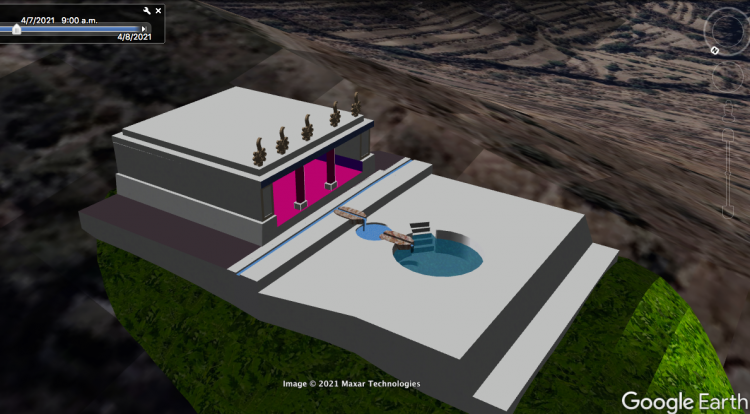
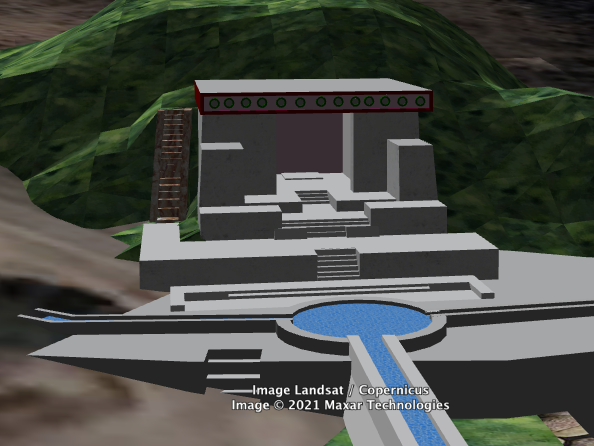
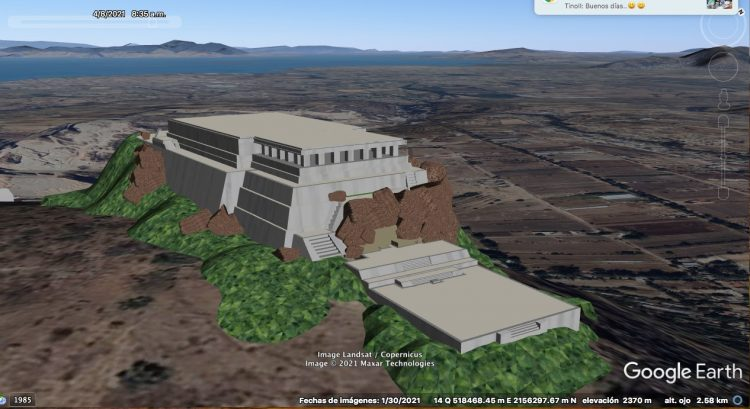
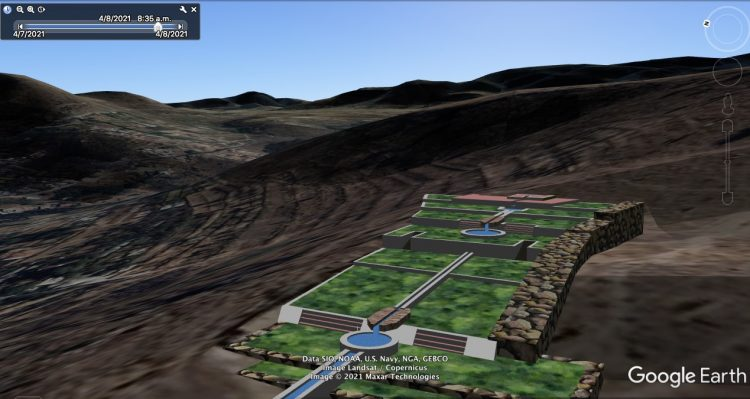
Does anybody know a way to get in touch with a Gustavo Coronel Sánchez, who is an archeologist who apparently made these reconstructions of Texcotzinco / Texcotzingo?
Apparently it was also done by "Proyecto de impacto, Arquitectura, México"
I'd like to ask him some questions and about image use permissions!
I study Mesoamerica: This is wrong
Half of those groups didn't even ally with Spain against the Aztec (Spain used Aztec forces against some of them even!)
And even the ones who did, also did sacrifices themselves too: They allied against the Aztec to get status, not from hating the Aztec in particular (at least for most of them)
--------------
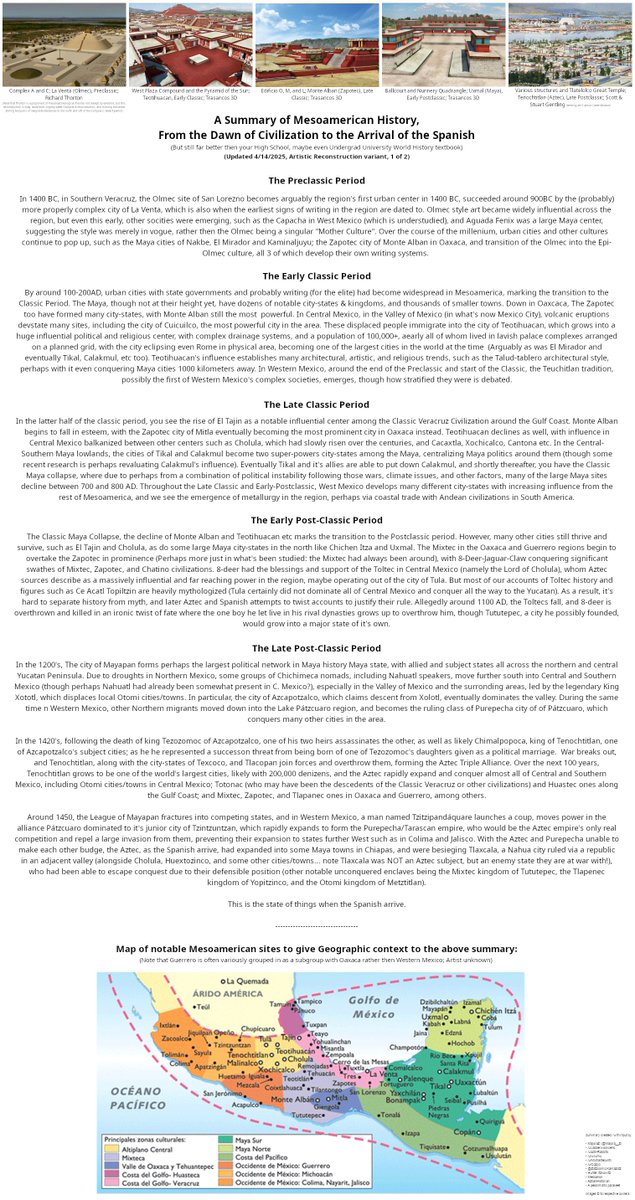
To clarify, sacrifice was universal in Mesoamerican: All civilizations (not "tribes": Cities, writing etc had been a thing in the region for thousands of years, see pic) there did it, including every single group listed here. The Mexica of the Aztec capital of Tenochtitlan it the most, but that's (mostly) just because they were the most militarily successful.
The Mexica were also not particularly onerous rulers: They were hardcore militaristic conquerors, yes, but usually left local rulers, laws etc in place and just demanded taxes of economic goods. The fact subject states retained their political interests and agency is what enabled opportunistic defection and side switching.
This was common in Mesoamerica, especially if a capital or rival became weak or a power struggle broke out, states would pledge themselves to other states (since, again, even pledging yourself as a subject meant you didn't lose much) to collaboratively take out their own capitals or rivals, to then have more power in the new kingdom they helped prop up: This is basically what happened with Cortes.
Plus, the Tlaxcalteca, Huextozinca, Choloteca, and Texcoca were all Nahua like the Mexica: They WERE "Aztecs", to varying arguable extents.
Also, of the groups listed, the only ones which allied with Cortes against the Mexica were the Tlaxcalteca, Huextozinca, Texcoca, Totonaca, and Choloteca, and even then, the latter 3 didn't do so unconditionally or in their entirety.
To briefly go over each state that was allied with Cortes against the Mexica that had a notable role:
----
* -- The Totonac of Cempoala were a distant Aztec subject, and claimed to want Cortes's help against onerous Mexica taxes, but they claimed their rival Totonac city Tzinpantzinco was an "Aztec fort", and after the ruse was discovered, basically ditched the Conquistadors to get attacked by the Tlaxcalteca
* -- Tlaxcala legitimately did ally with the Conquistadors (after initial hostilities) primarily out of resenting/resisting Mexica aggression, but Tlaxcala wasn't an Aztec subject state, it was an enemy state the Mexica were at war with at the time.
* -- Cholula was traditionally a major ally of Tlaxcala and Huextozinco, but had recently switched to become a Mexica ally. It provided lodging to the Conquistadors and Tlaxcalteca as they traveled to Tenochtitlan, but the Conquistadors/Tlaxcalteca massacred people there due to an alleged planned ambushed, which the Tlaxcalteca then used as an excuse to put the city back within their sphere of political influence, and they supplied some aid to them later as a result.
* -- Huextozinco constantly flip-flopped from being aligned with the Mexica or Tlaxcala as it was located in a narrow pass that provided access between their valleys. It's plausable it resented the Mexica some, but it's also plausable they were just going with the flow at the time, TBH they didn't do much and I'm only mentioning them because you did
* --Texcoco was a secondary capital within the Aztec empire, and benefitted from Mexica conquests, tho it's own influence within the empire shrank as Mexica power grew. Ixtlilxochitl II was a specific prince that lost a succession dispute against a Mexica-backed rival heir a few years before Cortes arrived. Ixtlilxochitl II and his followers (either out of personal bitterness from losing the throne, or seeking to make Texcoco more influential within the empire) allied with the Conquistadors and Tlaxcalteca after Moctezuma II died, Tenochtitlan was ravaged by smallpox etc, but the rest of Texcoco's royalty and other Acolhua Nahua towns they had influence over in the eastern half of the valley stayed loyal to the Mexica, until the invaders/separatists won battles and occupied them
There's a few other states that played a notable role in the Fall of Tenochtitlan like Chalco or Xochimilco, but they, like Texcoco, only did so after Tenochtitlan was vulnerable anyways and they had more to gain and less to lose politically by switching sides at that point (again, they were trying to gain or hold onto status/power) , and/or even then only switched sides conditionally or with other motives involved:
Xochimilco for example stayed loyal even as Tenochtitlan was weakened, and only switched sides when it was forced to due to the Conquistadors, Tlaxcalteca, and Acolhua forces beating and occupying it
By contrast, Zapotec, Mixtec, Maya states, and the Purepecha Empire weren't involved in the fall of Tenochtitlan to almost any extent (actually the Mexica tried to ally with the Purepecha against Cortes, but they refused), and as I alluded to earlier, Spanish campaigns against those states and empires actually relied on subject/allied Mexica, Tlaxcalteca etc armies.
They also allied with the Spanish against each other: The Zapotec kingdom of Tehuantepec allied with Conquistadors/their subject native forces to defeat their rival, the Mixtec kingdom of Tututepec; the Iximche Mayas allied with Spanish + their native forces to defeat their rival Kiche Maya etc=
As I stated, this kind of opportunistic maneuver was common in Mesoamerica, and really has little to do with the Mexica of the Aztec capital in particular: They were not uniquely hated or rallied against, at least not more then many big military superpowers were
---------------
For more info:
https://t.co/myl68poAB8 on how Cortes was used by local kings & officials like Xicomecoatl, Ixtlixochtlli II, Xicotencatl, and even Moctezuma II as much as Cortes used them
https://t.co/Mbp39uKrv9 Touches on the motives behind Moctezuma II's actions a bit and his attempt to use Cortes (I should do a more in depth version of this)
https://t.co/7ASRld53Iu Is a more in depth version of the explanation above re: Aztec being hands off and it enabling opportunistic side switching, and https://t.co/dgtahqaXHN is an even MORE-more in depth version
https://t.co/TRwC0LksyC and https://t.co/25Ciplm2i9 are me addressing people who were skeptical of the above info, in case you want to see me further clarify on things
https://t.co/P5puddrCge
has more info on Aztec vs Mexica vs Tenochca vs Nahua etc as terms/their definitions
https://t.co/6GDgqJk7rt
is a directory of general Mesoamerican infodumps I've done, including some of the above links, but also stuff on cities, architecture, engineering, warfare, etc