🆕 Serpstat’s Rank Tracker 2.0 is here! 🚀
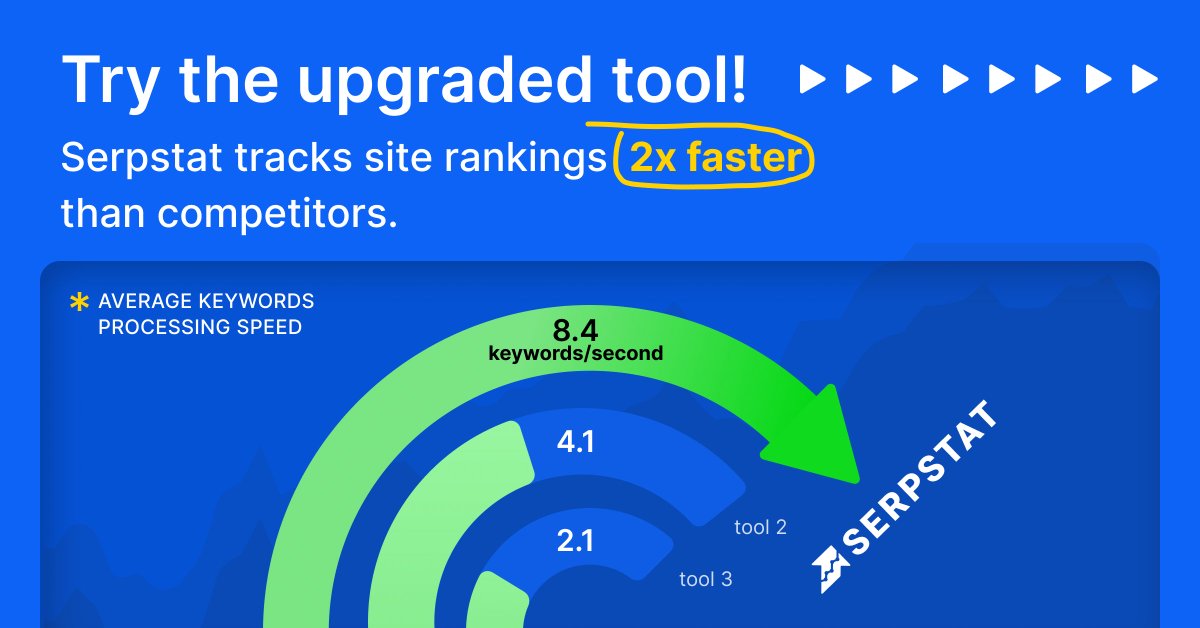
✅ Save time: Projects with 10k keywords now load in 2-3 seconds!
⏱️ Up to 8x faster than competitors: Manual position checks cut from 15 to just 2 minutes.
📊 Scale faster. Work smarter. Try it now: https://t.co/8SittedYGg
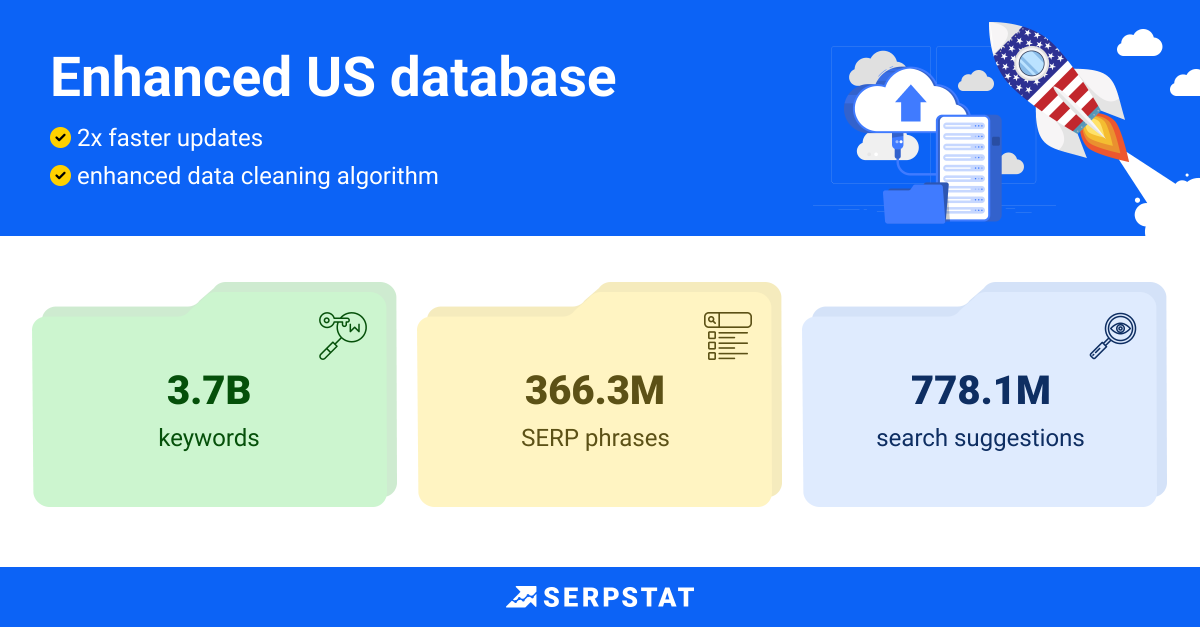
🔥 Google US Database: The Update You’ve Been Waiting For!
✅ 2x faster keyword updates
✅ Cleaner, more precise data
Supercharge your SEO with fresher insights and let us know what you think—your feedback matters! 💡https://t.co/B1fs77oAkG
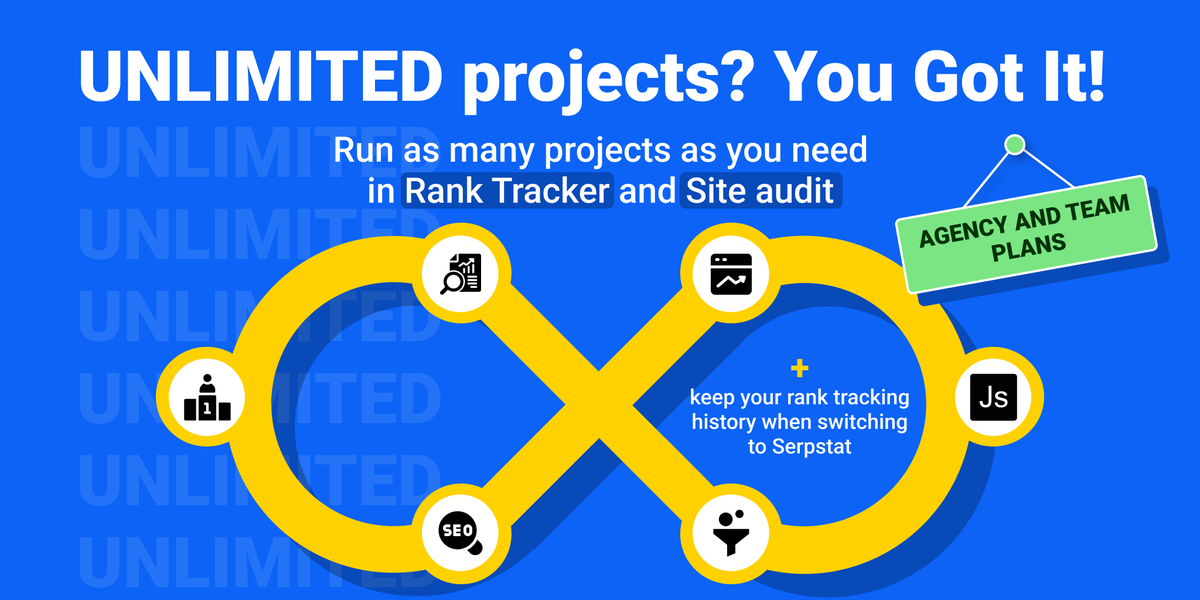
🚀 Switching SEO tools? Keep your entire ranking history for FREE with Serpstat! Plus, unlock unlimited projects, JS website audits, and more with our Team & Agency plans. Experience seamless transition and powerful features. Start your 7-day free trial: https://t.co/XF4LHt9imb
Keywords are the backbone of SEO. But where should you use them?
Our guide reveals key places for keywords on your site. From meta tags to FAQ blocks, master keyword placement for better rankings.
*Based on current SEO best practices and search engine guidelines.
🔍 Read now: https://t.co/PCueQgvtTg
#SEO #KeywordStrategy #KeywordResearch
Understanding OAuth 2.0
OAuth is an open standard that allows users to grant limited access to their data on one site to other sites or applications without exposing their passwords. It has become the backbone of secure authorization across the web and mobile apps.
𝗧𝗵𝗲 𝗢𝗔𝘂𝘁𝗵 𝗲𝗰𝗼𝘀𝘆𝘀𝘁𝗲𝗺
OAuth connects three main players:
- The User who wants to grant access to their data without sharing login credentials
- The Server that hosts the user's data and provides access tokens
- The Identity Provider (IdP) that authenticates the user's identity and issues tokens
𝗛𝗼𝘄 𝗢𝗔𝘂𝘁𝗵 𝘄𝗼𝗿𝗸𝘀
When a user tries to access their data through a third-party app, they are redirected to log in through the IdP. The IdP sends an access token to the app, which presents it to the server. Recognizing the valid token, the server grants access.
𝗧𝗵𝗲 𝗢𝗔𝘂𝘁𝗵 𝗙𝗹𝗼𝘄𝘀
OAuth 2.0 defines four flows for obtaining authorization tokens:
- Authorization Code Flow - for server-side applications
- Client Credentials Flow - when the app is the resource owner
- Implicit Code Flow - not secure and no longer recommended
- Resource Owner Flow - for trusted apps using owner credentials
𝗞𝗲𝘆 𝗯𝗲𝗻𝗲𝗳𝗶𝘁𝘀
- Enhances user experience by eliminating multiple passwords
- Allows secure data access across platforms using tokens
- Balances accessibility and security
OAuth 2.0 has become the standard for authorization. It enables secure, convenient data sharing while protecting user accounts.
–
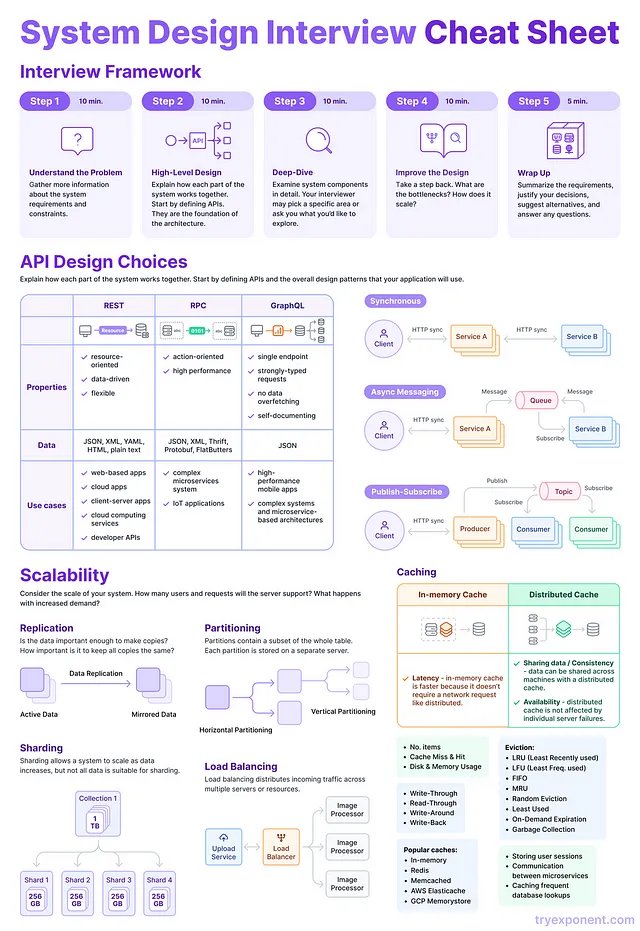
Subscribe to our weekly newsletter to get a Free System Design PDF (158 pages): https://t.co/kNfv0DVDdf
I am creating a Github repo of biggest collection of System Design resources, if you want to contribute, feel free to submit PR, if you like please share
https://t.co/eovTcAz1ra
We are only a few days away from the webinar with @Owain_LW!
📅 March 26th
🕰️ 2 pm EDT | 6 pm WET
Register now to get the webinar record and the speaker’s slides!
🔗https://t.co/9QkOGvgwow
#webinar#SEO#entrpriseSEO
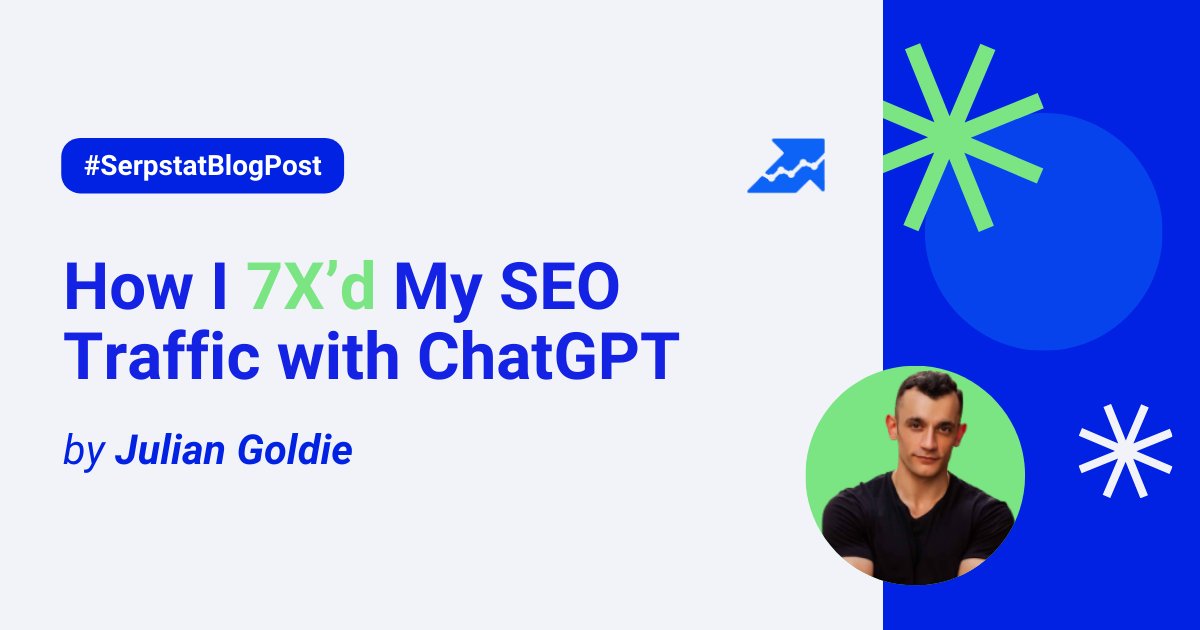
Wondering if ChatGPT alone can double your SEO traffic? @JulianGoldieSEO, Founder, and Link Builder at Goldie Agency, spills the secrets in an article on the Serpstat blog. Learn how to boost high-quality traffic without breaking the bank on ads.👇


![TakSec's tweet photo. Google Dork - File Upload 📁
(site:example[.]com | site:example[.]org) & intext:"choose file” https://t.co/ThJrTOkVe3](https://pbs.twimg.com/media/GBujSIXbMAAqYas.png)










![TakSec's tweet photo. Google Dork - File Upload 📁
(site:example[.]com | site:example[.]org) & intext:"choose file” https://t.co/ThJrTOkVe3](https://pbs.twimg.com/media/GBujSIZakAAFfir.png)


