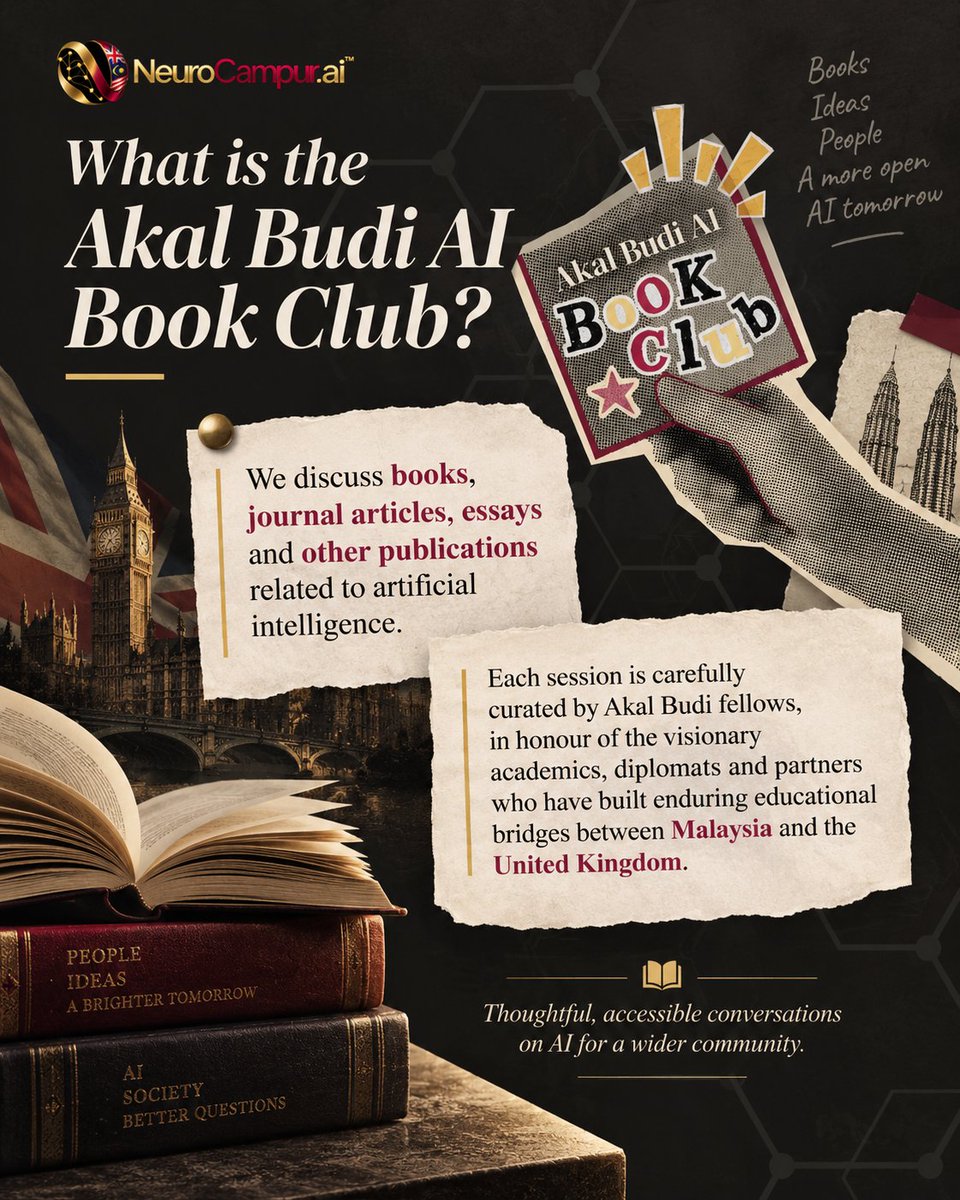
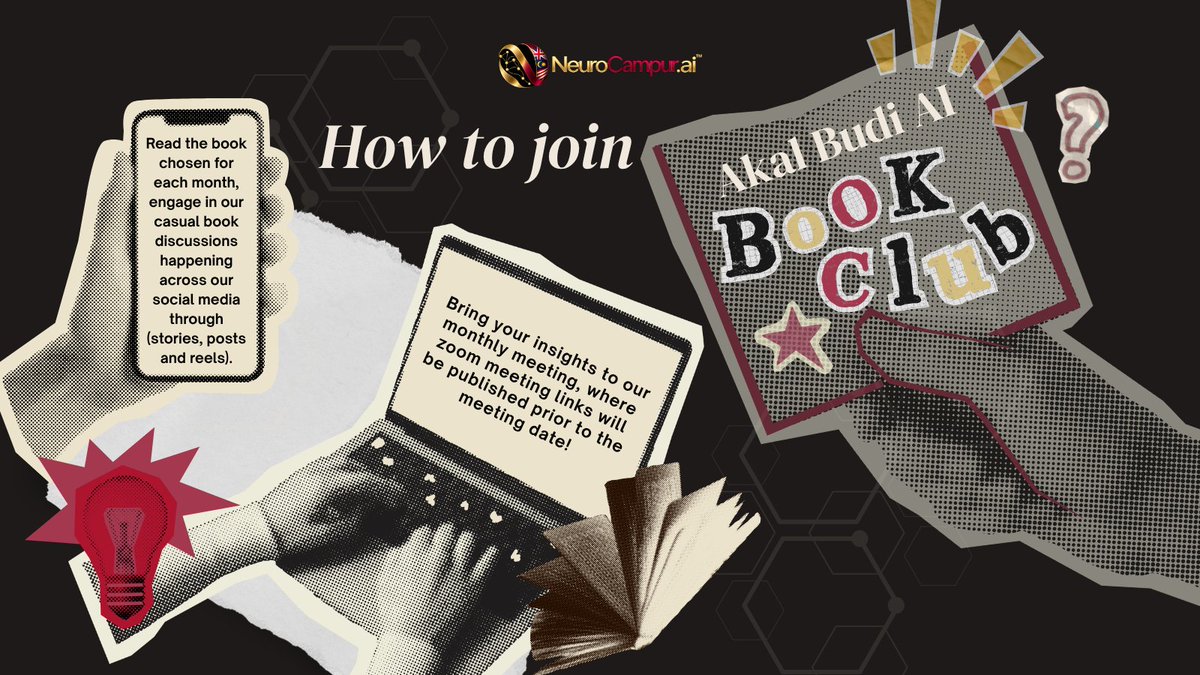
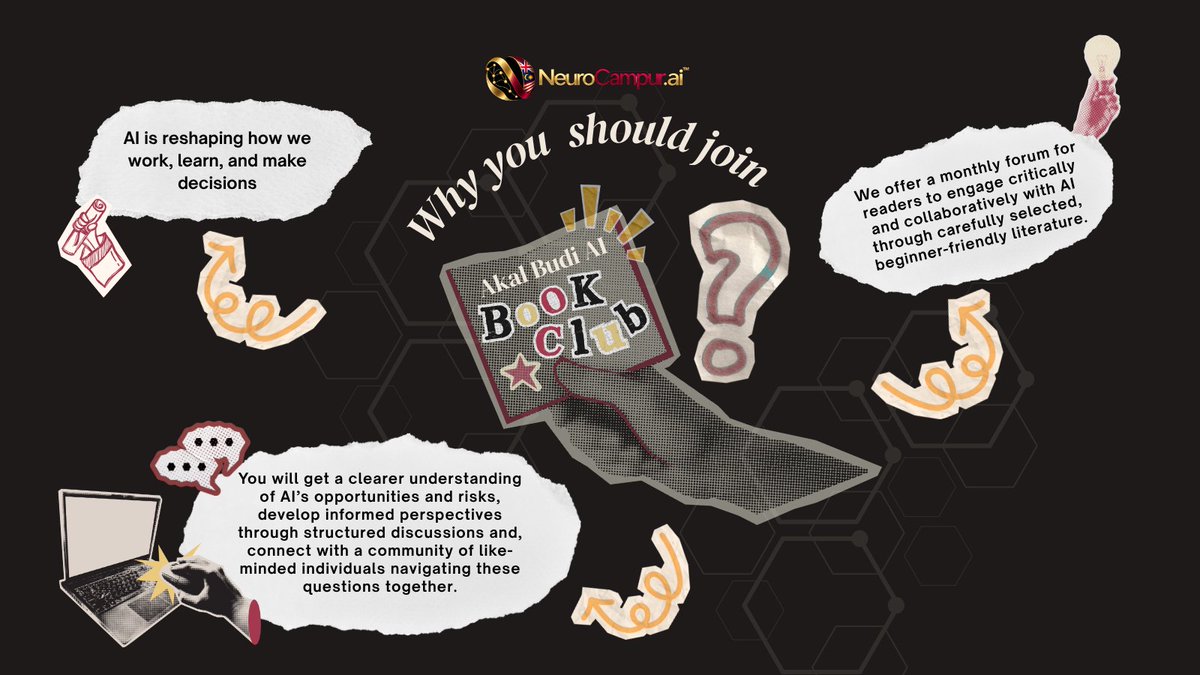
Some ideas deserve more than a quiet read. They deserve a conversation.
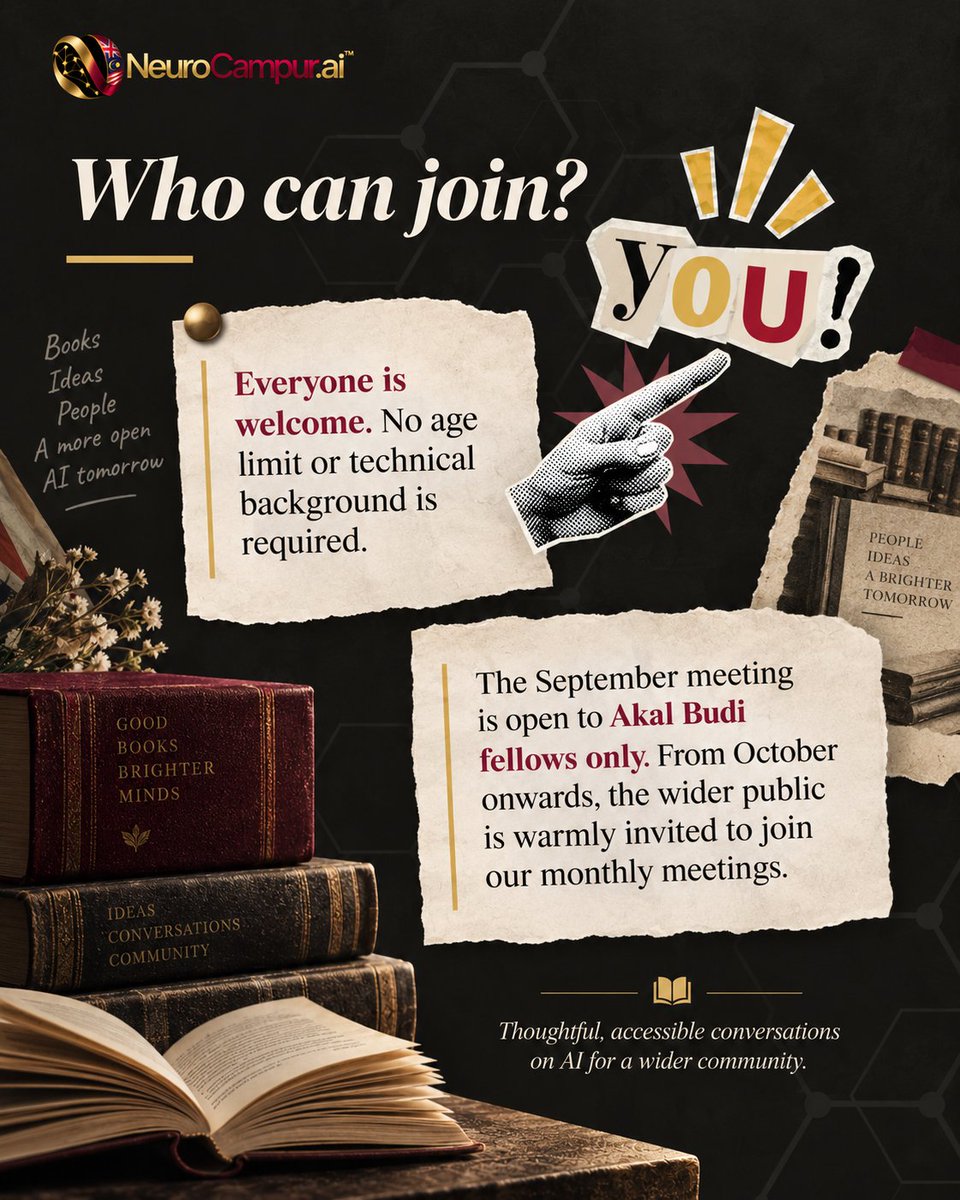
Akal Budi Book Club begins with our Fellows, creating a space to read, reflect and exchange perspectives.
For now, the first chapter belongs to them. Soon, we’ll open the conversation to the public.
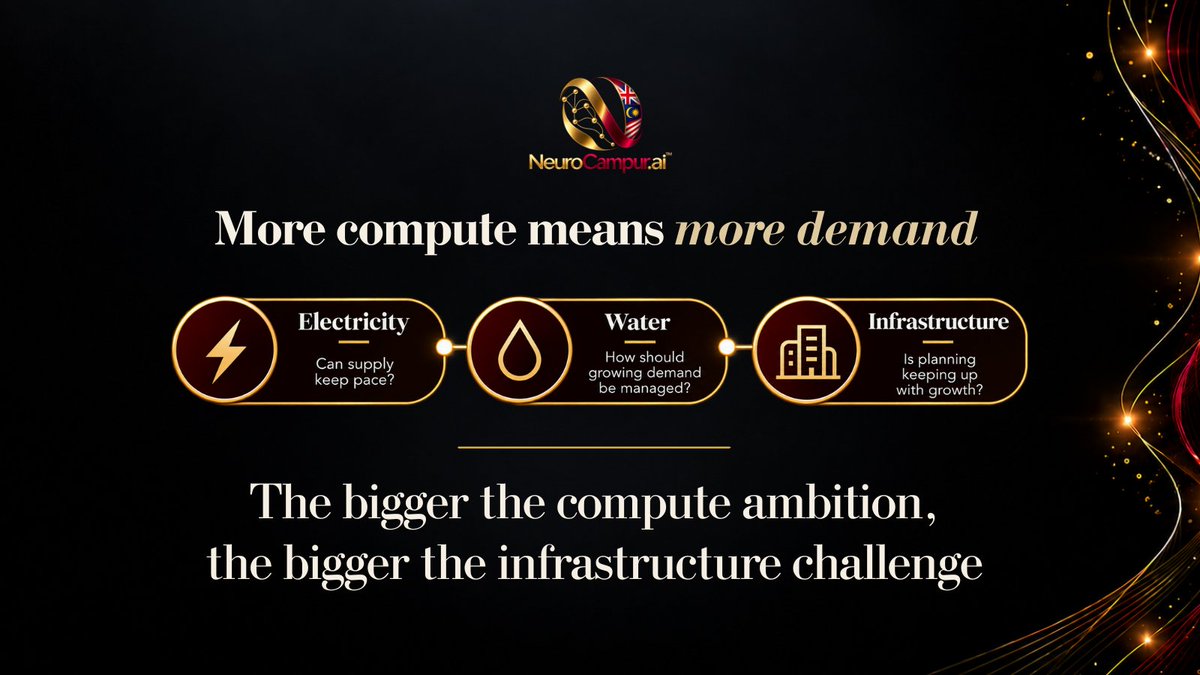
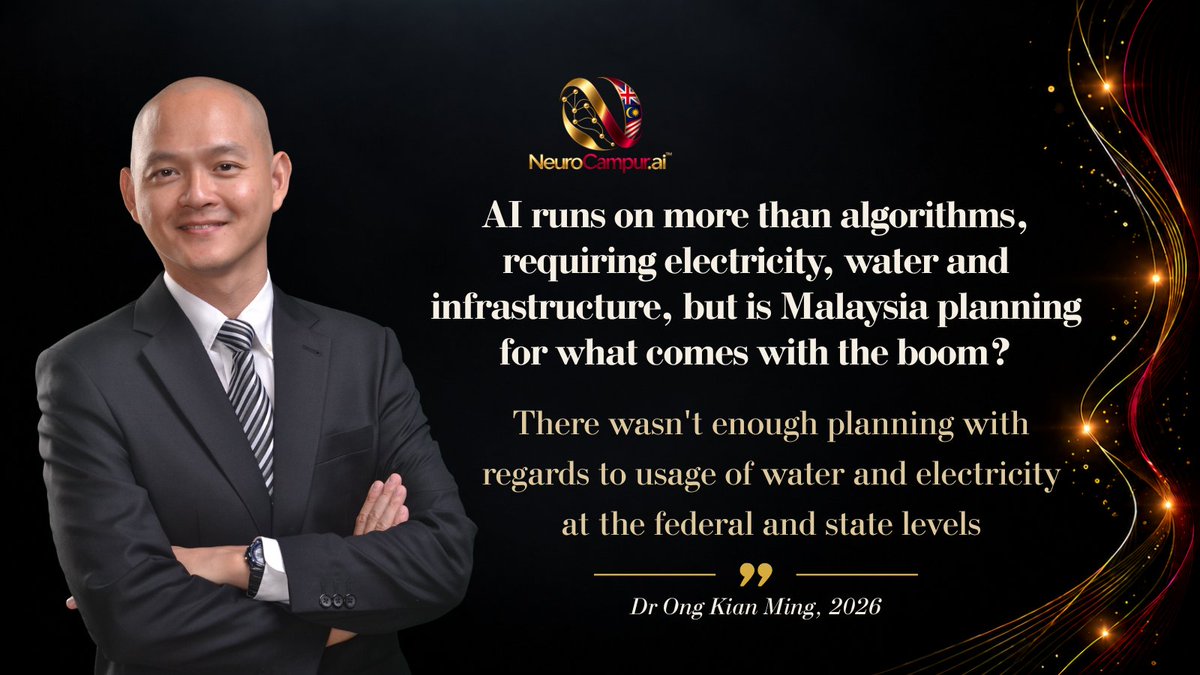
AI may run on algorithms, but the infrastructure behind it runs on very real resources.
As Malaysia’s compute ambitions grow, so do the demands on electricity, water and infrastructure.
Cognitive Sovereignty: The Series | Episode 6
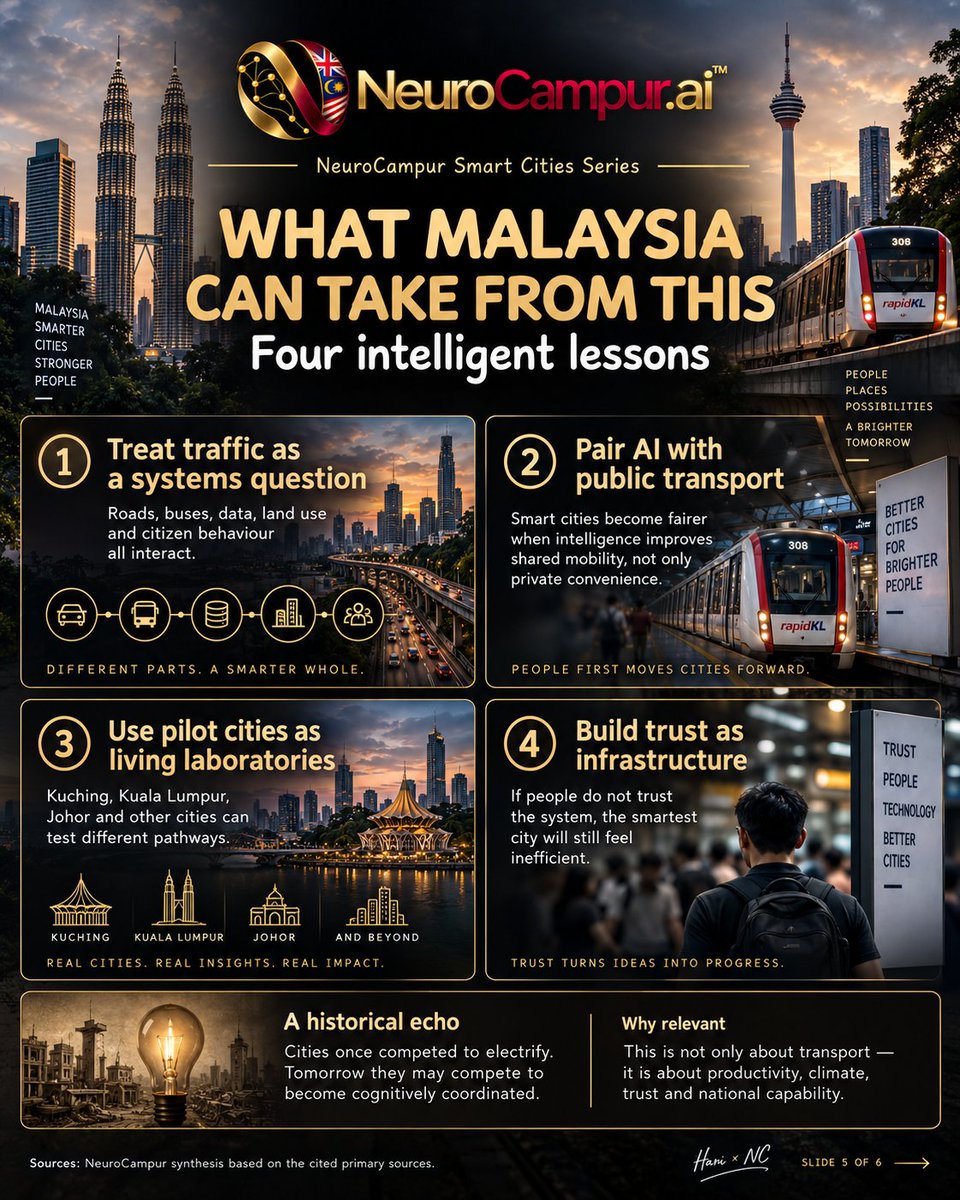
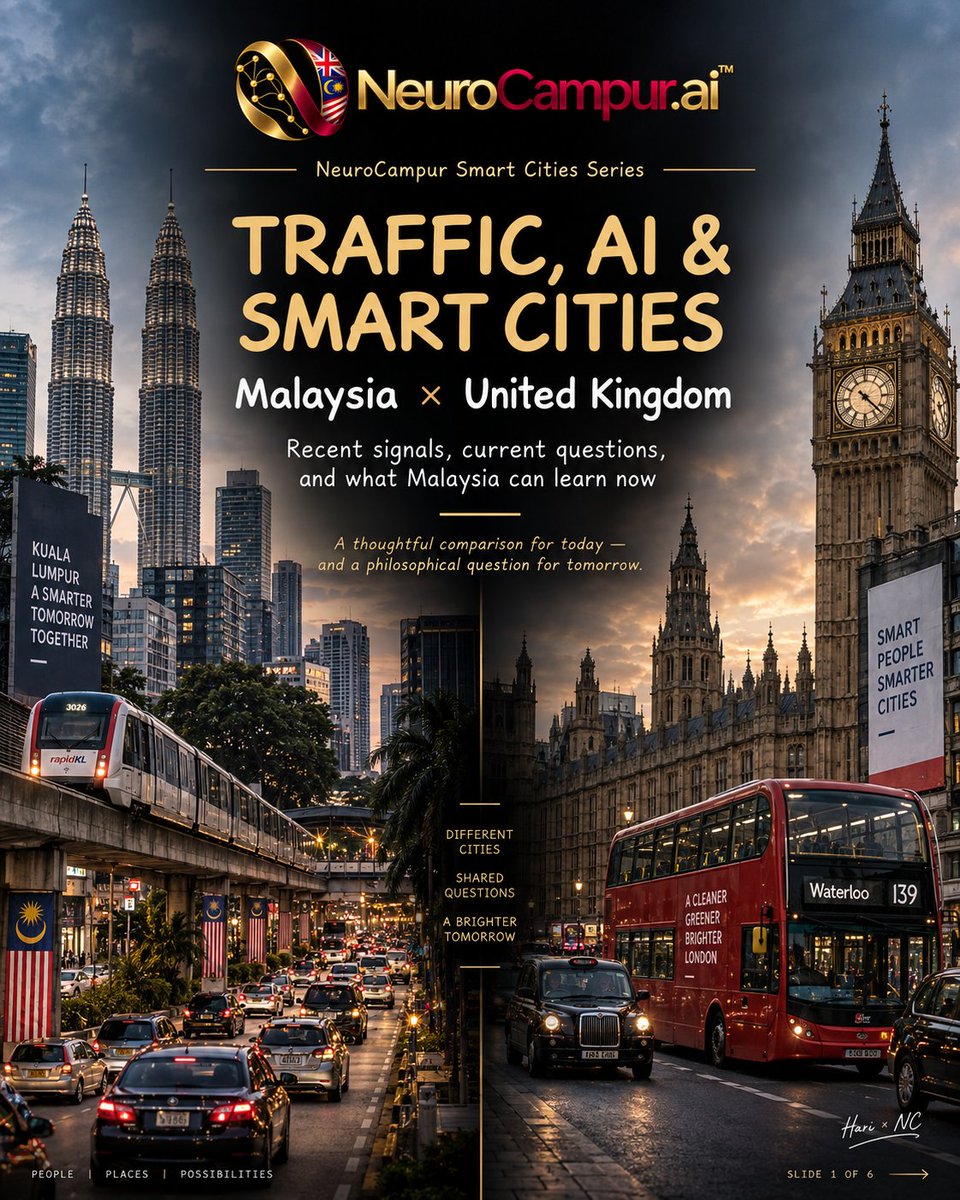
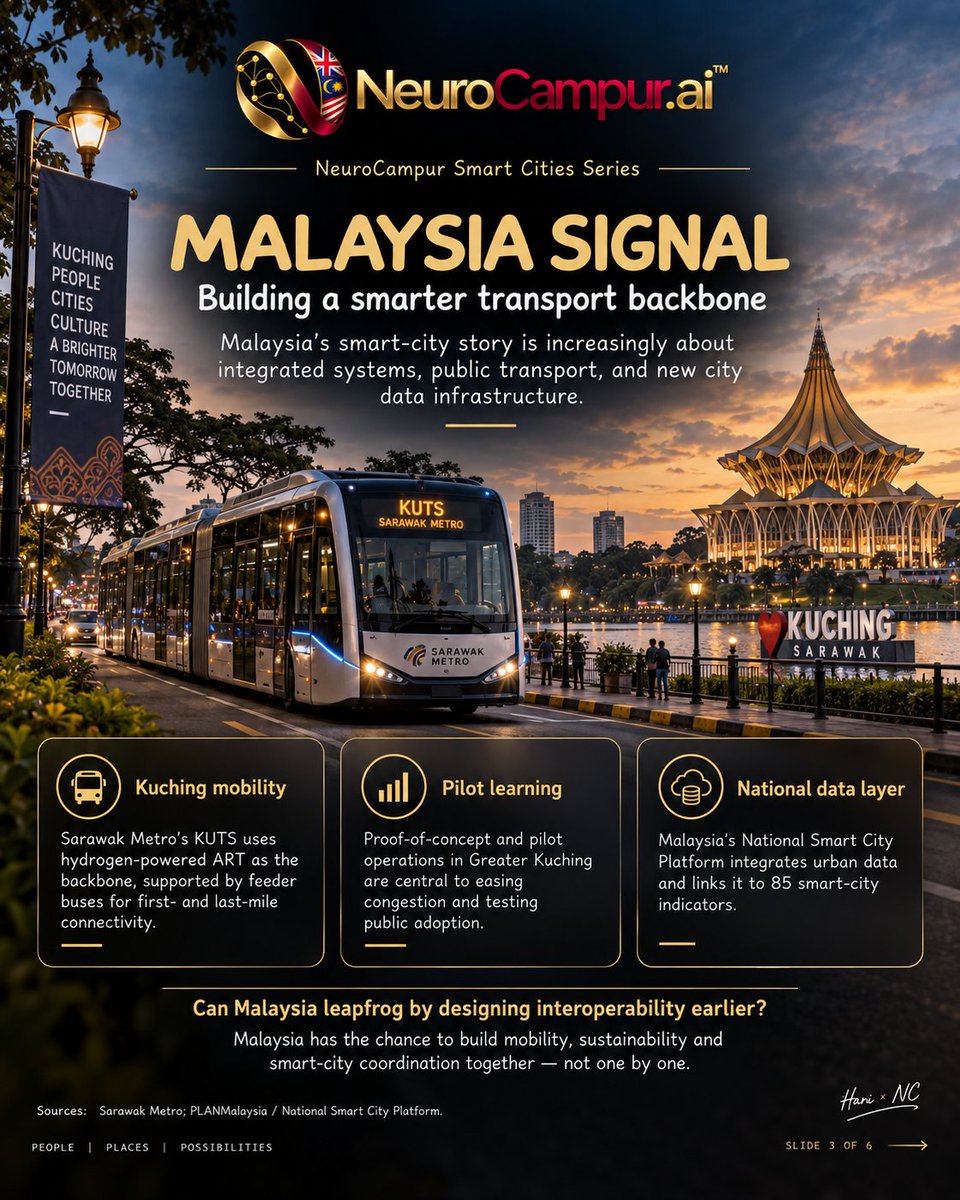
So what can Malaysia take from this?
Not a copy of another city’s model, but lessons in how AI, public transport, data and trust can work together.
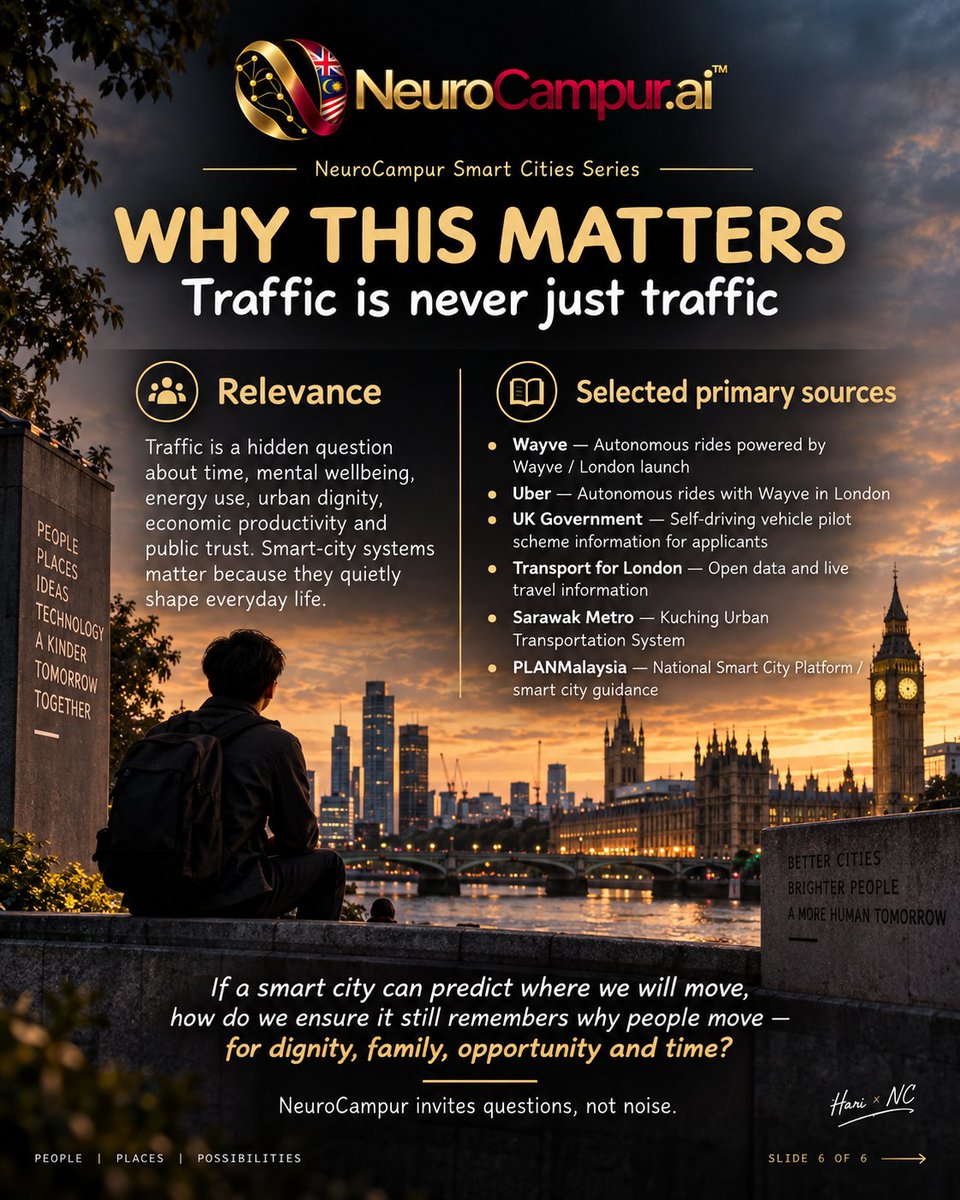
Because traffic is never just about traffic. It is also about time, opportunity and how people experience their city.
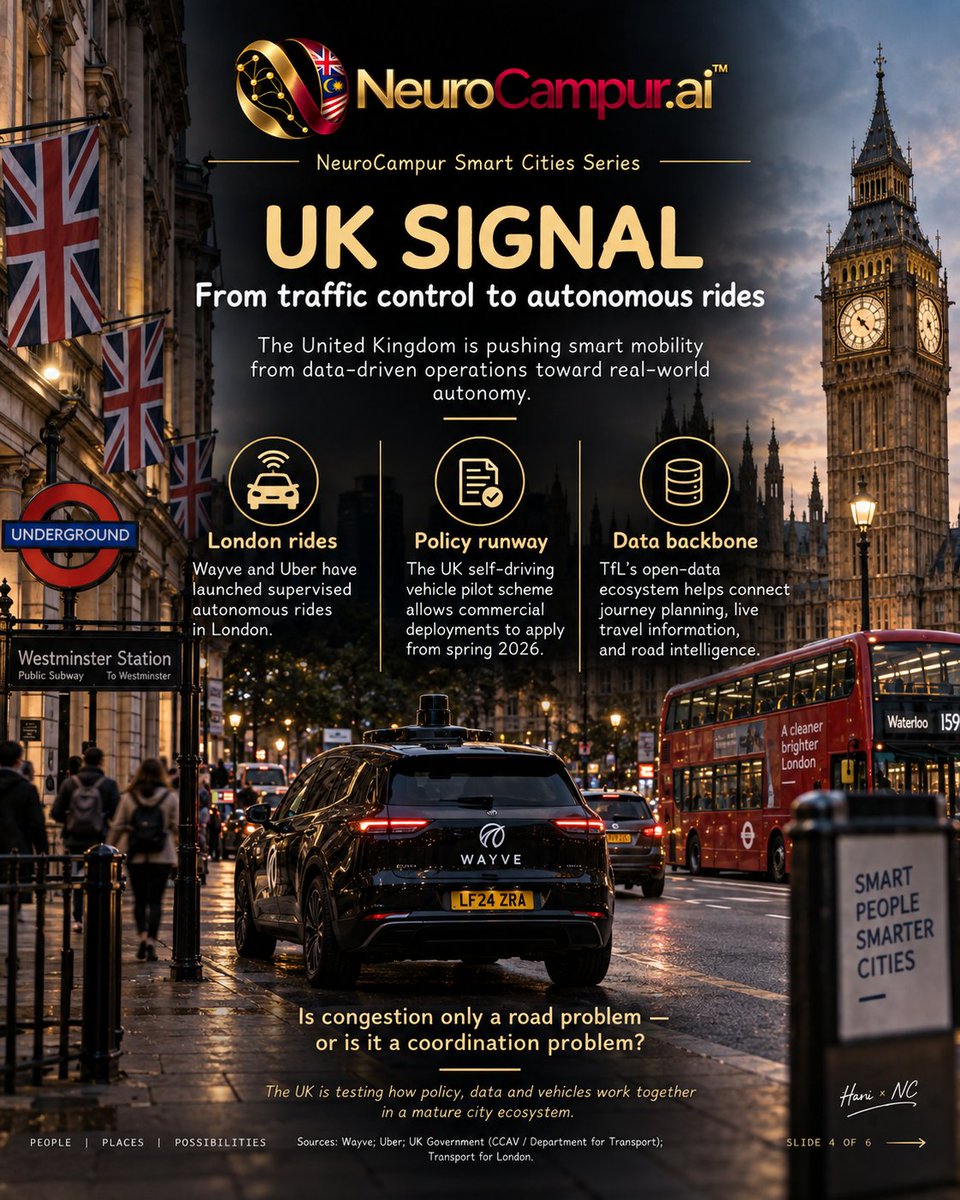
What does a smarter city actually look like?
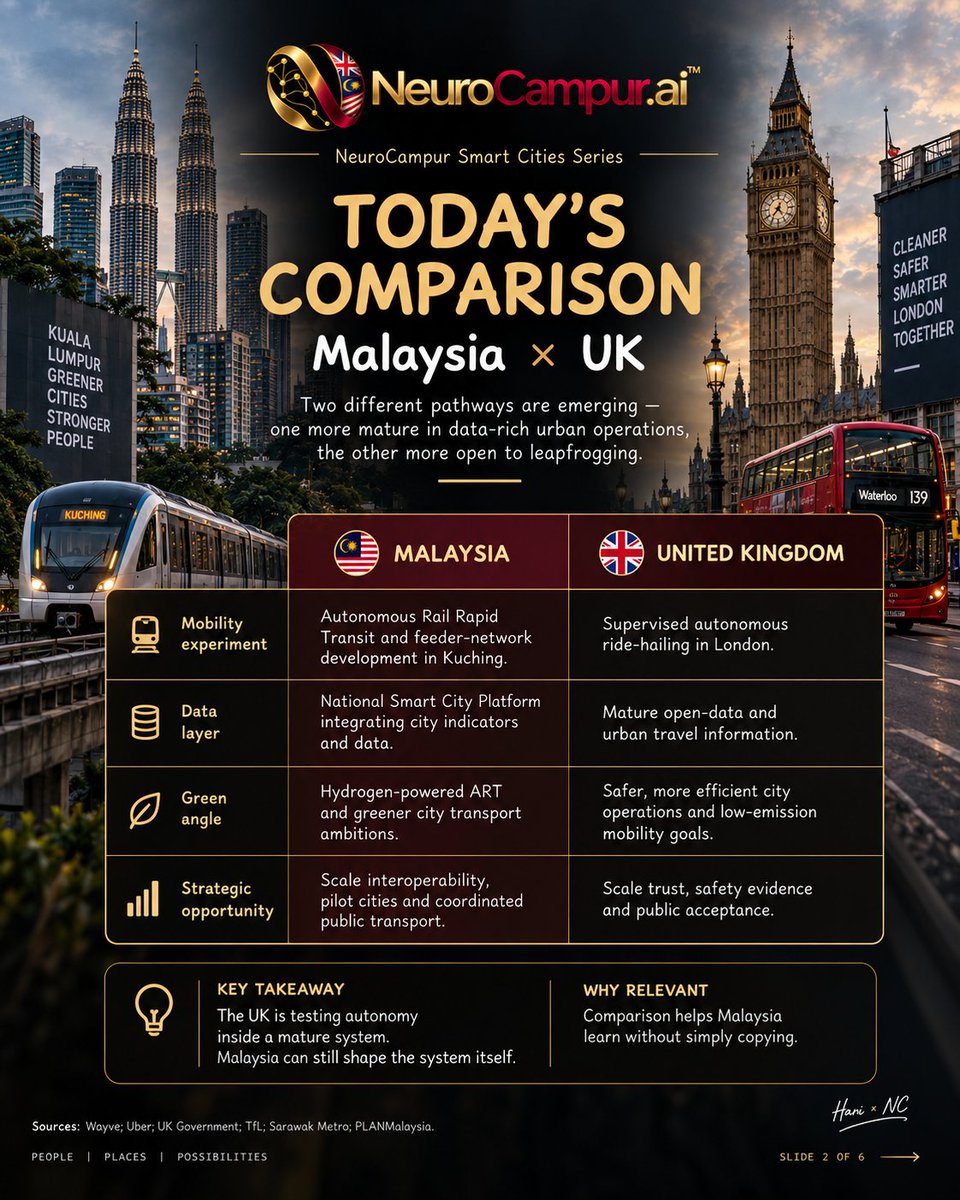
Malaysia 🇲🇾 and the UK 🇬🇧 may move differently, but both are exploring how AI can help cities understand traffic, mobility and the way people move.
The technology is getting smarter. Are our cities keeping up?
Data centres bring compute buut compute alone does not build an AI economy.
The bigger opportunity is what grows around it: skills, jobs, local companies and capability.
Cognitive Sovereignty: The Series | Episode 5
AI answers quickly and often confidently but confidence is not the same as being right.
Research suggests we can over rely on AI advice, even when other information tells us otherwise.
When was the last time you checked your AI?
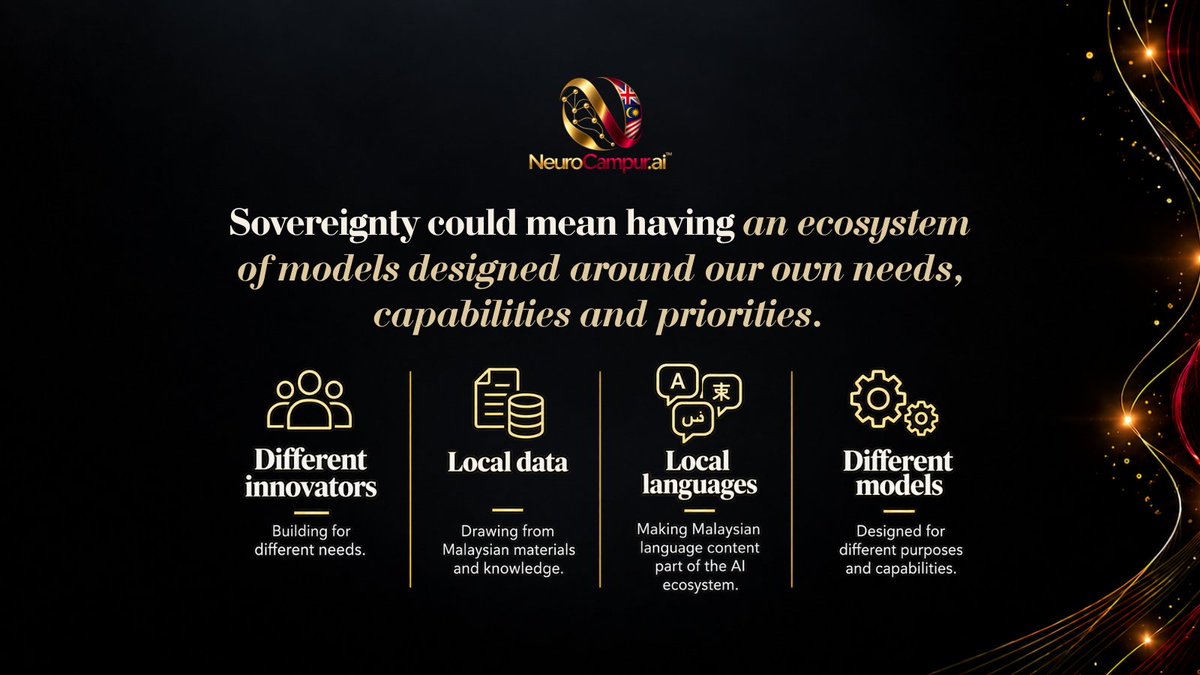
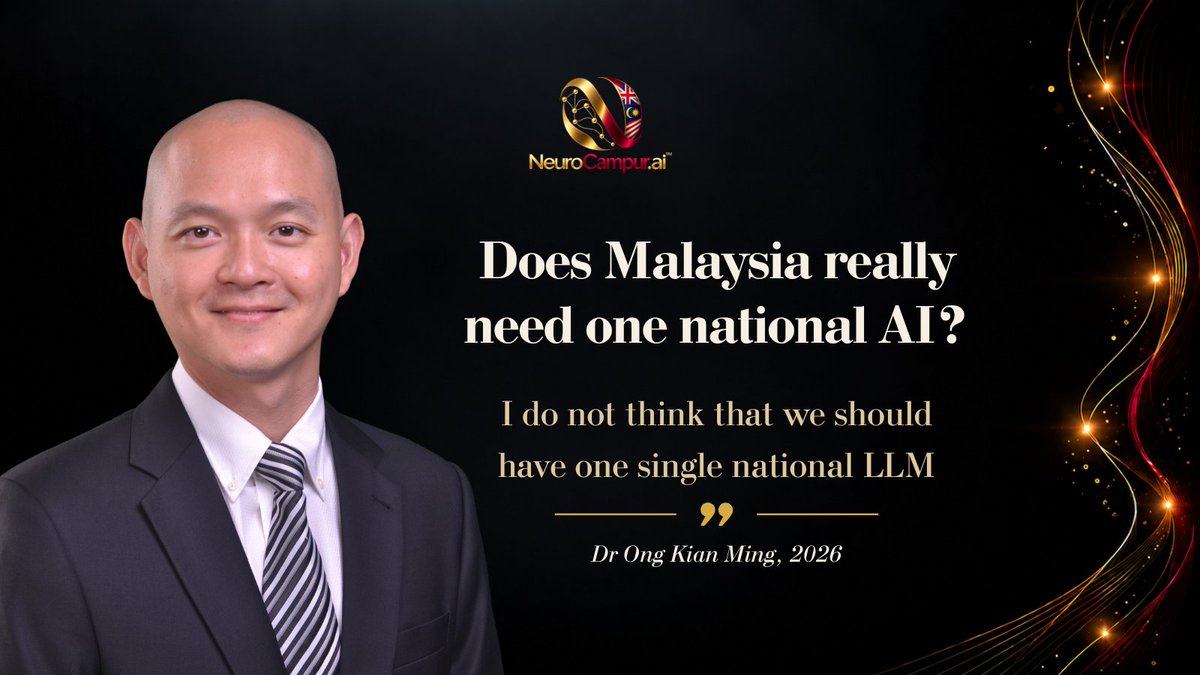
One national AI sounds simple but Malaysia is not.
Different languages, different needs, different industries and different ways of using technology.
So why should one model have to do it all?
Cognitive Sovereignty: The Series | Episode 4
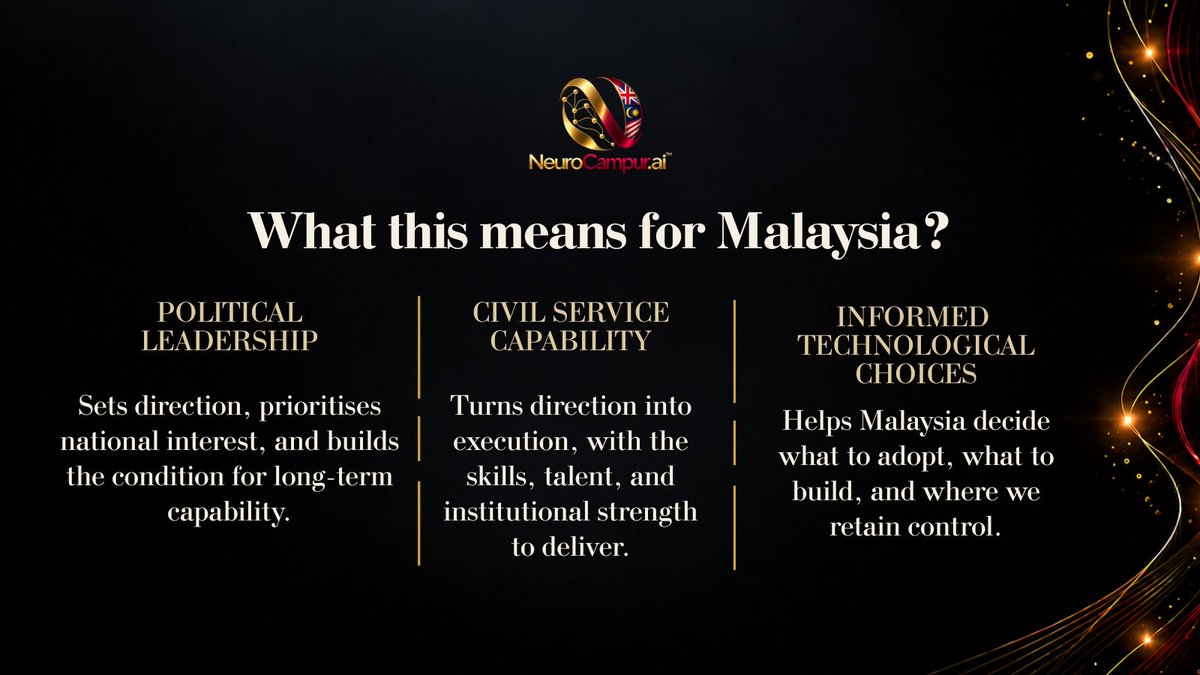
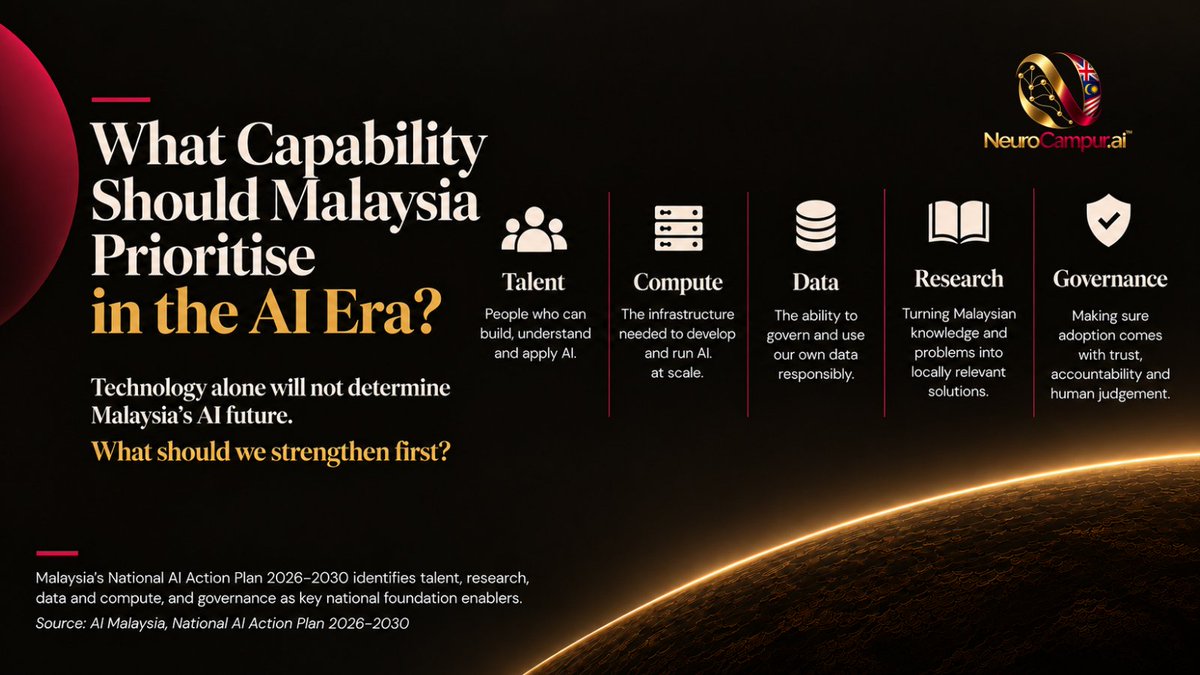
AI ambition is one thing. Having the capability to deliver it is another.
The choices Malaysia makes today could shape what we are able to build, adapt and control tomorrow. We cannot prioritise everything at once
Does Malaysia need to build everything itself to achieve technological sovereignty?
Perhaps the harder question is knowing what we can share, and what we cannot afford to lose control of : Where should Malaysia draw the line?
Cognitive Sovereignty: The Series | Episode 3
Perhaps one day we will stop thinking of AI as its own sector.
Like the internet, it may simply become part of how we work.
Because AI is in every field, its future cannot be shaped by technologists alone.
Who else needs a seat at the table?
AI is not a standalone sector.
Its real impact is already moving through healthcare, education, finance, manufacturing and research.
Perhaps the bigger question is no longer who works in AI, but how AI is changing the field you already work in.
What is changing in yours?
Did you know?
88% of organisations surveyed in Stanford’s 2026 AI Index reported using AI in at least one business function in 2025.
AI is moving beyond tech teams and into everyday work. The question now is where does it genuinely add value?
Source: Stanford AI Index 2026
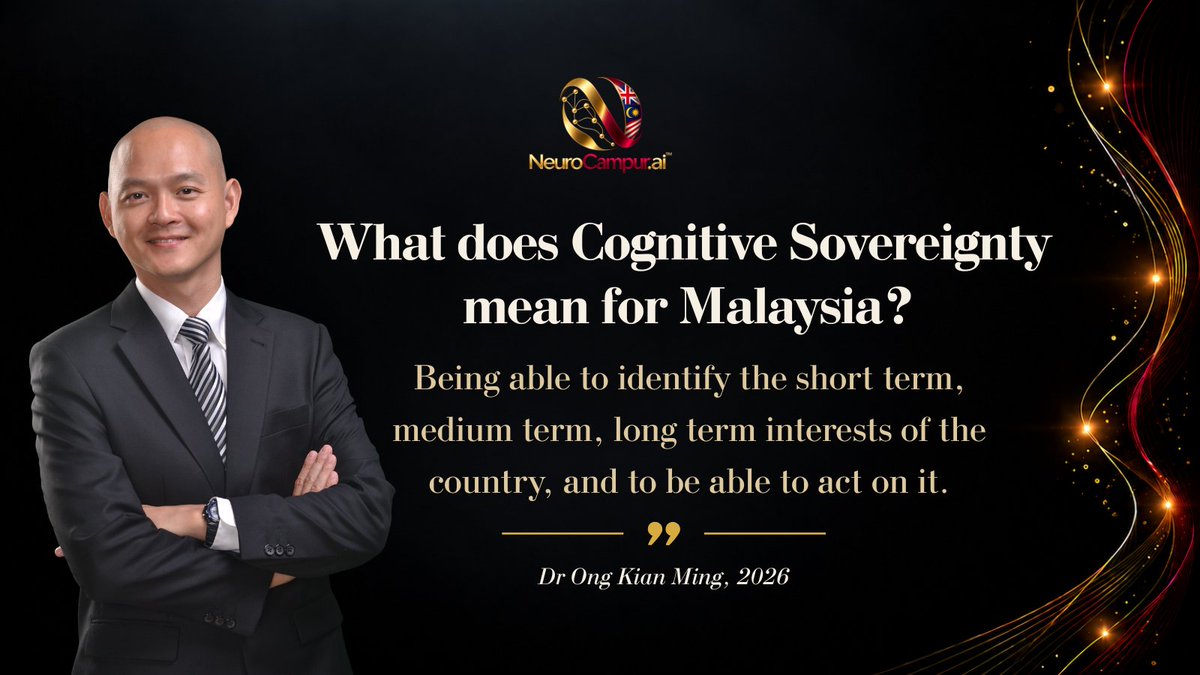
Malaysia doesn’t have to build everything to matter in AI but where should we build enough capability to have a real say in what comes next?
What must we shape, rather than simply consume?
Cognitive Sovereignty : The Series | Episode 2
The right audience can change what happens next.
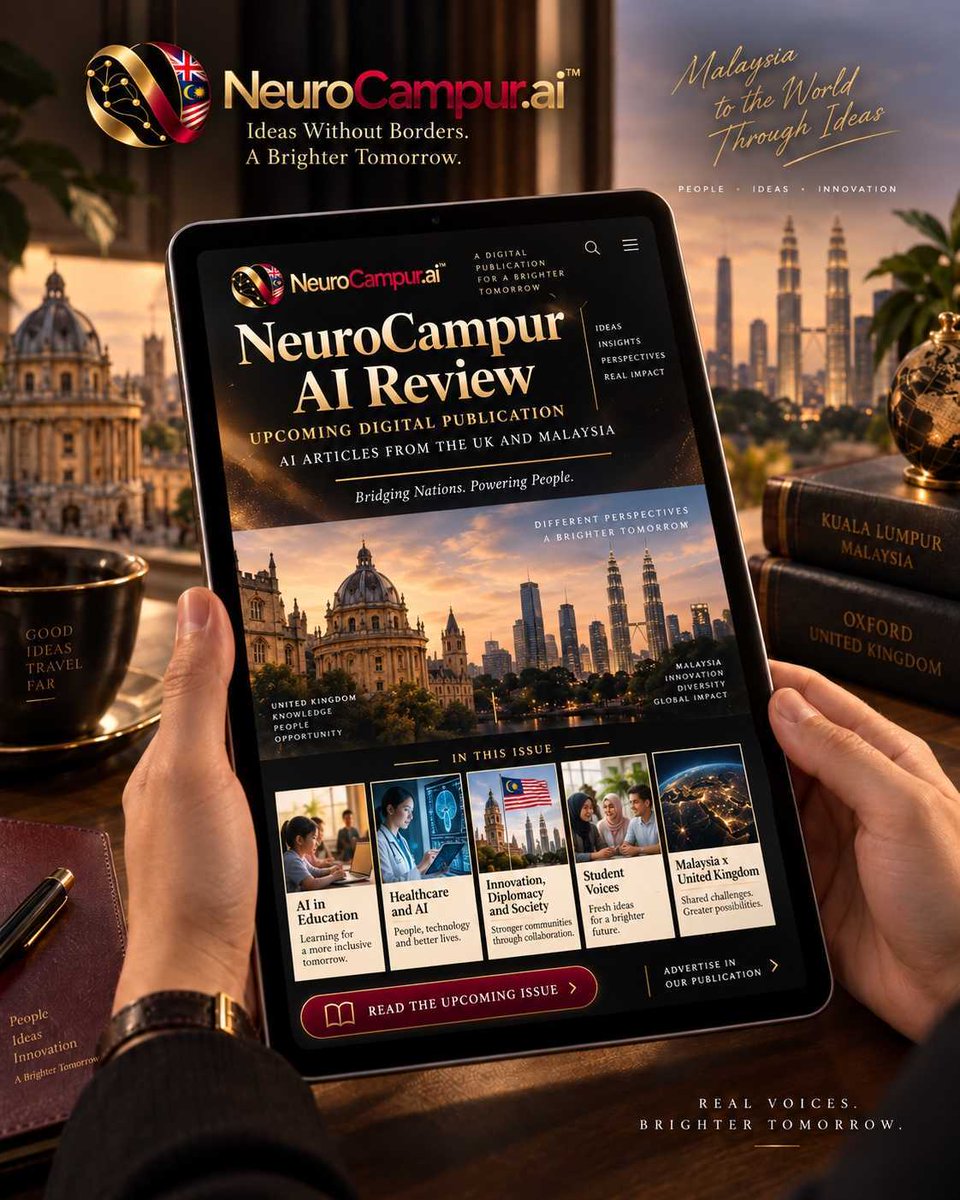
Inside NeuroCampur AI Review, we bring together ideas, people and work worth knowing about.
For a select few, there is room to be part of that conversation. Perhaps your name belongs there.
One conversation left us with more questions than answers. So we decided not to leave them there.
Over 10 episodes, we are revisiting some of the ideas & questions that emerged from our fireside conversation with @imokman
Cognitive Sovereignty: The Series | Episode 1