What if cognitive response was as routine as checking your pulse? The NeuroCatch Platform offers non-invasive, quick, and objective brain assessments right at the point of care.
#BrainHealth#MedTech
NeuroCatch was built around a simple idea:
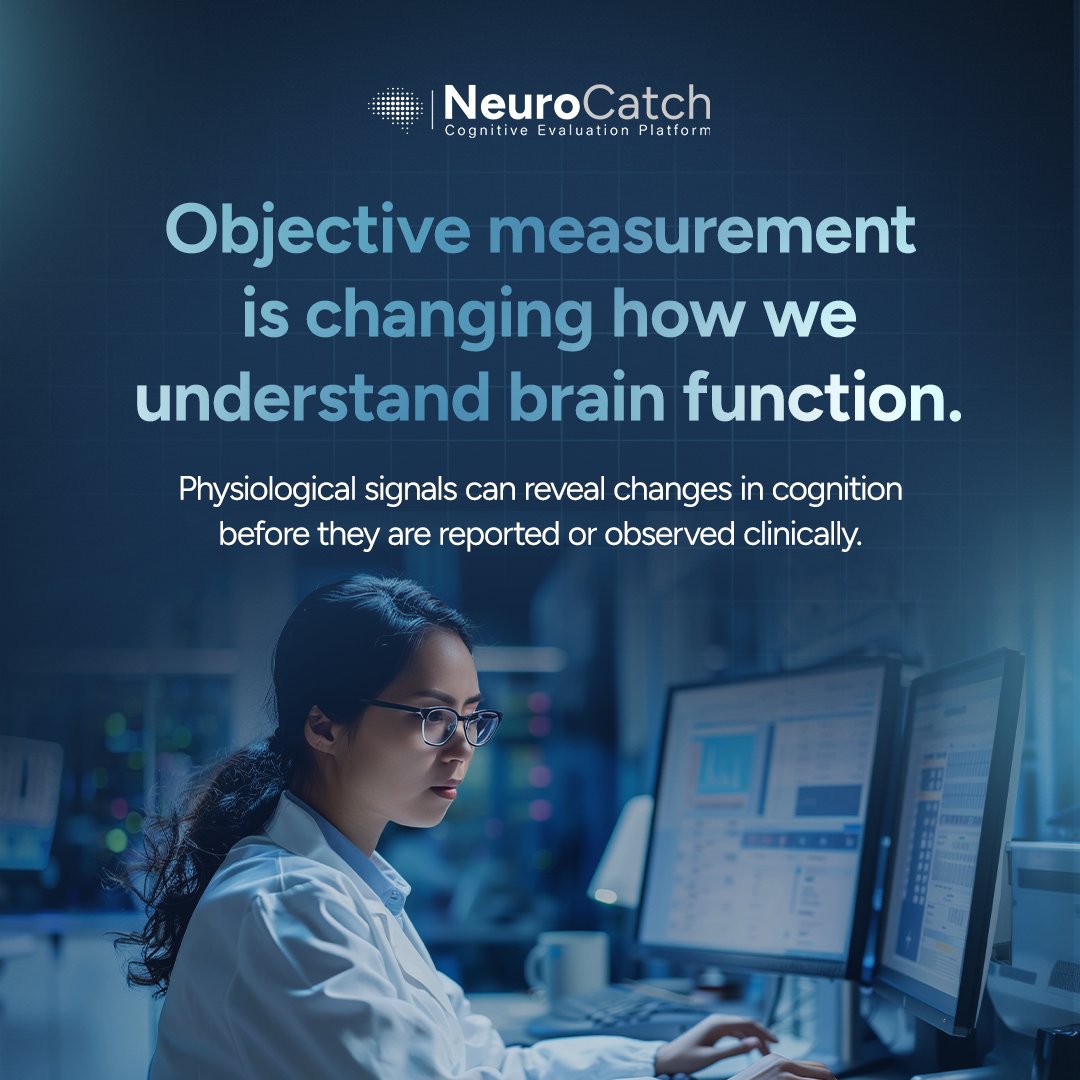
Brain function should be measured objectively, not just observed subjectively.
Using “brain vital signs,” NeuroCatch captures sensation, attention, and cognitive processing because brain health changes over time.
#brainhealth
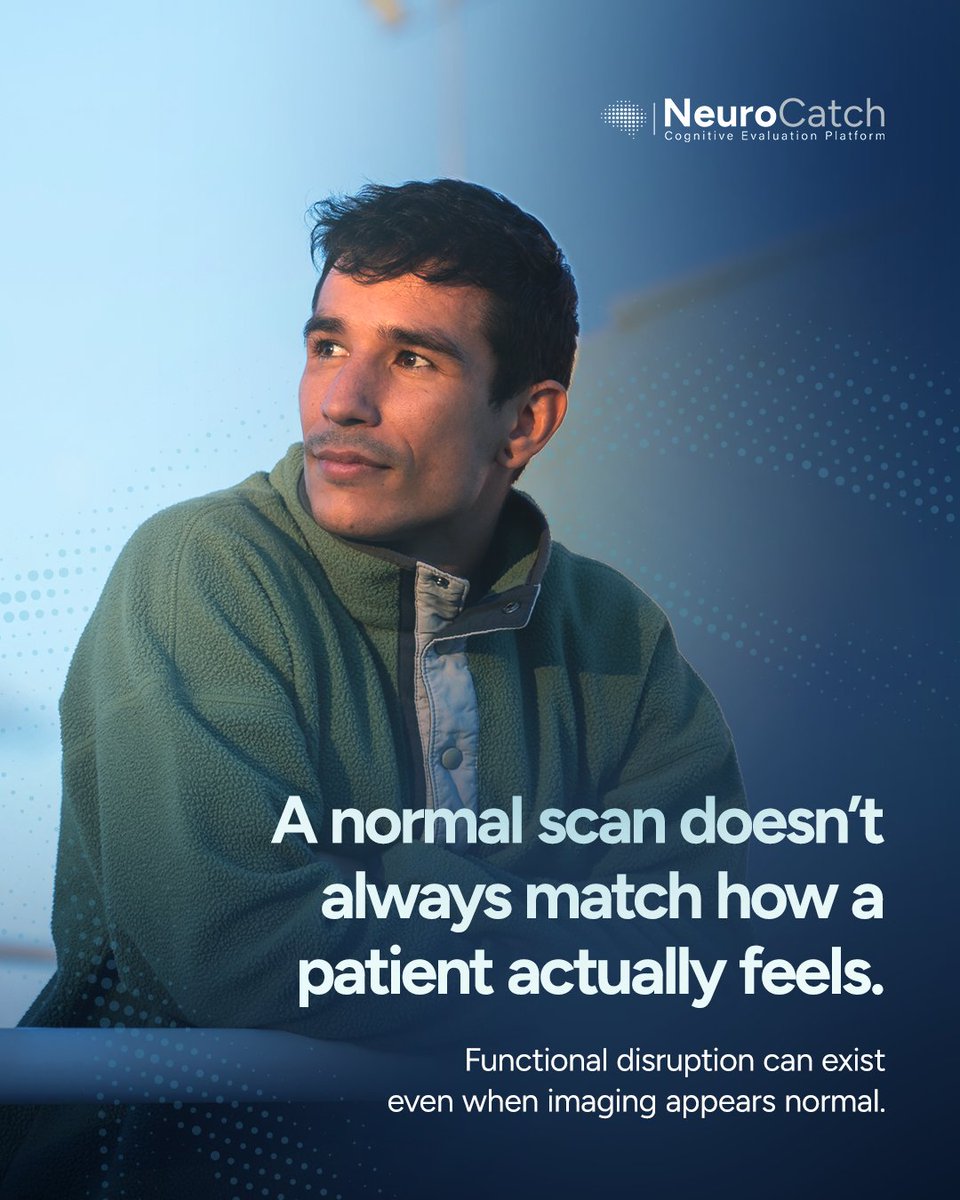
One of the more difficult moments in care is when a patient is told everything looks normal.
But they do not feel normal.
If we only rely on what we can see, we risk missing what is actually happening.
#brainhealth#neurocatch#brainvitalsigns#neurotech
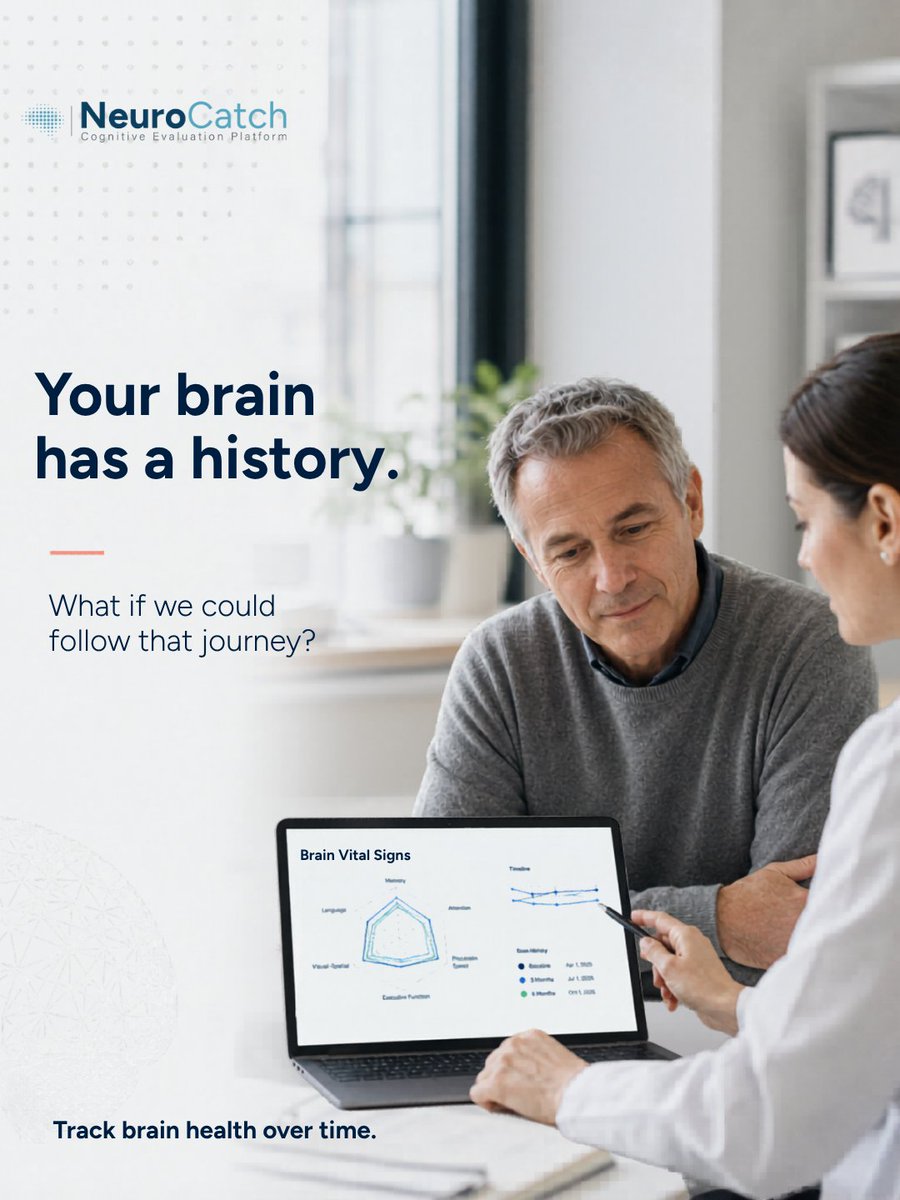
A story we see all the time:
Teen athlete gets a concussion
Working adult starts experiencing brain fog
Later life, that same adult cognitive concerns
Different moments. Same brain.
The gap? We’ve never had a consistent way to track what’s happening in between.
#brainhealth
We’re used to tracking vital signs like heart rate or blood pressure.
But the brain? Not so much.
“Brain vital signs” give us a way to measure how the brain is actually functioning objectively.
#brainhealth#neurocatch#neuroscience#neurotech#brainvitalsigns
Not every brain injury comes from one major event.
Sometimes it’s repeated hits, minor injuries, or changes that never fully resolve. Over time, they can affect how a person thinks and functions, yet, these cases are often overlooked because they don’t look urgent.
#brainhealth
Proud to see NeuroCatch featured in Business Insider
Advancing the future of brain health and cognitive innovation.
Read the full feature in Business Insider below
https://t.co/wB6dDemsbQ
#neurocatch#brainhealth
We talk about the cost of brain injury in dollars, but patients feel it in daily life.
Work takes more effort. Tasks take longer. Performance slips.
In the U.S., non-fatal TBIs drive $19B+ in lost productivity, behind it are people trying to function like before.
#brainhealth
Nearly every other field of medicine has an objective measurement anchoring clinical decisions. Blood pressure. Heart rate. Oxygen saturation.
Brain health is catching up. ERP biomarkers make cognitive change trackable.
Book a demo: https://t.co/B1hAH19rtb
Recovery is defined against a starting point.
In brain health, that starting point is rarely established.
Are you incorporating baseline cognitive data into your workflows? #BrainHealth
The Geneva Foundation and @NeuroCatch have announced a research partnership focused on cognitive brain health and Service member readiness.
The partnership reflects a shared commitment to advancing research that supports warfighter health, resilience, and readiness.
Read more: https://t.co/fDUnEIdlR7
#MilMed
Not every brain injury is obvious.
Sometimes it shows up as taking longer to process information.
By the time it’s recognized, it may already be affecting how people work, think, and feel day to day. It is recognizing change early enough to do something about it. #brainhealth
Subtle cognitive changes are often the most clinically meaningful, and the hardest to quantify.
Objective measurement helps close the gap between what you suspect and what you can document.
See how ERP data is used in practice: https://t.co/B1hAH19rtb
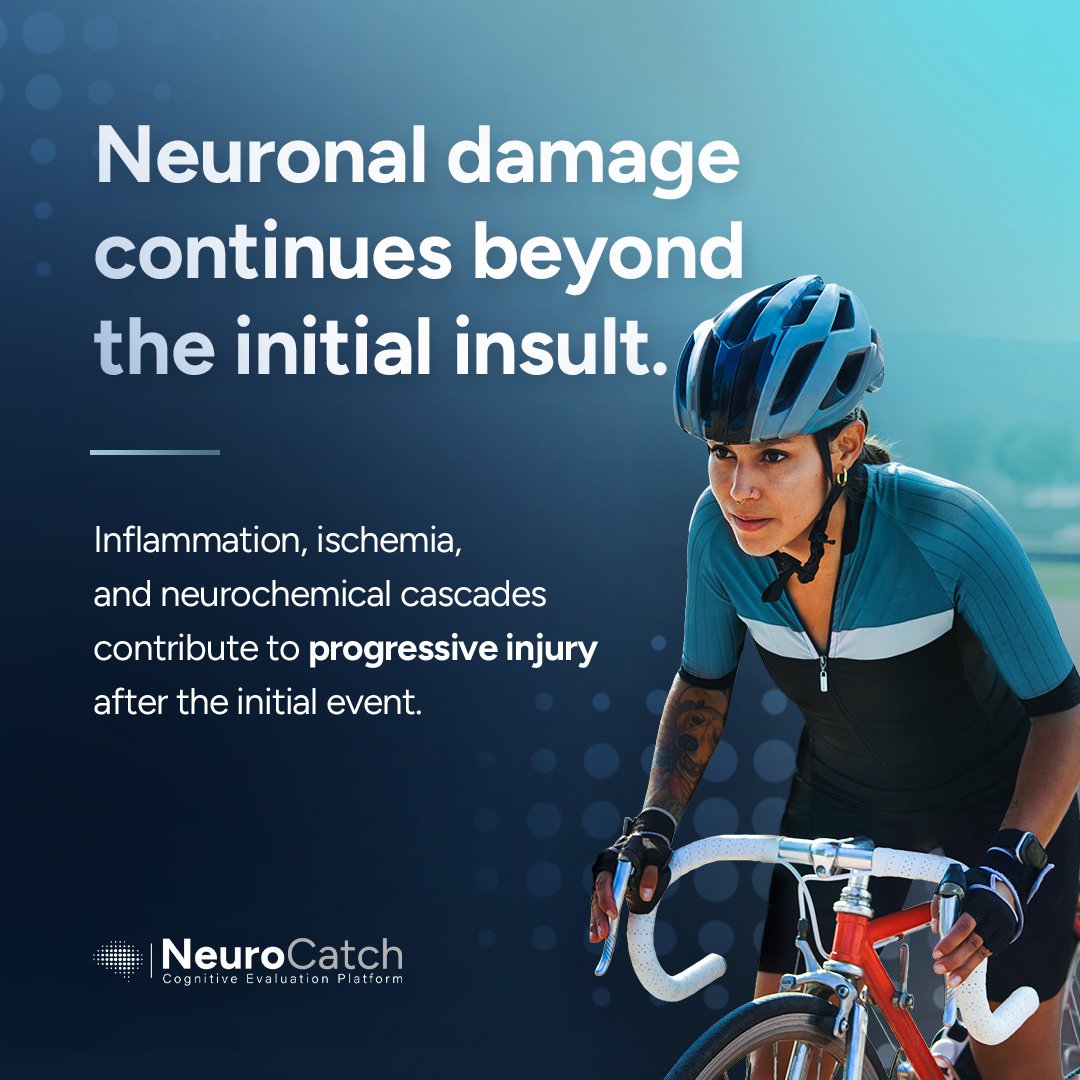
In TBI, the initial impact is only part of the story.
Inflammation, ischemia, and metabolic disruption keep shaping outcomes long after the event.
How are you tracking patients beyond the initial window? #TBI
Concussion disrupts brain function more than brain structure. Standard imaging rarely shows it.
Most resolve with rest. But repeated concussions raise concerns about cumulative damage and longer recovery.
#ConcussionCare#TBI#SportsMedicine
Cognitive assessment has barely changed in decades.
Self-report, observation, task performance: all shaped by effort, mood, and context.
How is your practice approaching objective measurement of brain function? #Neuroscience
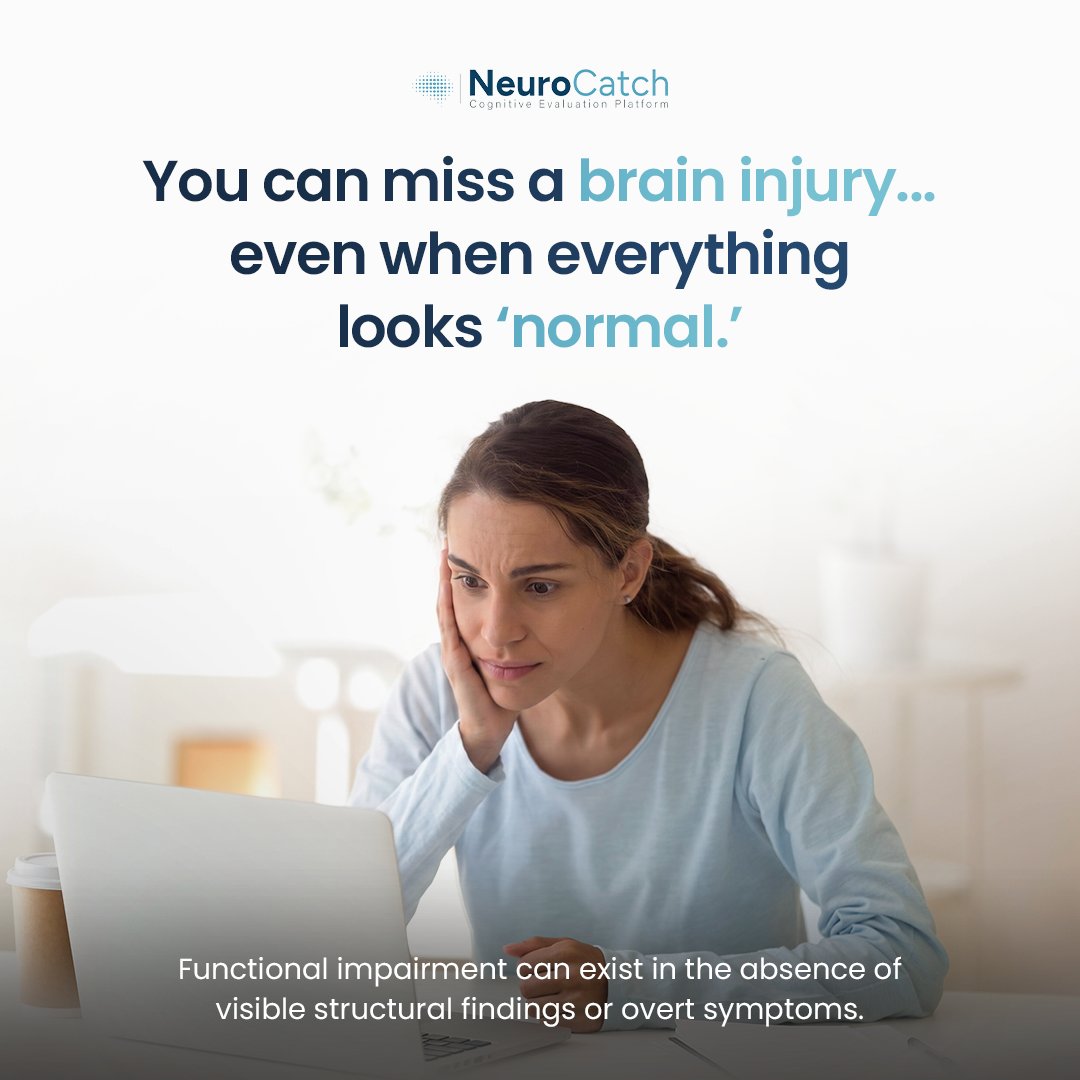
A clean scan doesn't always mean a healthy brain.
Closed head injuries often leave no visible damage, but patients still report disruption in attention, memory, and processing speed.
How often are you seeing this in practice? #BrainHealth
‼️🚨BREAKING🚨‼️
The RIT Tigers have received a commitment from Lucas Romeo!
🐅🐅🐅
The ‘05 born Forward from Oakville, Ontario has 32 points in 61 GP during the 2025-26 season for @CBEHockey
Cognitive assessment doesn’t have to take hours.
NeuroCatch delivers objective brain data in ~6 minutes, with immediate results.
After the test, a full report is provided, allowing clinicians to review a summary or explore deeper insights through waveform data.