Our Key-Obs collaboration pairs CNS electrophysiology with behavioral & cognitive assessments — a complete preclinical solution for pharma drug discovery programs. 💪 https://t.co/aawqiWUKRx
Capsaicin, AITC & menthol activate TRP channels in rat DRG neurons. Our Fura-2 calcium imaging platform quantifies these responses for pain ion channel pharmacology.
https://t.co/QfFZ7VdfG9...
Human & rodent brain slices + spinal cord slices — patch clamp & MEA recordings that reveal compound effects at cellular & network levels in CNS & pain research. 🧠https://t.co/iYTq7eMu3m
Reproducibility isn't luck — it's process. Our standardized workflows deliver consistent electrophysiology data for 20 years. Process-dependent, not people-dependent. 🏅
Behavior + electrophysiology = real mechanistic insight into fear & anxiety circuits. Our latest blog shows how to move from observation to actionable CNS data. https://t.co/R0Ym9bz73z
No fixed catalogs. No one-size-fits-all protocols. Every electrophysiology study we design is built around your specific CNS or pain research question.
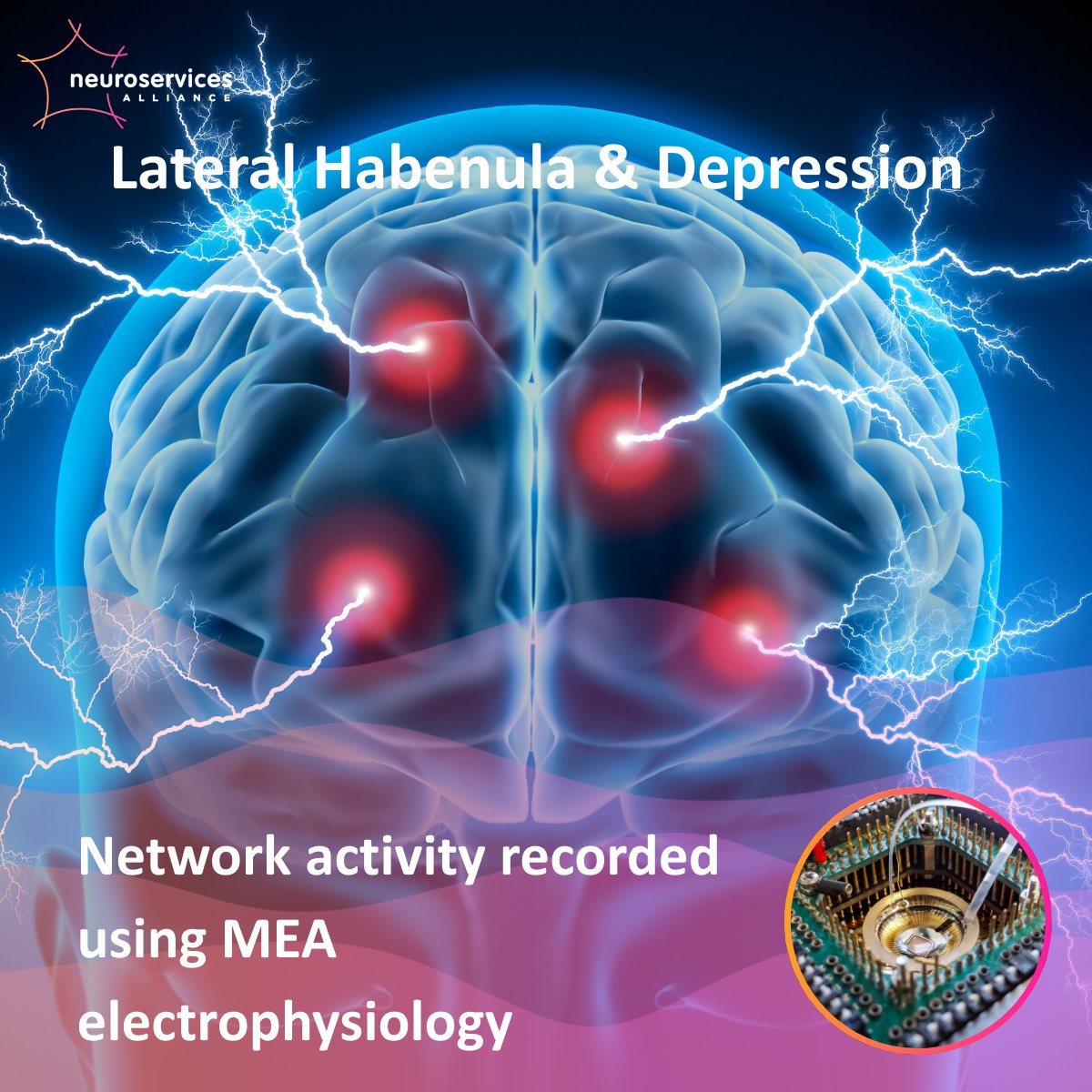
LHb hyperactivity drives depressive symptoms. Using MEA, we monitor LHb firing & evaluate how compounds modulate this circuit. Key for antidepressant discovery. https://t.co/XObWuBQHk2
Proud to partner with FUJIFILM CDI — combining iPSC-derived neurons with our electrophysiology platforms for more predictive CNS & pain assays.
🔗 Learn more about this collaboration on https://t.co/5D3t1GjYcU
Calcium imaging lets us monitor neuronal calcium dynamics in real time — higher throughput than patch clamp for CNS & pain pharmacology screening. 🔬
https://t.co/zhpuX2X25h
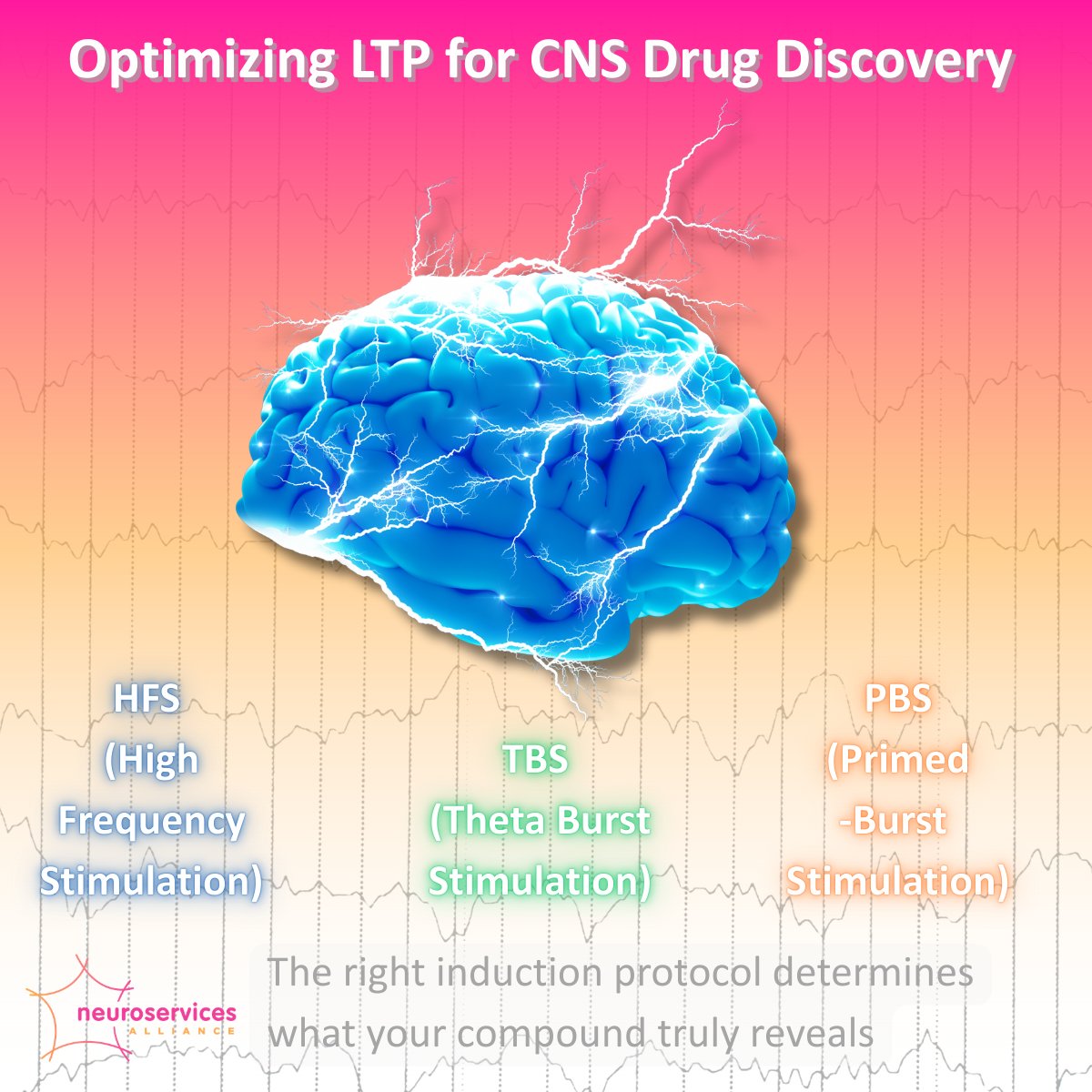
LTP protocol choice directly impacts translational relevance. We tailor LTP paradigms to your compound's mechanism — ensuring the signal reflects real biology.
20 years of electrophysiology-driven CNS & pain drug discovery. Cell, brain slice, in vivo & organoid platforms. Focused expertise. Functional insight.
https://t.co/8hIF7Ujwqs
Calcium imaging at our San Diego lab: real-time visualization of calcium flux across neuronal networks for CNS & pain drug discovery. 🔬
https://t.co/zhpuX2X25h
Brain slice electrophysiology preserves native circuits — giving direct functional insight into synaptic transmission & compound effects in CNS & pain research. 👉 https://t.co/iYTq7eMu3m
New blog: NMDA receptor currents in rat cortical neurons — how we measure them, what they reveal, and why they matter for CNS drug discovery. https://t.co/ESab0SYoFp
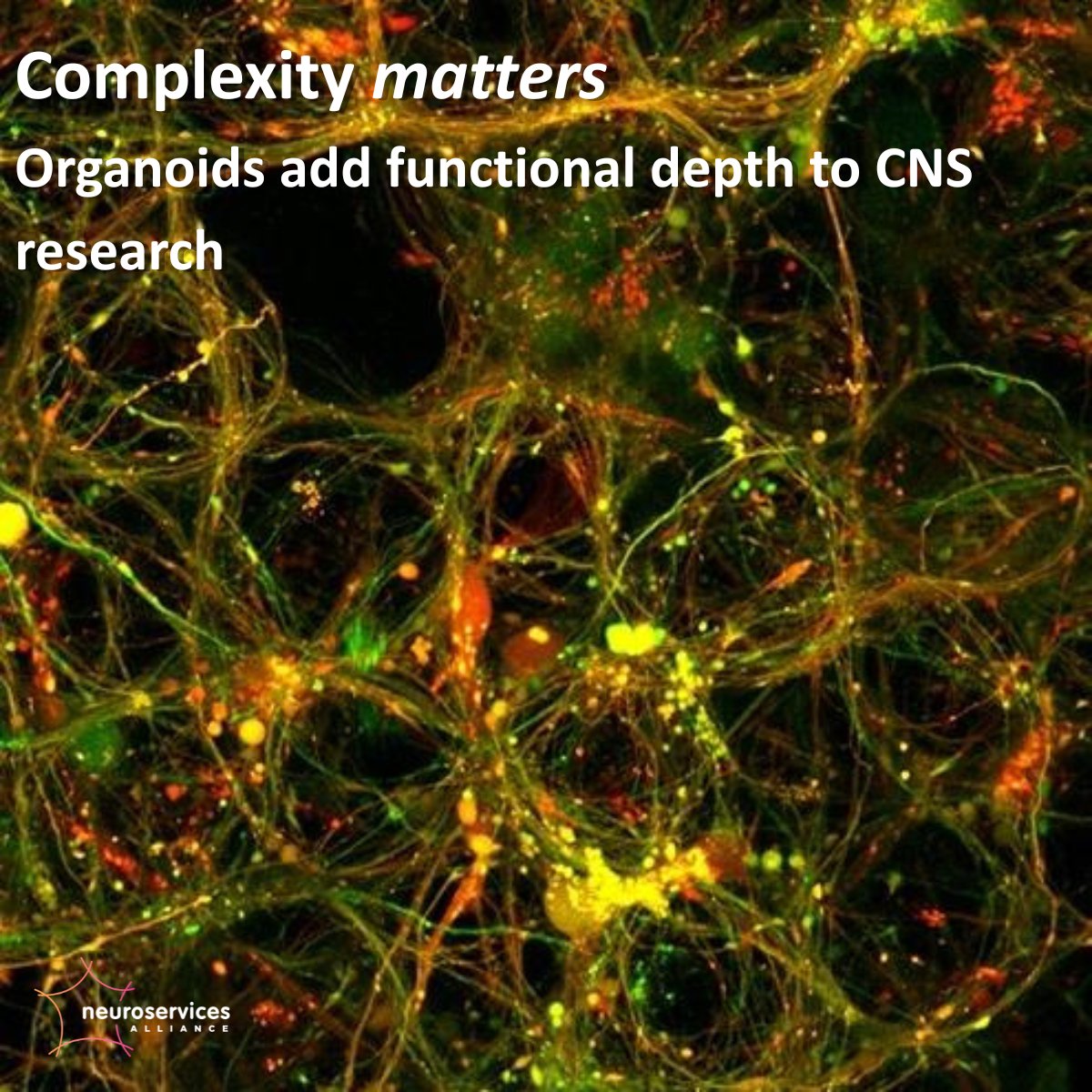
Organoids = 3D brain models with real function. Our platform captures network dynamics, spontaneous activity & cellular diversity for CNS drug discovery.
Human-relevant models are reshaping CNS drug discovery—and we’re at the forefront.
With human brain slices, iPSC-derived neurons, and organoids, we deliver functional data that reflect human biology while reducing reliance on animal-only studies.
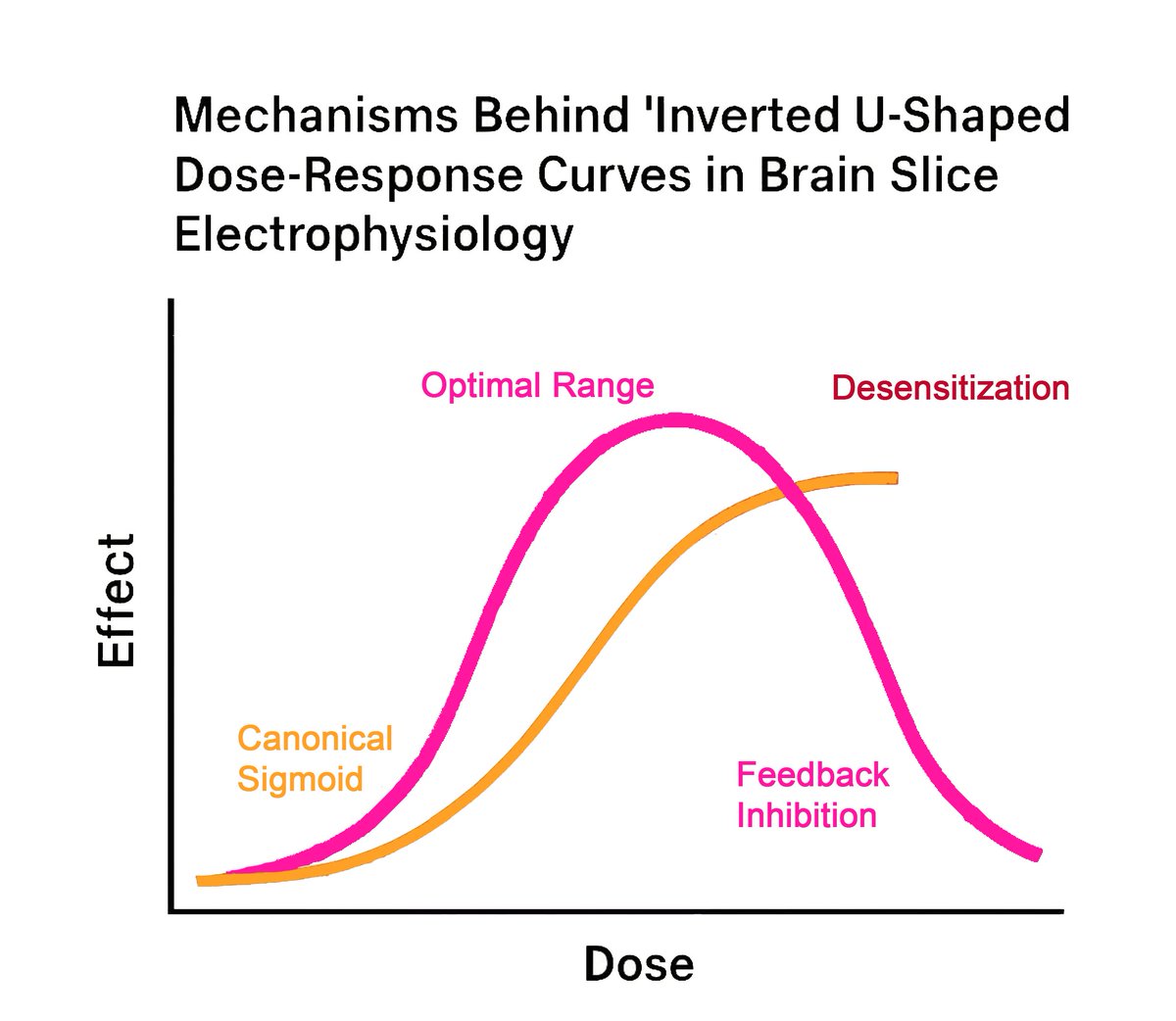
Why do some compounds show bell-shaped dose–responses in brain slice electrophysiology?
Mechanisms like receptor desensitization, open-channel block, feedback inhibition, and depolarization block can cause effects to peak—then decline.
Understanding the brain takes more than isolated signals—it takes context.
With OptoPath™, we combine in vivo electrophysiology with behavior (EPM, open field) to link real-time neuronal activity to functional outcomes.
🔗 https://t.co/56gtTRP15d
Better models lead to better decisions.
At Neuroservices-Alliance, we combine iPSC-derived neurons, human brain slices, and organoids to answer complex CNS and pain biology questions—while reducing reliance on animal-only approaches.