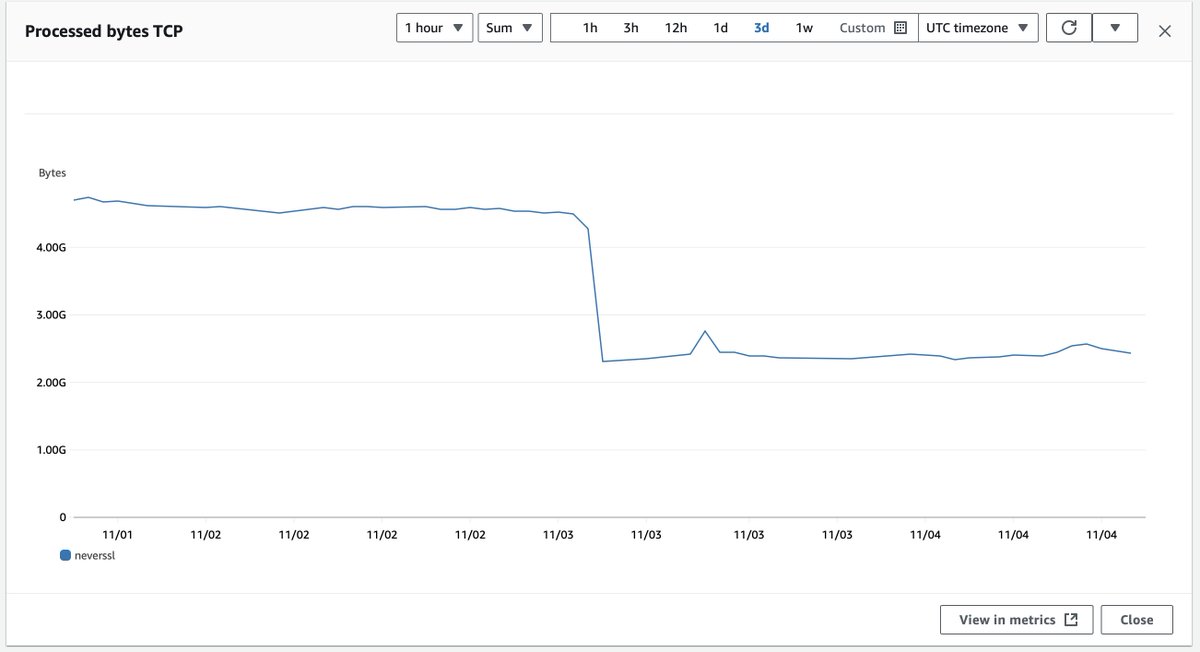
A minor little janitorial update: to save bandwidth, https://t.co/zxLmMtALBs is experimenting with returning tiny responses to a number of appliances and network monitoring systems that embedded "https://t.co/zxLmMtALBs" in their Internet reachability monitors.
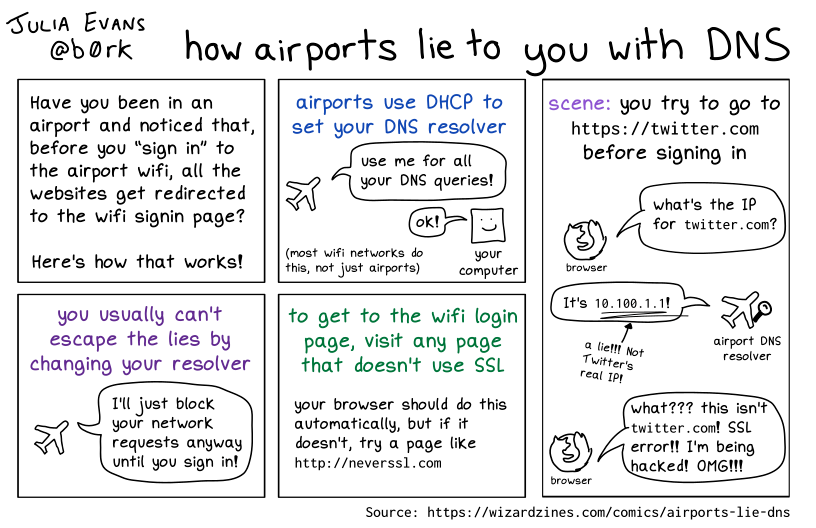
We said it would never happen ... we lied! https://t.co/zxLmMtiCnk now supports ssl, as some browsers and sites automatically use https even when you don't type that in. You get a browser-cacheable page that still helps you get online by forcing a request that ... never uses ssl.
@jacobc436 They don't mean anything :) https://t.co/ksMtDIzi5E uses them to make sure that your browser/OS/ISP have to make a fresh DNS lookup and that the page can't possibly be cached. It's unique every time.
Big News! https://t.co/zxLmMtiCnk is now using advanced cache-busting by default. Even if your browser caches the page, or if your ISP tries to, https://t.co/zxLmMtiCnk will find a way to help you out and get you online. Spread the news!
@nasko@ericlaw Let us know if the new advanced cache busting sorts you out. We've given up on headers because sometimes ISPs over-ride them! https://t.co/wQaW7Sekr2
Big News! https://t.co/zxLmMtiCnk is now using advanced cache-busting by default. Even if your browser caches the page, or if your ISP tries to, https://t.co/zxLmMtiCnk will find a way to help you out and get you online. Spread the news!
Big News! https://t.co/zxLmMtiCnk is now using advanced cache-busting by default. Even if your browser caches the page, or if your ISP tries to, https://t.co/zxLmMtiCnk will find a way to help you out and get you online. Spread the news!
Do you use https://t.co/ksMtDIQSXc to get online? Some improvements are coming soon! read about the changes, how to try them out in advance, and some more background at https://t.co/01903ufWnT