BREAKING: $AMD AMD Acquires World Labs in $8.2 Billion Deal for AI Expertise.
Stanford professor and World Labs founder Fei-Fei Li sits down with Jany Talk to break down what everyone gets wrong about AI - and why she still believes in people, not machines.
Fei-Fei Li co-created ImageNet before most of the world understood why data would matter more than algorithms. She's spent a decade building computer vision and robotics from the ground up. Now, as the founder of World Labs, she's betting on spatial intelligence as the missing piece of AGI - and she's here to tell you why almost everyone is thinking about AI wrong.
Fei-Fei Li: "AI Is a Tool, Not the World" - On Curiosity, AGI and Being Human. Full interview here:
Dow Sinks 653 Points as Brent Hits Highest Settle Since April; Cybersecurity Stocks Rally | US Market Close (Oct. 23)
· U.S. stocks fell broadly as oil surged: the Dow dropped 1.23%, the S&P 500 lost 0.52%, and the Nasdaq slipped 0.21%, with nearly three of every four S&P 500 stocks declining intraday.
· Brent crude rose 3.1% to $116.72, its highest close since April, driven by U.S.-Iran conflict fears and Houthi attacks on Saudi oil sites, intensifying inflation concerns ahead of the Fed decision.
· Cybersecurity and software outperformed as investors rotated within tech: Palo Alto Networks gained 7.2%, Cloudflare 7.4%, and Okta and CrowdStrike each rose about 6%, separating AI software from hardware spending worries.
· The Fed is the next catalyst: Wall Street expects rates steady next week but leans toward a December hike, with September PCE inflation forecast at 3.6%, well above the 2% target, while consumer sentiment held at 48.
https://t.co/NEkUwG0BiK
US Stock Pre-Market Report - October 23, 2026
•U.S. index futures were lower pre-market, with Dow Jones futures down 0.61% to 52,744, S&P 500 futures down 0.23% to 7,687.0, while Nasdaq 100 futures held near flat at 29,129.5.
•Oil prices surged on Middle East supply concerns, with Brent crude up 1.6% to $114.92 and WTI crude up 1.8% to $101.22, adding to inflation worries and pressuring equity futures.
•AI-spending concerns remain central as investors reassess data center and chip costs, with Thursday's tech selloff easing slightly but doubts persisting over whether AI capex can drive durable earnings growth.
•Earnings reactions were selective: American Express and SLB beat estimates, while Western Digital fell 6.5%, Bloom Energy dropped 4.5%, and Deckers missed sales guidance despite some headline beats.
https://t.co/qrUySI3ll3
Meta Plunges 7% as AI Spending Fears Return, Dragging Nasdaq Down 2.6% While Dow Holds Flat | US Market Close (Oct. 22)
· U.S. stocks fell Thursday as the Nasdaq Composite dropped 2.6% and the S&P 500 lost 1.21%, while the Dow edged up 0.02% on non-tech strength.
· Meta Platforms fell nearly 7% despite a revenue beat, as capital spending reached $34.91 billion and free cash flow turned negative, reigniting AI cost concerns.
· The Philadelphia Semiconductor Index fell as much as 5.6%, its lowest since July 29, putting over $616 billion of market value at risk.
· Brent crude climbed above $111 a barrel adding inflation pressure, while Gold dropped more than 2% at midday amid rotation into defensive names.
https://t.co/jLF9pmAvmF
The most important number today isn’t the $750B wiped out. It’s the 10-year yield falling to 5.00% while oil spiked to $113. Last week, oil up meant yields up and hike fears. Today, oil up means yields down. The market just switched from fearing inflation to fearing growth, and that changes what the Fed does next. https://t.co/NNTXrKtnrW
“Black Thursday” Has a Hidden Signal. Watch the Bond Market, Not the Losses.
$750 billion gone from US stocks at the open. Nasdaq futures down more than 2%. Asia shed nearly $1 trillion. The Fear & Greed Index at 20, extreme fear. $NVDA, $META and $AMZN down 2–6%.
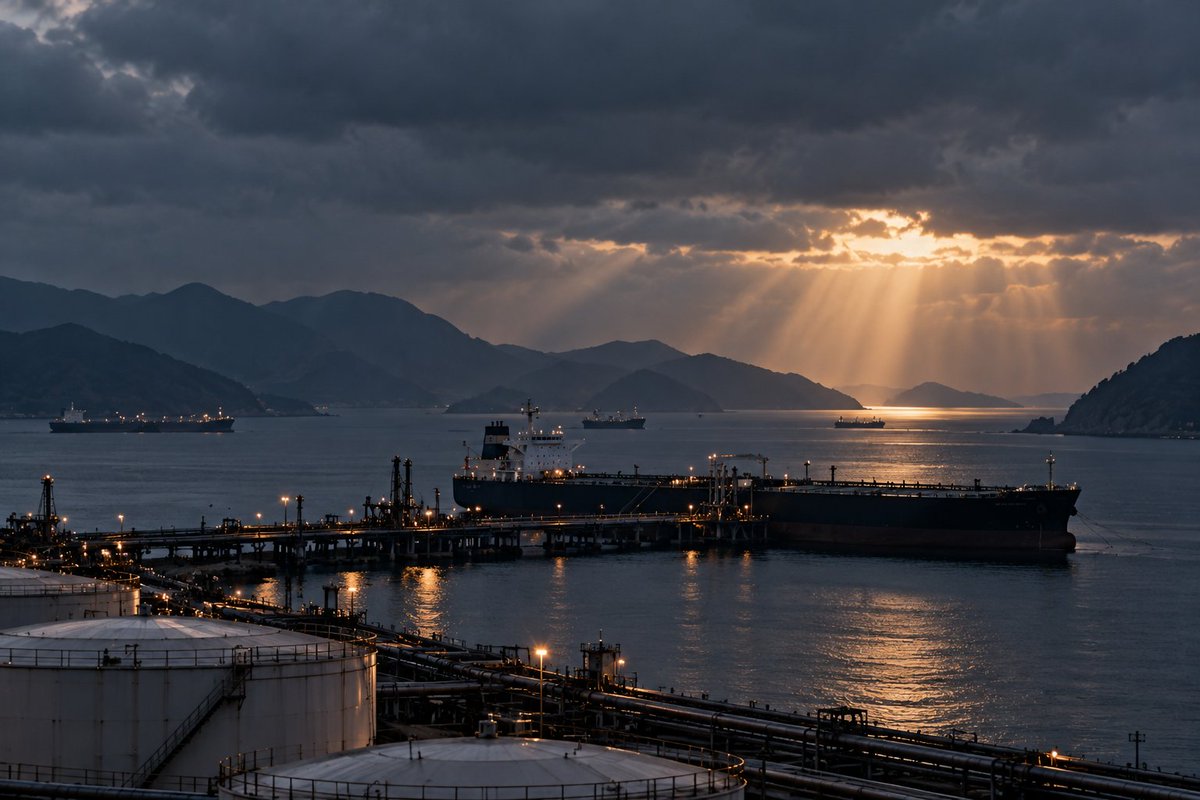
The trigger is clear. President Trump said the US is not negotiating with Iran and suggested action could come soon, and oil surged to around $113. That’s back near the highest level of this war. Since the strikes on Iran in February and the closure of the Strait of Hormuz, oil has been the single variable driving this market.
But the most important move today wasn’t in stocks.
The bond market flipped. The 10-year Treasury yield fell to 5.00%, the lowest since late September. Remember what happened during CPI week: hotter inflation pushed yields higher and revived rate-hike fears. Oil up meant yields up. Today, oil spiked and yields fell.
That’s a regime change in what the market fears:
Before: oil → inflation → Fed hikes → higher yields → tech sells off.
Now: oil → growth shock → recession risk → money runs to bonds.
When investors buy Treasuries while oil is spiking, they’re saying the bigger danger is economic damage, not inflation.
Why that matters. A growth scare is ugly for stocks in the short run. But it also makes a Fed rate hike much harder to justify. The 10-year hit 5.2% in September, its highest since 2007, and that pressure on valuations is now easing. If yields keep falling, the rate headwind that hammered long-duration tech for two months starts to fade.
Why Asia got hit hardest. The pattern hasn’t changed. Korea is down about 40% from its June peak, the most crowded AI trade in the world, and crowded trades break first when fear spikes. Add “costly AI” anxiety after a week of massive capex numbers from Meta and Tesla, and AI-heavy markets carry a double hit: geopolitics and spending fears together.
What extreme fear does and doesn’t tell you. A Fear & Greed reading near 20 has often shown up near short-term lows, because forced and emotional selling eventually exhausts itself. But it’s not a timing tool in a war-driven market. If the Strait of Hormuz situation escalates further, fear can stay extreme for a while.
What to watch from here.
Oil. Still the master variable. Any credible de-escalation pulls crude down fast, and with it the whole chain.
The 10-year. If yields keep falling while stocks fall, it’s a growth scare. If yields reverse higher alongside oil, the inflation and hike fear is back, and that’s the worse combination for tech.
Energy and defense. $XLE is the obvious hedge while the war premium stays in oil.
Bottom line: today looks like panic, but the bond market is sending a more nuanced message. Fear shifted from inflation to growth, which hurts now but takes away one of the biggest pressures on tech valuations. The direction from here is set in the Strait of Hormuz, not on the Nasdaq.
Stocks are panicking. Bonds are thinking. Follow the bonds.
The most important number today isn’t the $750B wiped out. It’s the 10-year yield falling to 5.00% while oil spiked to $113. Last week, oil up meant yields up and hike fears. Today, oil up means yields down. The market just switched from fearing inflation to fearing growth, and that changes what the Fed does next. https://t.co/NNTXrKtnrW
“Black Thursday” Has a Hidden Signal. Watch the Bond Market, Not the Losses.
$750 billion gone from US stocks at the open. Nasdaq futures down more than 2%. Asia shed nearly $1 trillion. The Fear & Greed Index at 20, extreme fear. $NVDA, $META and $AMZN down 2–6%.
The trigger is clear. President Trump said the US is not negotiating with Iran and suggested action could come soon, and oil surged to around $113. That’s back near the highest level of this war. Since the strikes on Iran in February and the closure of the Strait of Hormuz, oil has been the single variable driving this market.
But the most important move today wasn’t in stocks.
The bond market flipped. The 10-year Treasury yield fell to 5.00%, the lowest since late September. Remember what happened during CPI week: hotter inflation pushed yields higher and revived rate-hike fears. Oil up meant yields up. Today, oil spiked and yields fell.
That’s a regime change in what the market fears:
Before: oil → inflation → Fed hikes → higher yields → tech sells off.
Now: oil → growth shock → recession risk → money runs to bonds.
When investors buy Treasuries while oil is spiking, they’re saying the bigger danger is economic damage, not inflation.
Why that matters. A growth scare is ugly for stocks in the short run. But it also makes a Fed rate hike much harder to justify. The 10-year hit 5.2% in September, its highest since 2007, and that pressure on valuations is now easing. If yields keep falling, the rate headwind that hammered long-duration tech for two months starts to fade.
Why Asia got hit hardest. The pattern hasn’t changed. Korea is down about 40% from its June peak, the most crowded AI trade in the world, and crowded trades break first when fear spikes. Add “costly AI” anxiety after a week of massive capex numbers from Meta and Tesla, and AI-heavy markets carry a double hit: geopolitics and spending fears together.
What extreme fear does and doesn’t tell you. A Fear & Greed reading near 20 has often shown up near short-term lows, because forced and emotional selling eventually exhausts itself. But it’s not a timing tool in a war-driven market. If the Strait of Hormuz situation escalates further, fear can stay extreme for a while.
What to watch from here.
Oil. Still the master variable. Any credible de-escalation pulls crude down fast, and with it the whole chain.
The 10-year. If yields keep falling while stocks fall, it’s a growth scare. If yields reverse higher alongside oil, the inflation and hike fear is back, and that’s the worse combination for tech.
Energy and defense. $XLE is the obvious hedge while the war premium stays in oil.
Bottom line: today looks like panic, but the bond market is sending a more nuanced message. Fear shifted from inflation to growth, which hurts now but takes away one of the biggest pressures on tech valuations. The direction from here is set in the Strait of Hormuz, not on the Nasdaq.
Stocks are panicking. Bonds are thinking. Follow the bonds.
The most important number today isn’t the $750B wiped out. It’s the 10-year yield falling to 5.00% while oil spiked to $113. Last week, oil up meant yields up and hike fears. Today, oil up means yields down. The market just switched from fearing inflation to fearing growth, and that changes what the Fed does next. https://t.co/NNTXrKtnrW
“Black Thursday” Has a Hidden Signal. Watch the Bond Market, Not the Losses.
$750 billion gone from US stocks at the open. Nasdaq futures down more than 2%. Asia shed nearly $1 trillion. The Fear & Greed Index at 20, extreme fear. $NVDA, $META and $AMZN down 2–6%.
The trigger is clear. President Trump said the US is not negotiating with Iran and suggested action could come soon, and oil surged to around $113. That’s back near the highest level of this war. Since the strikes on Iran in February and the closure of the Strait of Hormuz, oil has been the single variable driving this market.
But the most important move today wasn’t in stocks.
The bond market flipped. The 10-year Treasury yield fell to 5.00%, the lowest since late September. Remember what happened during CPI week: hotter inflation pushed yields higher and revived rate-hike fears. Oil up meant yields up. Today, oil spiked and yields fell.
That’s a regime change in what the market fears:
Before: oil → inflation → Fed hikes → higher yields → tech sells off.
Now: oil → growth shock → recession risk → money runs to bonds.
When investors buy Treasuries while oil is spiking, they’re saying the bigger danger is economic damage, not inflation.
Why that matters. A growth scare is ugly for stocks in the short run. But it also makes a Fed rate hike much harder to justify. The 10-year hit 5.2% in September, its highest since 2007, and that pressure on valuations is now easing. If yields keep falling, the rate headwind that hammered long-duration tech for two months starts to fade.
Why Asia got hit hardest. The pattern hasn’t changed. Korea is down about 40% from its June peak, the most crowded AI trade in the world, and crowded trades break first when fear spikes. Add “costly AI” anxiety after a week of massive capex numbers from Meta and Tesla, and AI-heavy markets carry a double hit: geopolitics and spending fears together.
What extreme fear does and doesn’t tell you. A Fear & Greed reading near 20 has often shown up near short-term lows, because forced and emotional selling eventually exhausts itself. But it’s not a timing tool in a war-driven market. If the Strait of Hormuz situation escalates further, fear can stay extreme for a while.
What to watch from here.
Oil. Still the master variable. Any credible de-escalation pulls crude down fast, and with it the whole chain.
The 10-year. If yields keep falling while stocks fall, it’s a growth scare. If yields reverse higher alongside oil, the inflation and hike fear is back, and that’s the worse combination for tech.
Energy and defense. $XLE is the obvious hedge while the war premium stays in oil.
Bottom line: today looks like panic, but the bond market is sending a more nuanced message. Fear shifted from inflation to growth, which hurts now but takes away one of the biggest pressures on tech valuations. The direction from here is set in the Strait of Hormuz, not on the Nasdaq.
Stocks are panicking. Bonds are thinking. Follow the bonds.
The most important number today isn’t the $750B wiped out. It’s the 10-year yield falling to 5.00% while oil spiked to $113. Last week, oil up meant yields up and hike fears. Today, oil up means yields down. The market just switched from fearing inflation to fearing growth, and that changes what the Fed does next. https://t.co/NNTXrKtnrW
“Black Thursday” Has a Hidden Signal. Watch the Bond Market, Not the Losses.
$750 billion gone from US stocks at the open. Nasdaq futures down more than 2%. Asia shed nearly $1 trillion. The Fear & Greed Index at 20, extreme fear. $NVDA, $META and $AMZN down 2–6%.
The trigger is clear. President Trump said the US is not negotiating with Iran and suggested action could come soon, and oil surged to around $113. That’s back near the highest level of this war. Since the strikes on Iran in February and the closure of the Strait of Hormuz, oil has been the single variable driving this market.
But the most important move today wasn’t in stocks.
The bond market flipped. The 10-year Treasury yield fell to 5.00%, the lowest since late September. Remember what happened during CPI week: hotter inflation pushed yields higher and revived rate-hike fears. Oil up meant yields up. Today, oil spiked and yields fell.
That’s a regime change in what the market fears:
Before: oil → inflation → Fed hikes → higher yields → tech sells off.
Now: oil → growth shock → recession risk → money runs to bonds.
When investors buy Treasuries while oil is spiking, they’re saying the bigger danger is economic damage, not inflation.
Why that matters. A growth scare is ugly for stocks in the short run. But it also makes a Fed rate hike much harder to justify. The 10-year hit 5.2% in September, its highest since 2007, and that pressure on valuations is now easing. If yields keep falling, the rate headwind that hammered long-duration tech for two months starts to fade.
Why Asia got hit hardest. The pattern hasn’t changed. Korea is down about 40% from its June peak, the most crowded AI trade in the world, and crowded trades break first when fear spikes. Add “costly AI” anxiety after a week of massive capex numbers from Meta and Tesla, and AI-heavy markets carry a double hit: geopolitics and spending fears together.
What extreme fear does and doesn’t tell you. A Fear & Greed reading near 20 has often shown up near short-term lows, because forced and emotional selling eventually exhausts itself. But it’s not a timing tool in a war-driven market. If the Strait of Hormuz situation escalates further, fear can stay extreme for a while.
What to watch from here.
Oil. Still the master variable. Any credible de-escalation pulls crude down fast, and with it the whole chain.
The 10-year. If yields keep falling while stocks fall, it’s a growth scare. If yields reverse higher alongside oil, the inflation and hike fear is back, and that’s the worse combination for tech.
Energy and defense. $XLE is the obvious hedge while the war premium stays in oil.
Bottom line: today looks like panic, but the bond market is sending a more nuanced message. Fear shifted from inflation to growth, which hurts now but takes away one of the biggest pressures on tech valuations. The direction from here is set in the Strait of Hormuz, not on the Nasdaq.
Stocks are panicking. Bonds are thinking. Follow the bonds.
The most important number today isn’t the $750B wiped out. It’s the 10-year yield falling to 5.00% while oil spiked to $113. Last week, oil up meant yields up and hike fears. Today, oil up means yields down. The market just switched from fearing inflation to fearing growth, and that changes what the Fed does next. https://t.co/NNTXrKtnrW
“Black Thursday” Has a Hidden Signal. Watch the Bond Market, Not the Losses.
$750 billion gone from US stocks at the open. Nasdaq futures down more than 2%. Asia shed nearly $1 trillion. The Fear & Greed Index at 20, extreme fear. $NVDA, $META and $AMZN down 2–6%.
The trigger is clear. President Trump said the US is not negotiating with Iran and suggested action could come soon, and oil surged to around $113. That’s back near the highest level of this war. Since the strikes on Iran in February and the closure of the Strait of Hormuz, oil has been the single variable driving this market.
But the most important move today wasn’t in stocks.
The bond market flipped. The 10-year Treasury yield fell to 5.00%, the lowest since late September. Remember what happened during CPI week: hotter inflation pushed yields higher and revived rate-hike fears. Oil up meant yields up. Today, oil spiked and yields fell.
That’s a regime change in what the market fears:
Before: oil → inflation → Fed hikes → higher yields → tech sells off.
Now: oil → growth shock → recession risk → money runs to bonds.
When investors buy Treasuries while oil is spiking, they’re saying the bigger danger is economic damage, not inflation.
Why that matters. A growth scare is ugly for stocks in the short run. But it also makes a Fed rate hike much harder to justify. The 10-year hit 5.2% in September, its highest since 2007, and that pressure on valuations is now easing. If yields keep falling, the rate headwind that hammered long-duration tech for two months starts to fade.
Why Asia got hit hardest. The pattern hasn’t changed. Korea is down about 40% from its June peak, the most crowded AI trade in the world, and crowded trades break first when fear spikes. Add “costly AI” anxiety after a week of massive capex numbers from Meta and Tesla, and AI-heavy markets carry a double hit: geopolitics and spending fears together.
What extreme fear does and doesn’t tell you. A Fear & Greed reading near 20 has often shown up near short-term lows, because forced and emotional selling eventually exhausts itself. But it’s not a timing tool in a war-driven market. If the Strait of Hormuz situation escalates further, fear can stay extreme for a while.
What to watch from here.
Oil. Still the master variable. Any credible de-escalation pulls crude down fast, and with it the whole chain.
The 10-year. If yields keep falling while stocks fall, it’s a growth scare. If yields reverse higher alongside oil, the inflation and hike fear is back, and that’s the worse combination for tech.
Energy and defense. $XLE is the obvious hedge while the war premium stays in oil.
Bottom line: today looks like panic, but the bond market is sending a more nuanced message. Fear shifted from inflation to growth, which hurts now but takes away one of the biggest pressures on tech valuations. The direction from here is set in the Strait of Hormuz, not on the Nasdaq.
Stocks are panicking. Bonds are thinking. Follow the bonds.
The most important number today isn’t the $750B wiped out. It’s the 10-year yield falling to 5.00% while oil spiked to $113. Last week, oil up meant yields up and hike fears. Today, oil up means yields down. The market just switched from fearing inflation to fearing growth, and that changes what the Fed does next. https://t.co/NNTXrKtnrW
“Black Thursday” Has a Hidden Signal. Watch the Bond Market, Not the Losses.
$750 billion gone from US stocks at the open. Nasdaq futures down more than 2%. Asia shed nearly $1 trillion. The Fear & Greed Index at 20, extreme fear. $NVDA, $META and $AMZN down 2–6%.
The trigger is clear. President Trump said the US is not negotiating with Iran and suggested action could come soon, and oil surged to around $113. That’s back near the highest level of this war. Since the strikes on Iran in February and the closure of the Strait of Hormuz, oil has been the single variable driving this market.
But the most important move today wasn’t in stocks.
The bond market flipped. The 10-year Treasury yield fell to 5.00%, the lowest since late September. Remember what happened during CPI week: hotter inflation pushed yields higher and revived rate-hike fears. Oil up meant yields up. Today, oil spiked and yields fell.
That’s a regime change in what the market fears:
Before: oil → inflation → Fed hikes → higher yields → tech sells off.
Now: oil → growth shock → recession risk → money runs to bonds.
When investors buy Treasuries while oil is spiking, they’re saying the bigger danger is economic damage, not inflation.
Why that matters. A growth scare is ugly for stocks in the short run. But it also makes a Fed rate hike much harder to justify. The 10-year hit 5.2% in September, its highest since 2007, and that pressure on valuations is now easing. If yields keep falling, the rate headwind that hammered long-duration tech for two months starts to fade.
Why Asia got hit hardest. The pattern hasn’t changed. Korea is down about 40% from its June peak, the most crowded AI trade in the world, and crowded trades break first when fear spikes. Add “costly AI” anxiety after a week of massive capex numbers from Meta and Tesla, and AI-heavy markets carry a double hit: geopolitics and spending fears together.
What extreme fear does and doesn’t tell you. A Fear & Greed reading near 20 has often shown up near short-term lows, because forced and emotional selling eventually exhausts itself. But it’s not a timing tool in a war-driven market. If the Strait of Hormuz situation escalates further, fear can stay extreme for a while.
What to watch from here.
Oil. Still the master variable. Any credible de-escalation pulls crude down fast, and with it the whole chain.
The 10-year. If yields keep falling while stocks fall, it’s a growth scare. If yields reverse higher alongside oil, the inflation and hike fear is back, and that’s the worse combination for tech.
Energy and defense. $XLE is the obvious hedge while the war premium stays in oil.
Bottom line: today looks like panic, but the bond market is sending a more nuanced message. Fear shifted from inflation to growth, which hurts now but takes away one of the biggest pressures on tech valuations. The direction from here is set in the Strait of Hormuz, not on the Nasdaq.
Stocks are panicking. Bonds are thinking. Follow the bonds.
The most important number today isn’t the $750B wiped out. It’s the 10-year yield falling to 5.00% while oil spiked to $113. Last week, oil up meant yields up and hike fears. Today, oil up means yields down. The market just switched from fearing inflation to fearing growth, and that changes what the Fed does next. https://t.co/NNTXrKtnrW
“Black Thursday” Has a Hidden Signal. Watch the Bond Market, Not the Losses.
$750 billion gone from US stocks at the open. Nasdaq futures down more than 2%. Asia shed nearly $1 trillion. The Fear & Greed Index at 20, extreme fear. $NVDA, $META and $AMZN down 2–6%.
The trigger is clear. President Trump said the US is not negotiating with Iran and suggested action could come soon, and oil surged to around $113. That’s back near the highest level of this war. Since the strikes on Iran in February and the closure of the Strait of Hormuz, oil has been the single variable driving this market.
But the most important move today wasn’t in stocks.
The bond market flipped. The 10-year Treasury yield fell to 5.00%, the lowest since late September. Remember what happened during CPI week: hotter inflation pushed yields higher and revived rate-hike fears. Oil up meant yields up. Today, oil spiked and yields fell.
That’s a regime change in what the market fears:
Before: oil → inflation → Fed hikes → higher yields → tech sells off.
Now: oil → growth shock → recession risk → money runs to bonds.
When investors buy Treasuries while oil is spiking, they’re saying the bigger danger is economic damage, not inflation.
Why that matters. A growth scare is ugly for stocks in the short run. But it also makes a Fed rate hike much harder to justify. The 10-year hit 5.2% in September, its highest since 2007, and that pressure on valuations is now easing. If yields keep falling, the rate headwind that hammered long-duration tech for two months starts to fade.
Why Asia got hit hardest. The pattern hasn’t changed. Korea is down about 40% from its June peak, the most crowded AI trade in the world, and crowded trades break first when fear spikes. Add “costly AI” anxiety after a week of massive capex numbers from Meta and Tesla, and AI-heavy markets carry a double hit: geopolitics and spending fears together.
What extreme fear does and doesn’t tell you. A Fear & Greed reading near 20 has often shown up near short-term lows, because forced and emotional selling eventually exhausts itself. But it’s not a timing tool in a war-driven market. If the Strait of Hormuz situation escalates further, fear can stay extreme for a while.
What to watch from here.
Oil. Still the master variable. Any credible de-escalation pulls crude down fast, and with it the whole chain.
The 10-year. If yields keep falling while stocks fall, it’s a growth scare. If yields reverse higher alongside oil, the inflation and hike fear is back, and that’s the worse combination for tech.
Energy and defense. $XLE is the obvious hedge while the war premium stays in oil.
Bottom line: today looks like panic, but the bond market is sending a more nuanced message. Fear shifted from inflation to growth, which hurts now but takes away one of the biggest pressures on tech valuations. The direction from here is set in the Strait of Hormuz, not on the Nasdaq.
Stocks are panicking. Bonds are thinking. Follow the bonds.
The most important number today isn’t the $750B wiped out. It’s the 10-year yield falling to 5.00% while oil spiked to $113. Last week, oil up meant yields up and hike fears. Today, oil up means yields down. The market just switched from fearing inflation to fearing growth, and that changes what the Fed does next. https://t.co/NNTXrKtnrW
“Black Thursday” Has a Hidden Signal. Watch the Bond Market, Not the Losses.
$750 billion gone from US stocks at the open. Nasdaq futures down more than 2%. Asia shed nearly $1 trillion. The Fear & Greed Index at 20, extreme fear. $NVDA, $META and $AMZN down 2–6%.
The trigger is clear. President Trump said the US is not negotiating with Iran and suggested action could come soon, and oil surged to around $113. That’s back near the highest level of this war. Since the strikes on Iran in February and the closure of the Strait of Hormuz, oil has been the single variable driving this market.
But the most important move today wasn’t in stocks.
The bond market flipped. The 10-year Treasury yield fell to 5.00%, the lowest since late September. Remember what happened during CPI week: hotter inflation pushed yields higher and revived rate-hike fears. Oil up meant yields up. Today, oil spiked and yields fell.
That’s a regime change in what the market fears:
Before: oil → inflation → Fed hikes → higher yields → tech sells off.
Now: oil → growth shock → recession risk → money runs to bonds.
When investors buy Treasuries while oil is spiking, they’re saying the bigger danger is economic damage, not inflation.
Why that matters. A growth scare is ugly for stocks in the short run. But it also makes a Fed rate hike much harder to justify. The 10-year hit 5.2% in September, its highest since 2007, and that pressure on valuations is now easing. If yields keep falling, the rate headwind that hammered long-duration tech for two months starts to fade.
Why Asia got hit hardest. The pattern hasn’t changed. Korea is down about 40% from its June peak, the most crowded AI trade in the world, and crowded trades break first when fear spikes. Add “costly AI” anxiety after a week of massive capex numbers from Meta and Tesla, and AI-heavy markets carry a double hit: geopolitics and spending fears together.
What extreme fear does and doesn’t tell you. A Fear & Greed reading near 20 has often shown up near short-term lows, because forced and emotional selling eventually exhausts itself. But it’s not a timing tool in a war-driven market. If the Strait of Hormuz situation escalates further, fear can stay extreme for a while.
What to watch from here.
Oil. Still the master variable. Any credible de-escalation pulls crude down fast, and with it the whole chain.
The 10-year. If yields keep falling while stocks fall, it’s a growth scare. If yields reverse higher alongside oil, the inflation and hike fear is back, and that’s the worse combination for tech.
Energy and defense. $XLE is the obvious hedge while the war premium stays in oil.
Bottom line: today looks like panic, but the bond market is sending a more nuanced message. Fear shifted from inflation to growth, which hurts now but takes away one of the biggest pressures on tech valuations. The direction from here is set in the Strait of Hormuz, not on the Nasdaq.
Stocks are panicking. Bonds are thinking. Follow the bonds.
The most important number today isn’t the $750B wiped out. It’s the 10-year yield falling to 5.00% while oil spiked to $113. Last week, oil up meant yields up and hike fears. Today, oil up means yields down. The market just switched from fearing inflation to fearing growth, and that changes what the Fed does next. https://t.co/NNTXrKtnrW
“Black Thursday” Has a Hidden Signal. Watch the Bond Market, Not the Losses.
$750 billion gone from US stocks at the open. Nasdaq futures down more than 2%. Asia shed nearly $1 trillion. The Fear & Greed Index at 20, extreme fear. $NVDA, $META and $AMZN down 2–6%.
The trigger is clear. President Trump said the US is not negotiating with Iran and suggested action could come soon, and oil surged to around $113. That’s back near the highest level of this war. Since the strikes on Iran in February and the closure of the Strait of Hormuz, oil has been the single variable driving this market.
But the most important move today wasn’t in stocks.
The bond market flipped. The 10-year Treasury yield fell to 5.00%, the lowest since late September. Remember what happened during CPI week: hotter inflation pushed yields higher and revived rate-hike fears. Oil up meant yields up. Today, oil spiked and yields fell.
That’s a regime change in what the market fears:
Before: oil → inflation → Fed hikes → higher yields → tech sells off.
Now: oil → growth shock → recession risk → money runs to bonds.
When investors buy Treasuries while oil is spiking, they’re saying the bigger danger is economic damage, not inflation.
Why that matters. A growth scare is ugly for stocks in the short run. But it also makes a Fed rate hike much harder to justify. The 10-year hit 5.2% in September, its highest since 2007, and that pressure on valuations is now easing. If yields keep falling, the rate headwind that hammered long-duration tech for two months starts to fade.
Why Asia got hit hardest. The pattern hasn’t changed. Korea is down about 40% from its June peak, the most crowded AI trade in the world, and crowded trades break first when fear spikes. Add “costly AI” anxiety after a week of massive capex numbers from Meta and Tesla, and AI-heavy markets carry a double hit: geopolitics and spending fears together.
What extreme fear does and doesn’t tell you. A Fear & Greed reading near 20 has often shown up near short-term lows, because forced and emotional selling eventually exhausts itself. But it’s not a timing tool in a war-driven market. If the Strait of Hormuz situation escalates further, fear can stay extreme for a while.
What to watch from here.
Oil. Still the master variable. Any credible de-escalation pulls crude down fast, and with it the whole chain.
The 10-year. If yields keep falling while stocks fall, it’s a growth scare. If yields reverse higher alongside oil, the inflation and hike fear is back, and that’s the worse combination for tech.
Energy and defense. $XLE is the obvious hedge while the war premium stays in oil.
Bottom line: today looks like panic, but the bond market is sending a more nuanced message. Fear shifted from inflation to growth, which hurts now but takes away one of the biggest pressures on tech valuations. The direction from here is set in the Strait of Hormuz, not on the Nasdaq.
Stocks are panicking. Bonds are thinking. Follow the bonds.
The most important number today isn’t the $750B wiped out. It’s the 10-year yield falling to 5.00% while oil spiked to $113. Last week, oil up meant yields up and hike fears. Today, oil up means yields down. The market just switched from fearing inflation to fearing growth, and that changes what the Fed does next. https://t.co/NNTXrKtnrW
“Black Thursday” Has a Hidden Signal. Watch the Bond Market, Not the Losses.
$750 billion gone from US stocks at the open. Nasdaq futures down more than 2%. Asia shed nearly $1 trillion. The Fear & Greed Index at 20, extreme fear. $NVDA, $META and $AMZN down 2–6%.
The trigger is clear. President Trump said the US is not negotiating with Iran and suggested action could come soon, and oil surged to around $113. That’s back near the highest level of this war. Since the strikes on Iran in February and the closure of the Strait of Hormuz, oil has been the single variable driving this market.
But the most important move today wasn’t in stocks.
The bond market flipped. The 10-year Treasury yield fell to 5.00%, the lowest since late September. Remember what happened during CPI week: hotter inflation pushed yields higher and revived rate-hike fears. Oil up meant yields up. Today, oil spiked and yields fell.
That’s a regime change in what the market fears:
Before: oil → inflation → Fed hikes → higher yields → tech sells off.
Now: oil → growth shock → recession risk → money runs to bonds.
When investors buy Treasuries while oil is spiking, they’re saying the bigger danger is economic damage, not inflation.
Why that matters. A growth scare is ugly for stocks in the short run. But it also makes a Fed rate hike much harder to justify. The 10-year hit 5.2% in September, its highest since 2007, and that pressure on valuations is now easing. If yields keep falling, the rate headwind that hammered long-duration tech for two months starts to fade.
Why Asia got hit hardest. The pattern hasn’t changed. Korea is down about 40% from its June peak, the most crowded AI trade in the world, and crowded trades break first when fear spikes. Add “costly AI” anxiety after a week of massive capex numbers from Meta and Tesla, and AI-heavy markets carry a double hit: geopolitics and spending fears together.
What extreme fear does and doesn’t tell you. A Fear & Greed reading near 20 has often shown up near short-term lows, because forced and emotional selling eventually exhausts itself. But it’s not a timing tool in a war-driven market. If the Strait of Hormuz situation escalates further, fear can stay extreme for a while.
What to watch from here.
Oil. Still the master variable. Any credible de-escalation pulls crude down fast, and with it the whole chain.
The 10-year. If yields keep falling while stocks fall, it’s a growth scare. If yields reverse higher alongside oil, the inflation and hike fear is back, and that’s the worse combination for tech.
Energy and defense. $XLE is the obvious hedge while the war premium stays in oil.
Bottom line: today looks like panic, but the bond market is sending a more nuanced message. Fear shifted from inflation to growth, which hurts now but takes away one of the biggest pressures on tech valuations. The direction from here is set in the Strait of Hormuz, not on the Nasdaq.
Stocks are panicking. Bonds are thinking. Follow the bonds.
The most important number today isn’t the $750B wiped out. It’s the 10-year yield falling to 5.00% while oil spiked to $113. Last week, oil up meant yields up and hike fears. Today, oil up means yields down. The market just switched from fearing inflation to fearing growth, and that changes what the Fed does next. https://t.co/NNTXrKtnrW
“Black Thursday” Has a Hidden Signal. Watch the Bond Market, Not the Losses.
$750 billion gone from US stocks at the open. Nasdaq futures down more than 2%. Asia shed nearly $1 trillion. The Fear & Greed Index at 20, extreme fear. $NVDA, $META and $AMZN down 2–6%.
The trigger is clear. President Trump said the US is not negotiating with Iran and suggested action could come soon, and oil surged to around $113. That’s back near the highest level of this war. Since the strikes on Iran in February and the closure of the Strait of Hormuz, oil has been the single variable driving this market.
But the most important move today wasn’t in stocks.
The bond market flipped. The 10-year Treasury yield fell to 5.00%, the lowest since late September. Remember what happened during CPI week: hotter inflation pushed yields higher and revived rate-hike fears. Oil up meant yields up. Today, oil spiked and yields fell.
That’s a regime change in what the market fears:
Before: oil → inflation → Fed hikes → higher yields → tech sells off.
Now: oil → growth shock → recession risk → money runs to bonds.
When investors buy Treasuries while oil is spiking, they’re saying the bigger danger is economic damage, not inflation.
Why that matters. A growth scare is ugly for stocks in the short run. But it also makes a Fed rate hike much harder to justify. The 10-year hit 5.2% in September, its highest since 2007, and that pressure on valuations is now easing. If yields keep falling, the rate headwind that hammered long-duration tech for two months starts to fade.
Why Asia got hit hardest. The pattern hasn’t changed. Korea is down about 40% from its June peak, the most crowded AI trade in the world, and crowded trades break first when fear spikes. Add “costly AI” anxiety after a week of massive capex numbers from Meta and Tesla, and AI-heavy markets carry a double hit: geopolitics and spending fears together.
What extreme fear does and doesn’t tell you. A Fear & Greed reading near 20 has often shown up near short-term lows, because forced and emotional selling eventually exhausts itself. But it’s not a timing tool in a war-driven market. If the Strait of Hormuz situation escalates further, fear can stay extreme for a while.
What to watch from here.
Oil. Still the master variable. Any credible de-escalation pulls crude down fast, and with it the whole chain.
The 10-year. If yields keep falling while stocks fall, it’s a growth scare. If yields reverse higher alongside oil, the inflation and hike fear is back, and that’s the worse combination for tech.
Energy and defense. $XLE is the obvious hedge while the war premium stays in oil.
Bottom line: today looks like panic, but the bond market is sending a more nuanced message. Fear shifted from inflation to growth, which hurts now but takes away one of the biggest pressures on tech valuations. The direction from here is set in the Strait of Hormuz, not on the Nasdaq.
Stocks are panicking. Bonds are thinking. Follow the bonds.
The most important number today isn’t the $750B wiped out. It’s the 10-year yield falling to 5.00% while oil spiked to $113. Last week, oil up meant yields up and hike fears. Today, oil up means yields down. The market just switched from fearing inflation to fearing growth, and that changes what the Fed does next. https://t.co/NNTXrKtnrW
“Black Thursday” Has a Hidden Signal. Watch the Bond Market, Not the Losses.
$750 billion gone from US stocks at the open. Nasdaq futures down more than 2%. Asia shed nearly $1 trillion. The Fear & Greed Index at 20, extreme fear. $NVDA, $META and $AMZN down 2–6%.
The trigger is clear. President Trump said the US is not negotiating with Iran and suggested action could come soon, and oil surged to around $113. That’s back near the highest level of this war. Since the strikes on Iran in February and the closure of the Strait of Hormuz, oil has been the single variable driving this market.
But the most important move today wasn’t in stocks.
The bond market flipped. The 10-year Treasury yield fell to 5.00%, the lowest since late September. Remember what happened during CPI week: hotter inflation pushed yields higher and revived rate-hike fears. Oil up meant yields up. Today, oil spiked and yields fell.
That’s a regime change in what the market fears:
Before: oil → inflation → Fed hikes → higher yields → tech sells off.
Now: oil → growth shock → recession risk → money runs to bonds.
When investors buy Treasuries while oil is spiking, they’re saying the bigger danger is economic damage, not inflation.
Why that matters. A growth scare is ugly for stocks in the short run. But it also makes a Fed rate hike much harder to justify. The 10-year hit 5.2% in September, its highest since 2007, and that pressure on valuations is now easing. If yields keep falling, the rate headwind that hammered long-duration tech for two months starts to fade.
Why Asia got hit hardest. The pattern hasn’t changed. Korea is down about 40% from its June peak, the most crowded AI trade in the world, and crowded trades break first when fear spikes. Add “costly AI” anxiety after a week of massive capex numbers from Meta and Tesla, and AI-heavy markets carry a double hit: geopolitics and spending fears together.
What extreme fear does and doesn’t tell you. A Fear & Greed reading near 20 has often shown up near short-term lows, because forced and emotional selling eventually exhausts itself. But it’s not a timing tool in a war-driven market. If the Strait of Hormuz situation escalates further, fear can stay extreme for a while.
What to watch from here.
Oil. Still the master variable. Any credible de-escalation pulls crude down fast, and with it the whole chain.
The 10-year. If yields keep falling while stocks fall, it’s a growth scare. If yields reverse higher alongside oil, the inflation and hike fear is back, and that’s the worse combination for tech.
Energy and defense. $XLE is the obvious hedge while the war premium stays in oil.
Bottom line: today looks like panic, but the bond market is sending a more nuanced message. Fear shifted from inflation to growth, which hurts now but takes away one of the biggest pressures on tech valuations. The direction from here is set in the Strait of Hormuz, not on the Nasdaq.
Stocks are panicking. Bonds are thinking. Follow the bonds.
The most important number today isn’t the $750B wiped out. It’s the 10-year yield falling to 5.00% while oil spiked to $113. Last week, oil up meant yields up and hike fears. Today, oil up means yields down. The market just switched from fearing inflation to fearing growth, and that changes what the Fed does next. https://t.co/NNTXrKtnrW
“Black Thursday” Has a Hidden Signal. Watch the Bond Market, Not the Losses.
$750 billion gone from US stocks at the open. Nasdaq futures down more than 2%. Asia shed nearly $1 trillion. The Fear & Greed Index at 20, extreme fear. $NVDA, $META and $AMZN down 2–6%.
The trigger is clear. President Trump said the US is not negotiating with Iran and suggested action could come soon, and oil surged to around $113. That’s back near the highest level of this war. Since the strikes on Iran in February and the closure of the Strait of Hormuz, oil has been the single variable driving this market.
But the most important move today wasn’t in stocks.
The bond market flipped. The 10-year Treasury yield fell to 5.00%, the lowest since late September. Remember what happened during CPI week: hotter inflation pushed yields higher and revived rate-hike fears. Oil up meant yields up. Today, oil spiked and yields fell.
That’s a regime change in what the market fears:
Before: oil → inflation → Fed hikes → higher yields → tech sells off.
Now: oil → growth shock → recession risk → money runs to bonds.
When investors buy Treasuries while oil is spiking, they’re saying the bigger danger is economic damage, not inflation.
Why that matters. A growth scare is ugly for stocks in the short run. But it also makes a Fed rate hike much harder to justify. The 10-year hit 5.2% in September, its highest since 2007, and that pressure on valuations is now easing. If yields keep falling, the rate headwind that hammered long-duration tech for two months starts to fade.
Why Asia got hit hardest. The pattern hasn’t changed. Korea is down about 40% from its June peak, the most crowded AI trade in the world, and crowded trades break first when fear spikes. Add “costly AI” anxiety after a week of massive capex numbers from Meta and Tesla, and AI-heavy markets carry a double hit: geopolitics and spending fears together.
What extreme fear does and doesn’t tell you. A Fear & Greed reading near 20 has often shown up near short-term lows, because forced and emotional selling eventually exhausts itself. But it’s not a timing tool in a war-driven market. If the Strait of Hormuz situation escalates further, fear can stay extreme for a while.
What to watch from here.
Oil. Still the master variable. Any credible de-escalation pulls crude down fast, and with it the whole chain.
The 10-year. If yields keep falling while stocks fall, it’s a growth scare. If yields reverse higher alongside oil, the inflation and hike fear is back, and that’s the worse combination for tech.
Energy and defense. $XLE is the obvious hedge while the war premium stays in oil.
Bottom line: today looks like panic, but the bond market is sending a more nuanced message. Fear shifted from inflation to growth, which hurts now but takes away one of the biggest pressures on tech valuations. The direction from here is set in the Strait of Hormuz, not on the Nasdaq.
Stocks are panicking. Bonds are thinking. Follow the bonds.
The most important number today isn’t the $750B wiped out. It’s the 10-year yield falling to 5.00% while oil spiked to $113. Last week, oil up meant yields up and hike fears. Today, oil up means yields down. The market just switched from fearing inflation to fearing growth, and that changes what the Fed does next. https://t.co/NNTXrKtnrW
“Black Thursday” Has a Hidden Signal. Watch the Bond Market, Not the Losses.
$750 billion gone from US stocks at the open. Nasdaq futures down more than 2%. Asia shed nearly $1 trillion. The Fear & Greed Index at 20, extreme fear. $NVDA, $META and $AMZN down 2–6%.
The trigger is clear. President Trump said the US is not negotiating with Iran and suggested action could come soon, and oil surged to around $113. That’s back near the highest level of this war. Since the strikes on Iran in February and the closure of the Strait of Hormuz, oil has been the single variable driving this market.
But the most important move today wasn’t in stocks.
The bond market flipped. The 10-year Treasury yield fell to 5.00%, the lowest since late September. Remember what happened during CPI week: hotter inflation pushed yields higher and revived rate-hike fears. Oil up meant yields up. Today, oil spiked and yields fell.
That’s a regime change in what the market fears:
Before: oil → inflation → Fed hikes → higher yields → tech sells off.
Now: oil → growth shock → recession risk → money runs to bonds.
When investors buy Treasuries while oil is spiking, they’re saying the bigger danger is economic damage, not inflation.
Why that matters. A growth scare is ugly for stocks in the short run. But it also makes a Fed rate hike much harder to justify. The 10-year hit 5.2% in September, its highest since 2007, and that pressure on valuations is now easing. If yields keep falling, the rate headwind that hammered long-duration tech for two months starts to fade.
Why Asia got hit hardest. The pattern hasn’t changed. Korea is down about 40% from its June peak, the most crowded AI trade in the world, and crowded trades break first when fear spikes. Add “costly AI” anxiety after a week of massive capex numbers from Meta and Tesla, and AI-heavy markets carry a double hit: geopolitics and spending fears together.
What extreme fear does and doesn’t tell you. A Fear & Greed reading near 20 has often shown up near short-term lows, because forced and emotional selling eventually exhausts itself. But it’s not a timing tool in a war-driven market. If the Strait of Hormuz situation escalates further, fear can stay extreme for a while.
What to watch from here.
Oil. Still the master variable. Any credible de-escalation pulls crude down fast, and with it the whole chain.
The 10-year. If yields keep falling while stocks fall, it’s a growth scare. If yields reverse higher alongside oil, the inflation and hike fear is back, and that’s the worse combination for tech.
Energy and defense. $XLE is the obvious hedge while the war premium stays in oil.
Bottom line: today looks like panic, but the bond market is sending a more nuanced message. Fear shifted from inflation to growth, which hurts now but takes away one of the biggest pressures on tech valuations. The direction from here is set in the Strait of Hormuz, not on the Nasdaq.
Stocks are panicking. Bonds are thinking. Follow the bonds.
The most important number today isn’t the $750B wiped out. It’s the 10-year yield falling to 5.00% while oil spiked to $113. Last week, oil up meant yields up and hike fears. Today, oil up means yields down. The market just switched from fearing inflation to fearing growth, and that changes what the Fed does next. https://t.co/NNTXrKtnrW
“Black Thursday” Has a Hidden Signal. Watch the Bond Market, Not the Losses.
$750 billion gone from US stocks at the open. Nasdaq futures down more than 2%. Asia shed nearly $1 trillion. The Fear & Greed Index at 20, extreme fear. $NVDA, $META and $AMZN down 2–6%.
The trigger is clear. President Trump said the US is not negotiating with Iran and suggested action could come soon, and oil surged to around $113. That’s back near the highest level of this war. Since the strikes on Iran in February and the closure of the Strait of Hormuz, oil has been the single variable driving this market.
But the most important move today wasn’t in stocks.
The bond market flipped. The 10-year Treasury yield fell to 5.00%, the lowest since late September. Remember what happened during CPI week: hotter inflation pushed yields higher and revived rate-hike fears. Oil up meant yields up. Today, oil spiked and yields fell.
That’s a regime change in what the market fears:
Before: oil → inflation → Fed hikes → higher yields → tech sells off.
Now: oil → growth shock → recession risk → money runs to bonds.
When investors buy Treasuries while oil is spiking, they’re saying the bigger danger is economic damage, not inflation.
Why that matters. A growth scare is ugly for stocks in the short run. But it also makes a Fed rate hike much harder to justify. The 10-year hit 5.2% in September, its highest since 2007, and that pressure on valuations is now easing. If yields keep falling, the rate headwind that hammered long-duration tech for two months starts to fade.
Why Asia got hit hardest. The pattern hasn’t changed. Korea is down about 40% from its June peak, the most crowded AI trade in the world, and crowded trades break first when fear spikes. Add “costly AI” anxiety after a week of massive capex numbers from Meta and Tesla, and AI-heavy markets carry a double hit: geopolitics and spending fears together.
What extreme fear does and doesn’t tell you. A Fear & Greed reading near 20 has often shown up near short-term lows, because forced and emotional selling eventually exhausts itself. But it’s not a timing tool in a war-driven market. If the Strait of Hormuz situation escalates further, fear can stay extreme for a while.
What to watch from here.
Oil. Still the master variable. Any credible de-escalation pulls crude down fast, and with it the whole chain.
The 10-year. If yields keep falling while stocks fall, it’s a growth scare. If yields reverse higher alongside oil, the inflation and hike fear is back, and that’s the worse combination for tech.
Energy and defense. $XLE is the obvious hedge while the war premium stays in oil.
Bottom line: today looks like panic, but the bond market is sending a more nuanced message. Fear shifted from inflation to growth, which hurts now but takes away one of the biggest pressures on tech valuations. The direction from here is set in the Strait of Hormuz, not on the Nasdaq.
Stocks are panicking. Bonds are thinking. Follow the bonds.
The most important number today isn’t the $750B wiped out. It’s the 10-year yield falling to 5.00% while oil spiked to $113. Last week, oil up meant yields up and hike fears. Today, oil up means yields down. The market just switched from fearing inflation to fearing growth, and that changes what the Fed does next. https://t.co/NNTXrKtnrW
“Black Thursday” Has a Hidden Signal. Watch the Bond Market, Not the Losses.
$750 billion gone from US stocks at the open. Nasdaq futures down more than 2%. Asia shed nearly $1 trillion. The Fear & Greed Index at 20, extreme fear. $NVDA, $META and $AMZN down 2–6%.
The trigger is clear. President Trump said the US is not negotiating with Iran and suggested action could come soon, and oil surged to around $113. That’s back near the highest level of this war. Since the strikes on Iran in February and the closure of the Strait of Hormuz, oil has been the single variable driving this market.
But the most important move today wasn’t in stocks.
The bond market flipped. The 10-year Treasury yield fell to 5.00%, the lowest since late September. Remember what happened during CPI week: hotter inflation pushed yields higher and revived rate-hike fears. Oil up meant yields up. Today, oil spiked and yields fell.
That’s a regime change in what the market fears:
Before: oil → inflation → Fed hikes → higher yields → tech sells off.
Now: oil → growth shock → recession risk → money runs to bonds.
When investors buy Treasuries while oil is spiking, they’re saying the bigger danger is economic damage, not inflation.
Why that matters. A growth scare is ugly for stocks in the short run. But it also makes a Fed rate hike much harder to justify. The 10-year hit 5.2% in September, its highest since 2007, and that pressure on valuations is now easing. If yields keep falling, the rate headwind that hammered long-duration tech for two months starts to fade.
Why Asia got hit hardest. The pattern hasn’t changed. Korea is down about 40% from its June peak, the most crowded AI trade in the world, and crowded trades break first when fear spikes. Add “costly AI” anxiety after a week of massive capex numbers from Meta and Tesla, and AI-heavy markets carry a double hit: geopolitics and spending fears together.
What extreme fear does and doesn’t tell you. A Fear & Greed reading near 20 has often shown up near short-term lows, because forced and emotional selling eventually exhausts itself. But it’s not a timing tool in a war-driven market. If the Strait of Hormuz situation escalates further, fear can stay extreme for a while.
What to watch from here.
Oil. Still the master variable. Any credible de-escalation pulls crude down fast, and with it the whole chain.
The 10-year. If yields keep falling while stocks fall, it’s a growth scare. If yields reverse higher alongside oil, the inflation and hike fear is back, and that’s the worse combination for tech.
Energy and defense. $XLE is the obvious hedge while the war premium stays in oil.
Bottom line: today looks like panic, but the bond market is sending a more nuanced message. Fear shifted from inflation to growth, which hurts now but takes away one of the biggest pressures on tech valuations. The direction from here is set in the Strait of Hormuz, not on the Nasdaq.
Stocks are panicking. Bonds are thinking. Follow the bonds.
The most important number today isn’t the $750B wiped out. It’s the 10-year yield falling to 5.00% while oil spiked to $113. Last week, oil up meant yields up and hike fears. Today, oil up means yields down. The market just switched from fearing inflation to fearing growth, and that changes what the Fed does next. https://t.co/NNTXrKtnrW
“Black Thursday” Has a Hidden Signal. Watch the Bond Market, Not the Losses.
$750 billion gone from US stocks at the open. Nasdaq futures down more than 2%. Asia shed nearly $1 trillion. The Fear & Greed Index at 20, extreme fear. $NVDA, $META and $AMZN down 2–6%.
The trigger is clear. President Trump said the US is not negotiating with Iran and suggested action could come soon, and oil surged to around $113. That’s back near the highest level of this war. Since the strikes on Iran in February and the closure of the Strait of Hormuz, oil has been the single variable driving this market.
But the most important move today wasn’t in stocks.
The bond market flipped. The 10-year Treasury yield fell to 5.00%, the lowest since late September. Remember what happened during CPI week: hotter inflation pushed yields higher and revived rate-hike fears. Oil up meant yields up. Today, oil spiked and yields fell.
That’s a regime change in what the market fears:
Before: oil → inflation → Fed hikes → higher yields → tech sells off.
Now: oil → growth shock → recession risk → money runs to bonds.
When investors buy Treasuries while oil is spiking, they’re saying the bigger danger is economic damage, not inflation.
Why that matters. A growth scare is ugly for stocks in the short run. But it also makes a Fed rate hike much harder to justify. The 10-year hit 5.2% in September, its highest since 2007, and that pressure on valuations is now easing. If yields keep falling, the rate headwind that hammered long-duration tech for two months starts to fade.
Why Asia got hit hardest. The pattern hasn’t changed. Korea is down about 40% from its June peak, the most crowded AI trade in the world, and crowded trades break first when fear spikes. Add “costly AI” anxiety after a week of massive capex numbers from Meta and Tesla, and AI-heavy markets carry a double hit: geopolitics and spending fears together.
What extreme fear does and doesn’t tell you. A Fear & Greed reading near 20 has often shown up near short-term lows, because forced and emotional selling eventually exhausts itself. But it’s not a timing tool in a war-driven market. If the Strait of Hormuz situation escalates further, fear can stay extreme for a while.
What to watch from here.
Oil. Still the master variable. Any credible de-escalation pulls crude down fast, and with it the whole chain.
The 10-year. If yields keep falling while stocks fall, it’s a growth scare. If yields reverse higher alongside oil, the inflation and hike fear is back, and that’s the worse combination for tech.
Energy and defense. $XLE is the obvious hedge while the war premium stays in oil.
Bottom line: today looks like panic, but the bond market is sending a more nuanced message. Fear shifted from inflation to growth, which hurts now but takes away one of the biggest pressures on tech valuations. The direction from here is set in the Strait of Hormuz, not on the Nasdaq.
Stocks are panicking. Bonds are thinking. Follow the bonds.