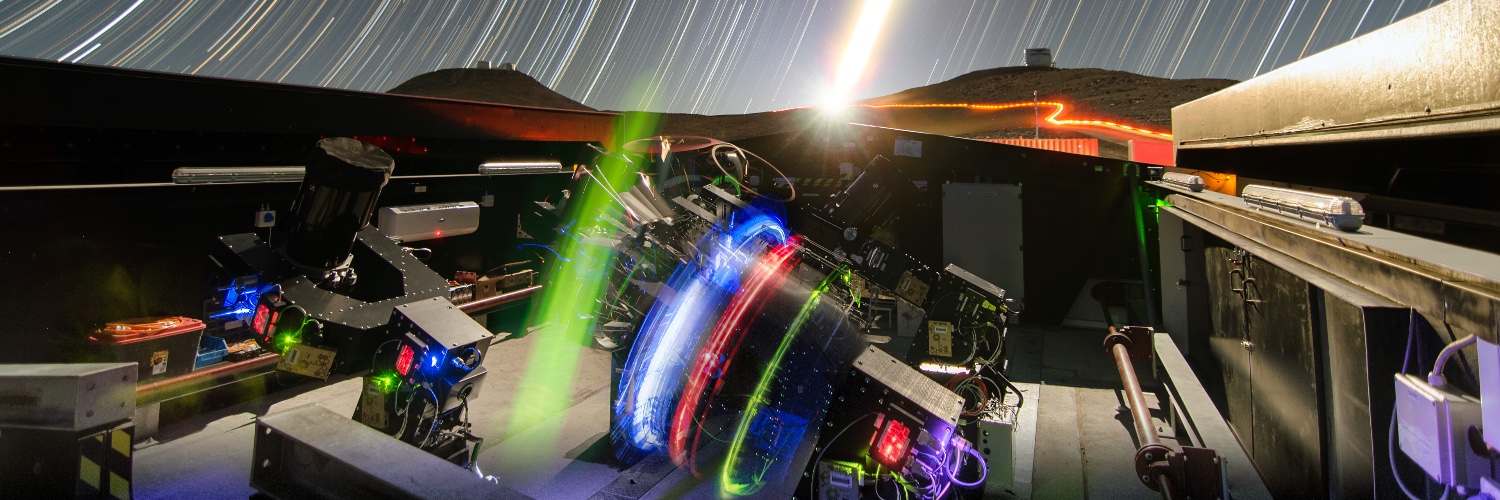
The Next Generation Transit Survey (NGTS) is an observatory made up of 12 individual 20 cm robotic telescopes in Paranal Chile dedicated to finding exoplanets.
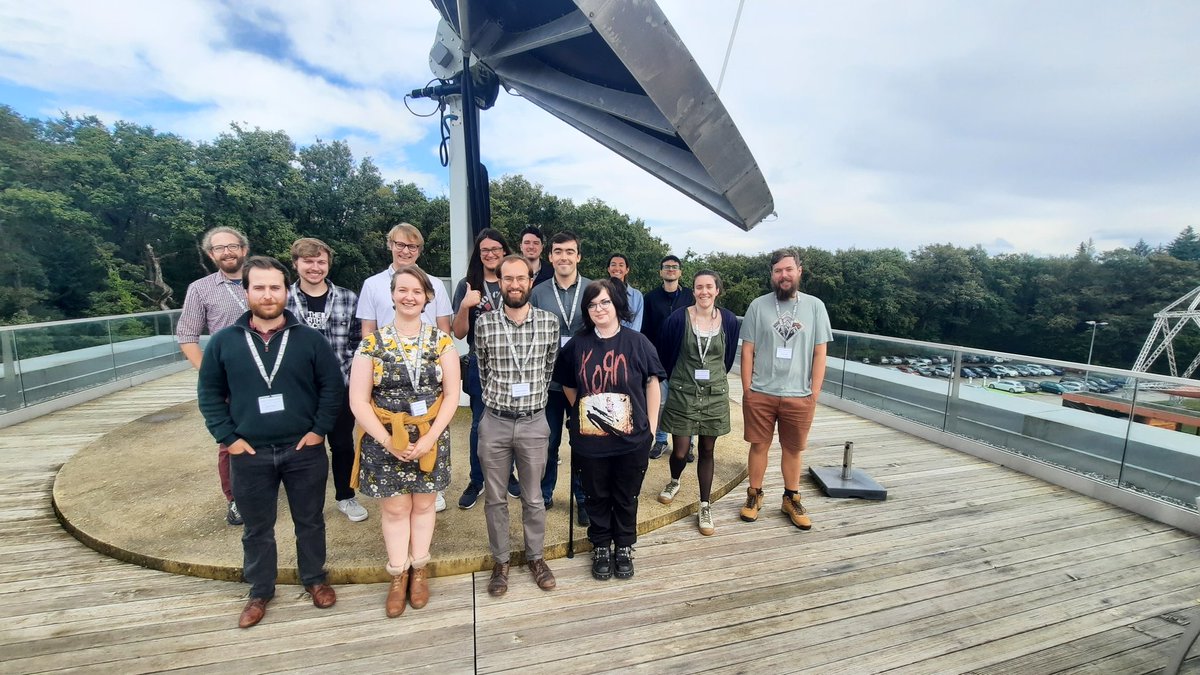
Next Generation of the Next Generation Transit Survey at the consortium meeting this week, up on the roof where the prototype was tested a decade ago 🔭
Glad to lead as lovely a bunch as the ECR group of @NextGenTransits 🪐
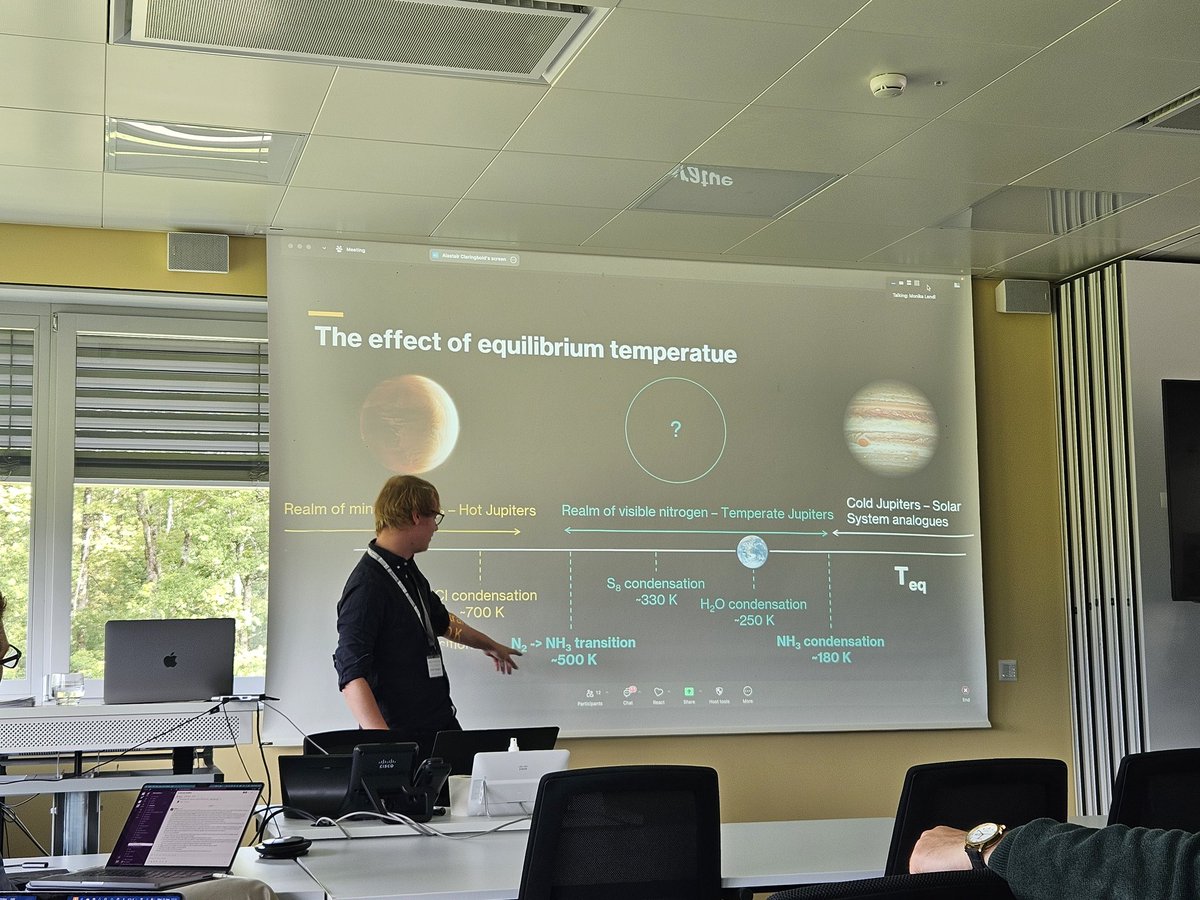
Solène Ulmer-Moll shows us some of the great results and recent publications from one of our biggest working groups, long-period planets! These are planets that orbit far away from their host stars, more like the gas giants of the Solar system. 🪐
We're back for day 2... now that I've had my double espresso let's go!
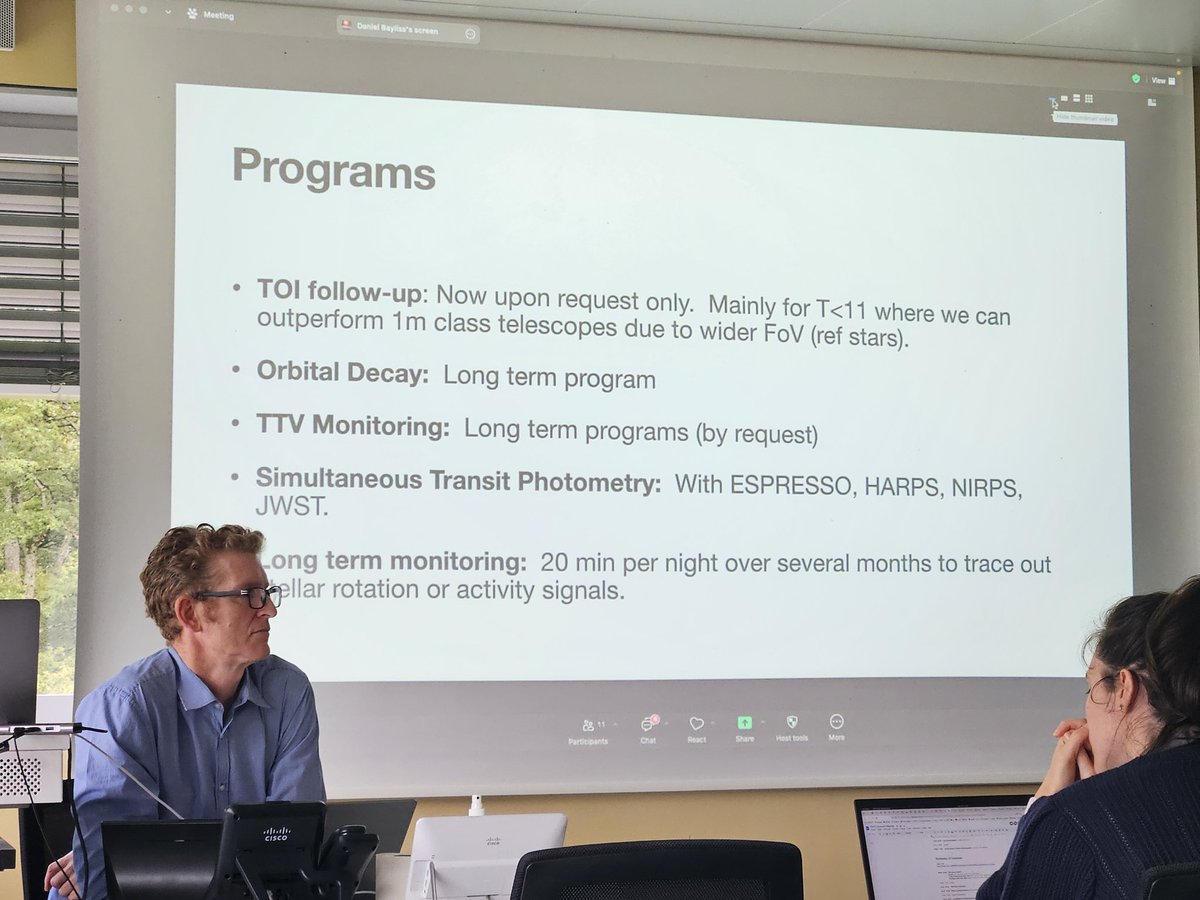
Leader of the bright stars working group Dr Dan Bayliss tells us all about their work. Got an interesting target to observe? Get in touch, NGTS has the best performance with multi-telescope observations! 🔭🔭
Sean O'Brien from QUB (@seanobrien_99) is giving us an update on the great work done by our valuable citizen scientists as part of Planet Hunters NGTS - get involved here and help us find exoplanets:
https://t.co/3uof4hD3dh
Operations postdocs Jorge and Faith and our PI Pete kick us off with telling the group all about our recent visit to NGTS (see our earlier tweets!), and some of the new ways in which we're improving our working processes 🔭
Unfortunately for all of you, my takeover of this Twitter account isn't quite done yet... join me @_astrofaith here for the NGTS consortium meeting 2024 in Geneva! 🇨🇭
We are leaving beautiful Paranal observatory and NGTS today, hopefully in a better state than it was when we arrived! We certainly all feel very lucky to be able to work in such a beautiful place. Thank you Chile! 🇨🇱
NGTS opens for business for another night!! We've been hard at work today preparing for a camera change, sorting our inventory, doing lots of work behind the scenes to make this project work as well as it does. ✨️🔭
We were lucky enough to visit our neighbours at the VLT (Very Large Telescope) last night! An incredible place doing incredible work, these telescopes are some of the largest in the world (astronomers are clearly not paid to name things though...)
NGTS taking some flat fields - a type of image that we use for calibrating our actual science images. They illuminate the CCD chip of the camera evenly using the twilight sky.
James and Jorge get on top of things...
Jobs like replacing roof sealant are important too, don't want any spurious water getting in, even in the rare event of a shower in the Atacama!