$DAG Tokenomics: Understanding the @Conste11ation Hypergraph Network Economy
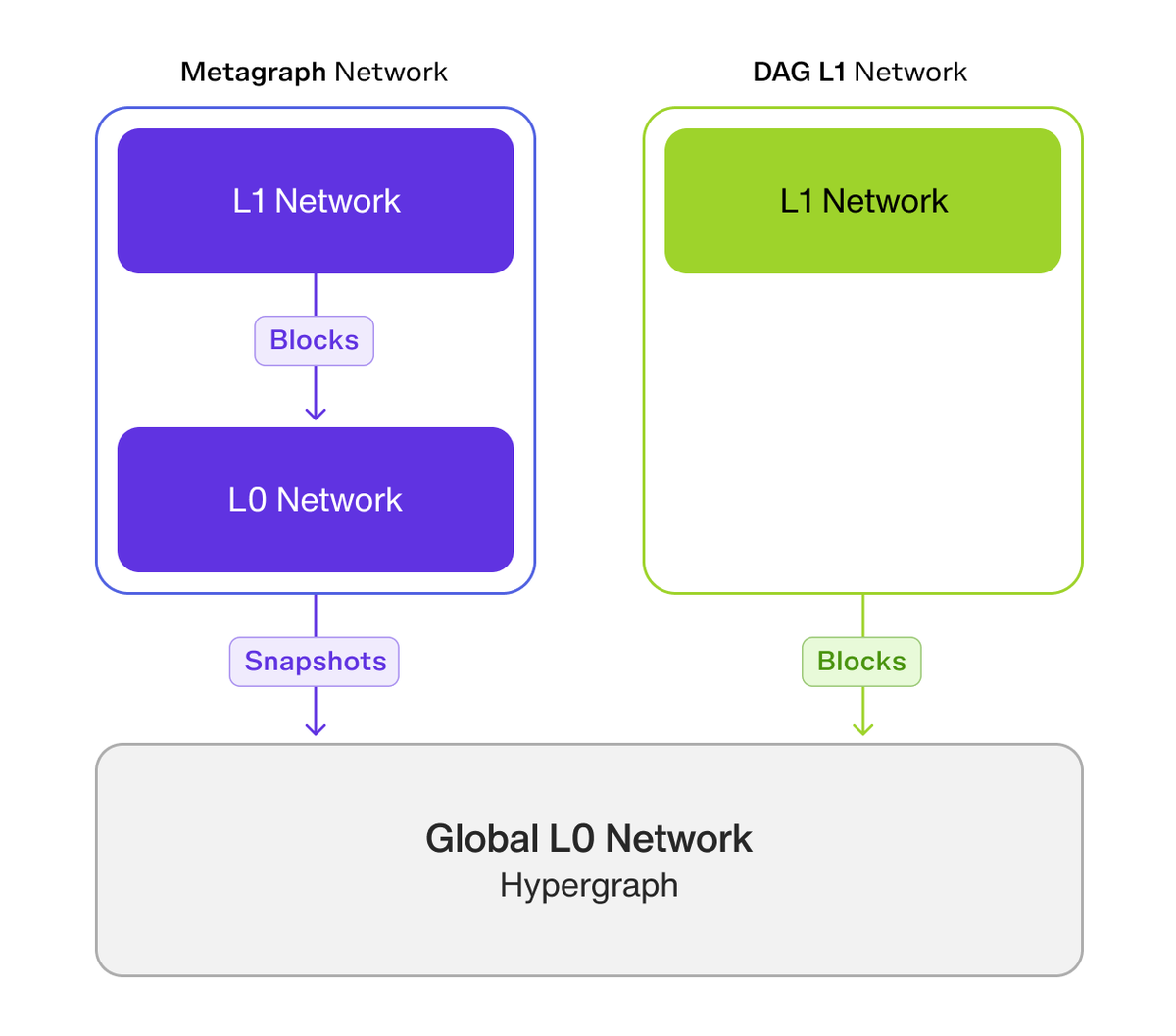
The Hypergraph Network (HGTP) is a decentralized network economy that utilizes the Global L0 (Hypergraph) and L1 Metagraphs (previously called “state channels”) for consensus. Its aim is to create an incentivization structure for key stakeholders, including Validator Nodes and Metagraphs. The Hypergraph's current economic model rewards node operators with a fixed emission schedule in its native currency, DAG. This paper aims to educate individuals on HGTP's fundamentals and the metrics used to create a scalable tokenomics model for the DAG and Metagraph networks.
Hypergraph:
The Hypergraph Transfer Protocol (HGTP) is a decentralized network developed by Constellation Network, Inc., and governed by the community. It comprises the Hypergraph, a global layer zero network with Validator Nodes, and Metagraphs or subnetworks that include networks, applications, and businesses.
Validator Nodes:
Validator Nodes provide resources to validate and confirm transactions, contributing to the Hypergraph's decentralized network. They are organized and secured by the Proof of Reputable Observation (PRO) consensus mechanism. Validator Nodes can support the Global L0 and one or more Metagraph Networks based on their computing resources.
Metagraphs:
Metagraphs are independent networks within the HGTP that can issue their own Metagraph tokens as rewards for Validator Nodes supporting their network. They can leverage the Hypergraph in various ways, such as submitting snapshots and paying fees for data validation. This could create a deflationary effect on the ecosystem.
Metagraph Network Fees:
To use the Hypergraph, Metagraphs must contribute fees to the network for each snapshot of state submitted. Fees will be calculated based on the amount of work required by the network to validate the data contained in each snapshot, adjusted with a multiplier that takes into account staked DAG on the metagraph and PRO score.
Formula for fee calculation:
workAmount = byteSize x computationalCost
multiplier = 1 / (stakedDAG x stakingWeight) + (averageProScore x proWeight)
fee = (baseFee * workAmount * workMultiplier) + optionalTip
HGTP aims to bridge traditional business logic with Web3 incentives and immutability by allowing businesses and individuals to build Metagraphs using the Hypergraph, Euclid SDK, and Validator Nodes. With proper incentives in place, HGTP can attract both Validator Nodes and Metagraphs while keeping peer-to-peer transactions feeless. By considering workAmount, computational cost, multipliers, stakedDAG, and tips/base fees, a calculator can be created to predict the cost of deploying a Metagraph and sending snapshots. Metagraphs will need to create incentives for their networks while also placing DAG staking and resource requirements to attract Validator Nodes.
BULLISH 🔥
Next week we'll get a Hypergraph Hour and it looks like we might get some more information about DoD and a Federal Contractor that's a publicly traded company 🤔
@CGI_USFederal ?
$DAG 🚀
🔥NEW DROP🔥
"OLYMPIC 2021 x Moodythecat"🥇🇱🇷🇻🇳🇹🇭🇫🇷🇨🇦
5 moody with 2 rare moody✨
1st gen only #001-#100
We have special event for 1st gen holder too‼️
____________________________
https://t.co/0Bvhtqg9ou
#nft#NFTartists#NFTCommunity#NFTdrops#NFTcollection#nftthai