An 11 YO boy develops abnormal movements 4 hours after an IM antiemetic. What is the immediate treatment?
A) IV benztropine/promethazine
B) Oral levodopa
C) IV dantrolene
D) IV naloxone
4. Amlodipine has a long half-life (30–50h) and high protein binding (~93%).
Toxicity can be delayed 12–24h post-ingestion, especially with sustained-release formulations.
Do not discharge early on a reassuring initial exam.
Management of Amlodipine Overdose
1. Decontamination
- Activated charcoal 1 g/kg (max 50g) PO/NG if within 1–2h of ingestion
- No role for gastric lavage in routine cases
2. First-line: IV Calcium Salts
- Calcium chloride 10%: 1 g (10 mL) IV over 5–10 min, repeat every 10–20 min up to 3–4 doses, or start infusion 0.2–0.4 mL/kg/hr
- Calcium gluconate 10% (preferred for peripheral IV, less tissue-damaging if extravasation): 3 g (30 mL) IV over 5–10 min, repeat similarly
3. High-Dose Insulin Euglycemia Therapy (HIET) - for refractory shock.
- Regular insulin bolus: 1 unit/kg IV
Then
- Infusion: start 0.5–1 unit/kg/hr, titrate up to 10 unit/kg/hr for refractory shock
- Co-administer dextrose: D10 or D25 infusion titrated to maintain euglycemia
- Check glucose q30min until stable, the euglycemia
Plastibell circumcision
Dr Robert Mugo, Consultant Paediatric Surgeon, briefly explains what it is, the recommended age range, and how the procedure is done.
It is a simple, safe, and commonly used technique in children when performed at the right time and by the right hands.
#Circumcision #paedssurg #plastibell #doctab #niajedoc
Dr. Nyambane Dennis, discusses an important clinical reality in this video.
Childhood cancer, though uncommon, does occur and requires a high index of suspicion.
These malignancies are not related to lifestyle factors and may present with subtle features such as persistent fever, unexplained weight loss, pallor, swelling, bone pain or recurrent infections.
With early recognition, prompt evaluation and timely referral, many childhood cancers are highly treatable and potentially curable.
#childhoodcancer #niajedoc #doctab
A mother's report about her 3-month-old baby 'Daktariii, mtoto wangu alishindwa kupumua after nimempea UJI leo saa kumi' is a heartbreaking reminder of how health illiteracy remains one of the biggest health challenges in our communities.
At just 3 months, a baby’s digestive system isn't ready for solid or semi-solid foods like uji. Introducing them too early can lead to choking, digestive issues, or even more serious complications.
World Health Organization recommends that babies be exclusively breastfed or formula-fed for the first six months of life, and solid foods, including porridge, should not be introduced before 6 month
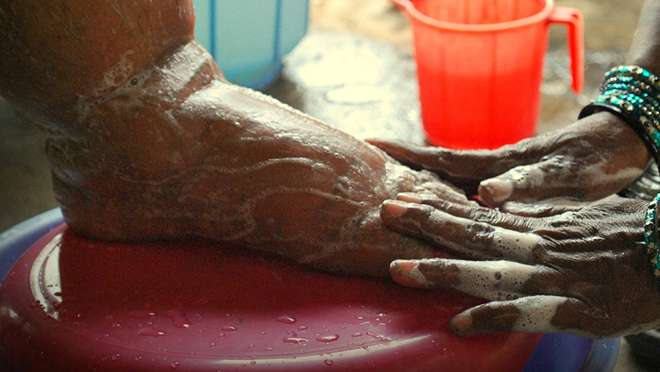
Lymphatic filariasis: Treatment
- Monoinfection - Single dose of Dethylcarbamazine (DEC) 6mg/kg
- Patients with tropical pulmonary eosinophilia due to W. bancrofti infection are treated with 14 to 21 days of DEC (6 mg/kg/day).
- Doxycycline (200 mg/day for four to six weeks) is also added to reduce pathology in mild to moderate cases
- DEC is contraindicated in patients coinfected with onchocerciasis, or patients with loiasis who have high microfilarial loads due to the risk of severe adverse events.
Mass drug administration (MDA) using various regimens of DEC (single dose and medicated salt), ivermectin, and albendazole remains a cornerstone for public health control.
Source : uptodate
Why Filariasis Hides from Daylight Diagnosis
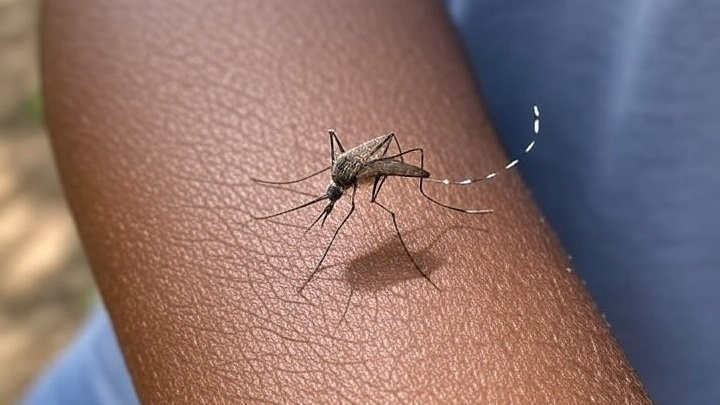
Microfilariae of Wuchereria bancrofti exhibit nocturnal periodicity, migrating to peripheral blood between 10 PM–2 AM, aligned with the feeding pattern of mosquito vectors (Culex, Anopheles, Aedes).
Daytime blood draws may miss them due to sequestration in the pulmonary vasculature, leading to false negatives.
Microscopy using Giemsa-stained thick and thin smears remains the gold standard in low-resource settings.
For improved sensitivity, antigen detection (CFA tests), PCR assays, or ultrasound (filarial dance sign) can be used.
Artesunate Dosing for Severe Malaria
Route: IV/IM
Initiation Doses: At 0 hours, 12 hours, and 24 hours
Maintenance: Then once daily for a maximum of 7 days
Dosage:
≤20 kg: 3 mg/kg per dose
>20 kg: 2.4 mg/kg per dose
Transition to oral therapy (typically Artemether-Lumefantrine) 8–12 hours after the last dose, once the patient can tolerate oral intake.
Paeds guidelines MoH
5 Ds of Amputation
1. Dead – Limb has necrosis (dead tissue) due to gangrene, ischemia, or severe infection, making recovery impossible.
2. Dying – Limb has critical ischemia with no possibility of revascularization, amputation may be necessary to prevent systemic complications.
3. Dangerous –Limb poses a serious risk to the patient's life, such as in aggressive infections (e.g., necrotizing fasciitis) or malignancies.
4. Damaged – Severe trauma, such as crush injuries or non-reconstructable fractures, where limb function cannot be restored.
5. Dysfunctional – A limb with severe deformities, chronic pain, or loss of function that significantly affects quality of life and mobility.
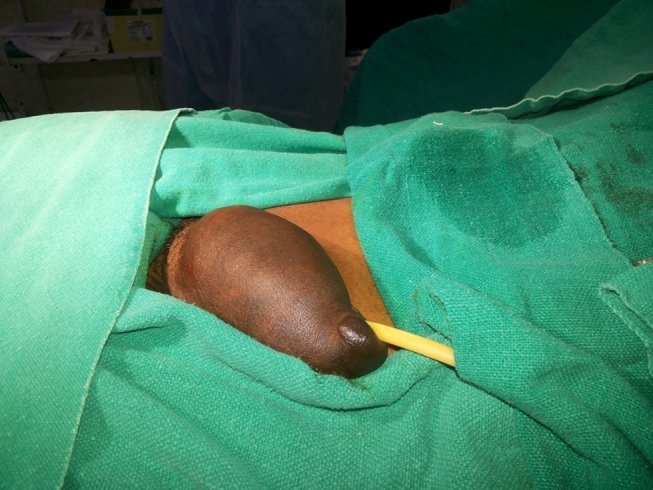
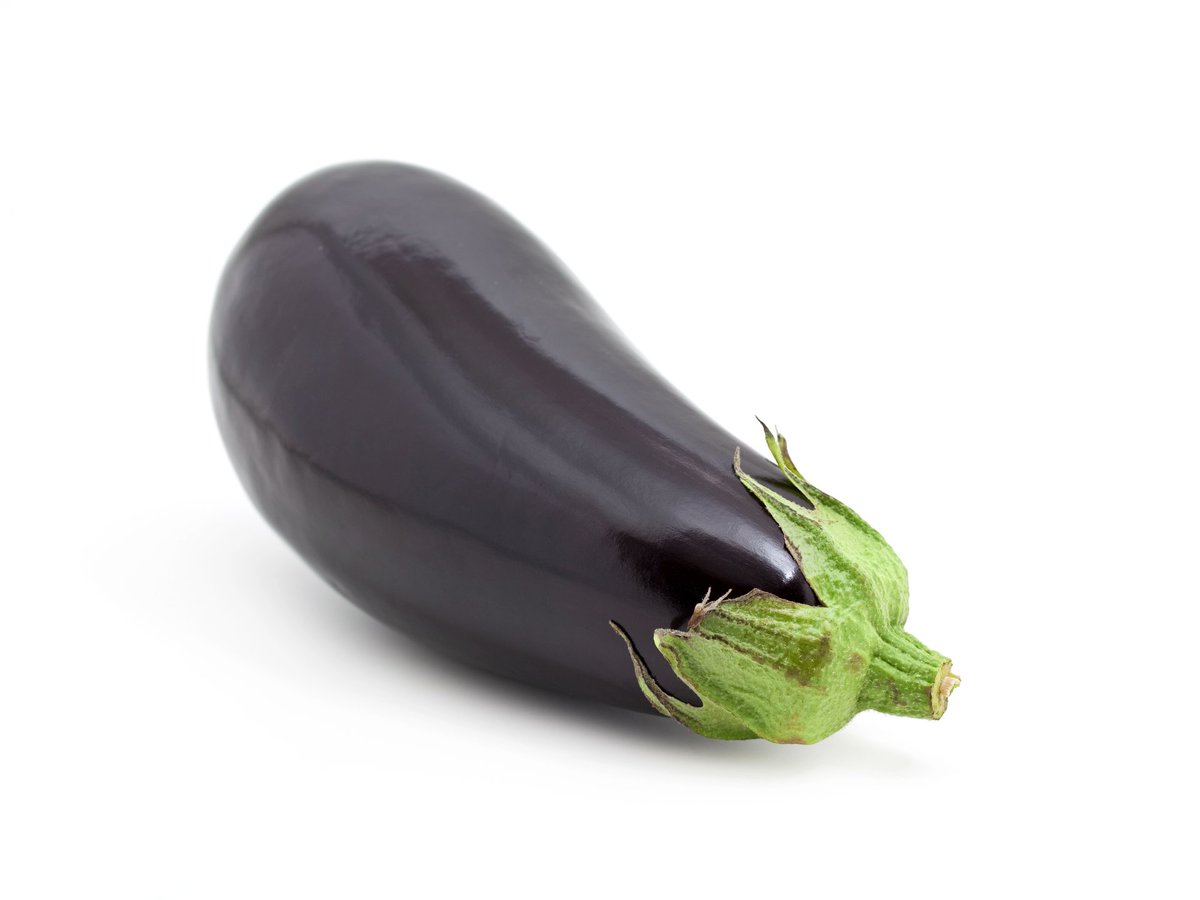
What is the "Aubergine Sign"?
The "aubergine sign" (also known as the "eggplant sign" or "eggplant deformity") is a clinical hallmark of a fractured penis. It refers to the external appearance of the penis after the injury, characterized by -
1. Swelling and bruising: The penis appears discolored, with purple or dark blue bruising due to subcutaneous hematoma formation.
2. Deformity: The penile shaft becomes bent or curved, resembling an aubergine (eggplant) in shape and color.
Loss of erection: The injured penis is flaccid and painful.
This deformity arises from the rupture of the tunica albuginea, the tough, fibrous layer surrounding the corpora cavernosa.
Hemorrhage beyond the tunica albuginea produces the swelling and bruising characteristic of the aubergine sign.
Image source Europe PMC
Okay, it's late... but Happy New Year anyway! Let’s make 2025 count.
What’s the most important Health issues we should prioritize for discussion this year?
- theDocTab2025