Professor, Michigan State's Kellogg Bio Station. Director, KBS' Long Term Ecological Research site. The Last Butterflies. Corridors for nature and people.
Great story! Learning to identify butterflies is in reach. Counts by thousands of people make up the best long term data 🦋 And there are practical means to forestall rapid butterfly decline.
https://t.co/atYdrW63Br
More bad news for butterflies. Our new paper led by Wendy Leuenberger shows common species are declining even more rapidly than rare ones. @ZipkinLab
Three decades of declines restructure butterfly communities in the Midwestern United States | PNAS https://t.co/ejvMzC8REp
2 early-career scholars bringing integrative research collaborations across 4 departments in 2 colleges, & thoughtful community engagement, are the next @michiganstateu Presidential Postdoctoral Fellows @EEB_MSU.
Congratulations Rebecca Nelson and Nicole Lussier!
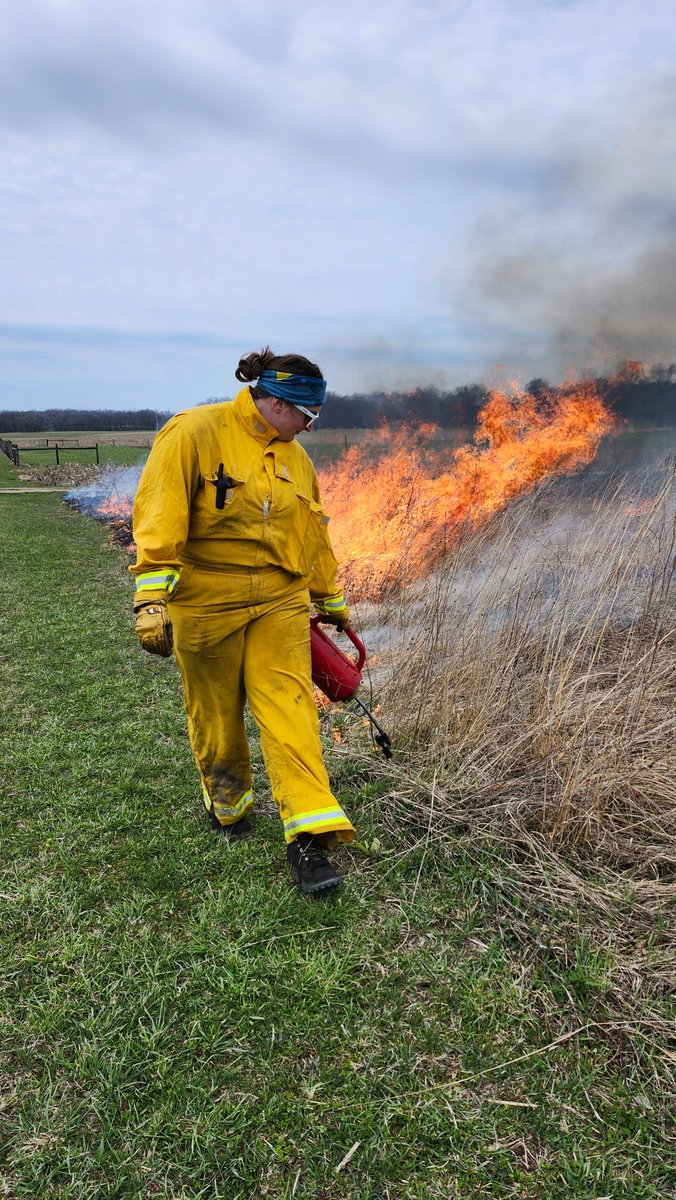
.@michiganstateu students and W.K. Kellogg Forest volunteers helped with prescribed burns conducted for Dr. Lars Brudvig and Dr. Nick Haddad on pollinator prairies at @KelloggBioStn. This is part of the Conservation Lands Experiment through @KBSLTER.
Our new paper led by Tyson Wepprich is out. When warmer temperatures increase the number of butterfly generations in a year, population growth rates are higher https://t.co/mkHSYrIFJX
How do we achieve 30x30 goals? Our next infographic highlights types of habitat conservation in the United States. Learn more on our #30x30 page https://t.co/RvL7o5F6O9
CHE MONDO SAREBBE, SENZA FARFALLE? 🦋
Tutti i naturalisti con la barba bianca, in diverse parti del mondo, notano che ci sono meno farfalle.
Purtroppo mancano i dati oggettivi: da ragazzi non contavamo le farfalle.
Ora qualche dato solido inizia a arrivare
https://t.co/lTL0AyG5LF
What a wonderful paper!!
Really clear results and extremely important research!!
Congrats Thiago Gonçalves-Souza @Nate_J_Sanders@Jon_Chase03@nickmhaddad
https://t.co/LbCkkZzEf7
Our paper led by Thiago Gonçalves-Souza is out. Habitat fragmentation and habitat loss reduce biodiversity. @Nate_J_Sanders@Jon_Chase03
Results from 37 studies distributed worldwide, on plants and animals, comparing continuous and fragmented landscapes.
https://t.co/LhgRdrFKeo
De los grandes privilegios que tengo donde vivo, es poder disfrutar aún de las mariposas. Pensar que ya existen personas en este mundo que nunca han visto una.
#Biodiversidad#CambioClimático https://t.co/dffezBYGd6
Resolves part of a 1/2 century old debate about whether habitat fragmentation reduces biodiversity, above and beyond habitat loss. We find that it does.
Elise Zipkin and I had a great time talking with @flichtman about butterfly decline in the US, including possible causes and opportunities for recovery. @scifri
Where Have All The Butterflies Gone? https://t.co/1UzxLxIGw8