@RoyLilley My wife's a district nurse and highlighted challenges years ago.
Her team currently has 53 insulin calls per day (always seems to be rising) to allocate before they do anything else - years ago it was five or six.
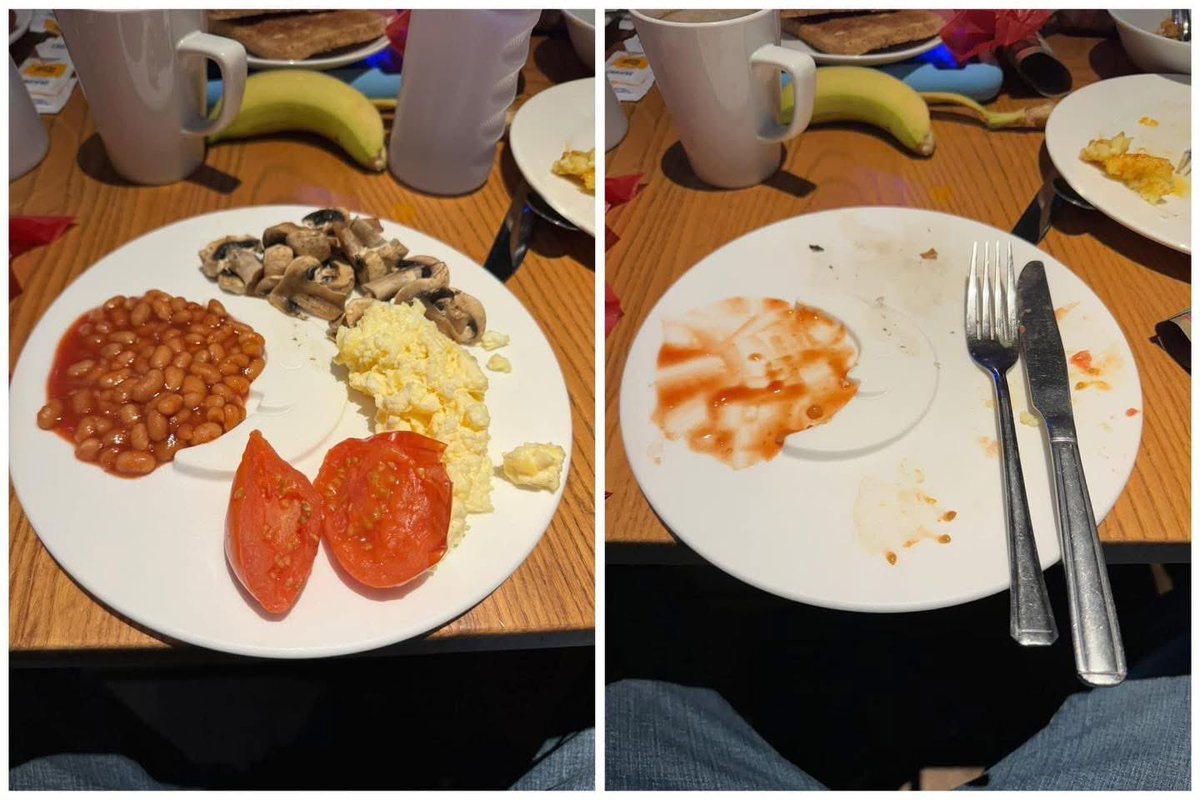
A few years ago, Premier Inn went viral on social media when they came up with the concept of a plate for a full English breakfast with a ‘baked bean barrier’ - this was a raised version of their moon logo that prevents juice from the baked beans coming into contact with the rest of the breakfast.
It was originally just a speculative design, but Premier Inn’s people saw my thoughts about it and I was incredibly lucky to be offered the chance to test a prototype at their Tamworth location. As you can see it actually did the job pretty well.
During testing, I applied what I considered to be a reasonable amount of cutlery pressure throughout, and then a little more of what I would consider to be ‘excessive’ force, and to the designer’s credit the plate worked flawlessly. The beans also ricocheted satisfyingly back onto a teaspoon when I switched cutlery.
Hopefully they will put these into mass production one day. I still have the plate in a cupboard as a memento.
The Bank of England has raised interest rates to 4%, supposedly to tackle inflation.
There is just one problem with this decision. The Bank knows that much of the inflation we are suffering is being driven by rising oil and energy prices, largely resulting from conflict in the Middle East.
It also knows that raising interest rates cannot reduce those prices.
So why is it doing this?
The answer is that the Bank believes it must suppress demand elsewhere in the economy to compensate for rising energy costs.
In other words, it is deliberately making mortgages more expensive, increasing business borrowing costs, discouraging investment and reducing household spending power.
And all this when people are already struggling with higher energy bills. That is problem number one.
There is, however, another problem. Higher interest rates increase costs for businesses, which can then feed through into higher prices. They can, in that case, add to inflation rather than reduce it.
The Bank is imposing economic pain to address a problem its chosen policy cannot directly solve.
That is not sound economic management. It is the consequence of an economic dogma that refuses to recognise the difference between inflation caused by excessive demand and inflation caused by supply shocks.
When will we learn?
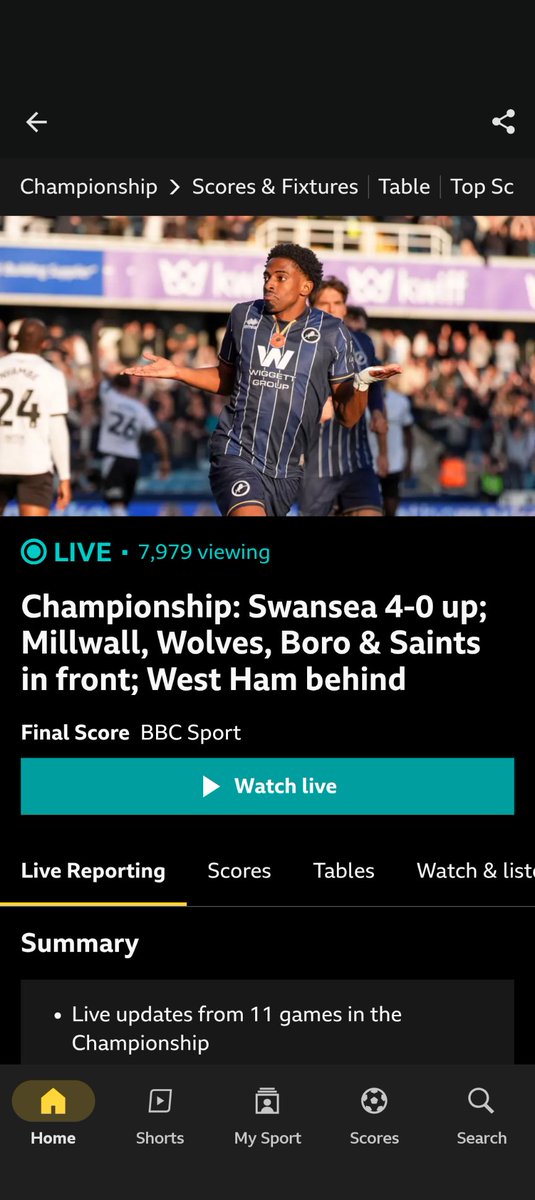
@chris_kammy I knew they'd be up there this season - already a strong side from last season, kept their manager and spent money from Rogers sell on fee well.
Lankshear looking a bargain!
@andyburnham Andy, we know that Supermarkets are cheaper than Shell and BP garages and that you'd have to be desperate to fill up at a motorway service station.