I'm moving to LinkedIn for posts related to my PhD work, find me at https://t.co/tGMzcyu1Ab. I'll send updates here as well but you're more likely to catch me in Li.
#phdlife#AcademicTwitter#bioprinting#3Dprinting
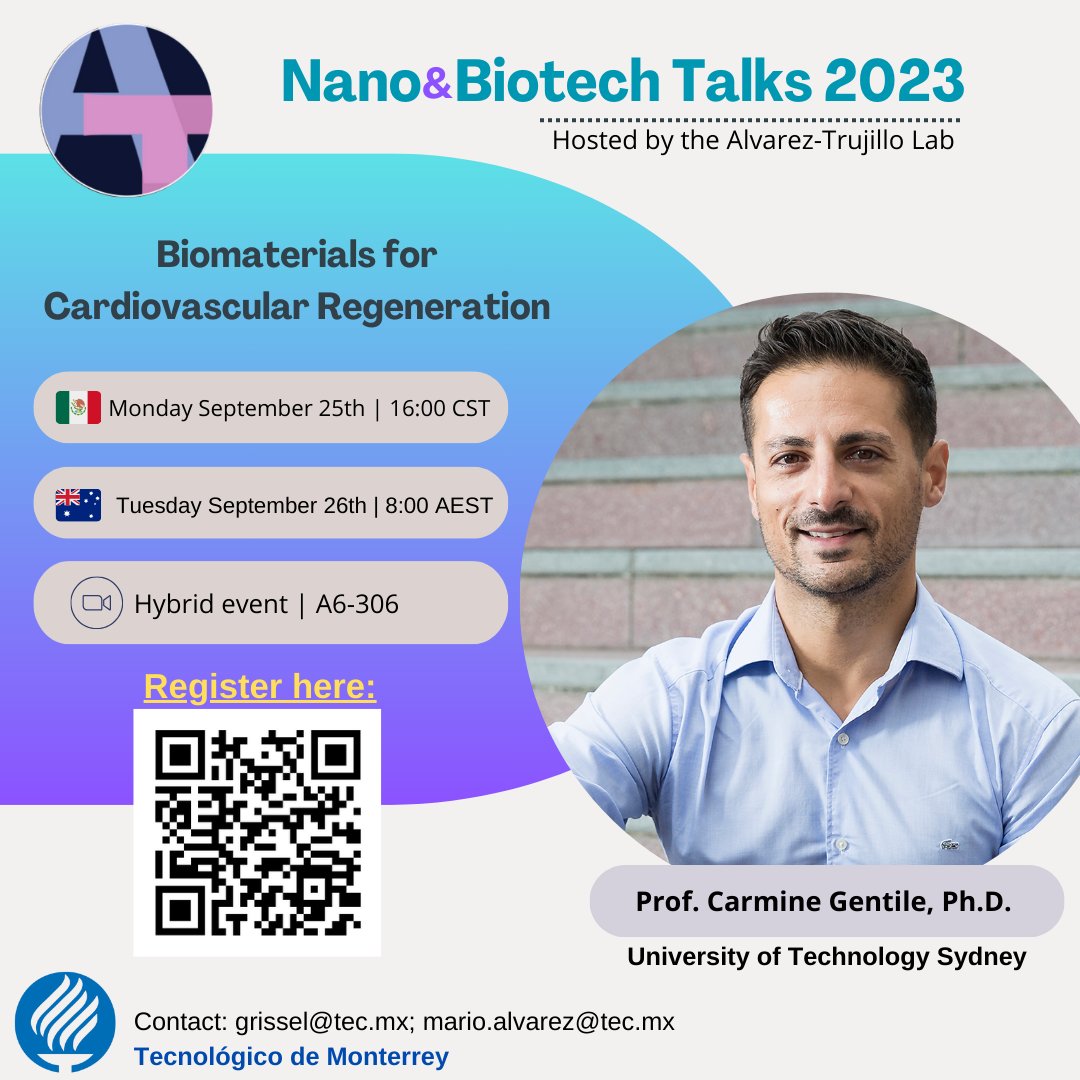
We so look forward to hearing Prof. @Carmine's talk next Monday!!! Don't miss this opportunity to learn from his spectacular research on cardiovascular 🫀 regeneration. @atlab@IngenieriasTec@TecScience@MarioMoiss
Register 👉 https://t.co/86oRSlRZgi
The next @Wi3DP Sydney Happy Hour is in 6th of Sep where we will meet for drinks at Ginny's Canoe Club. Join us by booking your tickets on Eventbrite!
#3Dprinting#additivemanufacturing
https://t.co/hSCS68W6tm
"The latest photographic trick, a rocket-firing camera that shoots from above," was featured in Svétozor, a Czech-language entertainment magazine, published on February 17, 1911.
In 2013, the Oxford dictionary officially added "selfie" as a word, defining it as "a photograph that one has taken of oneself, typically with a smartphone or webcam and uploaded to a social media site." The actual origin of the word can be traced back to 2002 when an Australian man got drunk on his 21st birthday and posted a photo of his stitched lip with the words, "sorry about the focus, it was a selfie."
The very first photo considered to be a "selfie" can be traced back to a chemist and photographer by the name of Robert Cornelius from Philadelphia. He brought his camera to the back of his family's store, opened the lens cap, and then put himself in the frame by sitting motionless for approximately one minute. On the back of the photo, he wrote: "The first light picture ever taken. 1839."
Cornelius went on to successfully run a photo studio, taking photos of the wealthy. However, he soon lost interest in photography and turned his attention to growing his family's lighting business. He invented a device called a "solar lamp," which used lard instead of whale oil, making him a wealthy man. He also went on to invent the first kerosene lamp but was soon overtaken by competitors who created cheaper and more efficient versions of his lamp.
Cornelius' selfie from 1839 was not discovered until 1975 when a librarian happened to come upon it while working at the American Philosophical Society in Philadelphia.
Male infertility is a growing problem all around the world. Sydney's University of Technology has collaborated with NeoGenix and Vertus to develop an AI tool that can help infertile men become fathers. Here's Rebecca Metcalf. #abc730
University of Technology Sydney is looking for Ukrainian Academics, Postdoctoral Researchers and/or PhD students working either within Behavioural Ecology / Engineering/Bio-Physics team. Share far and wide.
#phdlife is #caring. @UTSEngage#Ukraine️
https://t.co/2lCA8jG1lp
This plant that was supposed to die, like all the other plants I kill instantly, has thrived for 10 months and is now having a baby. Who said orchids are difficult?
#phdlife is surprising.
Here's where @SkypeScientist had the FEWEST classrooms in the last year.
Let's tell teachers & librarians in those states that Skype a Scientist is here to connect them with scientists!
The states:
WV
WY
HI
Know a teacher there? Tag 'em!
Sign up here:
https://t.co/d0Dy8gZHFG
We’re building our Scientific Education team @WEHI_research
Do you have a
-PhD in biological science
-Passion in science communication
-Would like to design & teach graduate education @UniMelb
Check out our Scientific Education Specialist position: https://t.co/C8tqfK4oeA
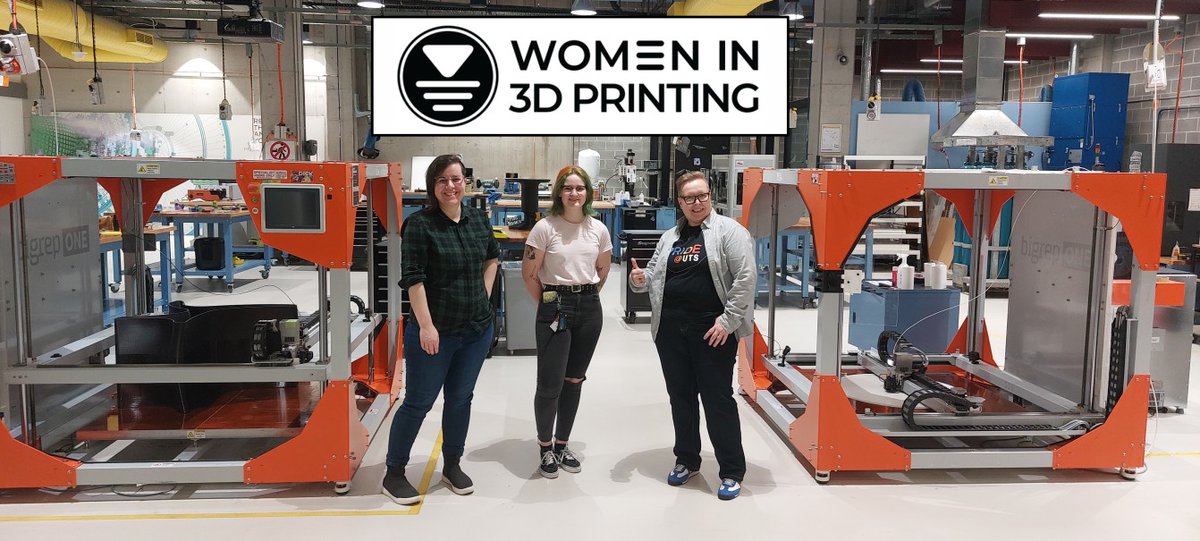
Last Friday @Wi3DP Sydney branch visited @UTSProtoSpace where we saw 3D printers from the very big to the microscopic resolution. Good times! Thank you @UTS and everyone who attended (yes there were more of us 😅).
#phdlife is #3Dprinting and #womeninSTEM