O systemd acabou de mergear um campo de data de nascimento nos user records do linux
O motivo? uma lei da California (AB-1043) que obriga sistemas operacionais a coletar idade do usuario
O PR teve 945+ comentarios antes de ser trancado pelos maintainers
systemd nao é um sistema operacional. mas ta implementando compliance de um
a Artix Linux ja declarou que NUNCA vai exigir verificação. ja criaram ate uma distro nova chamada "Ageless Linux" em protesto
em 2014 a galera avisou que systemd ia virar scope creep demais. chamaram de paranoia. olha onde a gente ta
I’m hiring on my team at OpenAI for Research Engineer / Scientist and Software Engineer roles.
I believe one of the most important questions for future AI systems is: how do we train them to help people over time?
We work on that through RLHF, post-training, reward modeling, long-horizon evals, and the data infrastructure behind personalized multimodal AI.
If you care about human flourishing and serious research, links in comments.
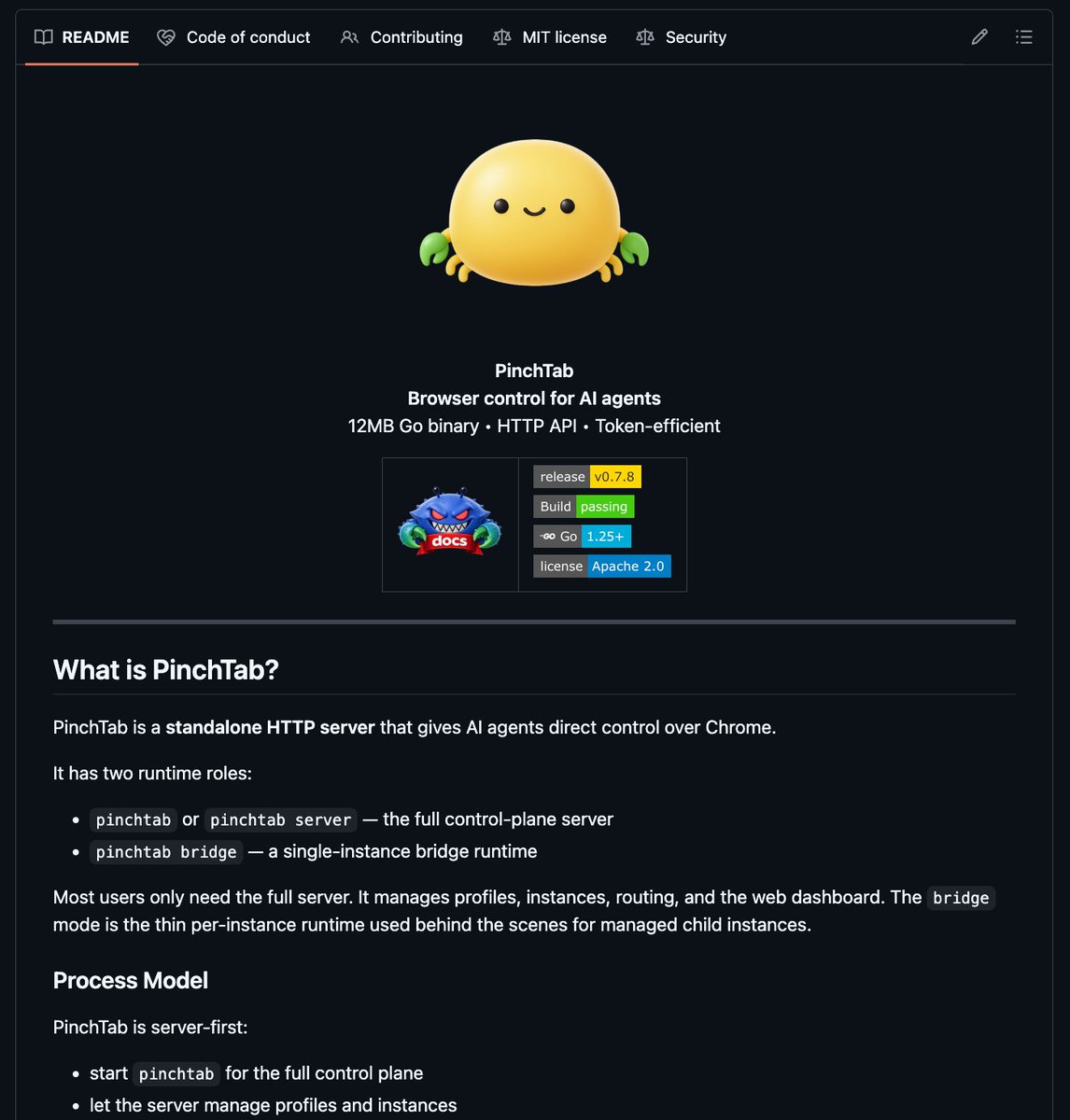
🚨BREAKING: Someone just built a 12MB binary that gives AI agents full browser control.
It's called PinchTab. No Playwright. No Puppeteer. No bloated dependencies.
Just a plain HTTP request and your agent clicks, types, and navigates like a human.
→ 13x cheaper than screenshots (uses accessibility tree instead)
→ Bypasses bot detection out of the box
→ Runs multiple Chrome instances in parallel with isolated profiles
→ Works with Python, TypeScript, Go, or any language that speaks HTTP
→ Installs in one command
Most browser automation tools weigh 500MB+ and need Python environments, npm nightmares, and Docker just to say hello.
PinchTab is 12MB. One binary. Zero dependencies.
This is what the browser control layer for AI agents actually looks like.
100% Open Source. MIT License.
Se você usa Claude Code, Cursor, Codex ou similares e ainda não padronizou Skills + MCP, tá perdendo tempo (e tokens)
Escrevi um guia completo de como montar isso direito 👉https://t.co/MwT2GAcXzr
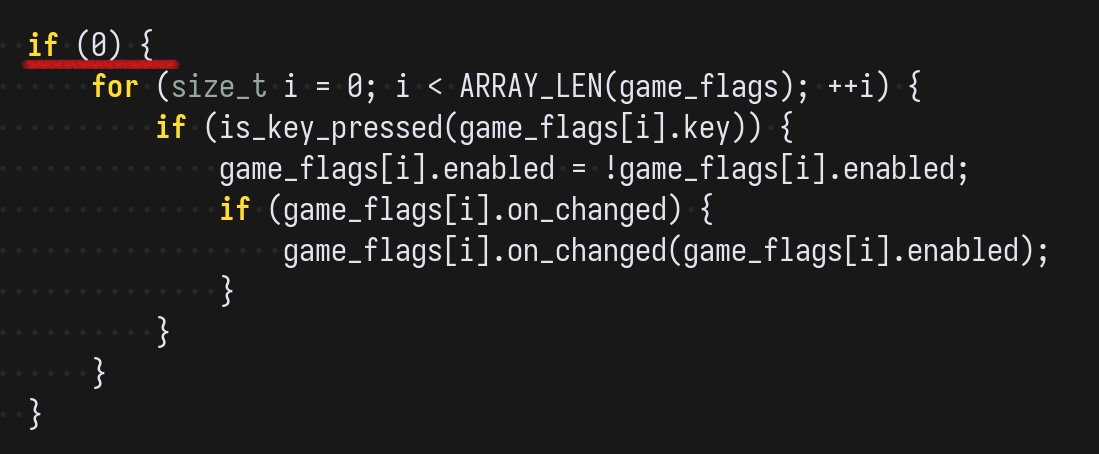
Very often I want to temporarily disable a piece of code. I comment it out, but then I'm faced with a problem that since the code is never compiled it gets "stale". Some functions it uses may have changed and it is never type checked. So the next time I enable it, it doesn't compile and I spent a lot of time fixing it.
The solution I came up with so far is to "comment out" the code with the runtime `if (0)`. The code will never be executed, the optimizer will very like eliminate the code entirely, but before doing so the compiler will type check it, and will force me to fix it on the spot.
here's how I optimized video assets on my site and improved perceived performance:
- added a tiny ( ~30px wide ) `base64` encoded blurred inline image for each snippet, rendered as an <img> underneath the video ( renders instantly! )
- moved all the videos to @Cloudflare CDN. previously was using @nextjs `/public` local path. which was fine when I had only 2-3 videos
- added both `.webm` and `.mp4` formats via <source> elements ( .mp4 as fallback in case browser doesn't support )
pessoal falando que a UI vai morrer, uns doido falando que website nem vai ser mais relevante, pessoal falando que vai acabar a UX
não acreditem nessas bobagens, não vou nem me demorar mto. dito isso, MCPs agora aceitam interface gráfica (UI/UX própria)
https://t.co/TAmKTJNKAH
Time to consider not just human visitors, but to treat agents as first-class citizens. Cloudflare’s network now supports real-time content conversion to Markdown at the source using content negotiation headers.
https://t.co/B7wYH4PtA8