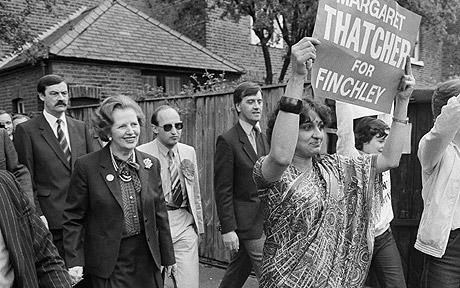
Margaret Thatcher had a blunt question for her ministers: how many more people could Britain actually take?
In July 1979, just weeks after becoming Prime Minister, Thatcher was discussing the growing number of Vietnamese “boat people” fleeing communist Vietnam.
Her Foreign Secretary, Lord Carrington, wanted Britain to take 10,000 refugees. Thatcher was much more hesitant.
According to government papers released years later, she argued that Britain had already accepted too many immigrants and questioned where the country should draw the line.
She also said she thought it was “quite wrong” for immigrants to be given council housing while white British citizens were unable to get it.
But there's an interesting part of the story that often gets left out.
Thatcher wasn't simply arguing that Britain should take no refugees. She made a distinction between refugees fleeing persecution and immigration generally, saying she had less objection to groups such as Vietnamese refugees, Rhodesians, Poles and Hungarians because she believed they could more easily assimilate into British society.
And despite her initial resistance, her government eventually agreed to accept 10,000 Vietnamese refugees.
It gives you a pretty revealing look at Thatcher only weeks into the job.
She was already thinking about immigration in terms of numbers, housing, assimilation and what the country could realistically absorb.
And she wasn't afraid to challenge her own ministers over it.
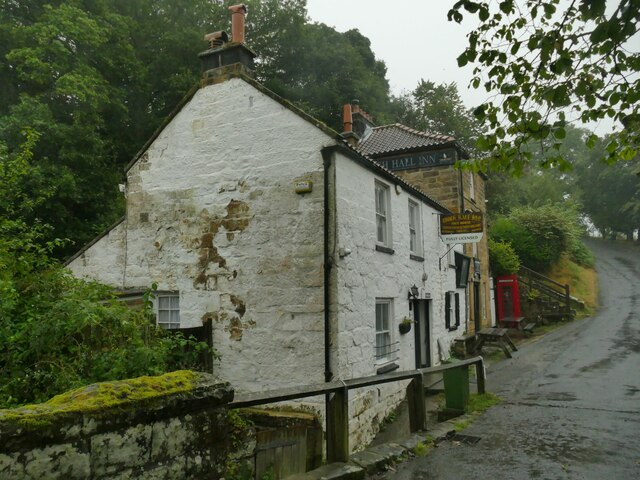
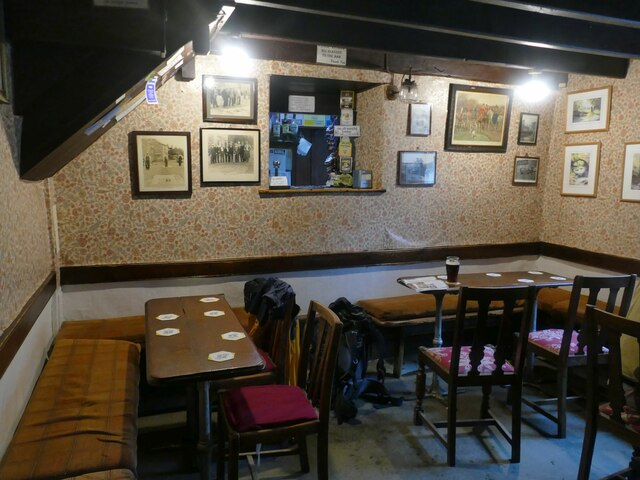
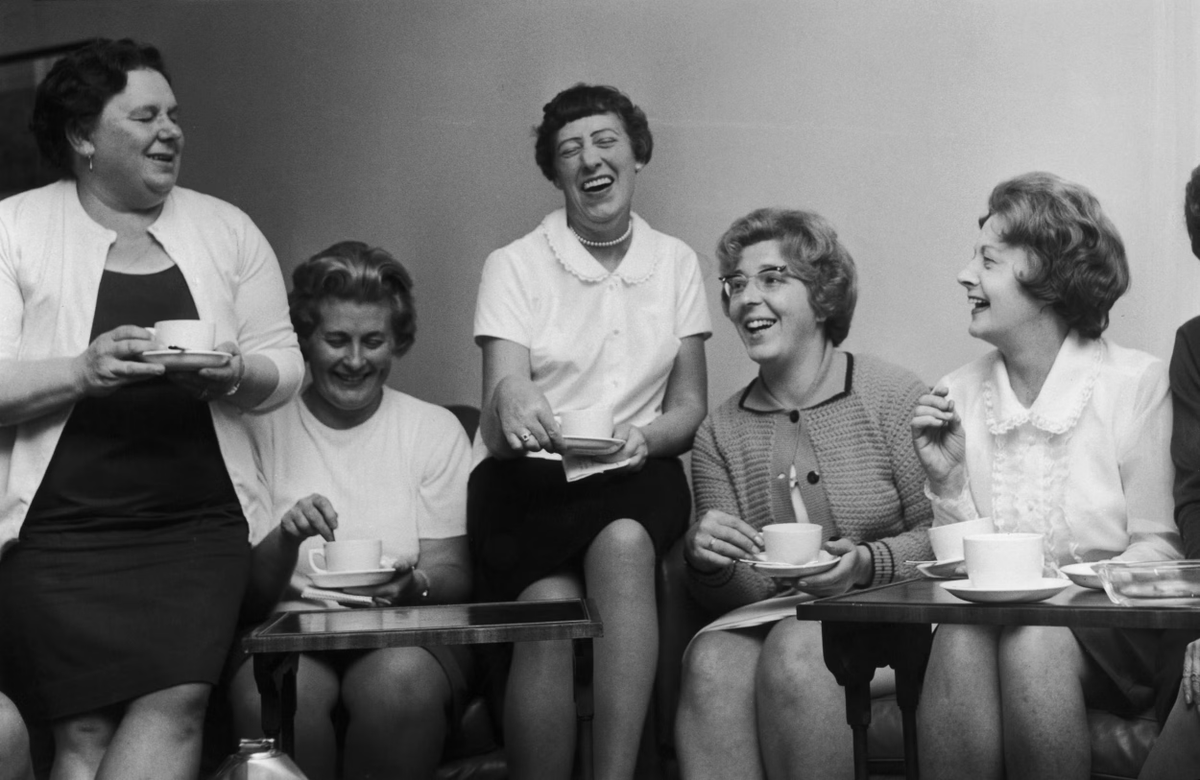
This North Yorkshire pub serves beer through a shop hatch.
I’ve just stopped at the Birch Hall Inn in Beck Hole, North Yorkshire, where the village shop serves the pub through a little hatch and even the “big bar” has only three tables.
I meant to stay for one drink, then noticed the bench, old pictures and that tiny opening in the wall (the name “big bar” is doing heroic work).
That smallness is exactly why I’d linger.
Lose places like this and we do not just lose unusual old rooms; we lose the sort of local where sitting together is still the whole point.
This atheist MP was elected five times-Parliament still barred him.
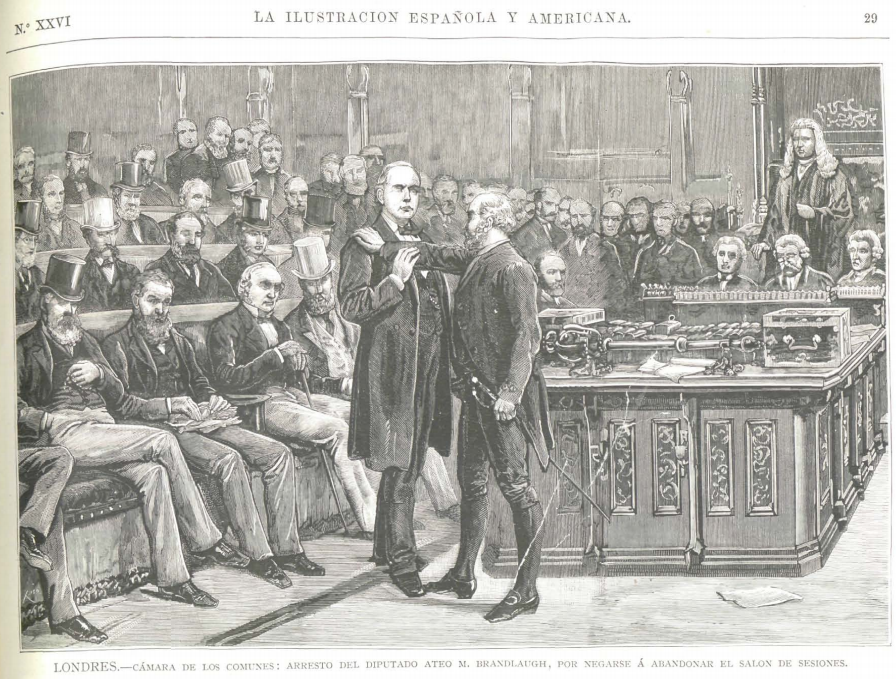
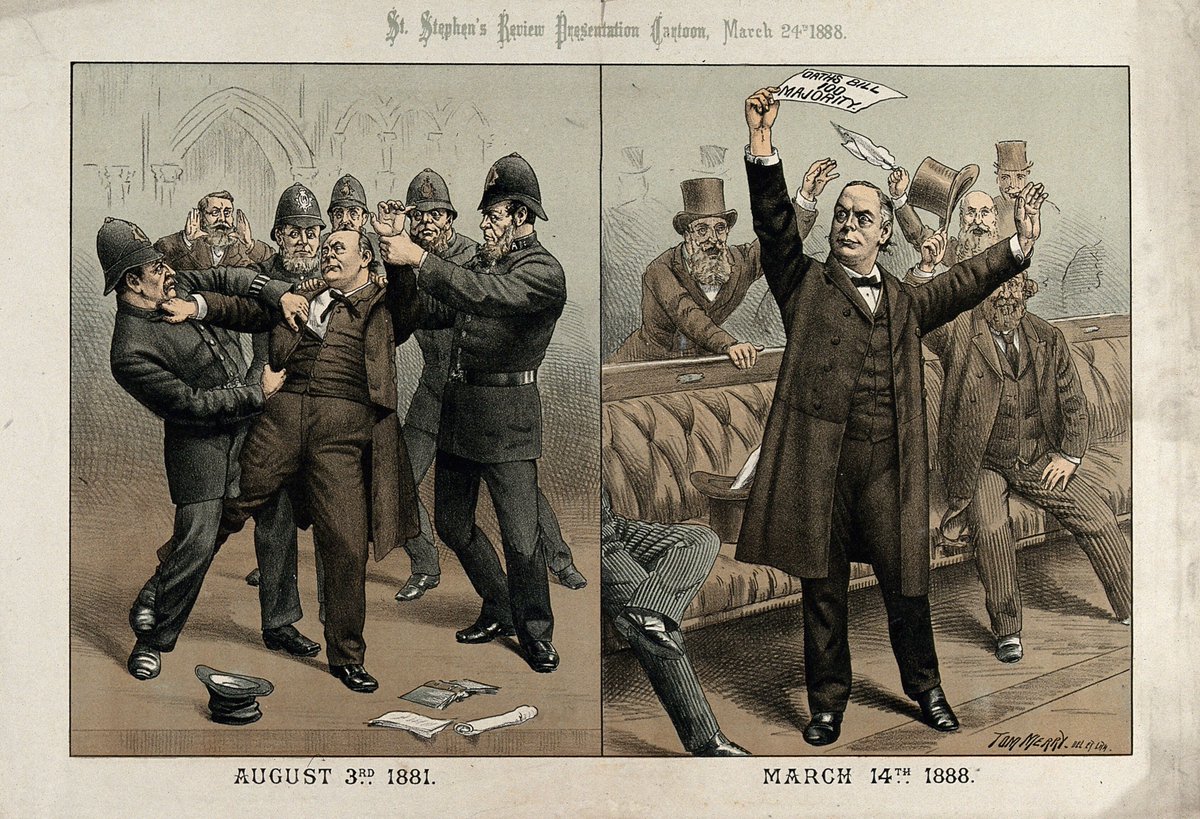
In 1880, amid Victorian Britain’s struggle over religious privilege, voters in Northampton, in England’s East Midlands, elected Charles Bradlaugh to the House of Commons-yet Parliament barred their atheist MP from serving.
Every new MP had to swear allegiance to Queen Victoria before sitting or voting, using words that called on God as witness.
Bradlaugh, a Liberal and founder of the National Secular Society, asked to make a solemn non-religious affirmation instead.
Courts already allowed some witnesses to do that, but MPs did not share the same clear right.
A Commons committee rejected his claim.
Bradlaugh then offered to take the prescribed oath so he could serve his constituents.
His opponents blocked that too, arguing that an oath could not bind a man who had publicly said he did not believe in God.
Parliament had built a trap: he was too honest to swear sincerely, yet too openly atheist to swear at all.
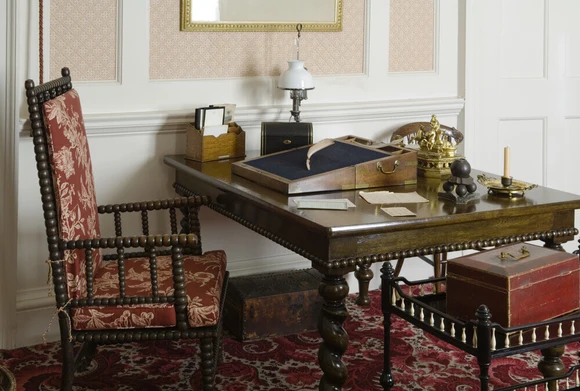
On 23 June 1880, after Bradlaugh refused to leave the chamber, the Serjeant at Arms arrested him and confined him overnight in the prison room inside Parliament’s Clock Tower.
The barred room was plain enough for a desk and tea table, while some three thousand supporters crowded Westminster Hall to insist that Northampton-not other MPs-should choose its representative.
Release did not end the fight.
When Bradlaugh’s seat was vacated, Northampton returned him; Parliament kept refusing him; and the same contest began again.
In 1881 he repeatedly crossed back over the Commons barrier after officials removed him, until attendants physically prevented him reaching the table.
In February 1882, he advanced without permission, read the oath himself, kissed a New Testament and signed the paper.
The House called the act contempt and expelled him the next day.
Northampton elected him again.
Across six years, voters returned Bradlaugh four times after his original victory, turning one man’s religious objection into a direct argument about whether Parliament could overrule an electorate.
The deadlock survived court cases, penalties and a government bill to change the law that lost by just three votes in 1883.
Then the balance shifted.
After Bradlaugh won a fifth election in 1885, Speaker Arthur Peel refused to let MPs interrupt him when Parliament met in January 1886.
Bradlaugh finally took the oath and his seat, though the words still invoked a God he did not believe in.
He did not stop at winning a personal escape from the trap.
In 1888, Parliament passed his Oaths Act, giving people who had no religious belief-or whose religion forbade oath-taking-the right to affirm instead wherever law demanded an oath.
The rule reached beyond Westminster into courts and other public duties, replacing a religious test with a promise carrying the same legal force.
The man Parliament had locked in its Clock Tower left behind a law that stopped belief from locking others out.
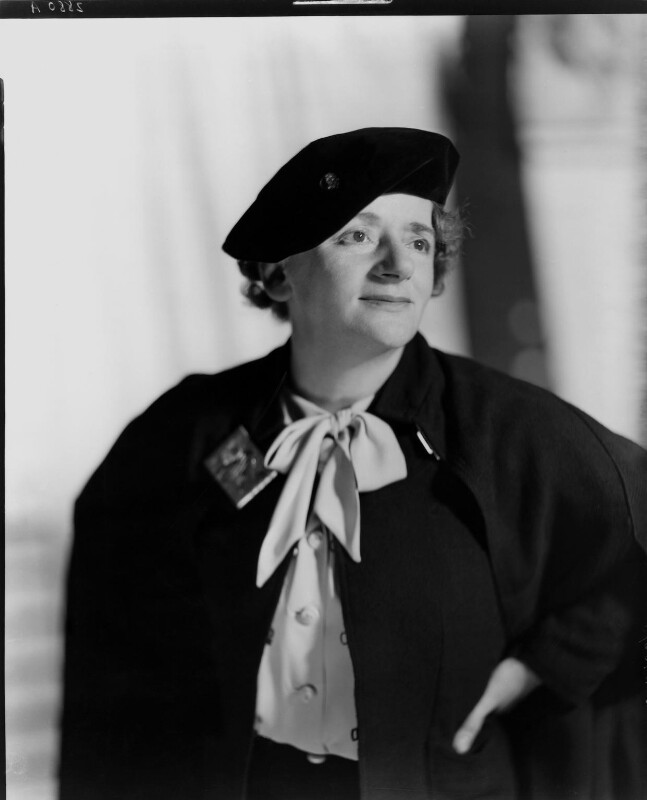
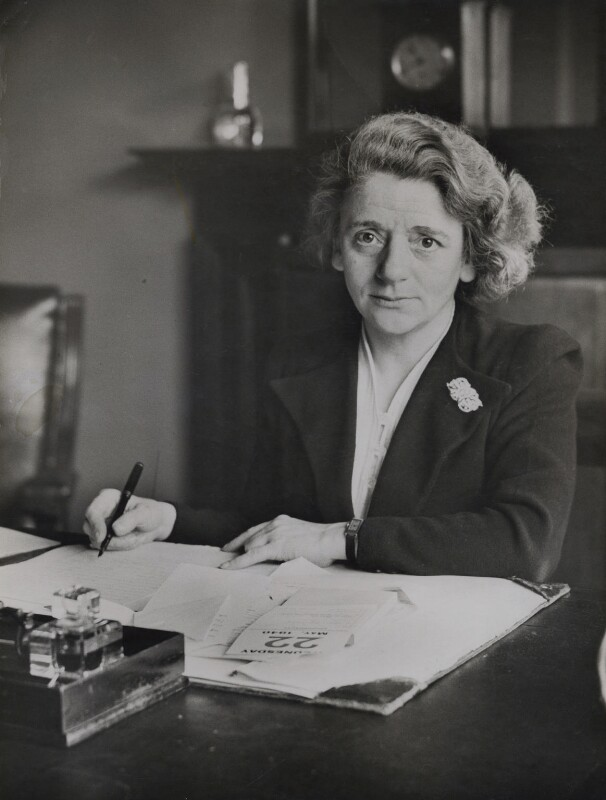
In 1947, after WW2, education minister Ellen Wilkinson held firm on making children stay in school until 15, despite shortages.
She died weeks before it began.
Britain should remember her for that extra year.
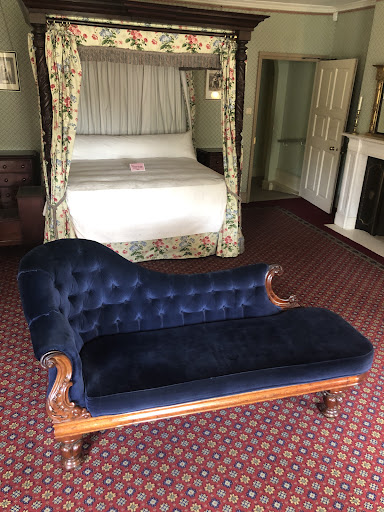
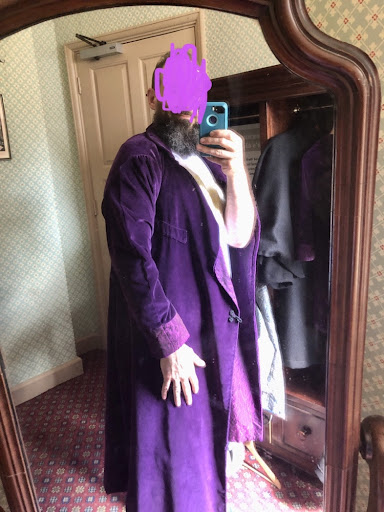
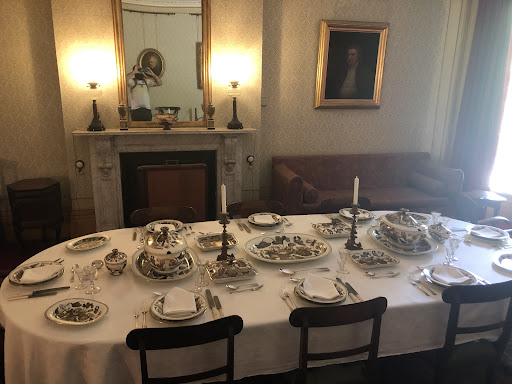
Darwin’s coat made a genius feel human.
At Kent’s Down House, scientist Charles Darwin published On the Origin of Species in 1859; his closet lets visitors dress up.
A purple coat felt silly-then the distant genius became a father working from home.
Warmly recommended for families.
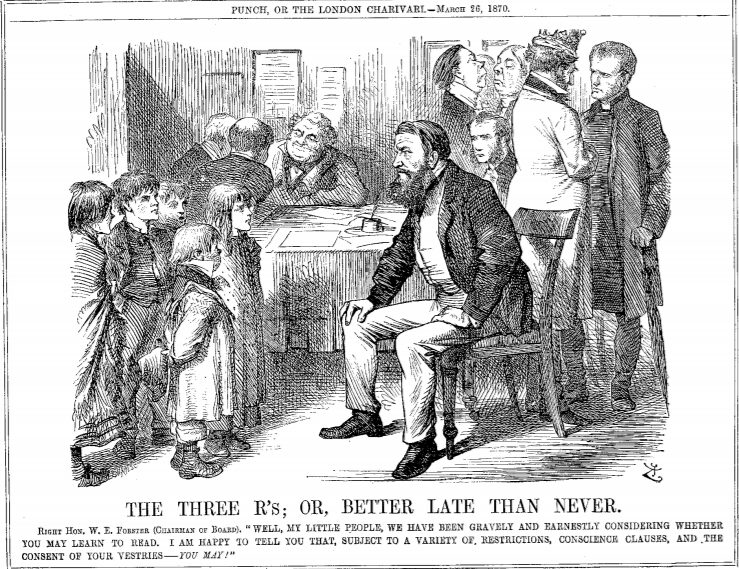
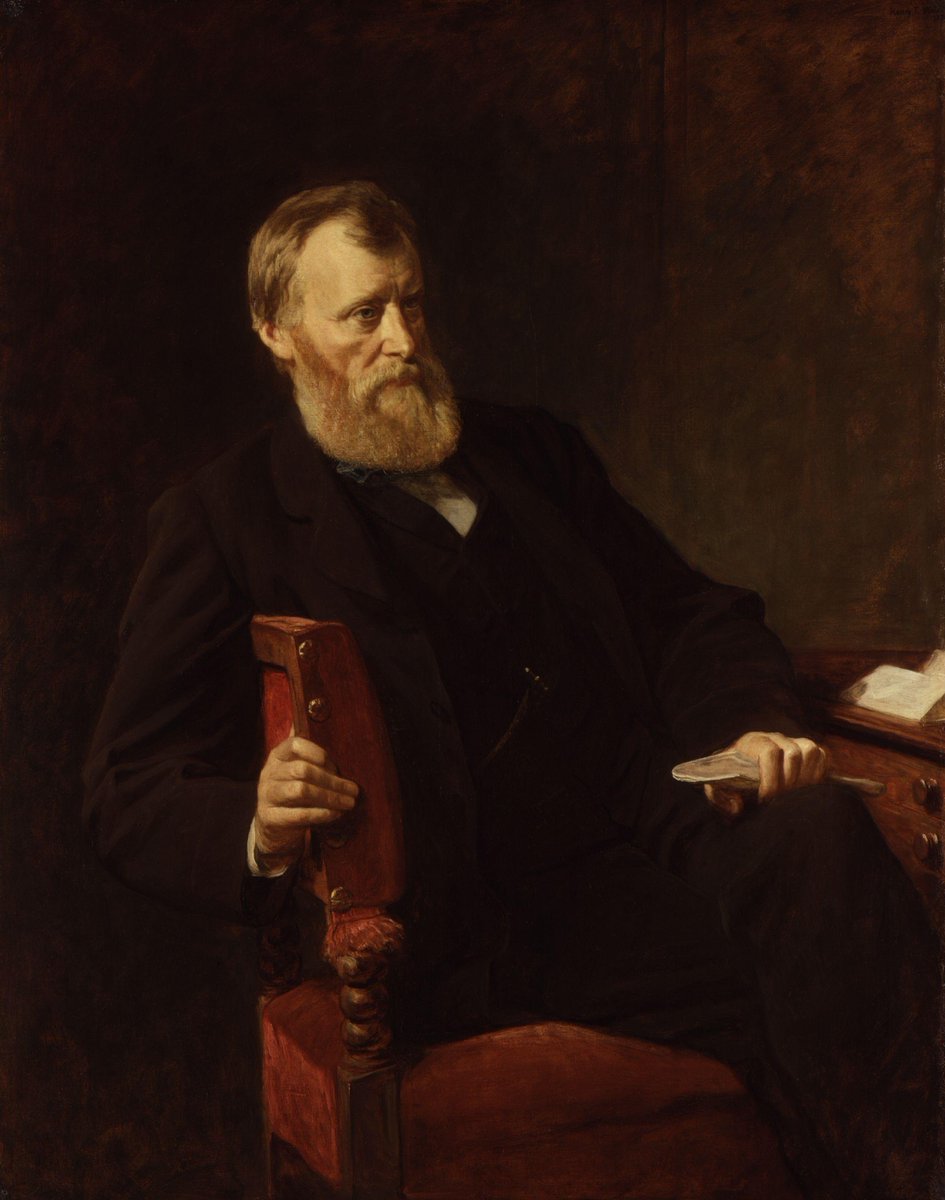
In 1870, in Victorian Britain, MP William Forster's law let elected boards build schools where England and Wales lacked them.
It put education on a national scale.
Which reformer should children know next,and why?
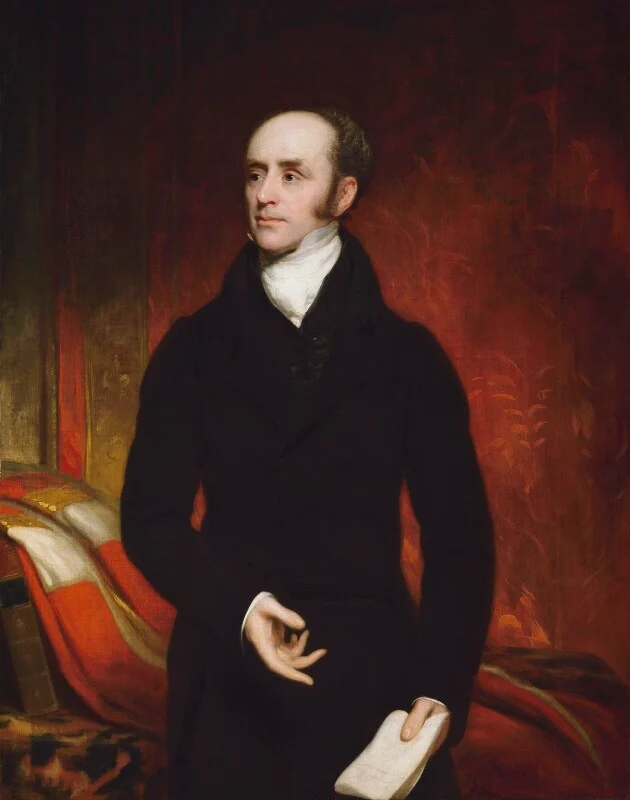
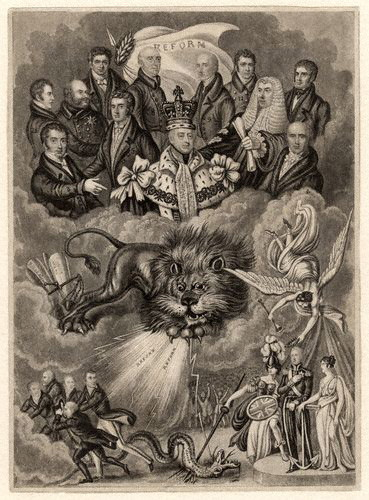
Earl Grey resigned rather than gut the Reform Bill.
In 1832’s reform crisis, the prime minister resigned when the king refused to create peers to beat Lords’ opposition.
Recalled, Grey’s threat made the Lords yield-a clever victory, though most working men and every woman lacked a parliamentary vote.
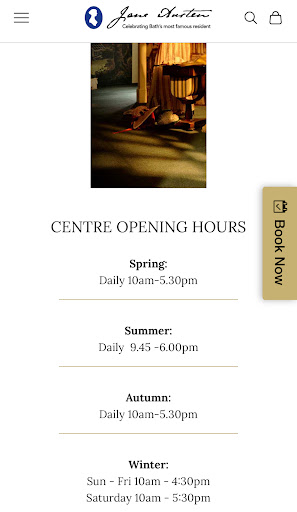
Ten minutes shut us out after thousands of miles.
At Bath’s Jane Austen Centre, about the novelist who published *Pride and Prejudice* in 1813, Louise and I arrived at 3:40.
The website said 5:30; last entry was 3:30.
Only the gift shop was offered; she tried not to cry.
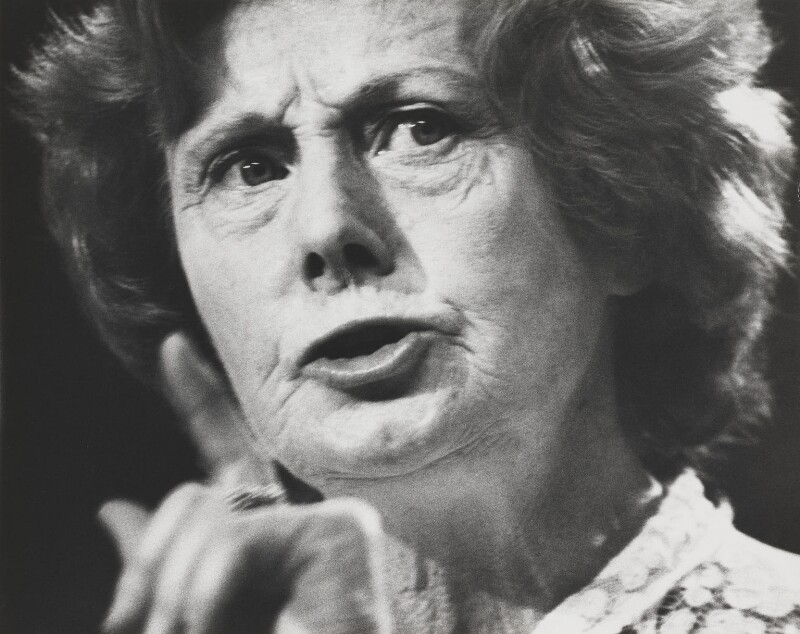
In 1968, minister Barbara Castle met Ford machinists on strike over unfair pay in London.
She helped win a pay rise, then introduced the bill that became the 1970 Equal Pay Act.
That is practical courage.
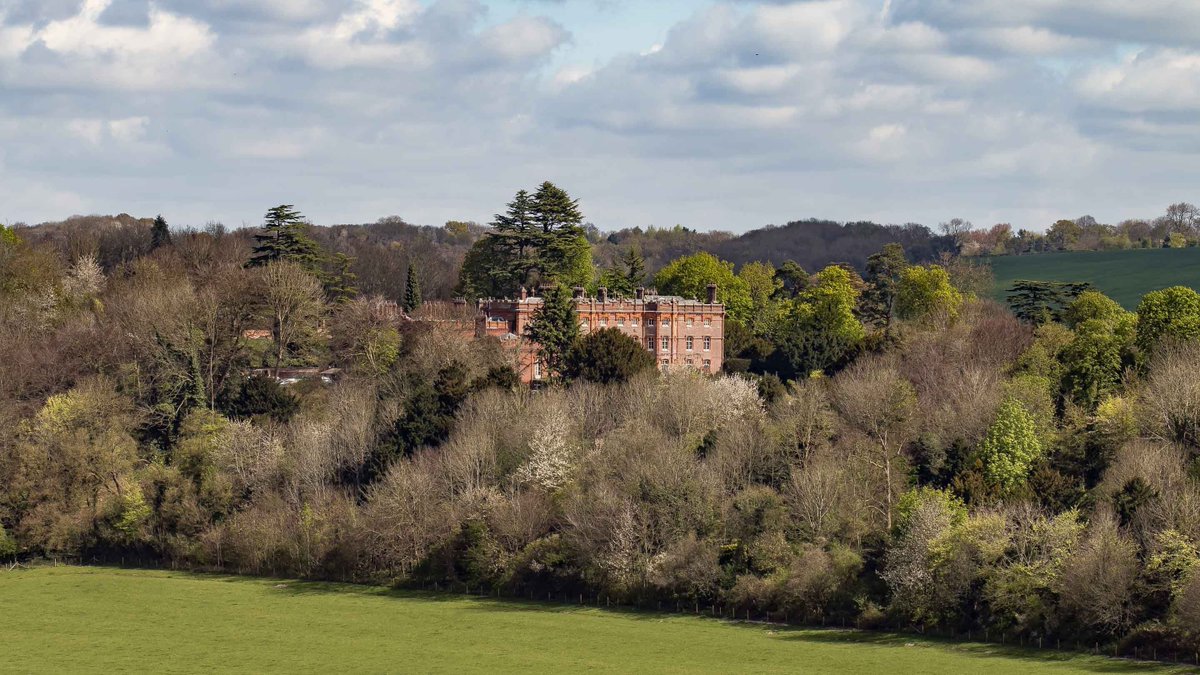
Disraeli bought Hughenden to advance his politicla ambitions.
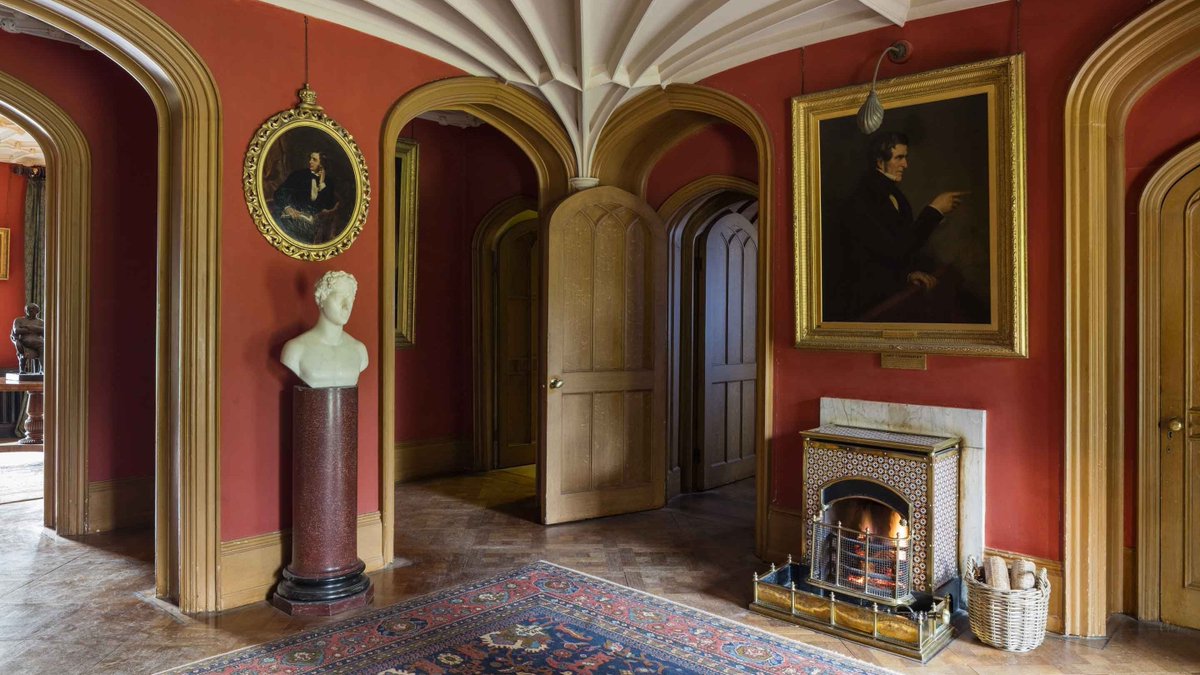
In 1848, Conservative leader Benjamin Disraeli bought Hughenden Manor near High Wycombe, Buckinghamshire, believing a country estate was essential to his rise.
His study remains upstairs,while Mary Anne Disraeli kept the entrance-hall fire ready for his return from London.
This bookbinder’s notes opened the door to modern electricity
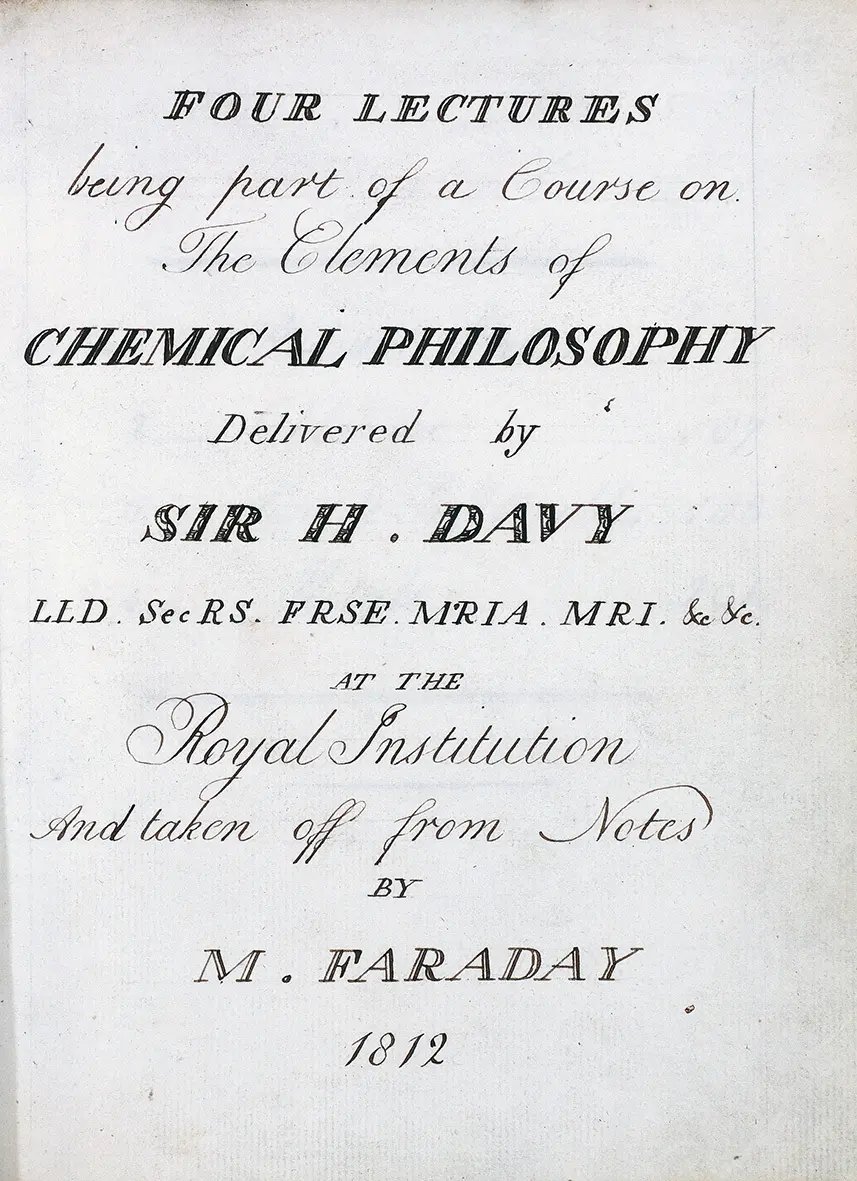
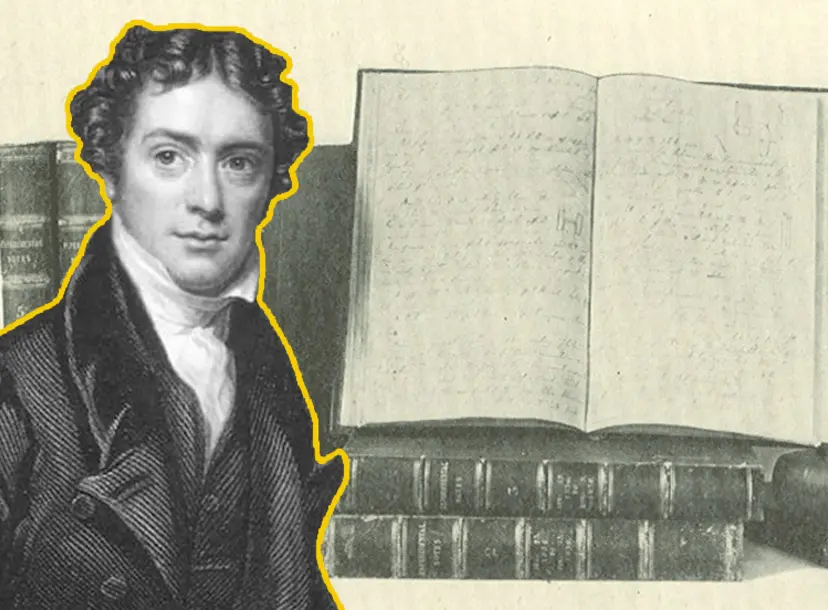
In 1812, during Britain’s Industrial Revolution, London bookbinder Michael Faraday turned Humphry Davy’s Royal Institution lectures into the bound notebook shown here; Davy hired him as an assistant.
By 1821 Faraday had built the first electric motor, but Davy accused him of failing to credit William Wollaston.
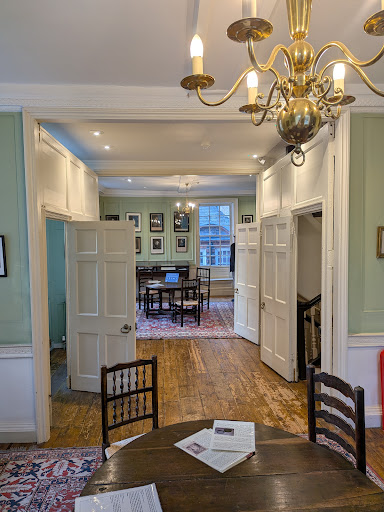
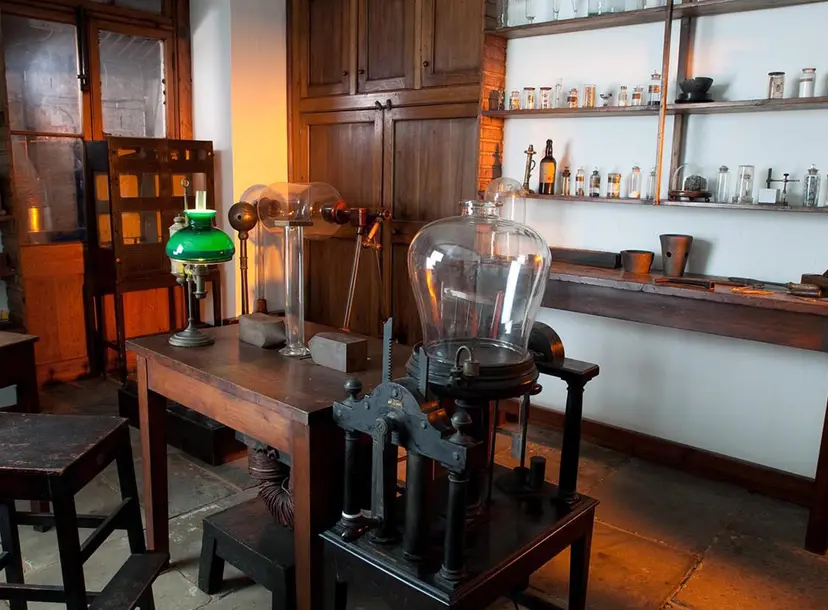
The quarrel stalled the work; in 1831 Faraday used this basement and ring coil to discover induction,the basis of generators and transformers.
Nine years of work fill this London garret
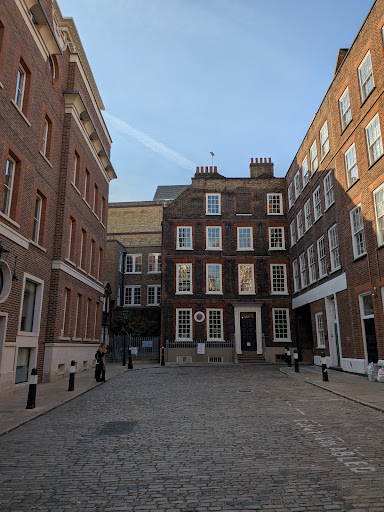
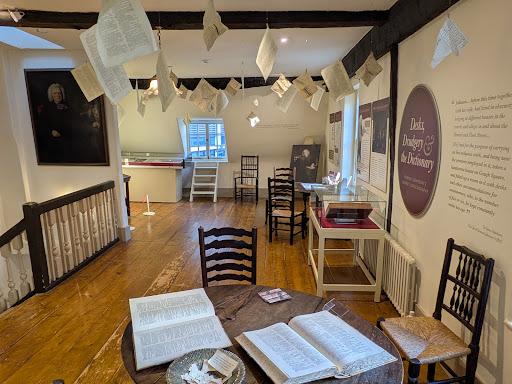
I just climbed Dr Johnson’s creaky townhouse in Gough Square, London, to the garret where he and his assistants completed the landmark Dictionary published in 1755.
First editions impressed me; a funny letter from his Literary Club friends made him human.
Paper slips hang above the desk, making the noisy, collaborative drudgery feel real.
Do go if you love words.
Attlee defended Windrush arrivals-then misread Britain’s future
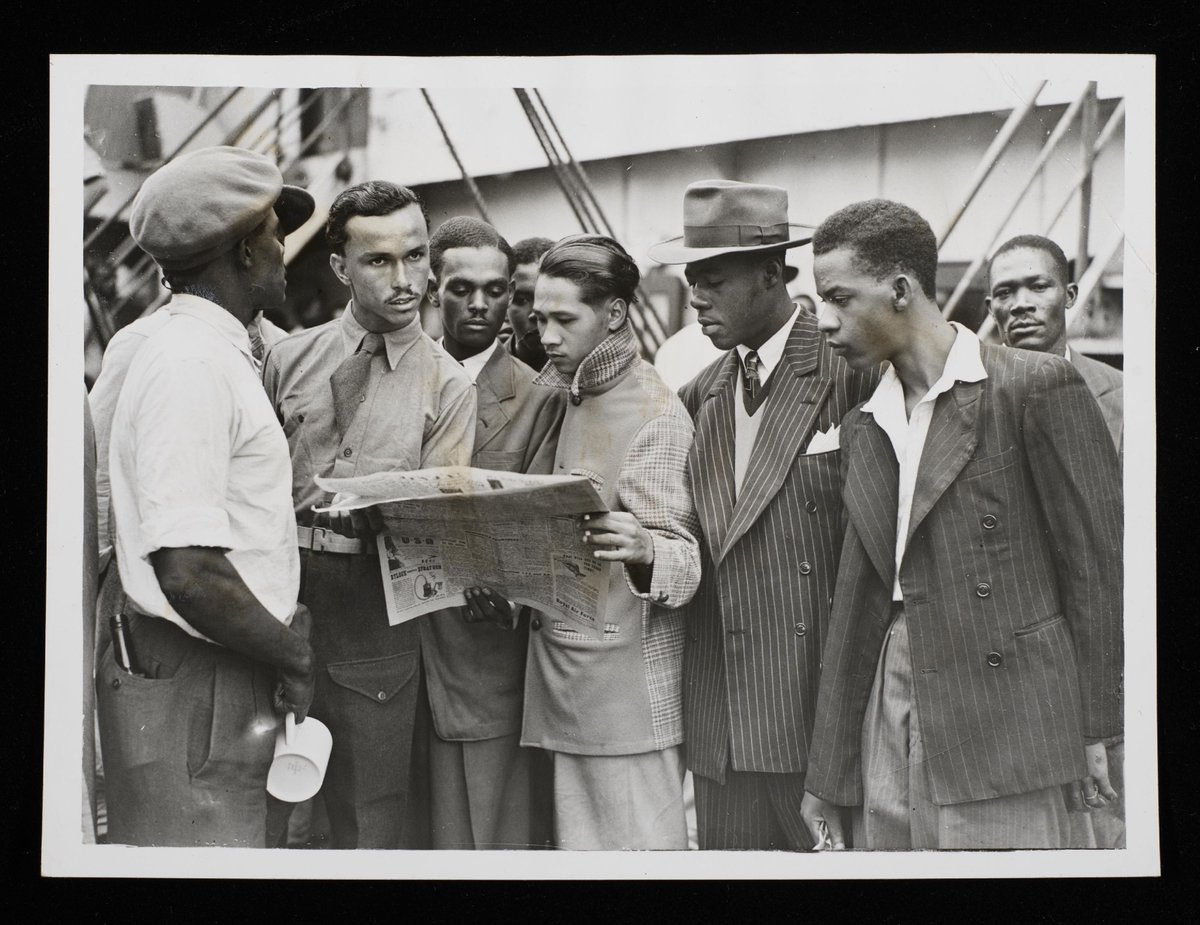
In post-war Britain in 1948, 11 Labour MPs urged Attlee to restrict Caribbean migration as Windrush passengers reached Tilbury, Essex, seeking work.
His reply defended free entry for British subjects “of whatever race or colour”, but stressed labour needs and colonial goodwill.
He predicted no similar large influx.
The record shows principle and paternalism together: resistance to exclusion, without recognising that Caribbean migrants would make Britain home.
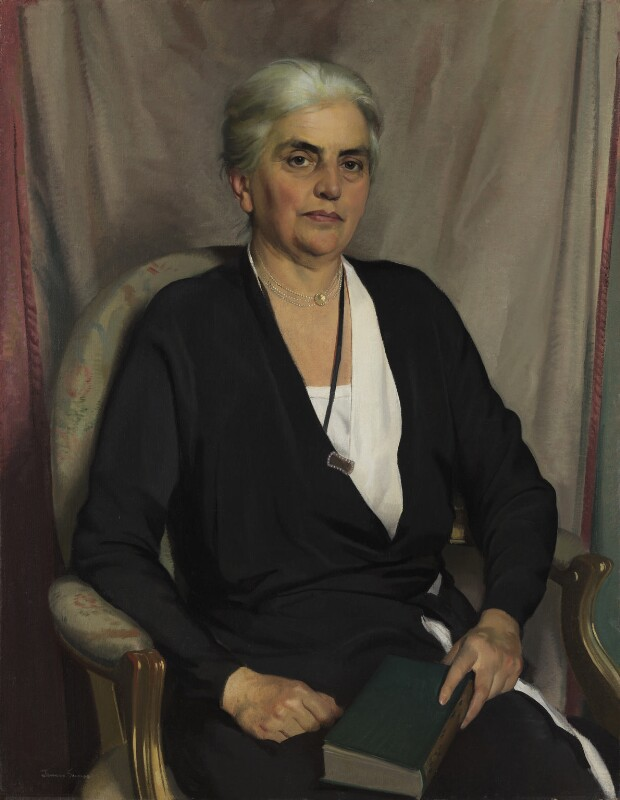
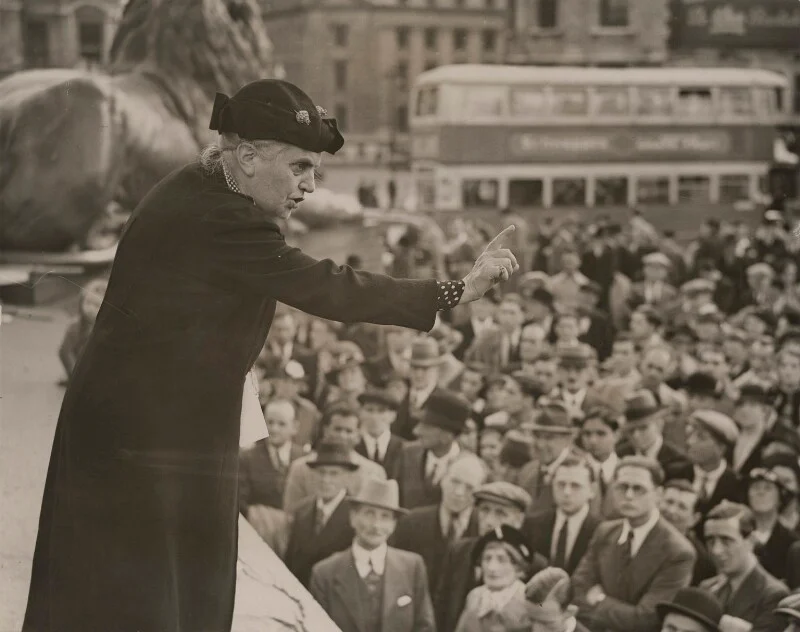
Eleanor Rathbone overturned the plan to pay fathers Britain’s new family allowance
In 1945, during the final months of the Second World War, Independent MP Eleanor Rathbone overturned the government’s plan to pay Britain’s new family allowance to fathers, securing the money for mothers after a campaign lasting more than a quarter of a century.
The argument began with an ordinary household problem: a wage might look adequate on paper, yet the same pay had to stretch across families of very different sizes.
Rathbone’s work among poor families in Liverpool convinced her that children’s needs could not be left to wages alone.
She began campaigning for a state family allowance in 1918, and in 1924 she set out the case in The Disinherited Family: regular public money should follow the child and reach the person buying the food and clothes.
That last point mattered because many married women had no income they controlled themselves.
Rathbone entered Parliament as an Independent in 1929 and kept returning to the proposal while governments delayed, unions worried employers might use allowances to hold wages down, and ministers resisted putting public money directly into women’s hands.
The Beveridge Report of 1942 finally placed children’s allowances inside its plan for social security, but the government’s Family Allowances Bill arrived in February 1945 with a bitter catch: the money would belong to the father.
After twenty-seven years, Rathbone had reached the door and found the old rule waiting behind it.
She organised support across party lines and told the Commons that the allowance was “not a prize for fatherhood”; it existed so children could be properly fed, clothed and housed.
Paying fathers, she said, was a “mistake in chronology” that dragged Britain backwards.
The government allowed MPs a free vote, and the resistance collapsed.
The Bill was amended so that the mother would normally receive the allowance, then became law on 15 June 1945.
It was not everything Rathbone wanted: the payment was five shillings a week, funded from taxation and available only for each child after the first, rather than the more generous scheme she had pressed for.
But it established something radical inside everyday family life: support for children could arrive as money in a mother’s own hands.
The first payments went out on 6 August 1946, seven months after Rathbone died.
She never saw a mother collect the money, but every payment travelled along the route she had fought to put into law.
Disraeli’s home was shut, leaving only mud
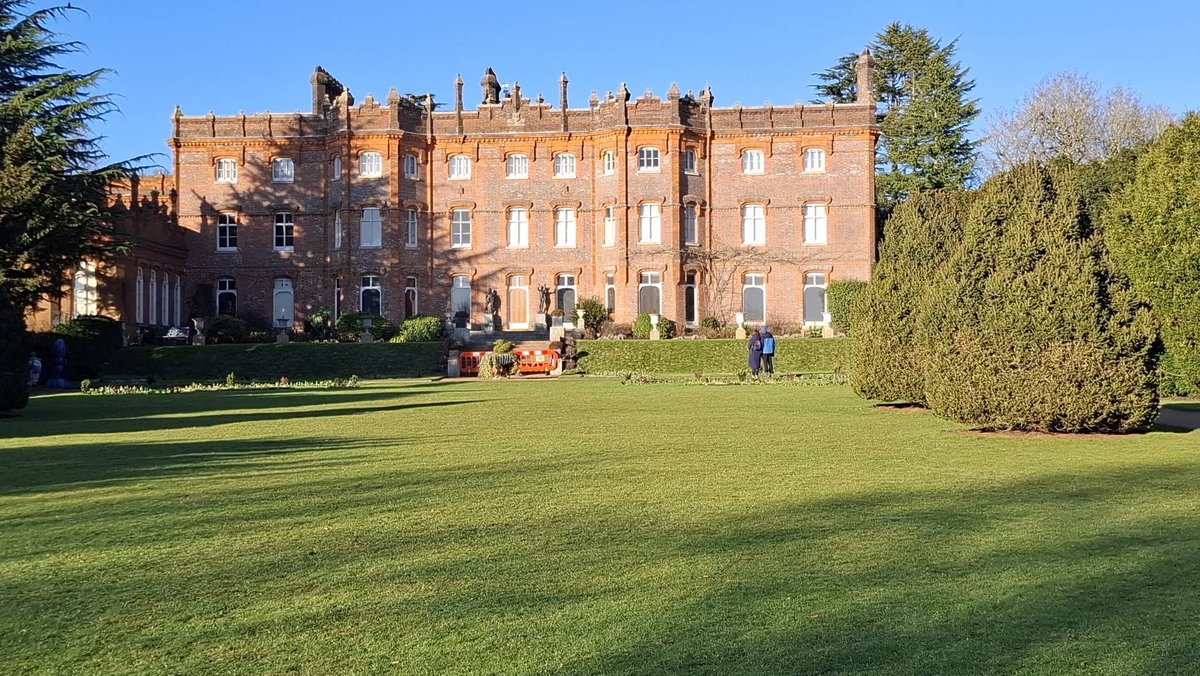
I took Louise to Hughenden Manor near High Wycombe, which Disraeli bought in 1848 before twice becoming prime minister, but the house was closed.
Its magnificent red-brick façade raised our hopes; instead we trudged the muddy grounds and finished everything in under an hour.
For a home meant to reveal political choices, this was a miserable let-down; check before travelling.
William Herschel’s soprano sister became Britain’s first salaried woman astronomer
At 19 New King Street in Bath from 1777, during the Georgian era, William trained Caroline Herschel as his observing assistant.
She recorded his observations, checked calculations and helped make telescope mirrors; William discovered Uranus from their garden in 1781.
Caroline later discovered comets and earned a scientific salary-William opened the door, but her exacting work made the career.
Samuel Plimsoll broke Parliament’s rules to stop overloaded ships
In 1875, Samuel Plimsoll, Liberal MP for Derby, was fighting “coffin ships”-overloaded or unseaworthy merchant vessels that could sink with their crews aboard.
This was Victorian Britain’s shipping boom, when some owners could insure ageing vessels heavily, load them dangerously and leave sailors carrying the risk.
Plimsoll had spent years demanding compulsory inspections and a visible line on every hull to show how deeply a vessel could safely sit in the water.
His 1873 book Our Seamen assembled cases of rotten hulls, reckless loading, lost ships and bereaved families, turning a technical rule into a national scandal.
He kept introducing bills, and in 1874 his proposal failed in the Commons by only three votes.
Then Benjamin Disraeli’s government brought forward its own Merchant Shipping Bill.
Plimsoll thought it weak, but hoped Parliament could strengthen it.
On 22 July 1875, Disraeli announced that the government would drop the bill as the session ran out.
Plimsoll snapped.
He begged the Prime Minister not to consign thousands of people to “undeserved and miserable death,” named ships lost with 87 lives, and accused ship-owning MPs of blocking reform.
When the Speaker asked whether “villains” referred to MPs, Plimsoll said it did.
Asked again and again to withdraw the word, he refused.
As he left the chamber, he turned back with one question: “Do you know that thousands are dying for this?”
The Commons considered reprimanding him, but allowed a week for him to recover from what allies described as severe strain.
Plimsoll returned on 29 July and apologised “frankly and sincerely” for breaking parliamentary rules.
Then came the line that mattered: he withdrew his language, but “not any statement of fact.”
The uproar sharpened public pressure, and the government rushed through a temporary Act giving the Board of Trade more power to stop unsafe ships.
The 1876 Act required British merchant ships to carry a disc and horizontal load line-but, awkwardly, owners still chose where to paint it.
The law caught up slowly: official tables followed, and in 1890 the Board of Trade gained control of the line’s position.
Modern international rules now require load marks amidships on both sides, adjusted for the waters and seasons a ship will face.
Plimsoll’s outburst was disorderly, and his first law was incomplete.
But the reform survived both.
The MP who would not withdraw one word left his name on a line that ships still cannot lawfully sink beneath.
In 1867, amid Victorian reform, MP John Stuart Mill tried to replace “man” with “person” so qualified women could vote.
He lost 73 to 196, but made Parliament debate women’s suffrage.
That courage still matters.
This MP’s wife made their protest rain inside Parliament
In 1875, during Victorian Britain’s fight over deadly “coffin ships”-merchant vessels overloaded or unfit for sea-Derby MP Samuel Plimsoll and his wife Eliza turned a blocked safety bill into a protest inside the House of Commons in Westminster, London.
These ships could be heavily insured, while the sailors sent aboard carried the danger and could face prison if they refused to sail.
Plimsoll’s answer was simple enough to understand at a glance: paint a line on a ship’s side showing the deepest it could safely sit in the water.
If waves washed above it, the ship was carrying too much.
He was not the first to suggest such a mark, but he made Parliament confront it.
Bills stalled, one of his proposals lost by three votes in 1874,and families kept waiting for men who did not come home.
Eliza had urged Samuel into the campaign and supplied the patience that his anger often lacked, but Victorian politics left her behind a grille in the Ladies’ Gallery.
On 22 July 1875, she arrived carrying a large bag and told a doorkeeper it held her husband’s night things.
In the chamber below, Prime Minister Benjamin Disraeli said there was no time to continue the Merchant Shipping Bill before the summer recess.
Samuel Plimsoll rose, accused shipping interests of sending men to their deaths, shook his fist, and refused the Speaker’s demand that he withdraw his words.
As he left, he turned back and cried, “Do you know that thousands are dying for this?”
Then Eliza opened the bag.
It held printed copies of their protest, which she scattered through the grille so they fell into the press gallery below.
Parliament could remove one angry MP from the chamber; it could not stop the argument raining onto the reporters.
Plimsoll returned a week later and apologised for breaking parliamentary rules, while pointedly refusing to withdraw his facts.
The uproar helped force the government to rush through a temporary law that summer, followed by the Merchant Shipping Act of 1876, which made the circular load mark compulsory.
Yet the victory was incomplete, because owners could still choose where to put the line until tighter rules arrived in 1890.
The familiar circle crossed by a line still marks ships today, but the medal struck for 22 July 1875 put Samuel’s face on one side and a sinking “coffin ship” on the other.
Eliza-the woman who made their evidence fall from Parliament’s ceiling-was nowhere on it.
Fleming’s restored laboratory tells only half the penicillin story
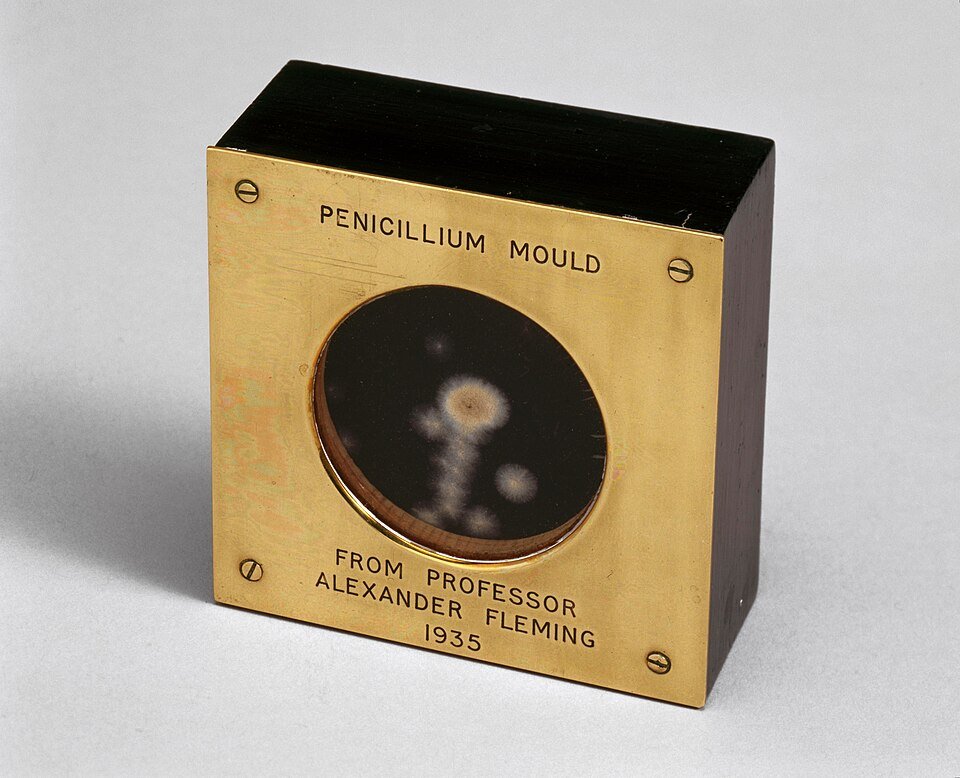
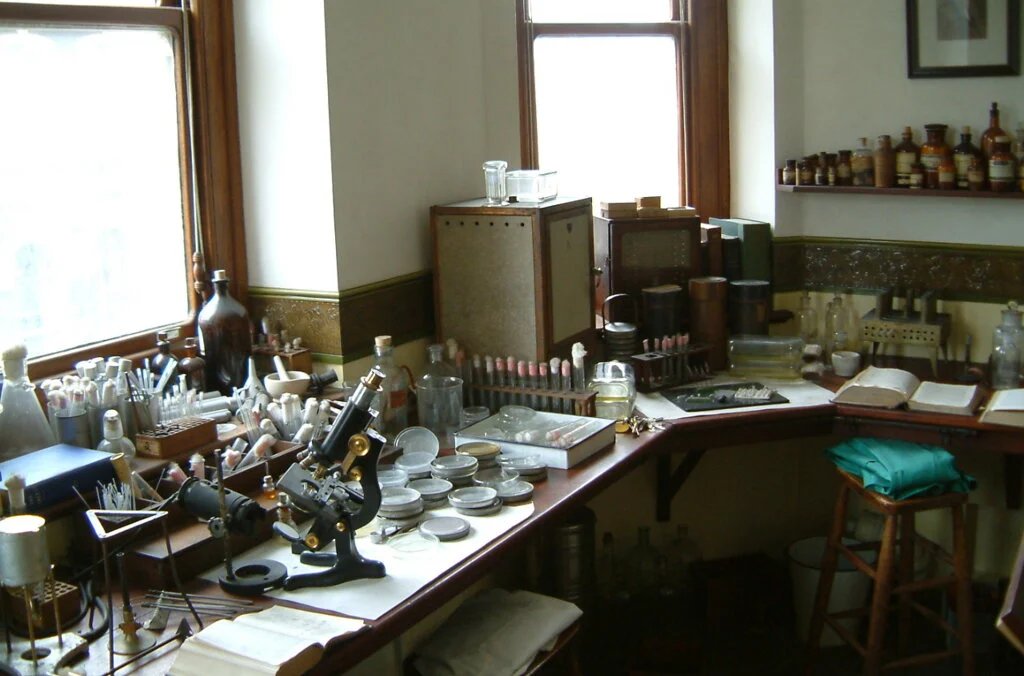
In 1928, between the world wars, Alexander Fleming noticed mould killing bacteria in this cramped room at St Mary’s Hospital in London, beginning the penicillin story.
But usable medicine came from years of work by Howard Florey’s Oxford team, including Ernst Chain and Norman Heatley.
The preserved place makes chance vivid; the result took a team.
Davy hired the bookbinder who copied his lectures
In 1812, during Britain’s Industrial Revolution, 20-year-old London bookbinder Michael Faraday made a hand-bound, illustrated copy of chemist Humphry Davy’s Royal Institution lectures.
It helped win Faraday a laboratory post there in 1813.
Davy gave Faraday access and training, but their relationship later broke down after Faraday’s 1821 paper on electromagnetic rotation-an effect behind the electric motor-did not properly acknowledge Davy and William Wollaston’s earlier work.
Faraday continued independently.
In that London basement in 1831, he discovered electromagnetic induction, the principle that makes electric generators work.