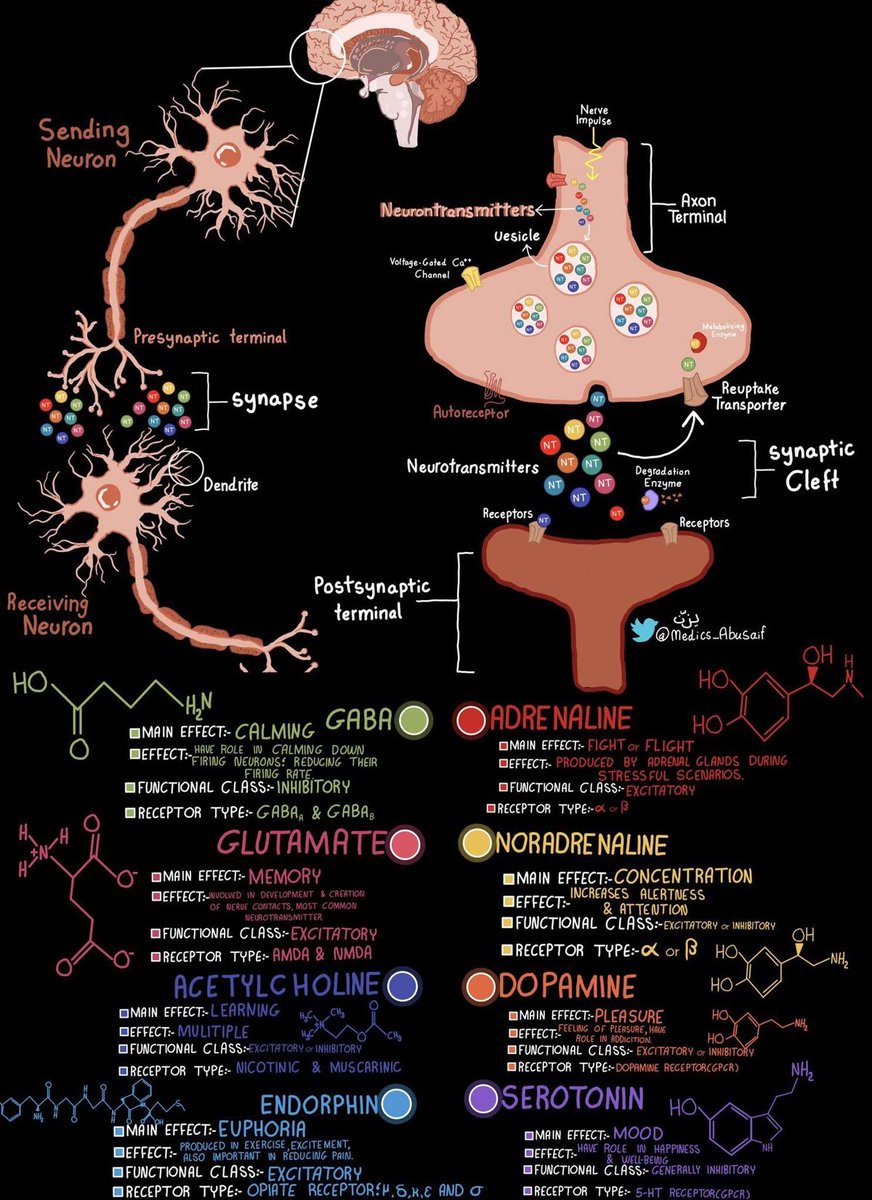
This is how neurons talk. And once you understand this, a lot of human behavior suddenly makes more sense.
GABA
Your brain’s main calming signal. Helps keep neurons from firing out of control. The reason relaxation is even possible.
Glutamate
The primary excitatory signal. Essential for learning, memory, and plasticity. Too little and you can’t think; too much becomes toxic.
Acetylcholine
Attention, learning, and muscle activation. This is the neurotransmitter that connects your brain to every voluntary movement your body makes.
Dopamine
Motivation, drive, reinforcement. It’s less about “pleasure” and more about assigning value to actions and outcomes.
Serotonin
Mood stability, appetite, sleep, emotional regulation. It’s involved in far more than most people realize.
Noradrenaline
Focus and alertness. Helps your brain tune out noise and lock onto what matters.
Adrenaline
The full-body alarm system—heart rate up, energy mobilized, senses sharpened. Classic fight-or-flight chemistry.
Endorphins
Your own built-in painkillers. Euphoria, relief, the “runner’s high.”
All of these are being released, absorbed, broken down, or recycled in fractions of a second—constantly.
When the balance shifts (because of sleep, stress, diet, trauma, exercise, or even a single thought), your internal experience shifts with it.
Understanding this tiny space between neurons is as close as you can get to understanding why you feel the way you feel.
Your hormones run your entire life, and most people have no idea how many of them exist or what they do.
Mood. Energy. Metabolism. Strength. Sleep. Stress. Fertility. Hunger. Recovery.
There’s a hormone for nearly every single function your body performs, and this chart shows just how many systems are working behind the scenes every second of every day.
A 15-second tour of the hormone systems that keep you alive:
🧠 Hypothalamus:
Your master controller. It tells the pituitary when to release hormones for growth, stress, metabolism, reproduction, and thyroid function.
⛅ Pineal Gland (Melatonin):
Your sleep-wake timer. If it’s disrupted, EVERYTHING feels off: mood, hunger, energy, immunity.
🛡 Thymus:
Where the immune system is trained. T-cells and B-cells learn here how to defend you from infection.
🧂 Parathyroid:
Manages calcium levels: essential for bones, muscles, nerves, and heartbeat rhythm.
🔥 Thyroid (T3 & T4):
Your metabolic accelerator. Controls how fast your body burns energy, your temperature, your hair, your mood, and even brain development.
🧯 Adrenal Glands:
Your stress engines.
Cortisol raises glucose when you need energy
Aldosterone controls sodium & blood pressure
Epinephrine/norepinephrine spark the “fight-or-flight” response
🩸 Pituitary:
The CEO of hormones: growth, lactation, fertility, thyroid signaling, stress response, fluid balance… it controls nearly everything.
🍽 Pancreas:
Insulin and glucagon. The hormones that decide whether you burn or store your food.
💪 Testes (Testosterone):
Controls muscle mass, bone strength, libido, sperm development, and energy.
🌸 Ovaries (Estrogen & Progesterone):
Regulate the menstrual cycle, pregnancy, bone density, metabolism, and even emotional stability.
Hormones don’t just influence your body,
they coordinate it.
If one system is overproducing or underproducing, you’ll feel it everywhere:
Understanding hormones is understanding yourself.
@st0nkb0t11k@SueIeraci I prefer to use the term "effective dose" instead
High dose could range anywhere from 10-1000x the RDA.
However, the EFFECTIVE dose is usually in the 200mg-1000mg range (depending on form)
For that very reason, in fact
1. Dopaminergic neurons in the SN display functional thiamine deficiency (inhibition/blockade) of thiamine dependent enzymes. High dose thiamine reactivates them
2. Thiamine is inherently pro-dopaminergic. Supplementation evokes dopamine release in numerous regions of the brain
3. PD not only involves impairements in dopaminergic output, but impaired acetylcholine (cholinergic system) plays a KEY role and may actually be a precursor to problems with dopamine. Thiamine is needed for ACh function and can restore cholinergic output via several distinct mechanisms
On a mechanistic level, there are about 20+ different ways by which thiamine counteracts the driving pathology of PD, but also AD and other neurodegenerative conditions
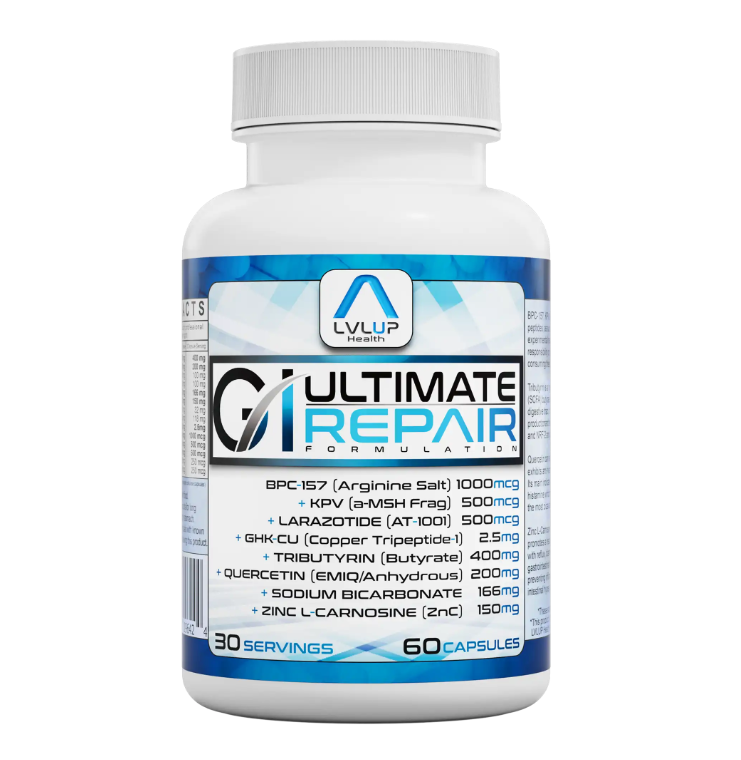
2) Ultimate GI Repair (Zinc Carnosine / BPC-157)
Bioactive peptides and precision nutrients help maintain gut lining integrity, digestive function, and barrier resilience."
Reinforces the gut barrier, supports tissue renewal, modulates the immune environment.
S-tier supplement.
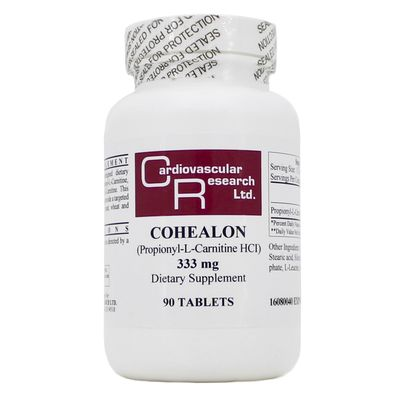
1) Propionyl-L-Carnitine
This specialised amino acid improves blood flow to your damaged gut tissues. Healing happens 3x faster with proper circulation.
It protects mitochondrial function and reduces inflammatory cytokines.
Game-changer for mucosal healing.
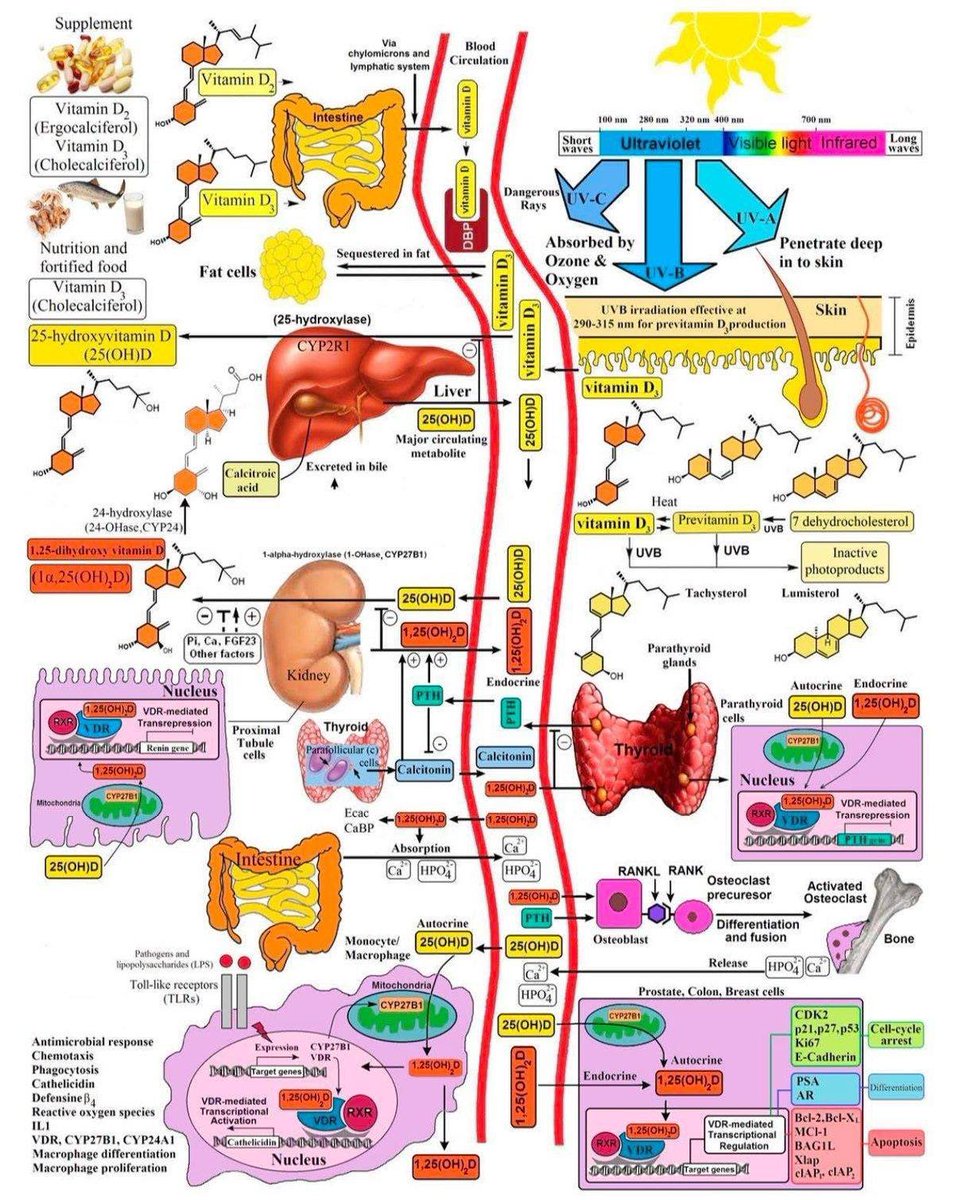
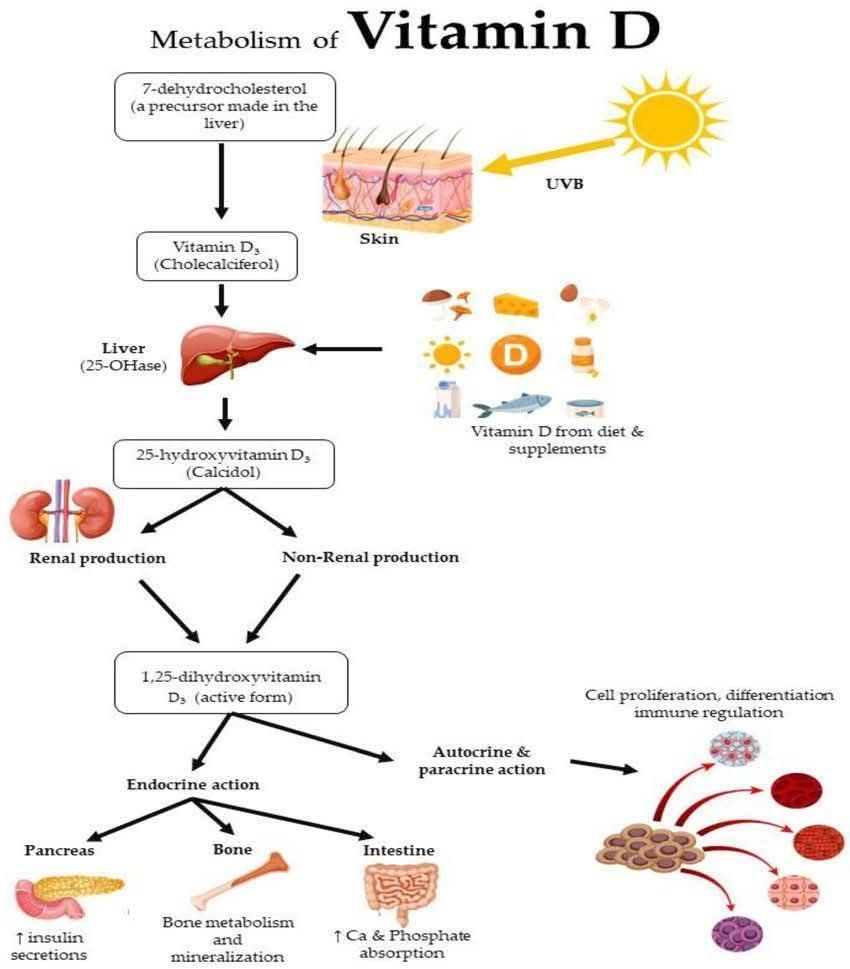
Vitamin D - built in 3 organs
Here’s the shortcut to how sunlight becomes a hormone in 7️⃣ steps:
1️⃣ Sunlight Sparks It
UVB converts 7-dehydrocholesterol in skin into Vitamin D₃.
💡 Low sun, sunscreen, darker skin → less D₃ formed.
2️⃣ Or You Eat It
Fatty fish, eggs, fortified foods, or supplements provide D₂/D₃.
💡 But it’s inactive when swallowed — still just “raw material.”
3️⃣ Liver Conversion Needs Magnesium
In the liver, enzymes (25-hydroxylase) turn D₃ → 25-hydroxy D (calcidiol).
💡 Magnesium is required here as a cofactor — low Mg = stalled activation.
4️⃣ Kidney Activation Needs Magnesium + Iron
In the kidney, 1α-hydroxylase turns calcidiol → calcitriol (active hormone).
💡 This step also needs magnesium. Iron supports enzyme activity, too.
5️⃣ Vitamin K2 Directs the Traffic
Active D increases calcium absorption, but K2 activates proteins (osteocalcin, MGP) that shuttle calcium into bone instead of arteries.
💡 D without K2 = calcium may end up in the wrong places.
6️⃣ Zinc + Vitamin A for the Receptor
Vitamin D works by binding to the Vitamin D Receptor (VDR), which needs zinc for structure and vitamin A (retinoic acid) for full function.
💡 Without these, signaling is weaker even if calcitriol is present.
7️⃣ The Payoff
Active vitamin D regulates calcium & phosphate balance, strengthens bones, helps the pancreas release insulin, and modulates immunity.
💡 But without magnesium, K2, zinc, and vitamin A, the chain breaks.
Amino acids and the brain: how protein shapes cognition
Amino acids aren’t just for muscle; they’re the raw materials for neurotransmitters, brain energy, and communication between neurons. Every thought, mood, and memory depends on them.
1️⃣ The Building Blocks of Brain Chemistry
Amino acids are the foundation of neurotransmitters, the brain’s chemical messengers.
Tryptophan → Serotonin & Melatonin (mood and sleep)
Tyrosine → Dopamine, Norepinephrine, Epinephrine (motivation, focus, alertness)
🟢 Example: Low tryptophan can flatten mood, while adequate tyrosine supports motivation under stress.
2️⃣ Fuel and Communication for Neurons
Amino acids like glutamine, serine, and glycine regulate excitatory and inhibitory balance; the brain’s “on/off switch.”
Glutamine → Glutamate & GABA, the main excitatory and calming neurotransmitters.
Serine & Glycine fine-tune learning and memory through NMDA receptors.
🟢 Example: Balanced glutamate–GABA activity is essential for focus without overstimulation.
3️⃣ Energy and Cognitive Endurance
Some amino acids, like leucine, methionine, and valine, support brain metabolism and mitochondrial function.
They can be used as alternate fuels or regulate appetite and alertness signals.
🟢 Example: During fasting or exercise, these amino acids help sustain mental energy.
4️⃣ Neuroprotection and Plasticity
Arginine makes nitric oxide, improving blood flow and synaptic plasticity (the brain’s ability to adapt).
Histidine produces histamine, which modulates alertness and memory.
🟢 Example: Arginine helps the brain stay flexible - crucial for learning and repair.
5️⃣ Mood, Stress, and Cognition. The "Integration Point"
Together, these amino acids fuel neurotransmitter synthesis, energy metabolism, and neuronal communication- the biochemical basis of focus, learning, and mood stability.
🟢 Example: A diet rich in quality protein ensures the brain has the ingredients it needs to think clearly and regulate emotion.
Amino acids are more than protein fragments; they’re the language of the brain. They build neurotransmitters, power neurons, and regulate cognition, mood, and focus. Every clear thought and calm mood begins with these molecular messengers.
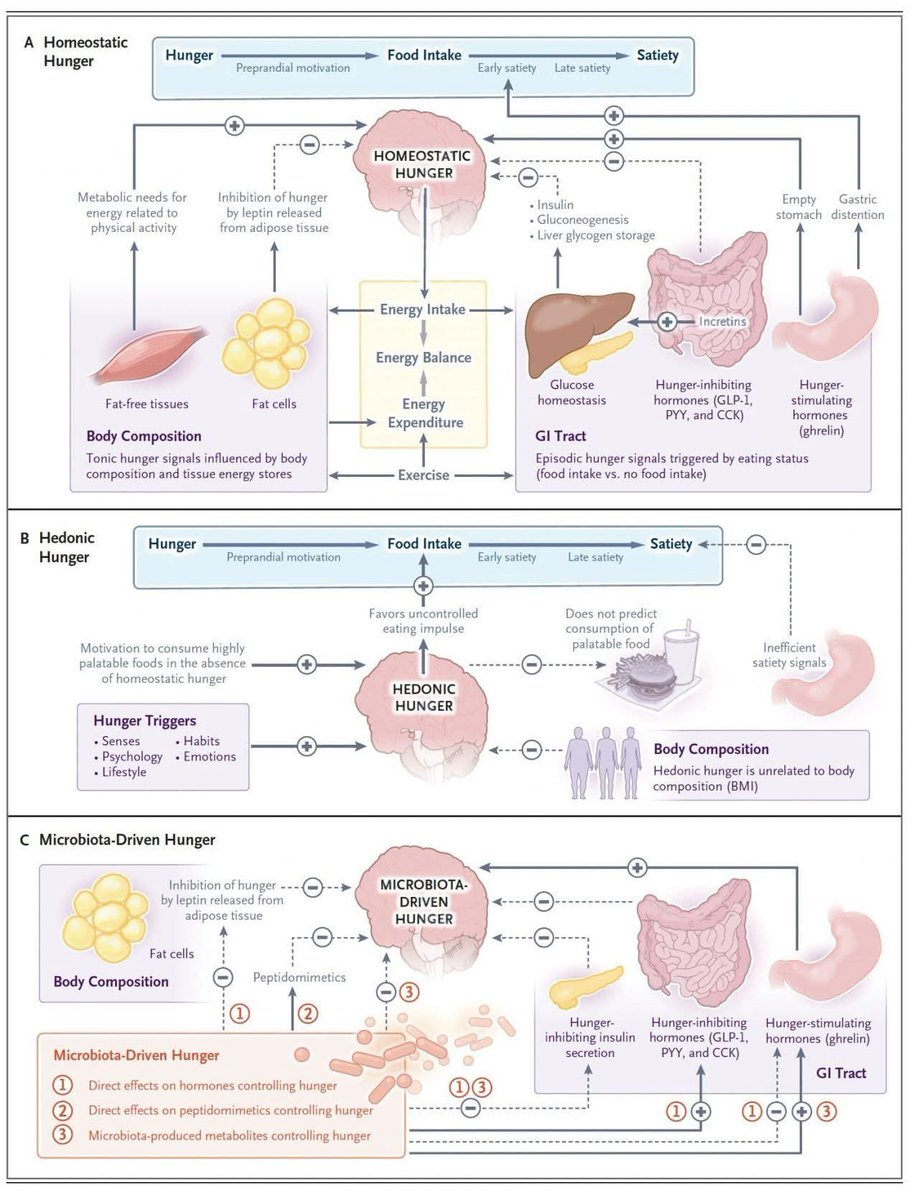
3 types of hunger explained "simply"
Hunger isn’t just about an empty stomach. Your brain receives signals from body composition, hormones, emotions, and even gut microbes. Here’s how the three major types work:
1️⃣ Homeostatic Hunger (Energy Balance Hunger)
This is your body’s “fuel gauge.” It rises and falls based on energy needs and metabolic signals.
What drives it: Ghrelin from the stomach stimulates hunger; leptin from fat cells and incretin hormones (GLP-1, PYY, CCK) reduce it.
What it does: Ensures your intake matches your energy needs for exercise, growth, and tissue repair.
🟢 Example: After a long run, homeostatic hunger pushes you to replace calories and glycogen.
2️⃣ Hedonic Hunger (Reward-Driven Hunger)
This is your “food pleasure” system. It’s triggered by sight, smell, habits, and emotions, not by actual energy needs.
What drives it: Brain reward circuits activated by highly palatable foods (sugar, fat, salt).
What it does: Encourages eating even when you’re not truly hungry. Weak satiety signals make it harder to stop.
🟢 Example: Craving dessert after dinner even though you’re full.
3️⃣ Microbiota-Driven Hunger (Gut Microbe Hunger)
Your gut bacteria also shape hunger signals by producing metabolites that influence hormones and the brain.
What drives it: Microbes generate compounds that mimic hunger or satiety signals, affect insulin, and modulate ghrelin, GLP-1, and PYY.
What it does: Links gut health to appetite regulation and metabolic control.
🟢 Example: Certain bacterial imbalances may increase cravings or weaken satiety, nudging overeating.
Fasano, A. (2025). The physiology of hunger. The New England Journal of Medicine, 392(4), 372–381.
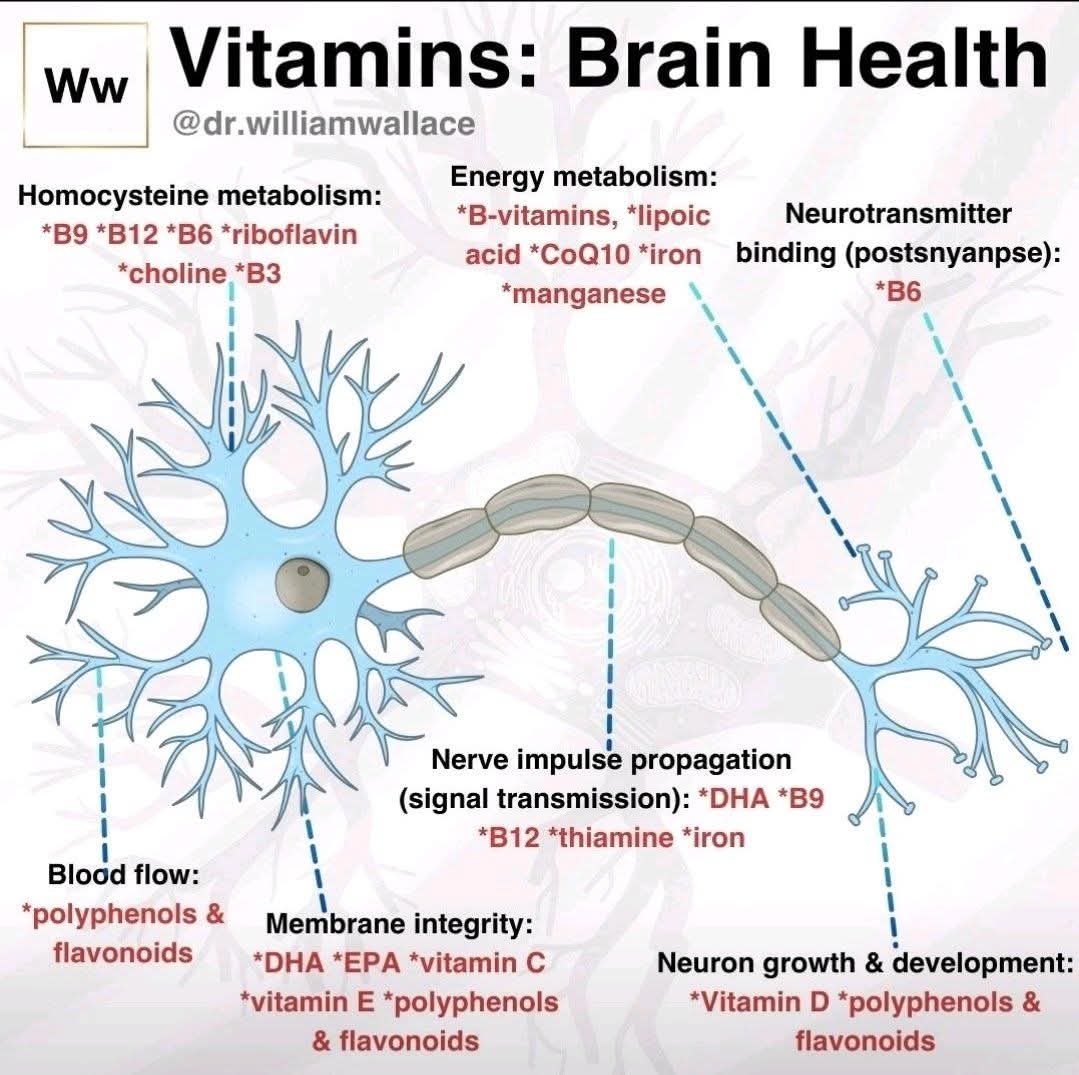
Vitamins and brain health how micronutrients power the nervous system
Your brain is the most energy-hungry organ in the body. Every thought, movement, and emotion depends on a continuous supply of nutrients that maintain energy production, neuronal structure, and neurotransmitter balance. Vitamins and bioactive compounds do not just support brain health in a general sense; they perform specific biochemical roles in how neurons generate, transmit, and respond to signals.
1️⃣ Homocysteine Metabolism
Vitamins B6, B9 (folate), B12, riboflavin, choline, and niacin (B3) regulate homocysteine, an amino acid that can damage blood vessels and neurons when elevated. Adequate folate and B12 reduce homocysteine levels, supporting long-term cognitive function.
🟢 Example: Supplementing B12 and folate in older adults with elevated homocysteine has been shown to slow brain atrophy and improve memory performance.
2️⃣ Energy Metabolism
The brain needs a constant ATP supply to sustain signaling and plasticity. B vitamins, lipoic acid, CoQ10, iron, and manganese act as cofactors in mitochondrial energy production. A deficiency in thiamine (B1) or riboflavin (B2) impairs energy metabolism and can contribute to fatigue, poor focus, or cognitive fog.
🟢 Example: Patients with thiamine deficiency often experience reversible confusion and energy loss once repleted with B1.
3️⃣ Neurotransmitter Synthesis and Binding
Vitamin B6 is required to convert amino acids into neurotransmitters such as serotonin, dopamine, and GABA. Low B6 disrupts these conversions and weakens mood regulation.
🟢 Example: B6 supplementation in individuals with low serotonin production improves emotional stability and stress resilience by restoring neurotransmitter balance.
4️⃣ Nerve Signal Transmission
Efficient signal propagation relies on nutrients that maintain myelin integrity and axonal firing. DHA, folate (B9), B12, thiamine, and iron are all critical for this process.
🟢 Example: Low B12 can lead to nerve demyelination and neuropathy, while DHA from omega-3s improves communication speed between neurons.
5️⃣ Membrane Integrity
Neuronal membranes are rich in fats that are easily oxidized. DHA, EPA, vitamins C and E, and polyphenols protect and stabilize these membranes.
🟢 Example: Vitamin E helps prevent oxidation of brain fats, and vitamin C regenerates vitamin E, maintaining optimal membrane fluidity and receptor function.
6️⃣ Neuron Growth and Development
Vitamin D, polyphenols, and flavonoids influence neuronal growth, repair, and plasticity.
🟢 Example: Vitamin D receptors in the hippocampus regulate genes tied to memory formation, while berry polyphenols increase brain-derived neurotrophic factor (BDNF), promoting neurogenesis.
7️⃣ Blood Flow and Oxygen Delivery
Polyphenols and flavonoids enhance vascular function and cerebral blood flow, ensuring that neurons receive adequate oxygen and nutrients.
🟢 Example: Cocoa flavanols and blueberry extracts have been shown to increase brain blood flow and improve cognitive performance in both young and older adults.
Brain performance relies on more than calories and oxygen. Micronutrients provide the molecular infrastructure for energy production, neurotransmission, protection, and plasticity. B vitamins fuel mitochondria, DHA and antioxidants preserve neuronal membranes, and polyphenols and vitamin D enhance repair and blood flow. The right micronutrients do not just protect the brain; they help it adapt, learn, and thrive.
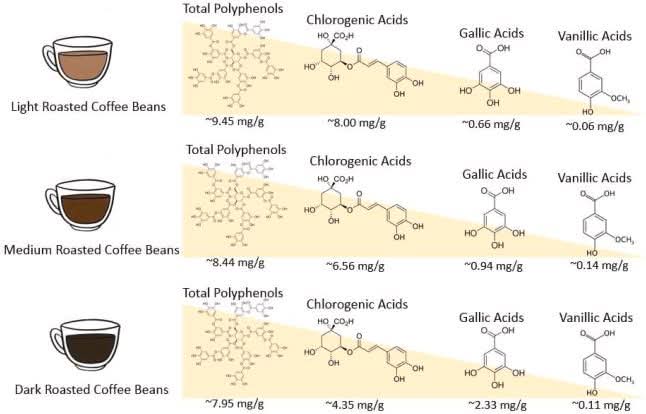
How Coffee Roasting Changes Chlorogenic Acids (and Other Antioxidants)
Coffee beans are packed with chlorogenic acids - plant compounds that help regulate blood sugar, protect blood vessels, and act as antioxidants. Roasting changes how much of these (and other polyphenols) end up in your cup:
1️⃣ Light Roast
Highest total polyphenols (~9.45 mg/g).
Chlorogenic acids dominate (~8.0 mg/g).
🟢 Example: Lighter roasts keep the most chlorogenic acids, which may support glucose control and vascular health.
2️⃣ Medium Roast
Slightly fewer polyphenols (~8.44 mg/g).
Chlorogenic acids fall (~6.56 mg/g), while gallic acids rise (~0.94 mg/g).
🟢 Example: Some chlorogenic acids break down, but roasting creates new antioxidant compounds like gallic acid.
3️⃣ Dark Roast
Lowest total polyphenols (~7.95 mg/g).
Chlorogenic acids drop sharply (~4.35 mg/g).
Gallic acids peak (~2.33 mg/g).
🟢 Example: Dark roasts lose much of their chlorogenic acid but swap in different antioxidant chemistry from roasting.
Chlorogenic acids = the main health-promoting polyphenols in coffee, highest in light roast.
Gallic acids increase with darker roasts, bringing a different antioxidant profile.
The roast you choose shifts the balance, but all deliver unique benefits.
Where neurotransmitters and micronutrients team up in your body
Neurotransmitters are chemicals that help your brain and nerves communicate, and they rely on micronutrients to be made. This chart shows how amino acids like L-phenylalanine and L-tryptophan turn into key neurotransmitters with the right vitamins and minerals.
1️⃣ Dopamine, Norepinephrine, Epinephrine (from L-phenylalanine) These "feel-good" and stress-response chemicals start with L-phenylalanine, turning into L-tyrosine, then L-DOPA, and finally dopamine. Iron, niacin, and vitamins C and B6 help this process. Dopamine becomes norepinephrine with copper and niacin, and epinephrine with SAMe and magnesium.
🟢 Example: Low vitamin C might slow dopamine production, affecting mood.
🟢 Example: Magnesium helps turn norepinephrine into epinephrine for energy during stress.
2️⃣ Serotonin and Melatonin (from L-tryptophan) L-tryptophan turns into 5-HTP, then serotonin, a mood and sleep regulator, with vitamins B6, C, and minerals like zinc. Serotonin becomes N-acetylserotonin with folate and SAMe, then melatonin with SAMe, aiding sleep.
🟢 Example: Low B6 can reduce serotonin, making you feel down.
🟢 Example: More tryptophan at night supports melatonin for better sleep.
3️⃣ Micronutrient Support Vitamins (like B6, C) and minerals (like iron, magnesium) act as helpers, ensuring each step works. Without them, your brain can’t produce enough neurotransmitters.
🟢 Example: Iron deficiency might stall dopamine, leading to fatigue.
🟢 Example: Calcium and folate keep serotonin and melatonin on track.
Your brain uses these nutrients to build neurotransmitters, starting with amino acids from food. The process happens in nerve cells, with vitamins and minerals acting like tools to keep mood, energy, and sleep balanced.
3 types of hunger explained "simply"
Hunger isn’t just about an empty stomach. Your brain receives signals from body composition, hormones, emotions, and even gut microbes. Here’s how the three major types work:
1️⃣ Homeostatic Hunger (Energy Balance Hunger)
This is your body’s “fuel gauge.” It rises and falls based on energy needs and metabolic signals.
What drives it: Ghrelin from the stomach stimulates hunger; leptin from fat cells and incretin hormones (GLP-1, PYY, CCK) reduce it.
What it does: Ensures your intake matches your energy needs for exercise, growth, and tissue repair.
🟢 Example: After a long run, homeostatic hunger pushes you to replace calories and glycogen.
2️⃣ Hedonic Hunger (Reward-Driven Hunger)
This is your “food pleasure” system. It’s triggered by sight, smell, habits, and emotions, not by actual energy needs.
What drives it: Brain reward circuits activated by highly palatable foods (sugar, fat, salt).
What it does: Encourages eating even when you’re not truly hungry. Weak satiety signals make it harder to stop.
🟢 Example: Craving dessert after dinner even though you’re full.
3️⃣ Microbiota-Driven Hunger (Gut Microbe Hunger)
Your gut bacteria also shape hunger signals by producing metabolites that influence hormones and the brain.
What drives it: Microbes generate compounds that mimic hunger or satiety signals, affect insulin, and modulate ghrelin, GLP-1, and PYY.
What it does: Links gut health to appetite regulation and metabolic control.
🟢 Example: Certain bacterial imbalances may increase cravings or weaken satiety, nudging overeating.
A guide to understanding how Omega-3s affect muscle
Omega-3 fatty acids (EPA and DHA), found in foods like fish, seeds, and certain oils, don’t just support heart and brain health. They also shape how your muscles use energy and build protein.
1️⃣ Omega-3s Start with Diet
You eat omega-3s in foods or supplements.
They’re absorbed in the small intestine and packaged into fat-carrying particles called chylomicrons and VLDL.
🟢 Example: Eating salmon delivers EPA and DHA into circulation quickly.
2️⃣ Distribution in the Body
These particles circulate in the blood, delivering omega-3s to liver, muscles, and fat tissue.
Some omega-3s are burned for energy, others are stored in cell membranes.
3️⃣ Integration into Muscle Membranes
EPA and DHA are built into muscle cell membranes (perimysium, endomysium).
This changes how membranes behave, making them more flexible and responsive to signals.
🟢 Example: Athletes often supplement omega-3s to improve recovery and performance.
4️⃣ Improved Insulin Sensitivity
With omega-3s in membranes, muscles respond better to insulin.
This means more glucose enters muscles, fueling glycogen storage and reducing fat buildup.
🟢 Example: Omega-3 intake has been linked to better blood sugar control.
5️⃣ Phospholipase Activity (Signaling Enzymes)
Enzymes break down membrane phospholipids into signaling molecules.
These molecules may:
Trigger protein synthesis (muscle growth).
Promote new sarcomeres (structural units of muscle fibers).
Reduce fat storage in muscle.
🟢 Example: This is one way omega-3s may enhance muscle repair after exercise.
6️⃣ Big Picture Outcomes
More long-chain omega-3s in muscle tissue.
Less fat storage in muscle (healthier muscle composition).
Improved energy use and potential benefits to protein synthesis.
Omega-3s integrate into muscle cells, improve insulin sensitivity, and may support recovery and muscle protein synthesis. Eating fish, flax, chia, or supplementing with fish oil helps fuel not just your brain, but your muscles too.
Ive not been super public about this, but in less than 200 days:
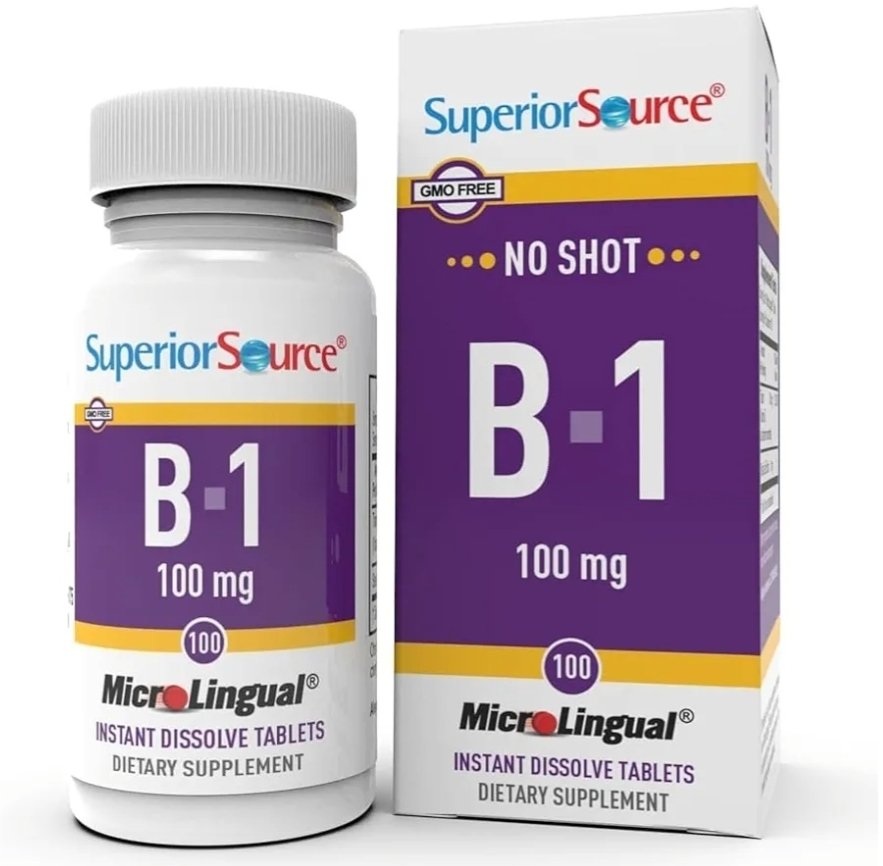
we've gotten significantly returned quality of life to a long-term Parkinson's patient and $8 bottles of sublingual thiamine tablets
(L-dopa had already stopped working for him. It only "works" about 5 years)
How the brain talks to the immune system
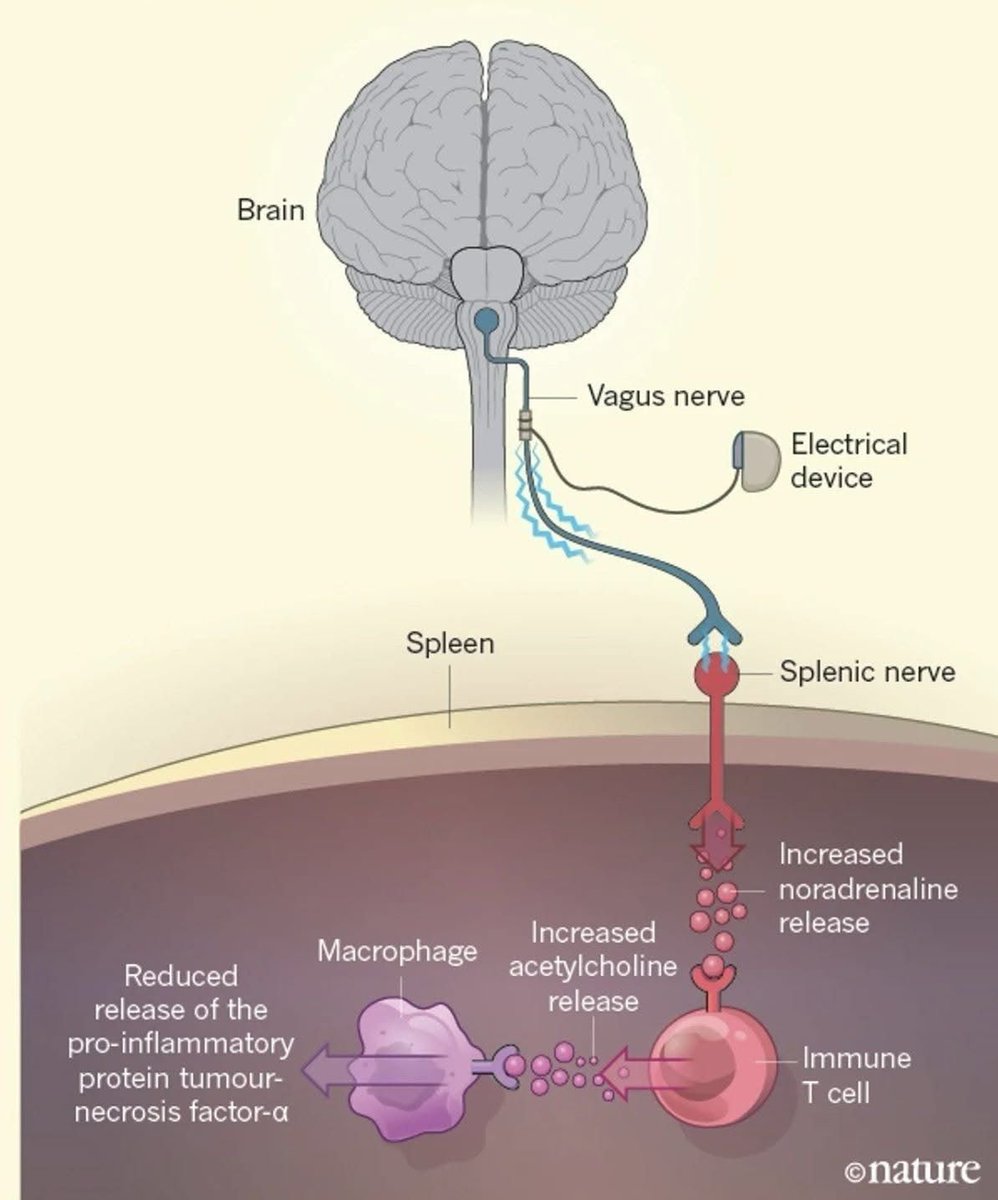
This diagram shows the inflammatory reflex - a neural circuit where the brain regulates inflammation through the vagus nerve. It’s how psychological stress, inflammation, and immune activity stay linked.
1️⃣ The signal starts in the brain
The vagus nerve carries electrical impulses from the brainstem to the spleen, the body’s blood-filtering and immune-coordinating organ.
🟢 Example: Deep breathing and meditation can activate the vagus nerve, lowering heart rate and reducing circulating inflammatory markers like CRP and IL-6.
2️⃣ The spleen acts as a relay
When the vagus nerve is stimulated, it triggers the splenic nerve to release noradrenaline, which activates immune T cells to release acetylcholine.
🟢 Example: In animal models, vagus nerve stimulation increased noradrenaline in the spleen within minutes, showing how fast the nervous system can modulate immunity.
3️⃣ Acetylcholine calms inflammation
This neurotransmitter binds to receptors on macrophages, reducing the release of tumor necrosis factor-α (TNF-α), an inflammatory cytokine involved in chronic disease.
🟢 Example: Clinical studies using implanted vagus nerve stimulators in rheumatoid arthritis patients lowered TNF-α levels and improved joint pain without immunosuppressive drugs.
The inflammatory reflex shows that inflammation isn’t just chemical, it’s electrical. The brain can literally tell the immune system when to stand down.
Daily nutrient essentials and where to find them
Vitamins and minerals work as the body’s biochemical support system—converting food into energy, building tissues, and defending against stress. Each has specific intake targets (RDA) and physiological roles that link diet directly to cell function.
1️⃣ Water-soluble vitamins (B-complex, vitamin C)
These nutrients dissolve in water and aren’t stored long term, so they must be consumed daily. B-vitamins drive carbohydrate, fat, and protein metabolism, while vitamin C supports collagen formation and immune defense.
🟢 Example: B1 (thiamin) and B3 (niacin) release energy from carbohydrates; B6 and B12 maintain nerve and red-blood-cell health; vitamin C strengthens capillaries and helps absorb iron.
2️⃣ Fat-soluble vitamins (A, D, E, K)
Absorbed with dietary fat and stored in liver and adipose tissue, these vitamins regulate vision, bone health, antioxidant defense, and blood clotting.
🟢 Example: vitamin A aids night vision and tissue growth; D helps absorb calcium for strong bones; E protects lipids from oxidation; K activates clotting factors.
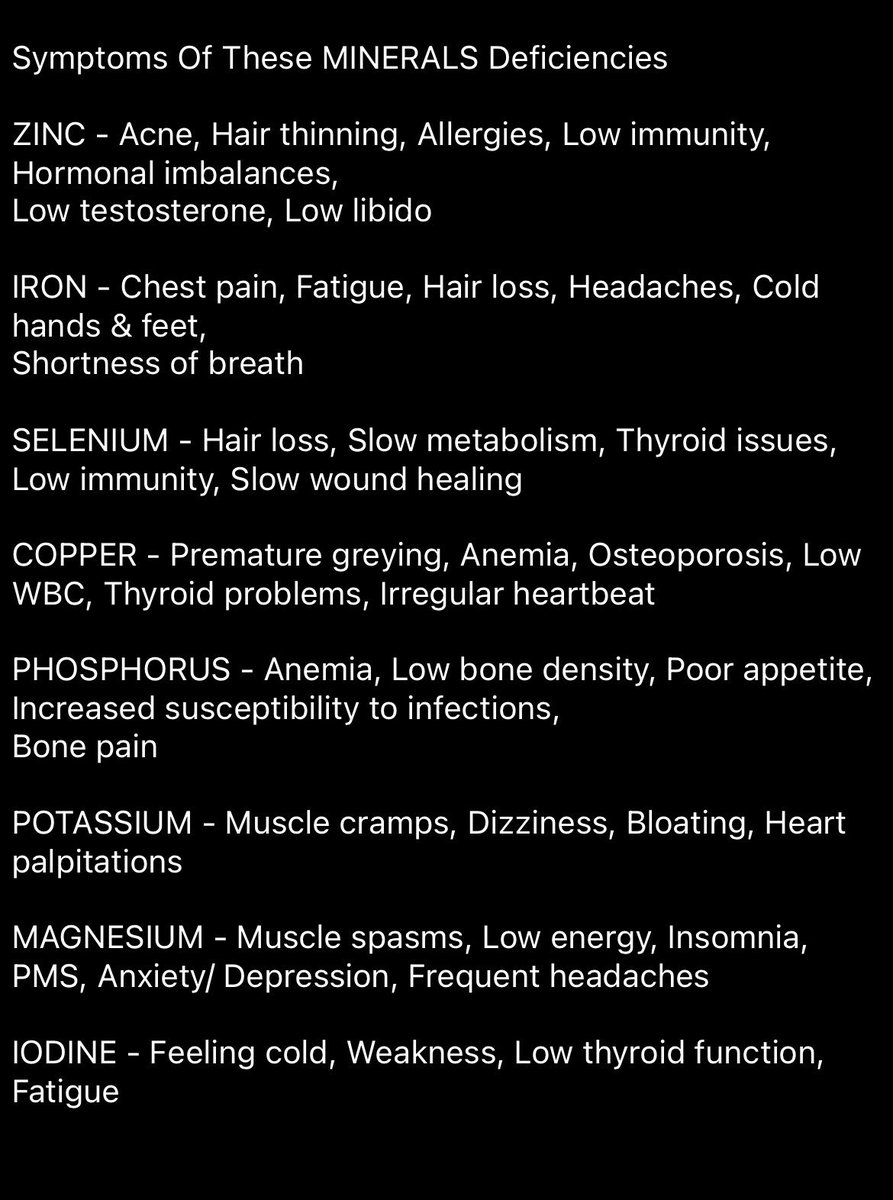
3️⃣ Major minerals (calcium, magnesium, phosphorus, potassium, sodium, chloride, sulfur)
Required in larger amounts, these minerals maintain bone structure, electrical balance, and muscle function.
🟢 Example: calcium and phosphorus form bone; magnesium supports ATP metabolism and muscle relaxation; potassium and sodium regulate fluid balance and heart rhythm.
4️⃣ Trace minerals (iron, zinc, selenium, copper, iodine, manganese, chromium, molybdenum, fluoride)
Needed only in micrograms to milligrams, yet essential for enzymes and hormones.
🟢 Example: iron carries oxygen in hemoglobin; zinc aids wound healing and immunity; selenium defends cells from oxidative damage; iodine fuels thyroid hormones that set metabolic rate.
Meeting these RDAs through whole foods—lean meats, seafood, nuts, grains, fruits, and vegetables—ensures that metabolism, repair, and neural function run at full capacity. Supplements can fill gaps, but balance and variety remain the foundation of nutrient sufficiency.