It really is shocking when you step back and look at the broader iatrogenic dynamic. You have normal, functioning people living ordinary lives who take commonly prescribed medications in good faith, become injured, and then find themselves not only struggling with the injury itself, but also facing disbelief, ridicule, dismissal, or hostility simply for asking for awareness, validation, and research.
What makes it especially disturbing is that many of these people did everything “right.” They trusted doctors, followed medical guidance, took approved medications, and sought help through the proper channels. Yet when things go wrong, the burden often shifts onto the injured person to prove their suffering is real, defend their credibility, fund research, and publicly expose deeply personal details just to be taken seriously.
A large part of the public reaction seems rooted in discomfort. People generally want to believe modern medicine is predictable, controlled, and safe for everyone. Acknowledging that serious, poorly understood adverse outcomes can happen challenges that sense of security. Instead of confronting that possibility, some people default to minimizing, rationalizing, or attacking the people reporting harm.
The irony is that most injured people are not asking for panic or fearmongering. They’re asking for informed consent, scientific curiosity, compassionate care, and recognition that adverse outcomes can exist, even if they’re uncommon or poorly understood. That’s a very reasonable position.
Anyone that demonizes people for speaking out about medication injury, or invents unfounded theories about why they’re doing it, should probably be taken with a grain of salt themselves.
⚠️ Imagine losing your health…
because of a hair-loss drug.
Not cancer treatment.
Not chemotherapy.
A cosmetic medication.
Thousands of young men report the same devastating aftermath:
• sexual dysfunction
• neurological damage
• emotional numbness
• severe depression
Some never recovered.
Some never survived.
This is why patients are speaking out.
Because no life should be destroyed over hair.
🪶 Listen to the patients.
#MoralMedicine #JusticeForHenryPetition #PFS #PSSD #MilanoProject #PharmaAccountability #IatrogenicAwareness
@HansAmato Im the best example. My gut got fcked up badly from finasteride two years ago. Since then my gaba signalling is dead, before all that i was very calm and confident and i had no gut or intestinal problems..
@HansAmato With how much should we start? Can you say the exact amount. 1g is enough? Dont want to push me in a worse state. I already have Crohns disease but cant calm down the whole day.. 😔
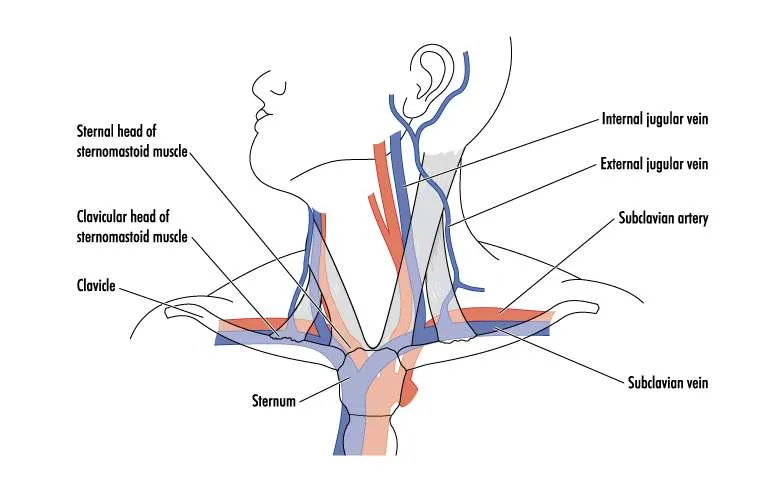
Rotating your neck right and left will improve drainage of toxic waste from the brain, allowing you to look and feel better instantly
look all the way right, back to neutral
look all the way left, back to neutral
Repeat 3 times.
You will notice the dramatic improvements in mood,confidence and energy as your brain clears from waste and the sewage system is finally cleaned out
(this is because neck muscles overlap the veins & arteries of your neck:
when tight - veins & arteries can become compressed, backing up fluid causing depression,anxiety,insecurity,hostility,jealousy,envy etc
when loose and relaxed - you feel confident,optimistic and amazing.
You will absolutely notice the difference
Red light (600-700nm) and near infrared (700-1000nm) improves function of any tissue you put it on.
Point it at your balls, it improves androgen expression. Point it at your scalp, it improves hair growth. And so on.
It does this through universally beneficial mechanisms:
- Boosting ATP (foundational energy currency)
- Reduces inflammatory pathways & cytokines
- Builds new mitochondria
- Increases blood flow
- Improves gene expression & repair
Application is a no-brainer when trying to repair/optimize organs or tissues. 15-20 minutes a day
We have a very special guest this week: Dr. Mayer Brezis, Professor of Medicine and Public Health at Hadassah Hebrew University in Jerusalem.
Dr. Brezis exposes one of the most disturbing failures in modern medicine. His landmark study concludes that Finasteride can cause depression, anxiety, and suicidality and that regulators ignored the warning signs for over two decades.
This isn’t speculation. It’s science, ethics, and accountability.
Watch the full interview now:
"Dr. Mayer Brezis on Finasteride: A Global Failure of Science, Regulation, and Ethics."
Subscribe, comment, and share to help break the silence.
Share your story: [email protected]
https://t.co/A2Qk0ePFMB