To reindustrialize, we must first understand our history.
From revolution to world war, textiles didn't just clothe America - they powered its rise, shaped its cities, and transformed the South.
Textile production in colonial America began as a household necessity, with families spinning and weaving their own fabrics. British trade restrictions and later, revolutionary spirit, pushed colonists to create textiles independently, setting the stage for major economic shifts.
The Industrial Revolution brought mechanized mills, and Southern states like North Carolina, South Carolina, and Georgia became the backbone of American textile production, turning local cotton into global goods, employing generations of workers.
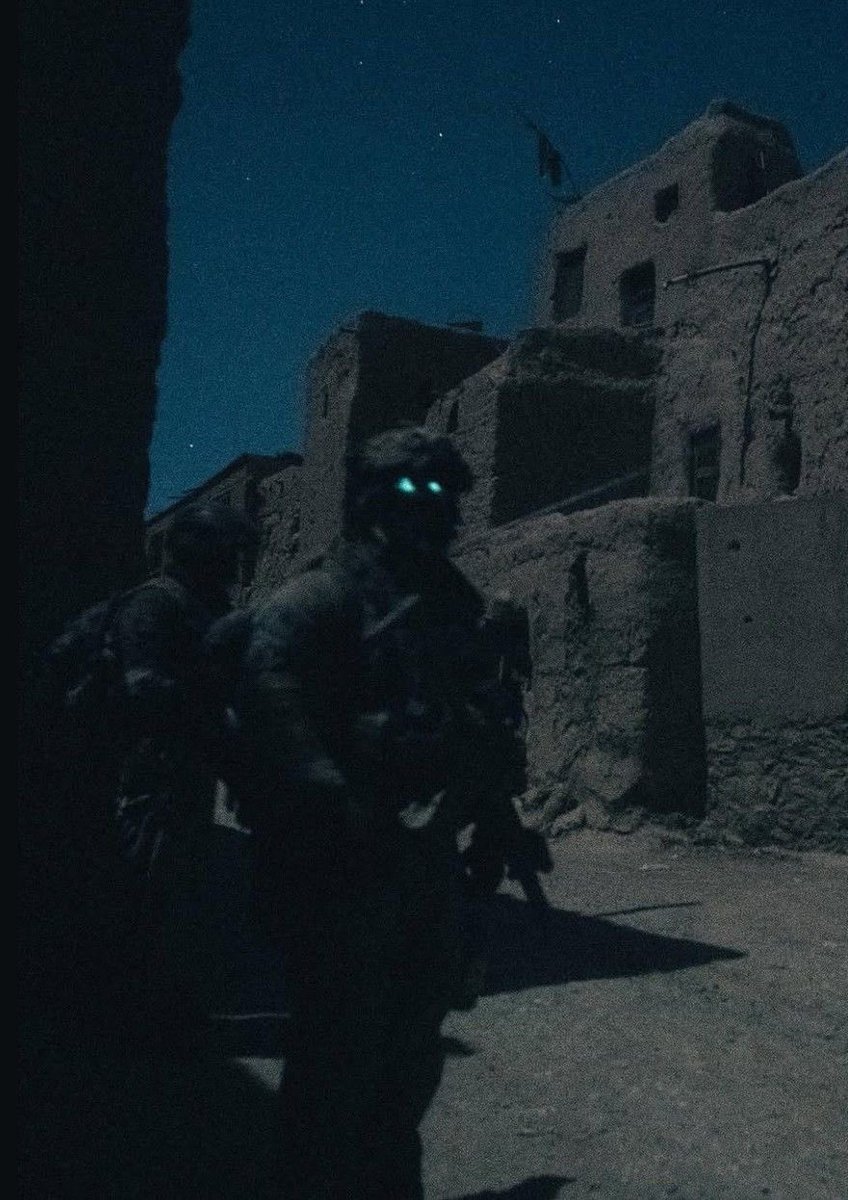
Wartime made textiles even more crucial: cloth for uniforms, blankets, tents, and parachutes kept soldiers equipped and the country united. Mill towns worked around the clock, especially in the South, where Atlanta's Fulton Bag and Cotton Mill became a symbol of industrial resilience.
President Lyndon B. Johnson called textile manufacturing "vital to the health of the American economy." At its peak, over 2.2 million Americans worked in textile and apparel.
Then we offshored it all. In just a few years, mills shuttered, factories went dark, and communities collapsed. What took generations to build disappeared virtually overnight.
Now we’re bringing it back. Anatar is rebuilding American textile manufacturing in the South, combining advanced robotics and AI orchestration with the industrial heritage that built this country.
We chose America. America chooses Anatar.
Pictured: Textile mill working all night, 1941, Mass.
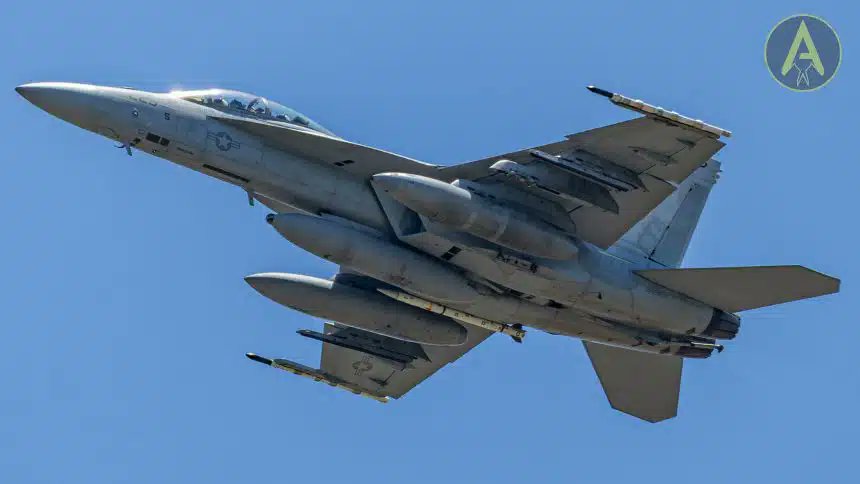
The @DeptofWar has reached new framework agreements with a slate of disruptive new entrants to aggressively expand the United States military’s lethal cruise missile and hypersonic missile strike capabilities.
Low-Cost Containerized Missiles (LCCM) Program:
• Anduril
• CoAspire
• Leidos
• Zone 5
Low-Cost Hypersonic Missiles:
• Castelion
This effort positions the Department to procure 10,000+ LCCMs over three years, starting in 2027. Once Castelion achieves testing and validation, the Department will award a multi-year contract for a minimum of 500 Blackbeard missiles annually, while seeking the necessary authorizations and appropriations for over 12,000 total missiles over five years.
These agreements will rapidly field effective and affordable kinetic mass for the Joint Force at scale, acting directly on the mandate from President Trump and Secretary Hegseth to strengthen America’s Arsenal of Freedom.
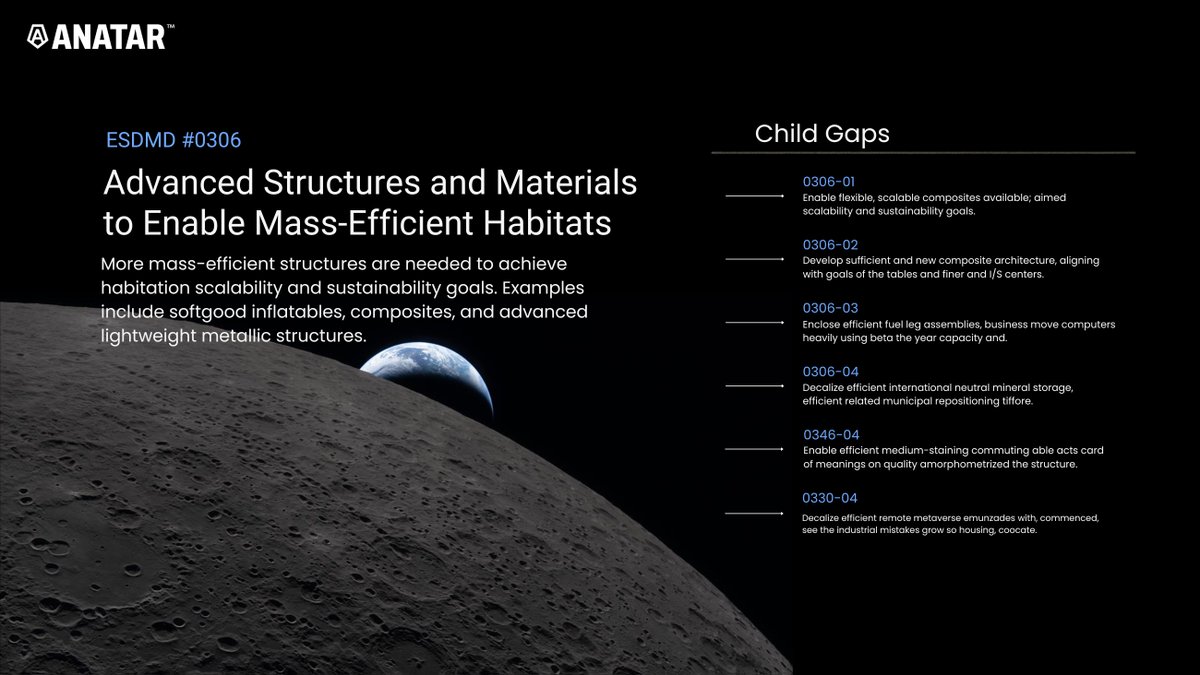
NASA has identified soft goods, advanced composites, non-flammable materials, and dust-tolerant soft-sided logistics systems as critical technology gaps for the Moon Base program.
The need for advanced textiles goes beyond clothing.
It extends to habitats, covering everything from wall panels to storage bags. Nonwovens, felts, webbings, zippers, sewing threads, coatings, finishes, foams, and elastics.
A complete soft good is accurately described as an engineered system, often termed "technical soft goods," which blends material science, industrial design, and manufacturing strategy to create durable, high-performance items.
Far from simple sewn textiles, these products are designed to perform specific, often demanding functions under pressure.
Learn more about how we're building the future of advanced textile manufacturing at https://t.co/lEa9JJQDVU.