Such a vicious statement from Saad Mohseni. He has just normalized everything happening against Afghan women. This is what Fanon called "black skin white masks".
The Afghanistan Hope
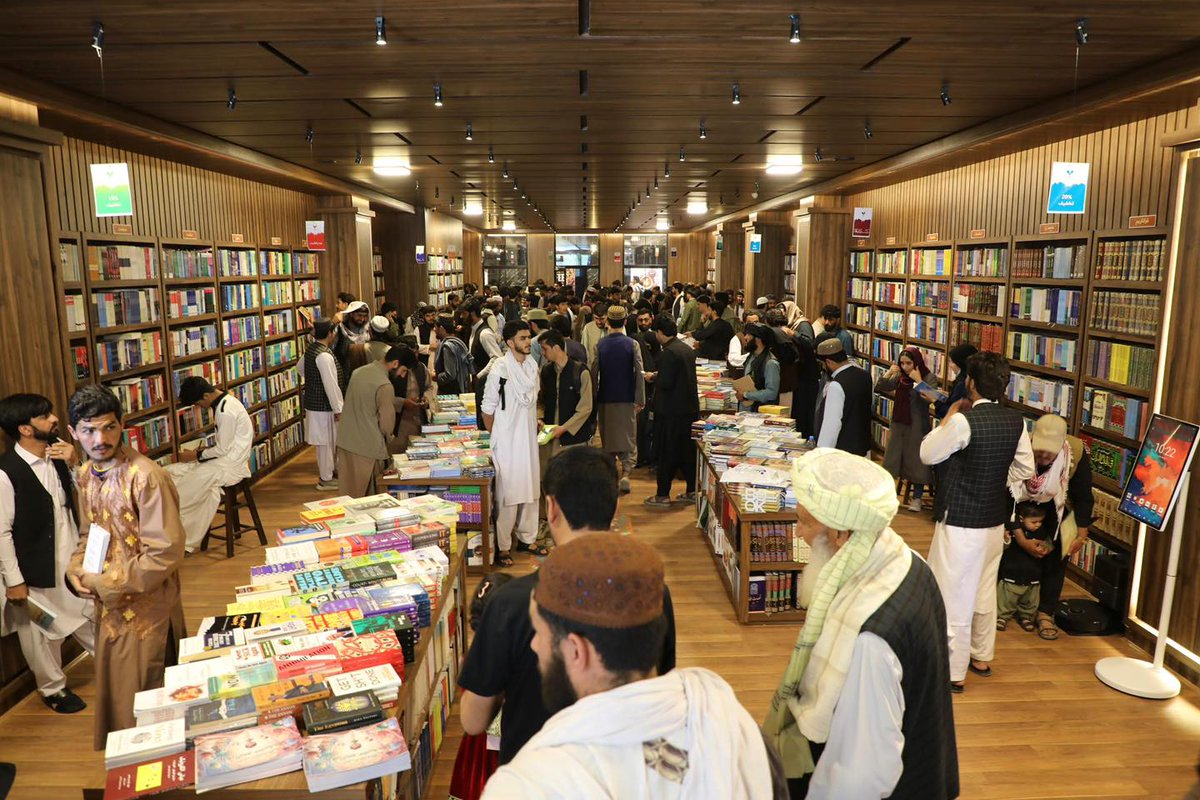
In these photos, young people gather on the very first day of the newly opened @aksosbookstore in Kabul.
These moments remind me of something deeper: despite all challenges, a nation turning toward knowledge, curiosity, and growth.
The path to a brighter future begins here in books, in ideas, in the simple act of reading.
#ResultsWithDeKoder | Early trends (8:20AM)
BJP Leading in West Bengal as per early trends.
Track real-time updates Trends on DeKoder: https://t.co/FODcMLdQyw
For LIVE analysis with Prannoy Roy(@PrannoyRoy7749), Dorab R. Sopariwala, Nidhi Razdan(@Nidhi), Sanket Upadhyay(@sanket), Monideepa Banerjie(@Monideepa62), Uma Sudhir(@umasudhir), Shikha Trivedy, Alok Pandey(@alok_pandey), Manish Kumar(@manishdekoder), Nidhi Kulpati(@NidhiKulpati5), and I.P. Bajpai
Watch The Verdict Live here.
English- https://t.co/muVwVpUwYr
Hindi- https://t.co/LJPBxbV261
📷
Peek makes a point. If Pawan Khera faces arrest for alleged fake passport photos of Mrs Mara why should not Sahib Singh’s son face arrest for peddling fake news about Kejriwal’s new house!?
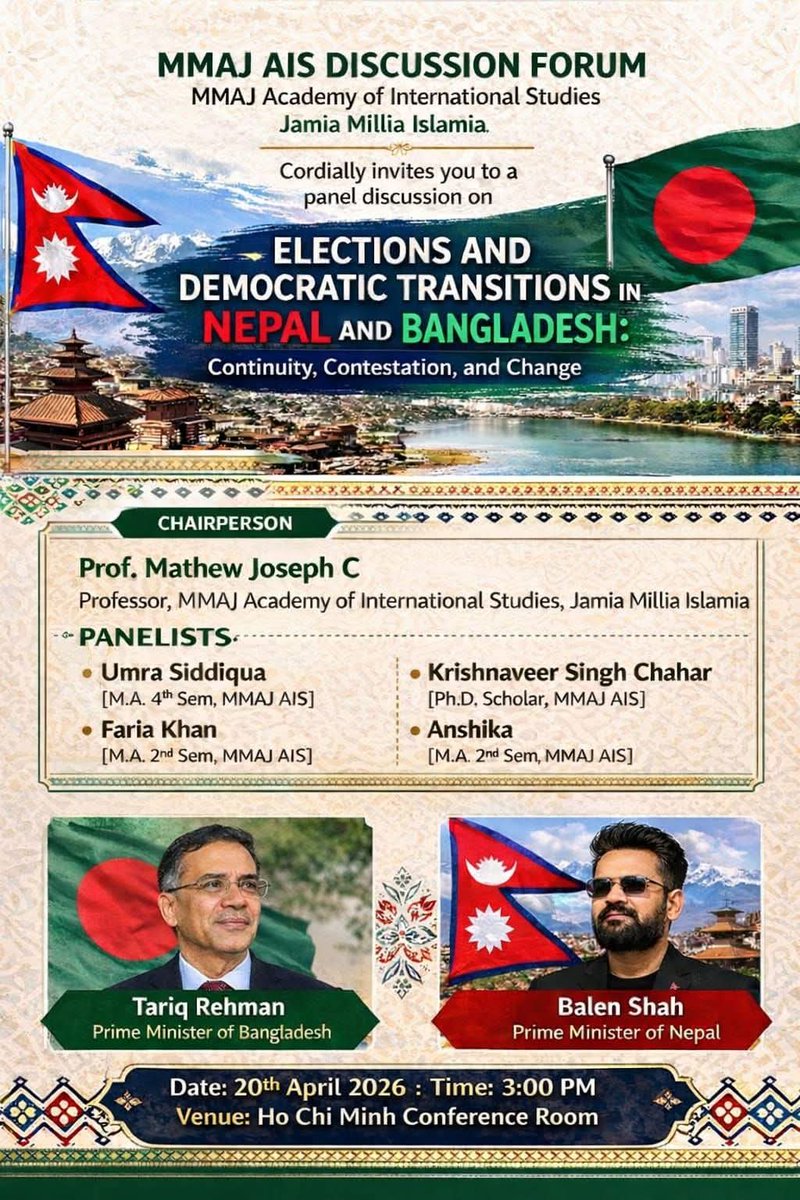
Our Academic Institution, MMAJ Academy of International Studies, Jamia Millia Islamia, New Delhi, cordially invites you for a panel discussion on Democratic Transition in Nepal and Bangladesh chaired by Prof. Mathew Joseph C
The Strait of Hormuz is one of the world's most critical energy chokepoints. Roughly 20-21 million barrels per day (mb/d) of crude oil and petroleum products — about 20-25% of global seaborne oil trade and ~20% of total world oil consumption — normally transit through it. Around 80% of this flow heads to Asia (especially China, India, Japan, and South Korea). It also carries significant LNG volumes, mainly from Qatar.
Disruptions here have outsized effects because bypass pipelines (e.g., Saudi East-West or UAE routes) have limited capacity and cannot fully offset the volume.Recent Events and Market ReactionEarlier in the 2026 Iran conflict (starting late February), effective closure or severe restriction of the strait caused one of the largest supply shocks in history. Brent crude surged past $120/barrel at peaks, with prices rising 10-50%+ in waves as exports from the Persian Gulf were stranded.
On April 17, Iran announced the strait is "completely open" to commercial vessels (including oil tankers) for the duration of the current ceasefire period, with coordinated routes near Iranian coasts and under Iranian authorization. Military vessels remain restricted.
Markets reacted sharply: Oil prices plunged 10-13% in a single session. Brent fell to around $86-89/barrel, while WTI dropped toward $79-83/barrel. This erased recent weekly gains but left prices still elevated compared to pre-war levels (~$70-72).
Stocks surged (e.g., Dow up 2%+, airlines, cruise lines, and housing-related firms gained strongly) on eased inflation fears and lower input costs.
However, uncertainty persists:The US naval blockade of Iranian ports remains in full force until a "100% complete" deal is reached, per President Trump.
Iran warns the strait’s status depends on ending the blockade; it could revert to "strict control" or closure otherwise.
https://t.co/2HjrDDTsaG
Broader Oil Market ImpactsSupply Side: Even partial restrictions stranded millions of barrels daily. The US and others released strategic reserves and issued sanctions waivers (e.g., for Russian oil) to mitigate shortages. Full reopening could gradually restore flows, but production ramp-up in the region takes time, and insurance/shipping risks remain elevated.
Price Volatility: Geopolitical risk premium has dominated. Spikes hurt importers; the recent drop provides short-term relief but could reverse quickly on any escalation.
Downstream Effects:Gasoline & Jet Fuel: US pump prices rose significantly during disruptions; the drop should ease consumer fuel costs.
Global Inflation: Higher oil feeds into broader prices, especially in energy-import-dependent economies.
Regional Winners/Losers: Gulf exporters faced revenue hits from stranded oil; Asian importers (heavily reliant on the strait) saw shortages and rationing risks earlier.
Longer-Term Outlook: Analysts note that even with reopening, lingering effects (damaged infrastructure, higher risk premiums, disrupted contracts) could keep prices supported above pre-crisis levels through 2026. Full resolution depends on negotiations.
Iran closes Strait of Hormuz again, citing US "piracy" and ongoing port blockade.IRGC: Control returned to "previous state" over US actions.
Trump: Naval blockade stays in force until deal with Iran is "100% complete."
Tensions persist amid claims of false statements from both sides.
Bottom LineThe Iranian announcement delivered immediate relief to oil markets by signaling restored commercial flows, triggering a sharp sell-off and equity rally. Yet the standoff over the US blockade introduces ongoing fragility — any breakdown in ceasefire talks could quickly re-tighten supply and send prices spiking again.This remains a fast-moving story heavily tied to diplomatic progress. Markets are pricing in cautious optimism for now, but the risk premium is far from gone.
#StraitOfHormuz #iranusisrael
𝗧𝗮𝗹𝗶𝗯𝗮𝗻 𝗔𝗱𝗺𝗶𝗻𝗶𝘀𝘁𝗿𝗮𝘁𝗶𝗼𝗻: 𝗜𝗻𝗰𝗹𝘂𝘀𝗶𝗼𝗻 𝗪𝗶𝘁𝗵𝗶𝗻, 𝗘𝘅𝗰𝗹𝘂𝘀𝗶𝗼𝗻 𝗕𝗲𝘆𝗼𝗻𝗱
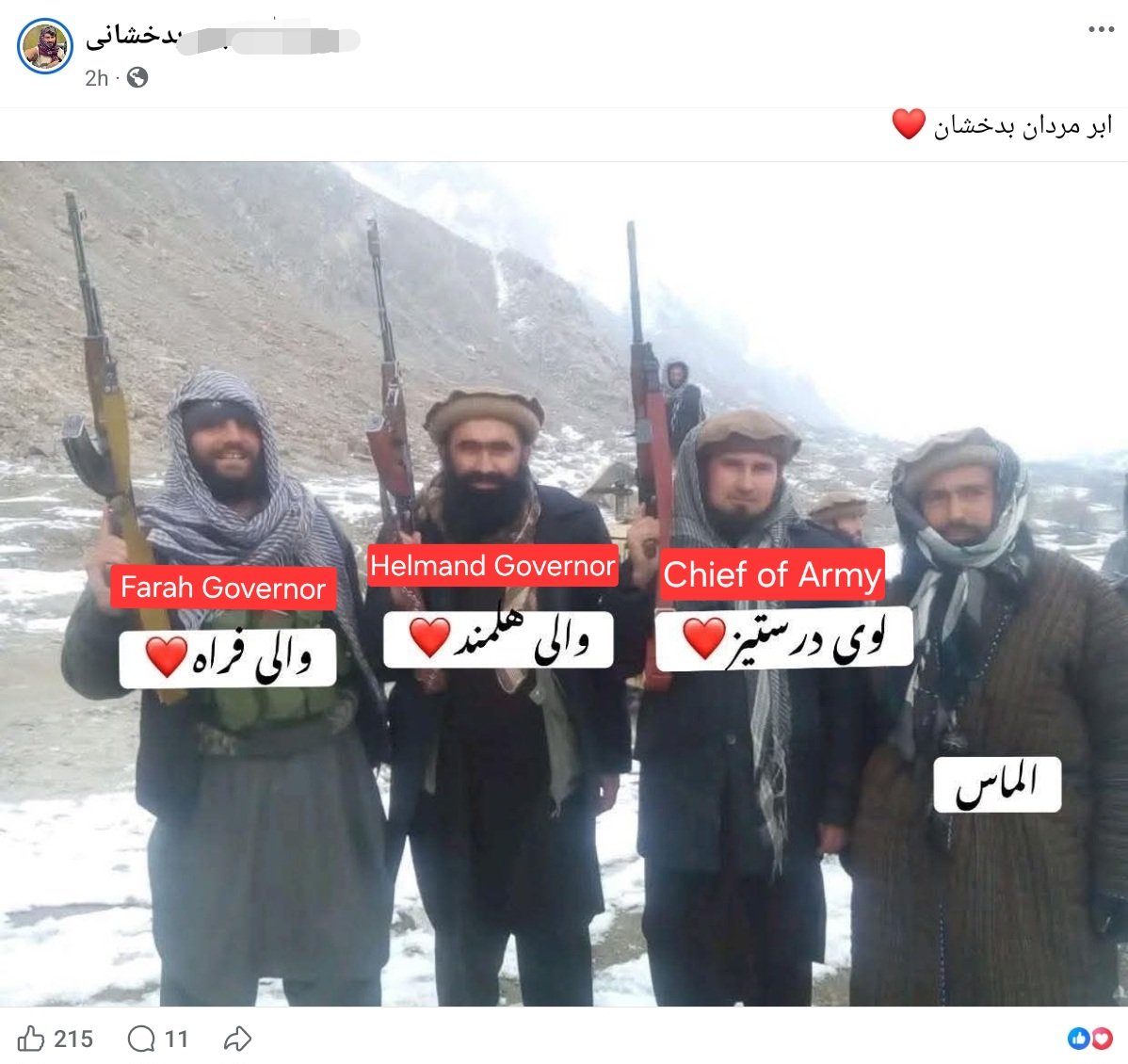
Recent claims by the Taliban’s foreign minister that their administration reflects ethnic diversity and balance have been widely criticized. It is important to recognize that the Taliban’s notion of “inclusivity” appears limited to members of the movement itself, meaning those who fought for the group from any ethnic group are now occupying key government positions.
For example, a photo recently shared by a pro-Taliban Facebook account shows three Tajik Taliban fighters from Badakhshan province during the insurgency who now hold prominent roles as Chief of Army Staff, Governor of Helmand Province, and Governor of Farah Province. This suggests that Tajik and Uzbek Taliban commanders have been incorporated into leadership positions primarily on the basis of their contributions to the insurgency over the past two decades, rather than as part of a broader, genuinely representative political framework.
A fake narrative. The matter never reached Nehru. Kairon had far too much respect for the armed forces to pursue such a course of action. The incident died down after the beating of the CM's sons.
I can say this with confidence since my father was officiating as senior operations staff officer in the HQ of the division at Jalandhar and monitored the situation.
This version is meant to damage Nehru's image.
India is pursuing it's foreign policy with a delicate without recognising the Taliban. India's de facto engagement is justified because of national security apprehensions. Last time, India supported the United Front. No opposition to the Taliban rn,India will think for itself 1st
What India has done in the last 2-3 years, combined US NATO and Afghan Republic government wasn't able to do. It was turning Taliban against Pakistan. 30 years of close relationship broken just because, India opened up ties with the Taliban.
India is pursuing it's foreign policy
India, once seen as a principled partner, appeared to shift from values to interests. Today, a growing number of Afghans see Pakistan and India less as rivals and more as two powers converging in effect, one sustaining the Taliban through long sponsorship, the other normalizing it through gradual accommodation.