@JHCPAL Cleugh vs Clough reflects the Humber-Lune line. There’s also ‘Cleuch’ as an additional Scots form reflecting the preservation of final [x].
In the traditional dialect, it would be [klɪəf] in western Northumbrian [kljʊf] in eastern Northumbrian.
“Se if ye, at’s evil, knaws how te gie guid things te yer bairns. How mickle mair will yer Feyther in Heeven gie the Holy Ghaist te them at axes Him” Luke 11:13
Northumbrian-Dunelmian WOTD: Fremd
- Now archaic, from OE ‘fremde’
-Meaning: strange, far off, not related to, at enmity
-Example: “He was mair like a fremd body nor a friend”
(fremd body = stranger)
#dialect#linguistics#geordie#mackem#northumbrian#durham
This approach seeks to present our dialect as a language variety with its own history and literary tradition, rather than an informal rendering of speech.
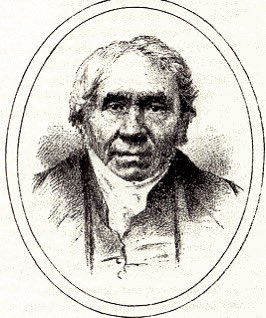
The orthography used here follows an etymological convention, drawing on the more Scots-like spellings used by 19th century Northumbrian and Durham writers like Thomas Wilson, and avoids the ‘eye dialect’ spellings often seen in modern representations.
Northumbrian-Dunelmian WOTD: Burn, Beck Meaning: A small stream or brook. “Burn” is found in Northumberland and N Durham, while “beck” is more typical of S Durham.
Examples:
“We used te paddle in the burn behint the house.”
“There’s trout in that beck if ye knaw where te luik.”