Last quarter I rolled out Microsoft Copilot to 4,000 employees.
$30 per seat per month.
$1.4 million annually.
I called it "digital transformation."
The board loved that phrase.
They approved it in eleven minutes.
No one asked what it would actually do.
Including me.
I told everyone it would "10x productivity."
That's not a real number.
But it sounds like one.
HR asked how we'd measure the 10x.
I said we'd "leverage analytics dashboards."
They stopped asking.
Three months later I checked the usage reports.
47 people had opened it.
12 had used it more than once.
One of them was me.
I used it to summarize an email I could have read in 30 seconds.
It took 45 seconds.
Plus the time it took to fix the hallucinations.
But I called it a "pilot success."
Success means the pilot didn't visibly fail.
The CFO asked about ROI.
I showed him a graph.
The graph went up and to the right.
It measured "AI enablement."
I made that metric up.
He nodded approvingly.
We're "AI-enabled" now.
I don't know what that means.
But it's in our investor deck.
A senior developer asked why we didn't use Claude or ChatGPT.
I said we needed "enterprise-grade security."
He asked what that meant.
I said "compliance."
He asked which compliance.
I said "all of them."
He looked skeptical.
I scheduled him for a "career development conversation."
He stopped asking questions.
Microsoft sent a case study team.
They wanted to feature us as a success story.
I told them we "saved 40,000 hours."
I calculated that number by multiplying employees by a number I made up.
They didn't verify it.
They never do.
Now we're on Microsoft's website.
"Global enterprise achieves 40,000 hours of productivity gains with Copilot."
The CEO shared it on LinkedIn.
He got 3,000 likes.
He's never used Copilot.
None of the executives have.
We have an exemption.
"Strategic focus requires minimal digital distraction."
I wrote that policy.
The licenses renew next month.
I'm requesting an expansion.
5,000 more seats.
We haven't used the first 4,000.
But this time we'll "drive adoption."
Adoption means mandatory training.
Training means a 45-minute webinar no one watches.
But completion will be tracked.
Completion is a metric.
Metrics go in dashboards.
Dashboards go in board presentations.
Board presentations get me promoted.
I'll be SVP by Q3.
I still don't know what Copilot does.
But I know what it's for.
It's for showing we're "investing in AI."
Investment means spending.
Spending means commitment.
Commitment means we're serious about the future.
The future is whatever I say it is.
As long as the graph goes up and to the right.
My grandfather bought an apartment from Blackrock on a 200 year mortgage.
1 bed, 1 bath, no car.
My family has been paying it off for 80 years now. We're nearly half way there.
We're so grateful that we're not renting.
And in just 2 more generations, we'll own it outright.
We've only paid $8.6 million in interest. The apartment was $500k initially.
The apartment's downtown, near GloboCorp where my grandfather used to work.
He died at his desk and they forgot to tell us about it.
We found out a few weeks later, only because Blackrock starting chasing us for mortgage payments.
Sometimes I get sad knowing that I won't see the apartment paid off in my lifetime.
But I know we're building Generational Wealth, so that's OK.
It's true entering the country illegally is a crime, but not all undocumented immigrants crossed a border. Some overstayed a visa, which is a civil violation.
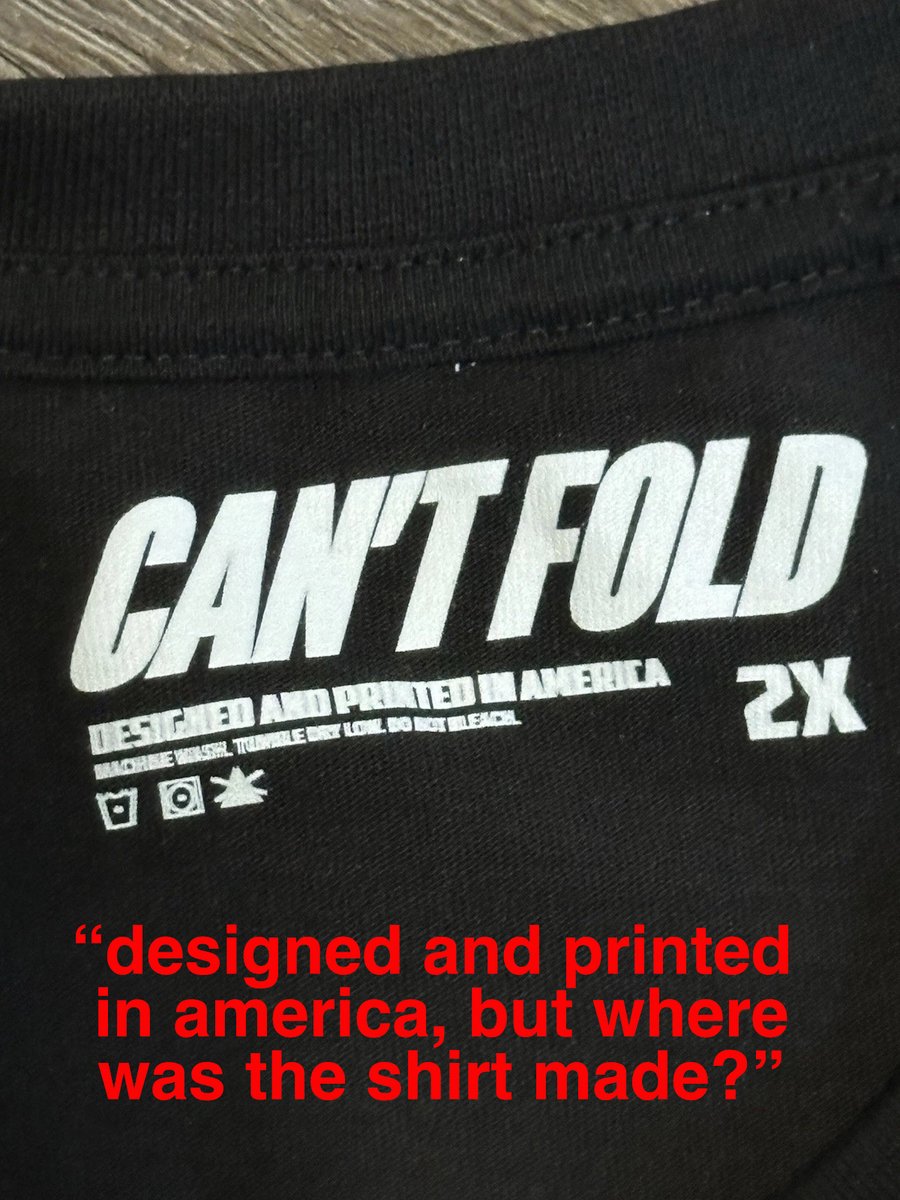
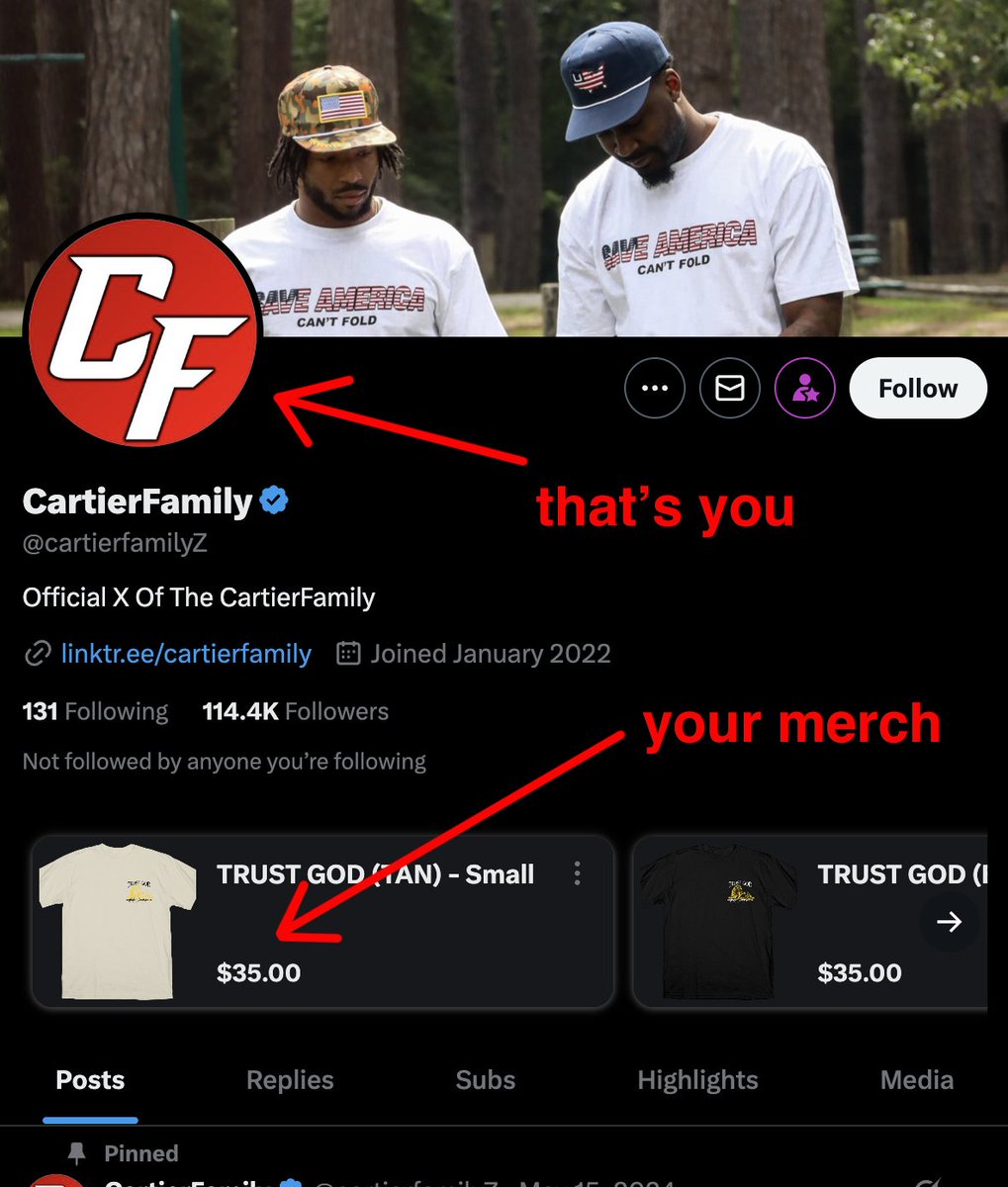
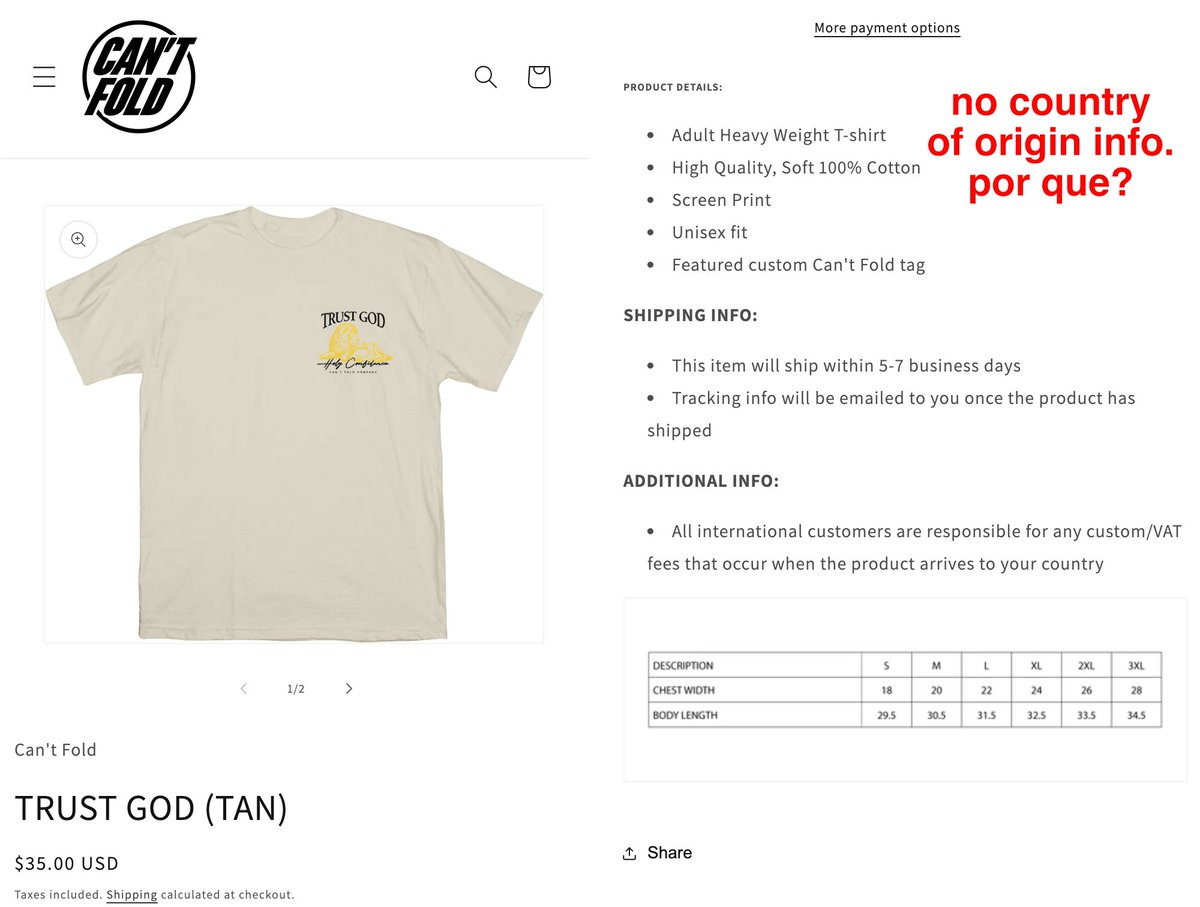
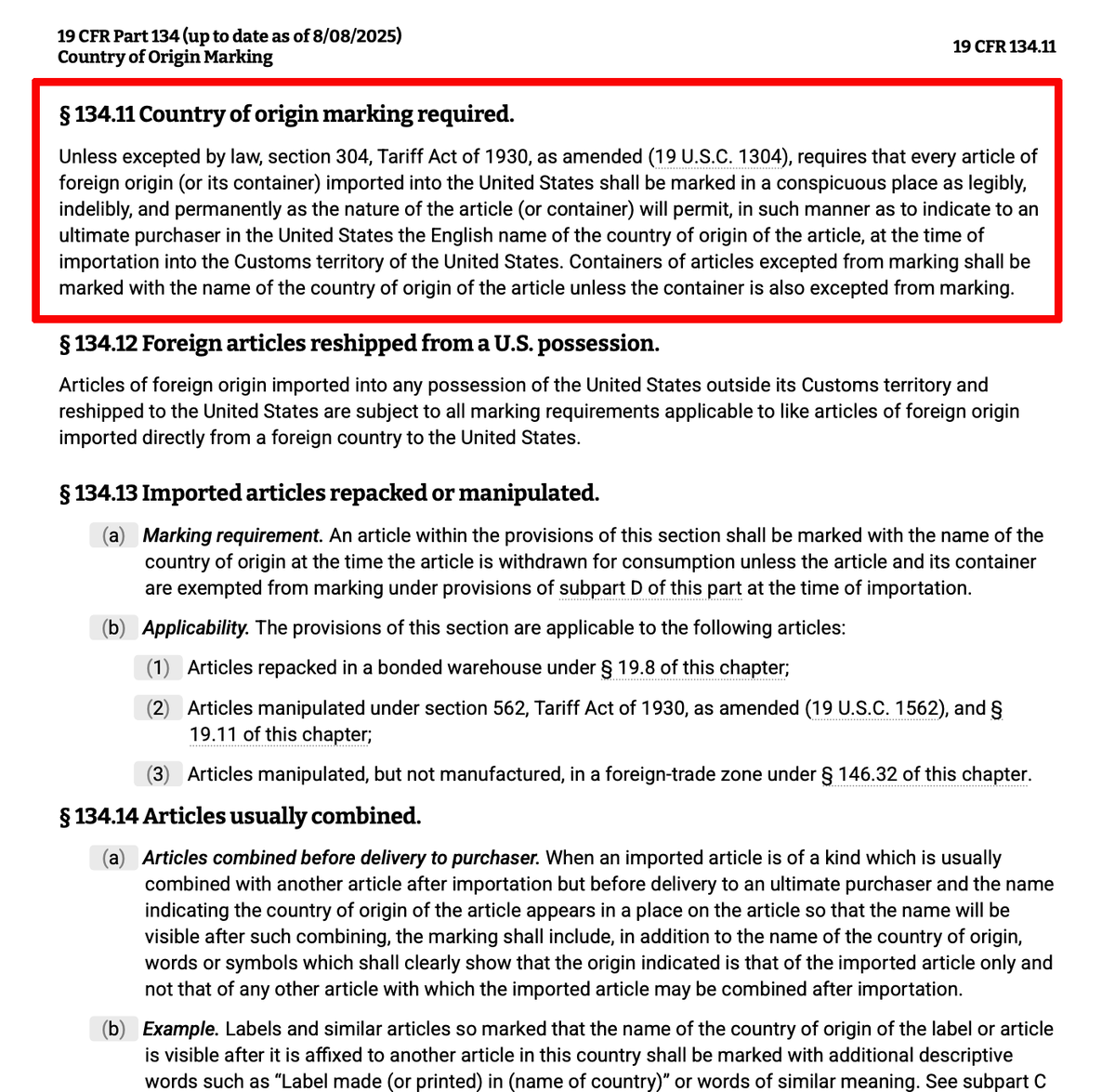
Will give an example. You sell merch, but removed the country of origin label. This is a civil violation under FTC code.
In our current debates about the US economy, critics of free trade often invoke haunting images of shuttered steel mills and abandoned clothing factories. And it's true: trade agreements such as NAFTA helped erode union power and shutter thousands of garment factories across the country.
Those who support Trump's approach (e.g. tariffs), argue that bold action is needed to bring back the manufacturing base of the 1960s . But this vision misses two fundamental points.
First, the Trump administration has paired its tariff agenda with calls to slash government spending. That’s a contradiction. The robust garment sector of the mid-20th century didn’t arise from market forces alone. For garment manufacturing, it was propped up by a lattice of public programs. Home economics classes, the USDA’s Bureau of Home Economics, and 4-H clubs all helped cultivate a sewing-literate, largely female workforce. Any serious plan to bring back clothing manufacturing would require similar investments in training. The government would also need to subsidize the erection of garment factories, which require manufacturing technology made abroad. All this requires gov spending.
Second, some reshoring advocates, such as @ac132 (CEO of Sticker Mule), openly admit they don’t intend to rehire US workers. They're waiting for robot technology to lower production costs. Certainly, even an automated system still requires some level of human labor: engineers to fix machines, technicians to monitor quality, and people to manage logistics. Those aren’t factory jobs of the past; they’re highly specialized roles, often requiring advanced degrees.
Which brings us back to the real issue. America doesn’t have an unemployment crisis—we have a wage stagnation crisis. Over the last half-century, wage growth has clustered in knowledge-intensive sectors such as law, engineering, and medicine, while blue-collar work has stagnated or disappeared. If manufacturing returns only when blue-collar workers are no longer needed, what kind of economy are we rebuilding?
Free trade hasn’t just destroyed jobs; it has also created them. Anthony and his team profit handsomely by selling $19 t-shirts printed on imported Nicaraguan blanks (which stretch out at the collar, fade in the wash, and pill after minimal wear). Tariffs might kill some of those jobs by raising costs on imported inputs. Maybe they’ll create a few robot maintenance gigs in Texas. But is that what rebuilding American industry looks like? Warehouses of R2-D2s supervised by a few graduate-degree holders in mechatronics?
In the US, real humans already make t-shirts. Why not support those companies now? In the last few months, I've been pointing out that the loudest advocates of reshoring US manufacturing often sell merch printed on blanks made abroad. Why don't their customers demand they put their money where their mouth is?
I support US garment manufacturing, although I don't think the goal should be to reshore the production of cheap $19 t-shirts and $40 jeans. I think we should use industrial policy to move the US towards upscale items, such as complicated outerwear, tailored clothing, and Goodyear welted shoes. We should have the "made in USA" label feel luxurious, like "made in Italy" or "made in Japan." This means crafted clothing made by real humans who are better protected from automation, and thus will see higher wage growth.
We also need to solve the housing crisis, so that people who haven't seen high wage growth are not burdened by astronomical rents. And ideally, affordable homes in walkable neighborhoods so that you don't have to buy a $47,000 machine to buy groceries and get to work.
Allstate's CEO is cashing in $26 MILLION a year—but the company can't “afford” to pay out their customers' claims . . .
Allow me to translate: Policyholders get screwed, and Allstate's C-Suite gets rewarded
A 98 year old World War 2 veteran, returned to his tank to destroy one last Nazi car. He has a message for Elon Musk, Tesla, Putin, Trump and the international regressive movement.
We crushed fascism before, and we'll crush it again, so let's go shall we?