Dr. Douglas Novick provides mobile veterinary care, emergency care and pre-purchase examinations for horses throughout Silicon Valley and surrounding areas.
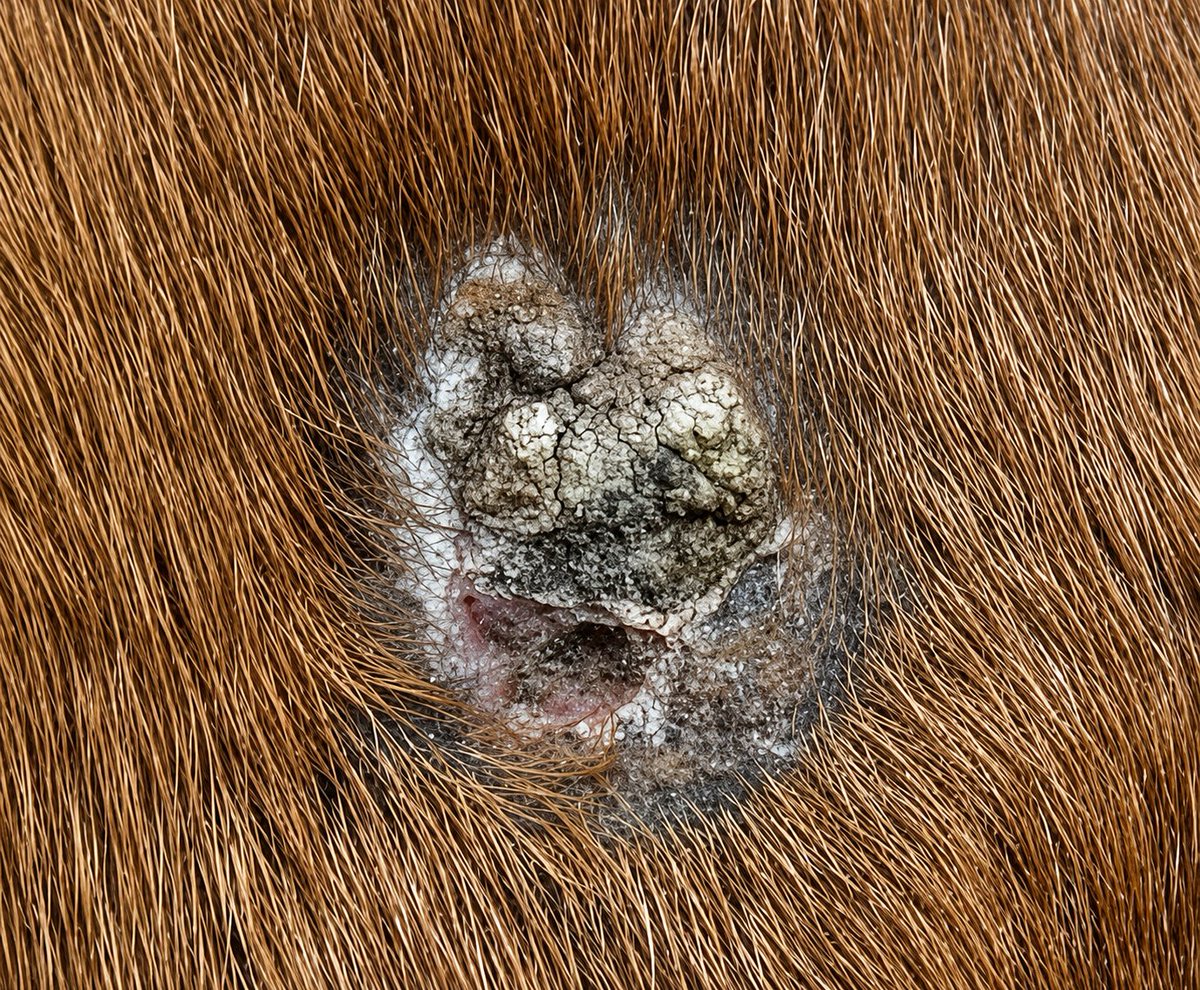
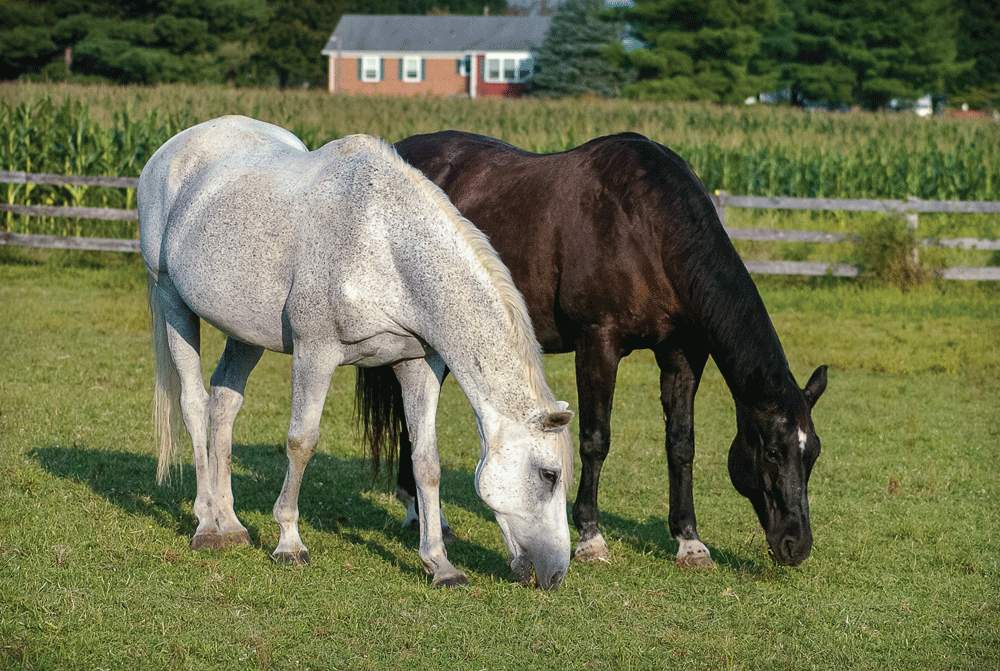
#Sarcoids are the most common #skintumors found in #horses. Because they can resemble other skin conditions—such as habronemiasis, squamous cell carcinoma, melanoma (which is especially common in gray horses), and fibromas—it can be difficult to identify them based on appearance.
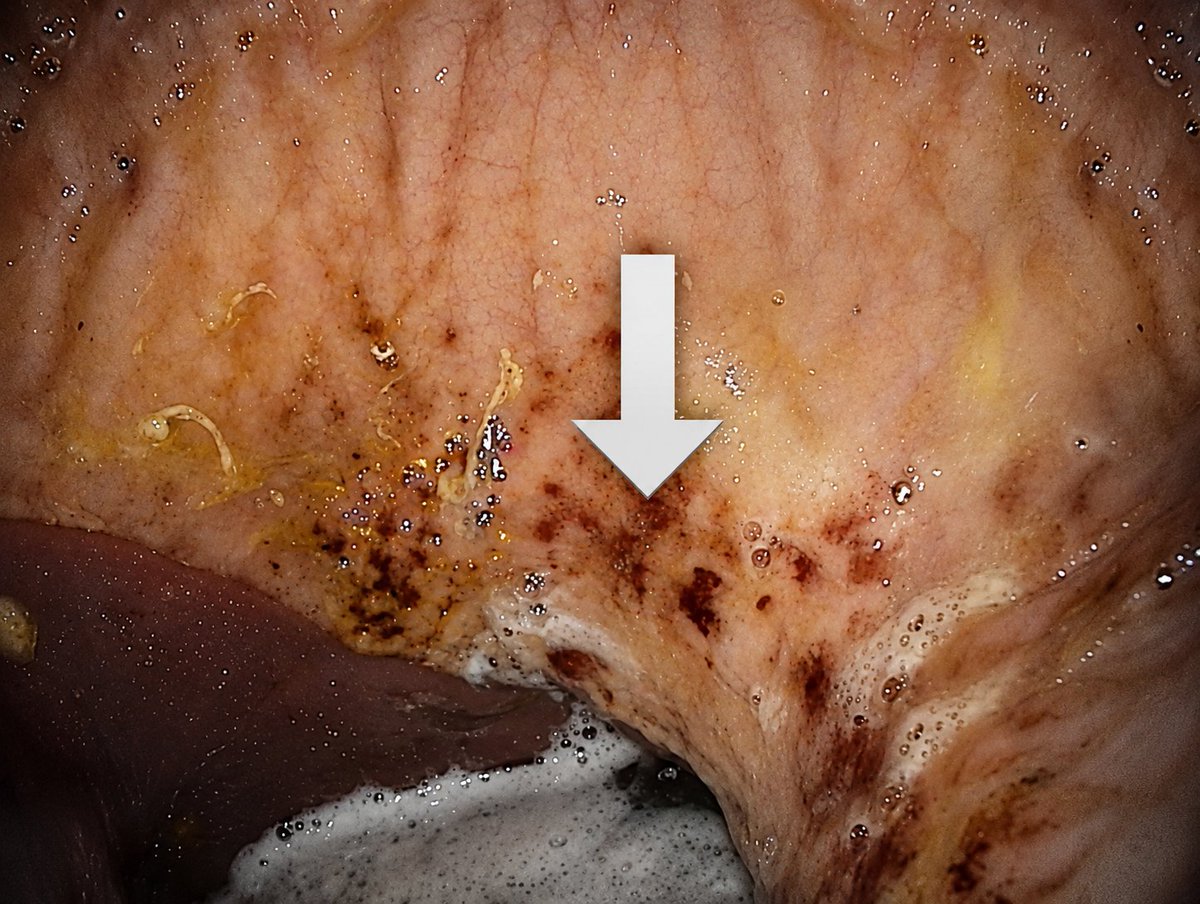
Did you know gastric ulcers are one of the most common health concerns in horses?
Research estimates that 30–60% of non-race performance horses and up to 89% of racehorses develop gastric ulcers. #horses#equinecare#veterinarian
By understanding the importance of dental care, you can help maximize your horse’s performance, comfort, and longevity. Problems such as difficulty eating, weight loss, a poor hair coat, and discomfort with the bit can often be linked to dental issues. #horsecare#equinecare
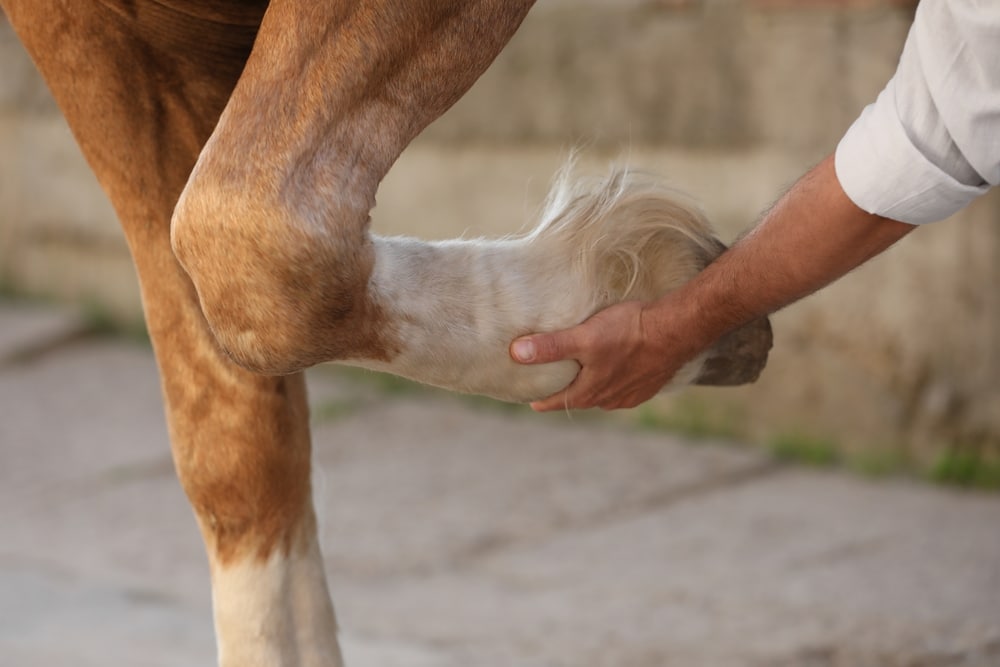
A lameness exam is a process of elimination. By evaluating the entire horse and systematically narrowing the focus, the source of pain can often be identified with greater accuracy. #horses#horsecare#equinecare#veterinarian
Parasites (worms) are one of the leading contributors to #colic in #horses, making an effective parasite control program essential for maintaining your horse's health.
One option that has become increasingly popular is Pyrantel Pamoate pellets. https://t.co/EuIMdfmfIH
Based on multi-year studies, Dr. Novick recommends having your veterinarian administer a deworming treatment twice a year during routine vaccinations, with a paste dewormer given by the owner every 2 months. #veterinarian#vetcare#equinecare#horses#horsecare
Dr. Novick is a graduate of Tufts University School of Veterinary Medicine in Boston, Massachusetts. He received his undergraduate degree from Duke University in Durham, North Carolina, graduating with honors, Phi Beta Kappa, and summa cum laude. #veterinarian#vetcare#equine
Influenza is a highly contagious upper respiratory viral disease that presents with a runny nose, cough, and fever. It spreads easily from horse to horse through direct contact and airborne droplets from coughing and sneezing. #horses#influenza#horsecare#equine#veterinarian
Healthy #smiles start with healthy choices! 🦷
The beverages your #child drinks every day can make a big difference in their oral health. Check out our guide for healthy beverage recommendations for ages 5–18 and learn how simple choices can help protect growing smiles. #dentist
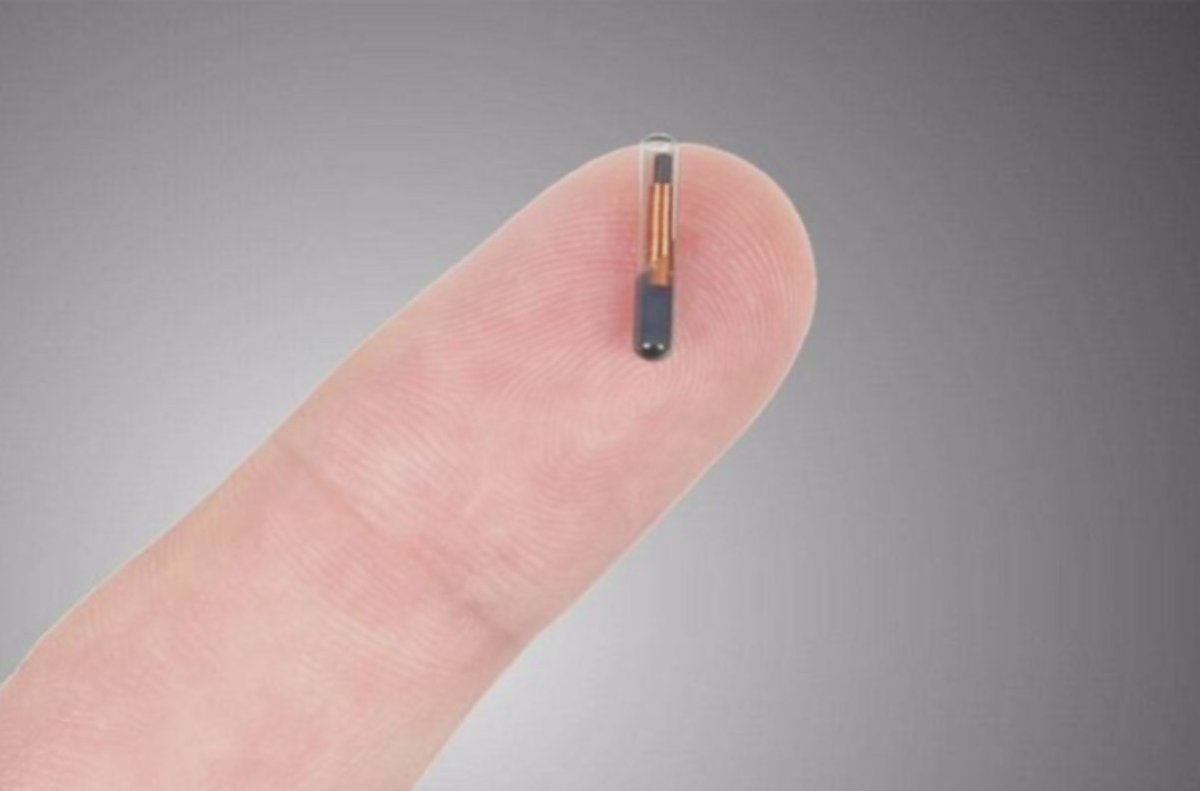
ID Microchips are a safe, permanent, and reliable way to help identify your horse. About the size of a grain of rice, the microchip contains a unique identification number that can be read using a handheld scanner. #horses#horsecare#equinecare#veterinarian
With more than three decades of experience in equine sports medicine and lameness, Dr. Novick combines extensive clinical knowledge with firsthand experience as an active competitor to help diagnose and treat performance-related concerns in horses. #lameness#horses#veterinarian
Is your senior horse struggling to maintain weight?
A thorough veterinary exam, bloodwork, proper feeding management, and a balanced senior diet can make a remarkable difference. Read more on the topic here:https://t.co/o8ohDwmX4d #horses#horsecare#veterinarian
Looking for trusted veterinary care for your horse? New clients can save $40 on veterinary services, including dental floats, examinations, and more.
This offer is valid for new clients only on visits with standard fees of $50 or more. #equinecare#veterinarian#horses
Has Dr. Novick helped you and your horse? We’d love for you to share your experience!
Your reviews make a difference by helping fellow horse owners discover compassionate, knowledgeable equine care. #horses#veterinarian#equinecare
Joint disease caused by inflammation is one of the most common causes of lameness affecting both performance and pleasure horses. https://t.co/4iiZLSjI6r #horsecare#equinecare#veterinarian
During wind-sucking or #cribbing, horses grab a fixed surface with their upper teeth, arch their necks, and suck in air. This abnormal behavior may develop from boredom, frustration, observing other horses that crib, or accidentally discovering the action while playing. #horses