NUNATARYUK is a #H2020 project that looks at the impacts of thawing coastal and subsea permafrost on the global climate and on local communities in the Arctic.
https://t.co/bP3CqYLOJF
What do we do when the stories we read and need to tell get so complex or extensive that even with text that is extremely well written the message gets lost?
Visualisation is a key in those cases, as the arctic permafrost atlas shows.
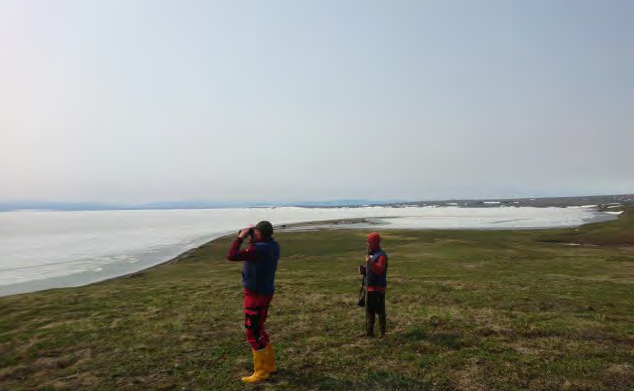
At the end of the 2nd week of the Yukon22 expedition, the team woke up to a new sound: waves rolling onto the shore! Finally, the ice retreated!
https://t.co/SqByFvCjMD
https://t.co/uZlTCQEqUe
The first week of the Yukon22 expedition started with some surprises and challenges on Herschel Island. Read all about it in our blog!
https://t.co/q26P9G8ZLv
Subsea permafrost included to ESM for the first time. Up to 35% of subsea permafrost volume is lost during the next 1000 years, the 22nd century looking especially bad subsea permafrost ice melting more than 15 times faster than in pre-industrial period.
#opportunity - @EUPolarNet has opened a second call for services! Are you an early career research interested in resilient socio-ecological systems or challenges for polar operations? Submit your application for a Service Contract by 18 May #polarresearch#science#EUPolarCluster
📢 NOW OPEN!
Do you want to develop your #research ideas further?
The EU-PolarNet 2 Call for Services is now open for submissions until 20 May 2022.
Check out the details here:
👉https://t.co/X2PewUAI2D
@EUPolarNet@EUPolarCluster
HURRY! Hours left to register for this online #workshop 14-18 Feb - @esa and @NASA bring together #remotesensing scientists and modellers to understand #earthobservations and ocean carbon - don't miss it register here: https://t.co/cS94HvdJme @EUPolarNet
draft graphic -> global permafrost distribution by elevation and latitude @nunataryuk @GRIDArendal Dominant in the Arctic, but also at higher elevations in mountainous regions closer to the equator, and Antarctica down south.
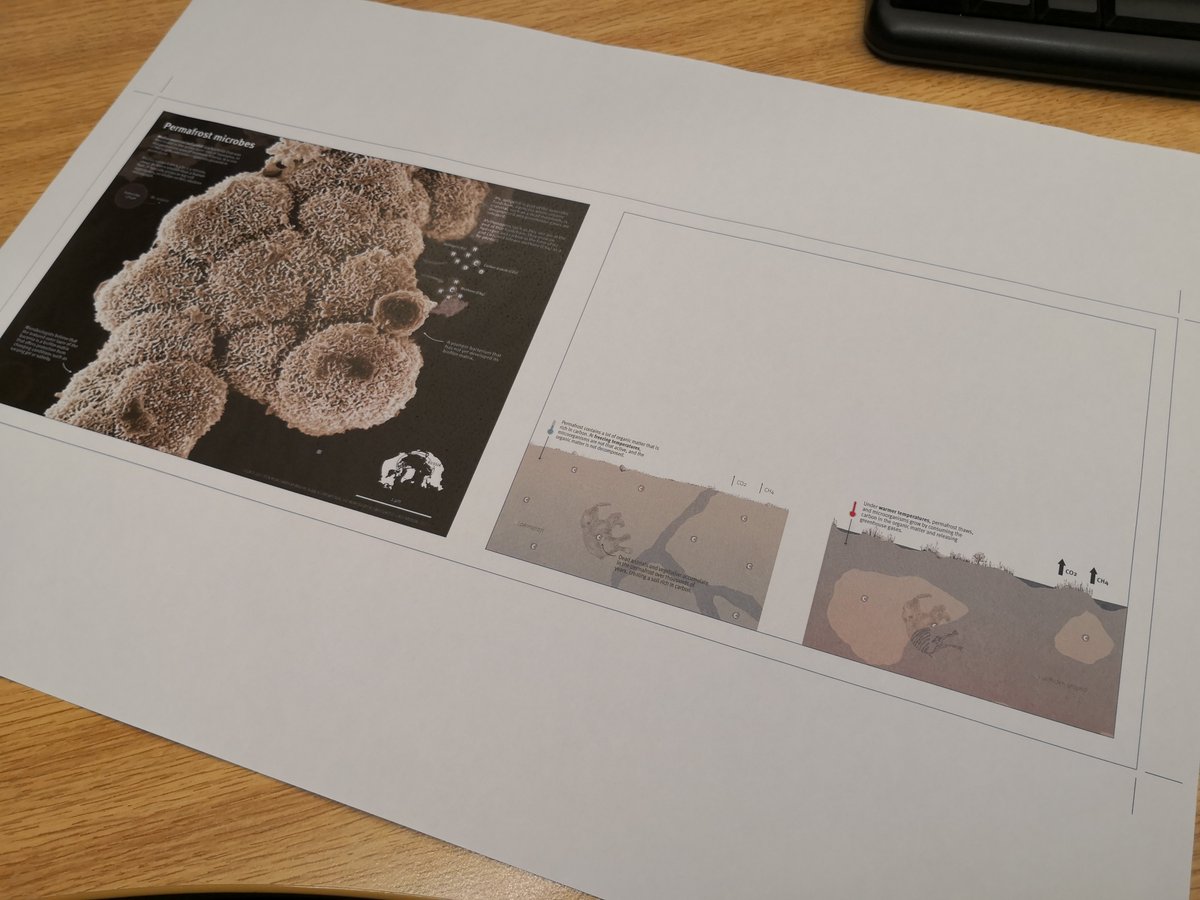
The Arctic #Permafrost Atlas focuses on the north pole, but a chapter on mountains will highlight some other parts of the world. Draft left page for the Alps section below. @nunataryuk @GRIDArendal
The APECS Directorate formally made the transition from Germany to Norway on February 1st! The outgoing and incoming Executive Directors, Josefine Lenz and Sarah Strand, are in Tromsø meeting with the new host institutions: @UiTNorgesarktis, @NorskPolar & @Framcentre.
One of the many serious consequences of the #ClimateCrisis is that precious #permafrost is thawing, and this is unleashing even more carbon into the atmosphere and exacerbating #ClimateChange. But... ...it’s complicated 👉 https://t.co/6Mkn4yrjdX
@Arice_Eu and @H2020_Funding funded PeCaBeau project will give a webinar presentation on the project on Thursday 27 January 2022 at 15:00–16:00 GMT.
https://t.co/X6hAHPsHGJ
New #OurEarth article "Redrawing permafrost outreach"!
See how the Frozen-Ground Cartoons project is making permafrost science fun and accessible to a non-expert audience
https://t.co/rbzqfV6arB
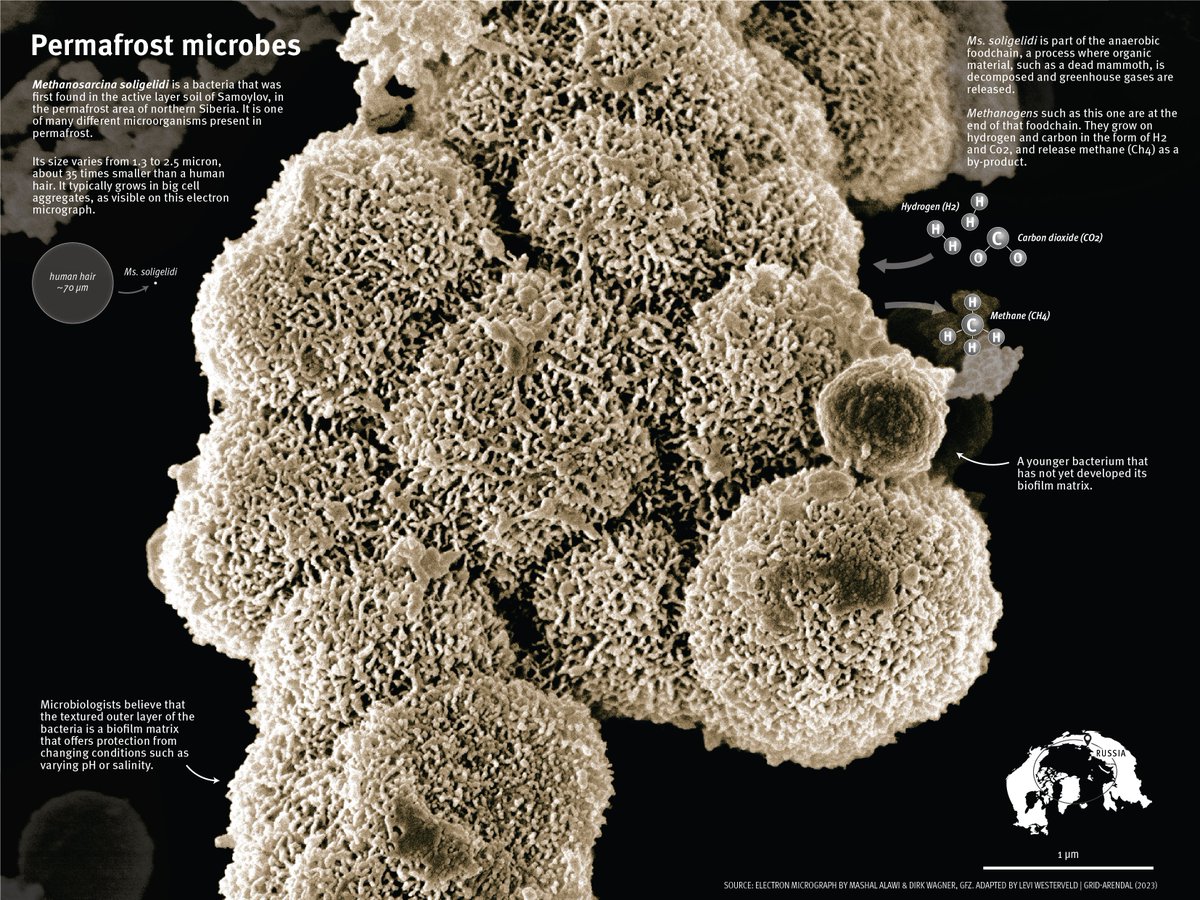
Exciting spreads coming together for the #Arctic#Permafrost Atlas. Started working on the climate change chapter. Here looking at the very tiny microbes that are processing all that organic matter when permafrost thaws. Happy holidays to everyone! @nunataryuk @GRIDArendal
T-MOSAiC is an IASC pan-#Arctic , #land -based #program that extends the #activities of the IASC flagship program #MOSAiC : ‘The Multidisciplinary drifting Observatory for the Study of Arctic Climate’.
Find out more about it here:
https://t.co/FTYDfIa677
New Nunataryuk paper on #Arctic#Tundra#Land#Cover#Classification on the Beaufort Coast by a collab between SU, UniVie and b.geos is out now!
https://t.co/wZyTNQEWox