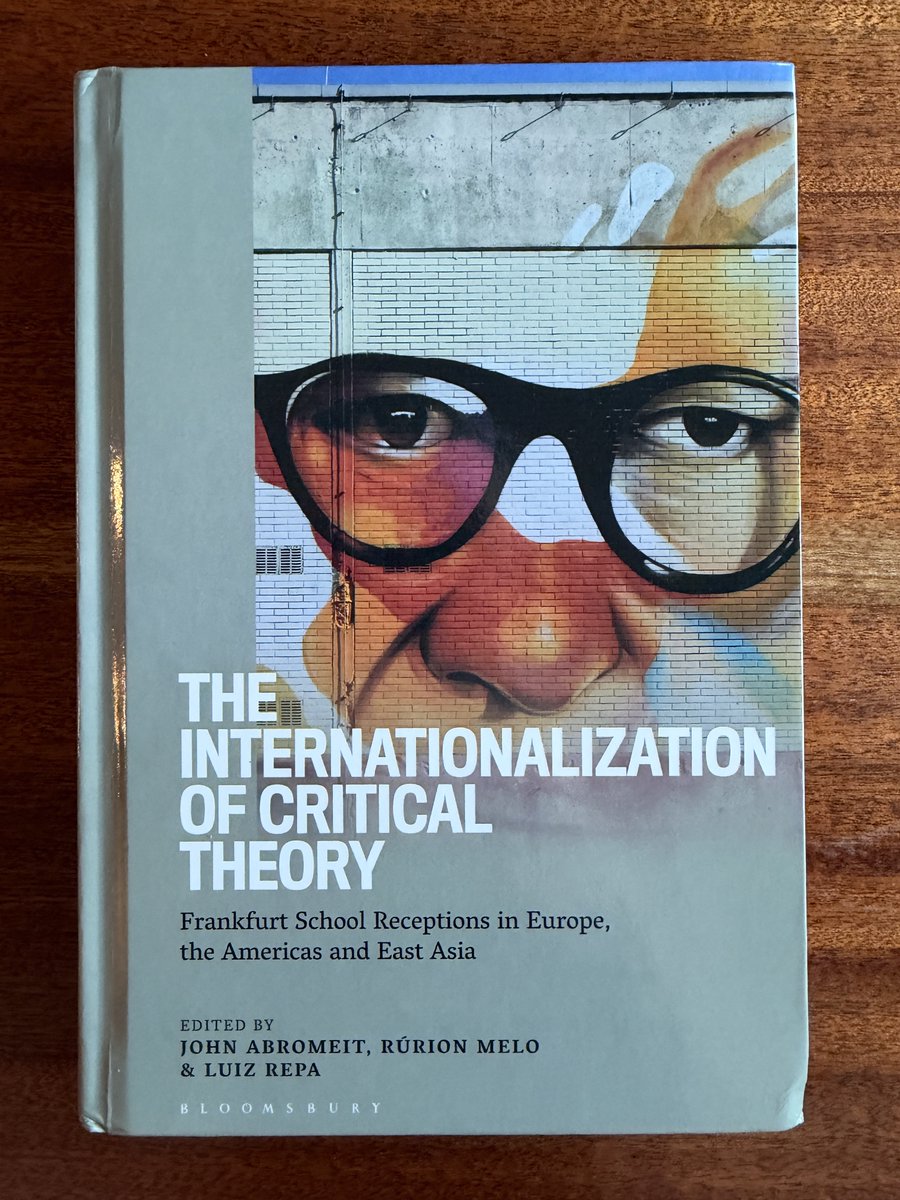
A belated thanks to my colleague John Abromeit for a copy of his new volume on the internationalization of Critical Theory! See especially his chapter on the fascinating story of how the journal Telos drifted from the New Left to the New Right.
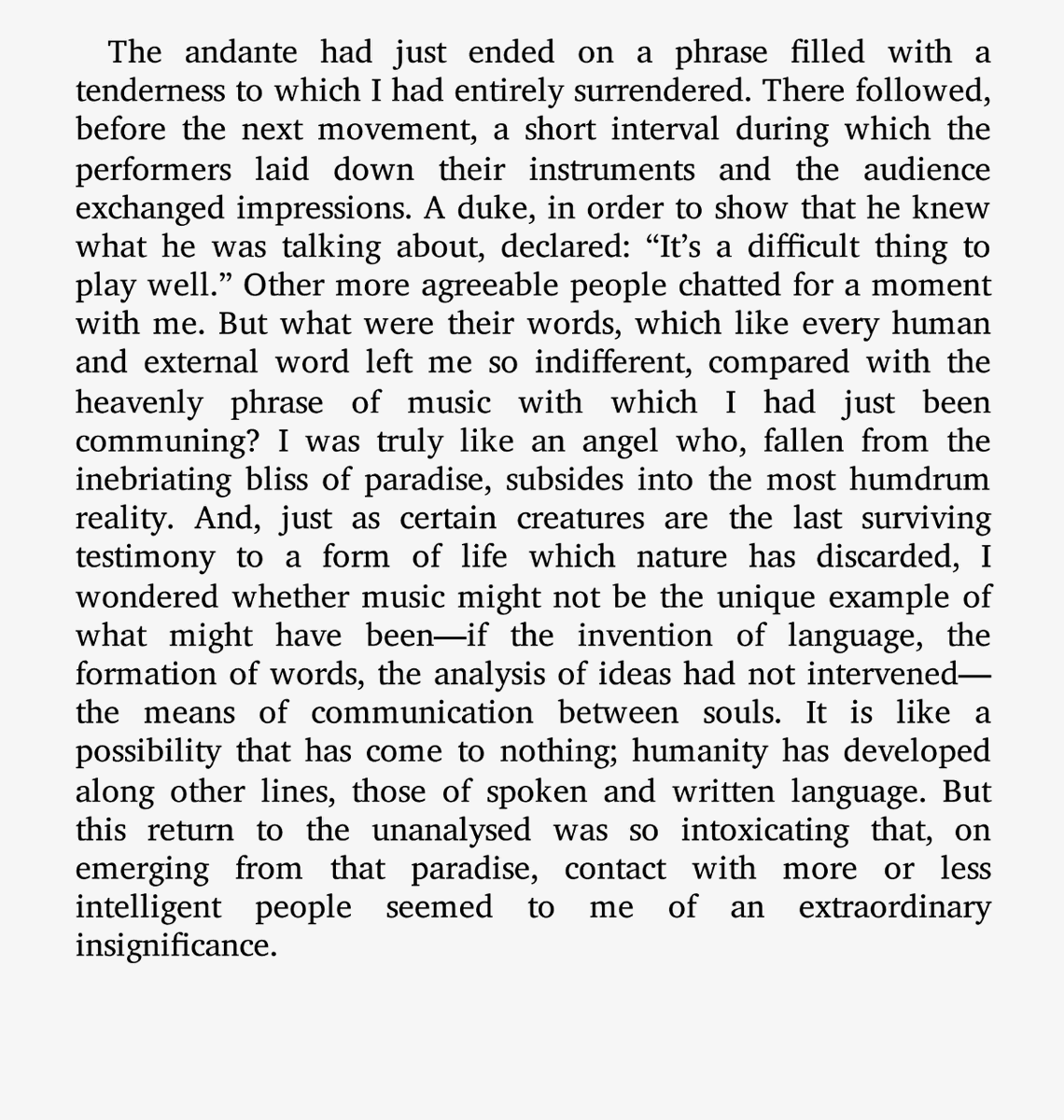
“I wondered whether music might not be the unique example of what might have been […] the means of communication between souls.”
— Proust, The Captive
(trans. Scott Moncrieff et al.)
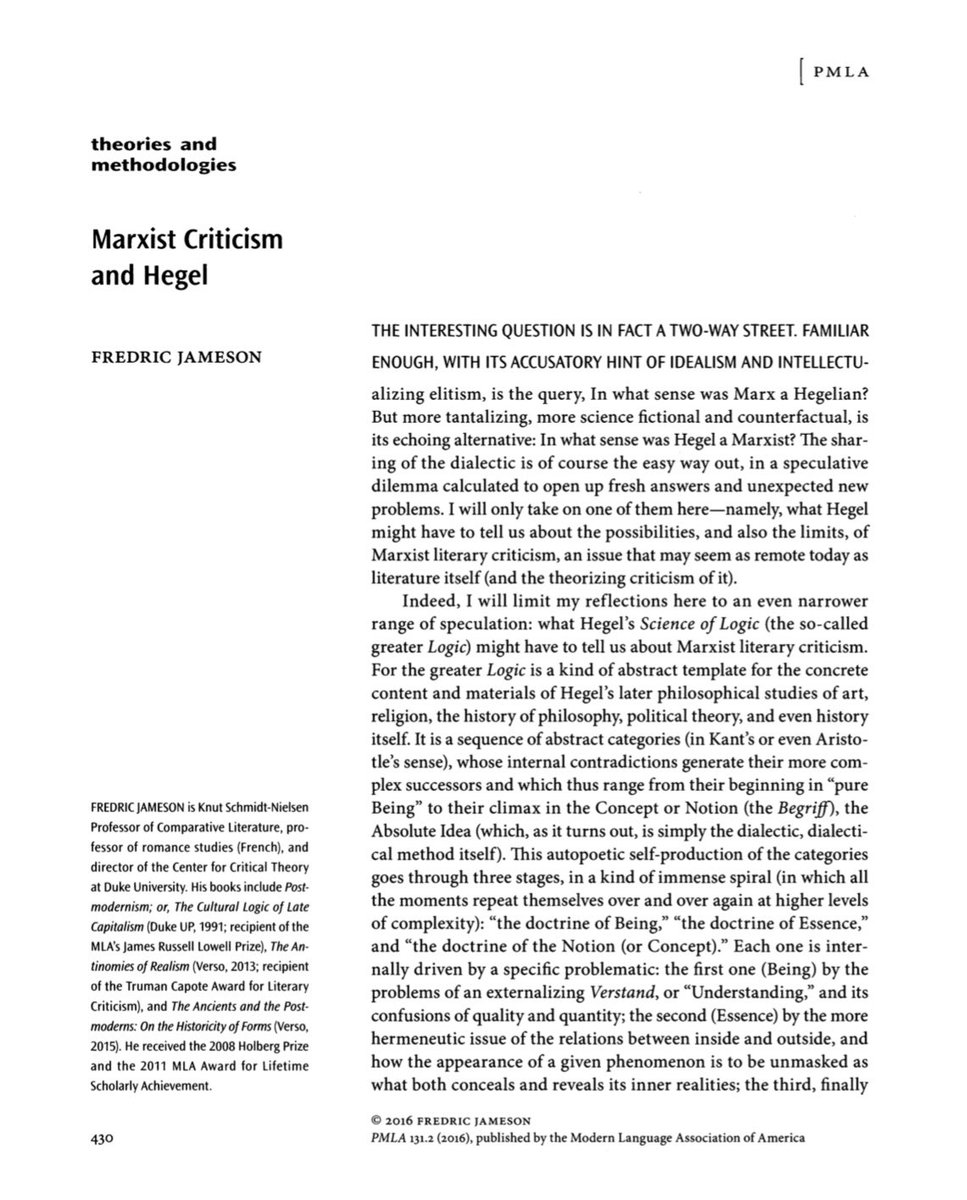
I don’t think this essay by Fredric Jameson gets nearly enough attention. One aspect that I particularly enjoy about this piece is that he doesn’t just explain how Hegel is applicable to Marxist criticism, as other works often do. He criticizes Marxist critics for their++
https://t.co/uea0ExmiCk
Recorded December 12, 2025, at the Institut de France, "Phenomenology and Revelation: Jean-Luc Marion and Steven DeLay in Conversation," is a three-part discussion with Jean-Luc Marion of the Académie Française. In a comprehensive discussion addressing phenomenology and the history of philosophy, the history behind the formation of the theological concept of revelation, the saturated phenomenon and his debate with Derrida, Nietzsche’s “death of God,” the ontological argument for God’s existence, nihilism, and technology, one of France's greatest living philosophers reflects on his life's work.
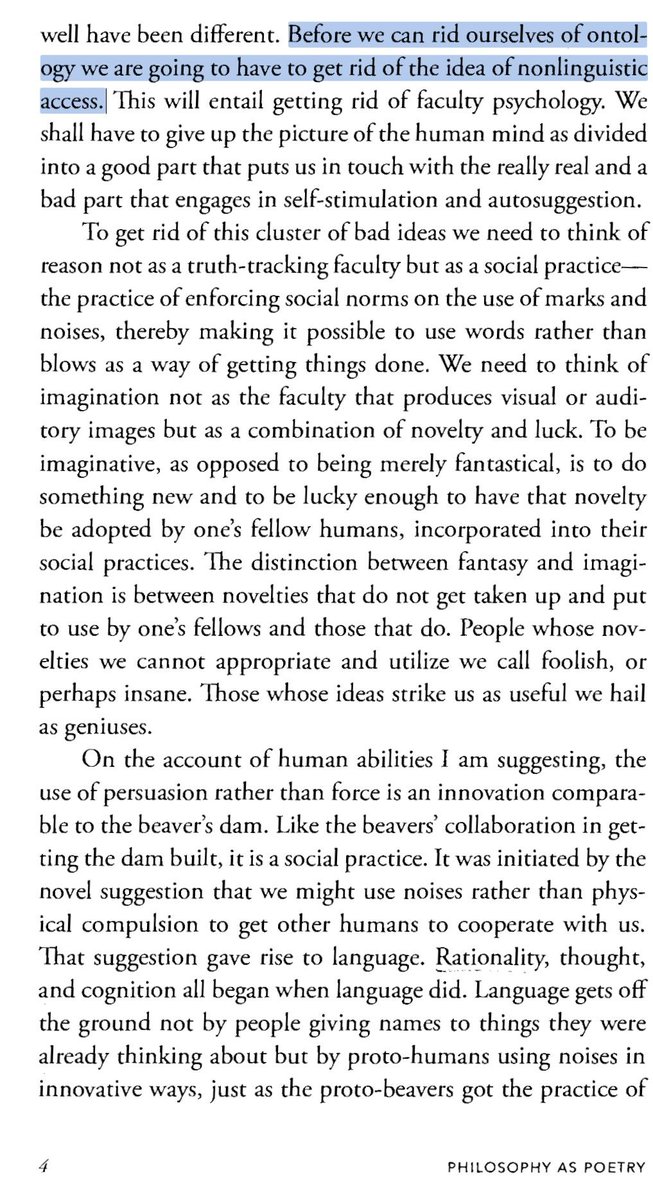
Before we can rid ourselves of ontology we are going to have to get rid of the idea of nonlinguistic access.
Phil as Poetry p.4
#Pragmatism#Rorty#Ontology
💙 Brother Lawrence doesn’t know what will become of him, yet he fears nothing. In a letter to a nun, he explains the source of his extraordinary peace.
🔗 https://t.co/UmqtWUA1vZ
#Prayer#Faith
You can now read Kim Stanley Robinson's foreword and the introduction to the Duke UP collection The Future of Totality: Fredric Jameson and the Prospects of Critical Theory (out in July):
https://t.co/qFC7BgJYLa
Virginia Woolf (1882–1941) was an influential English writer and a central figure of modernist literature. Renowned for pioneering the stream-of-consciousness technique, she explored themes of human consciousness, time, and gender equality. Her most famous works include Mrs Dalloway, To the Lighthouse, Orlando, and the seminal feminist essay A Room of One's Own.
At the heart of philosophy’s quarrel with poetry is the fear that the imagination goes all the way down—that there is nothing we talk about that we might not have talked of differently.
Phil as Poetry p.3
#Pragmatism#Rorty#Imagination
Medieval and Early Modern Soundscapes edited by Ascensión Mazuela-Anguita sheds new light on the concept of “soundscapes”, enriching our understanding of the functions of music & sound in medieval & early modern cultures.
Find out more ➡️ https://t.co/7WGbSSJ7v4
#openaccess
“What do we lose if LLMs kill the journal system? Nothing but some heavy ass chains, and a few weak heuristics for assessing CVs quickly.” OK, but then what system will the academic discipline of philosophy use for measuring human philosophical excellence? https://t.co/5acNJHQufe
🎂 Today we mark the anniversary of the birth of Ralph Vaughan Williams (1872 – 1958).
From Fantasia on a Theme by Thomas Tallis to The Lark Ascending, his work continues to speak with extraordinary vividness and humanity and remains a defining part of our musical heritage.
We will study how, and with what sense and by what right, we come to speak of a collective body made up not only of individuals but also of orders which gather a certain number of individuals.
--Jean-Louis Chrétien
https://t.co/Az53XY8SdI