"Discharge planning should begin on admission and involve the patient and their carer. It should include a summary of the patient's cognitive status, information about any changes in their care needs, and referrals to community services."
— Australian Commission on Safety and Quality in Health Care
The 4AT can be scored in patients who cannot speak or are too unwell to undergo cognitive testing. No patients are Unable To Assess (UTA) with the 4AT. This improves uptake and accuracy in diagnosis.
See the 4AT website for more details.
There's been a significant shift in evidence-based delirium care.
Historically, antipsychotics were used routinely in delirium.
Like the same thought process that somebody has a bacterial infection and they get an antibiotic. Or somebody has pain and they get an analgesic.
The assumption was that they would calm the patient and speed recovery.
⛔ That assumption is wrong ⛔
↧↧↧↧↧↧↧↧↧↧↧↧↧↧↧↧↧↧↧↧↧↧↧↧
The current evidence, including recent guidelines from the American Psychiatric Association (2025), is clear: antipsychotics do not accelerate recovery from delirium, do not improve delirium outcomes, and routine use is not recommended.
Antipsychotics should only be considered when de-escalation and environmental approaches have been attempted, the underlying causes have been identified and addressed, and the patient's disturbance is causing significant distress or safety risk. Even then, use should be time-limited and regularly reviewed.
The evidence suggests that most delirious patients improve with removal of harmful medications, treatment of underlying causes, and environmental modifications. Not with addition of antipsychotics.
This is a move toward more skilful, technical, professional, 𝐞𝐯𝐢𝐝𝐞𝐧𝐜𝐞-𝐛𝐚𝐬𝐞𝐝 prescribing & away from routine chemical restraint performed as if it is a good treatment.
#acuteconfusion #drugs #delirium #hospitalcare
World Delirium Awareness Day: Amplify the Voices of Delirium – Take Action, Raise Awareness!
March 11, 2026 is World Delirium Awareness Day! 🧠
Delirium affects millions of patients every year, yet it often goes unrecognized. This is a day to raise awareness and TAKE ACTION! Every action counts. Together, we can improve outcomes and support those affected. 🌏🧡
#VoicesofDelirium #WDAD2026
#DeliriumAwareness #americandeliriumsociety
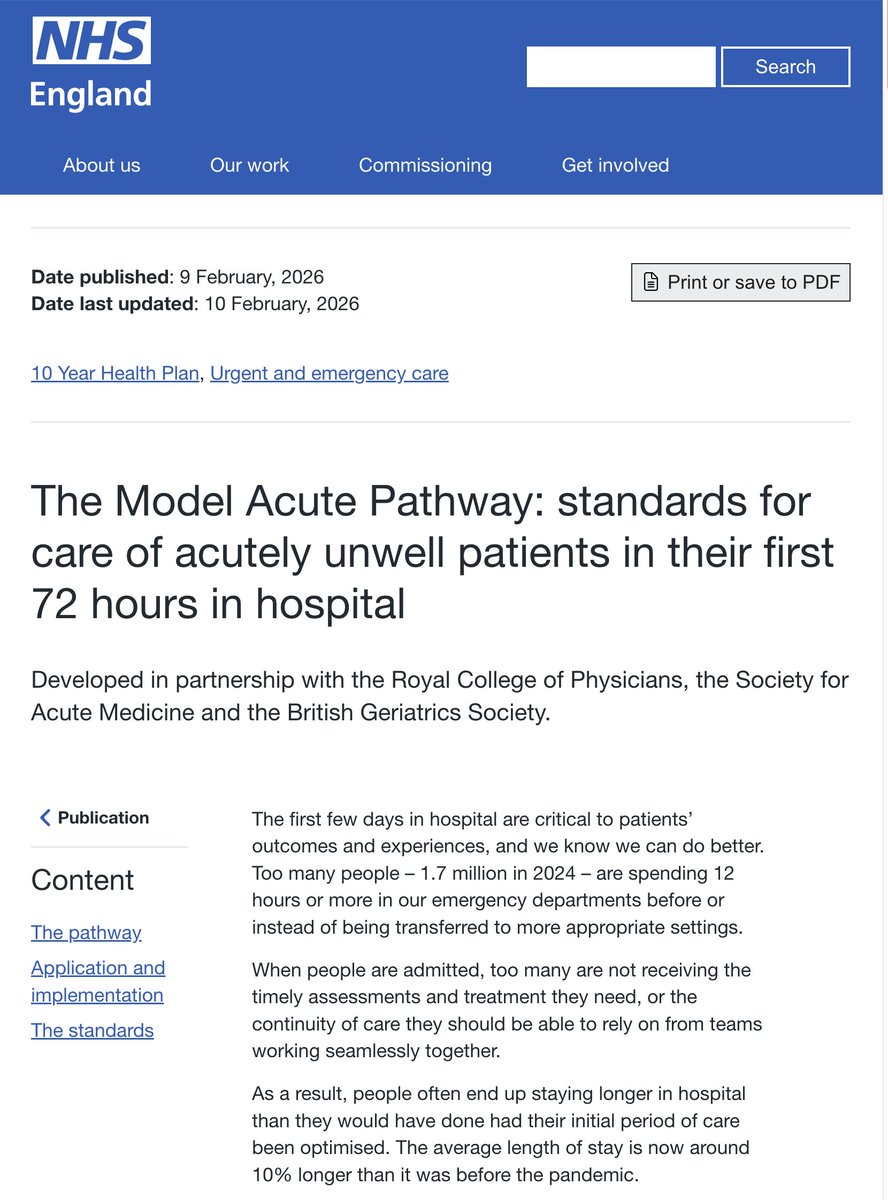
❗️NHS ENGLAND POLICY
↳ "Patients aged over 65 presenting to hospital as an emergency
should be assessed by a competent clinical decision-maker within 30 minutes of arrival
using the Clinical Frailty Scale (CFS) & the 4AT tool for delirium."
#delirium #MedTwitter #frailty
This has taken years of work - training, culture change, embedding the 4AT into routine practice.
None of it happened quickly.
But increasingly on our ward rounds, delirium has been detected and management plans are already in place. All from the ED or the medical admissions unit.
It's impressive to see especially given how different things were a few years ago.
#Delirium #PatientSafety
"You can't properly assess for delirium when someone already has dementia."
Wrong.
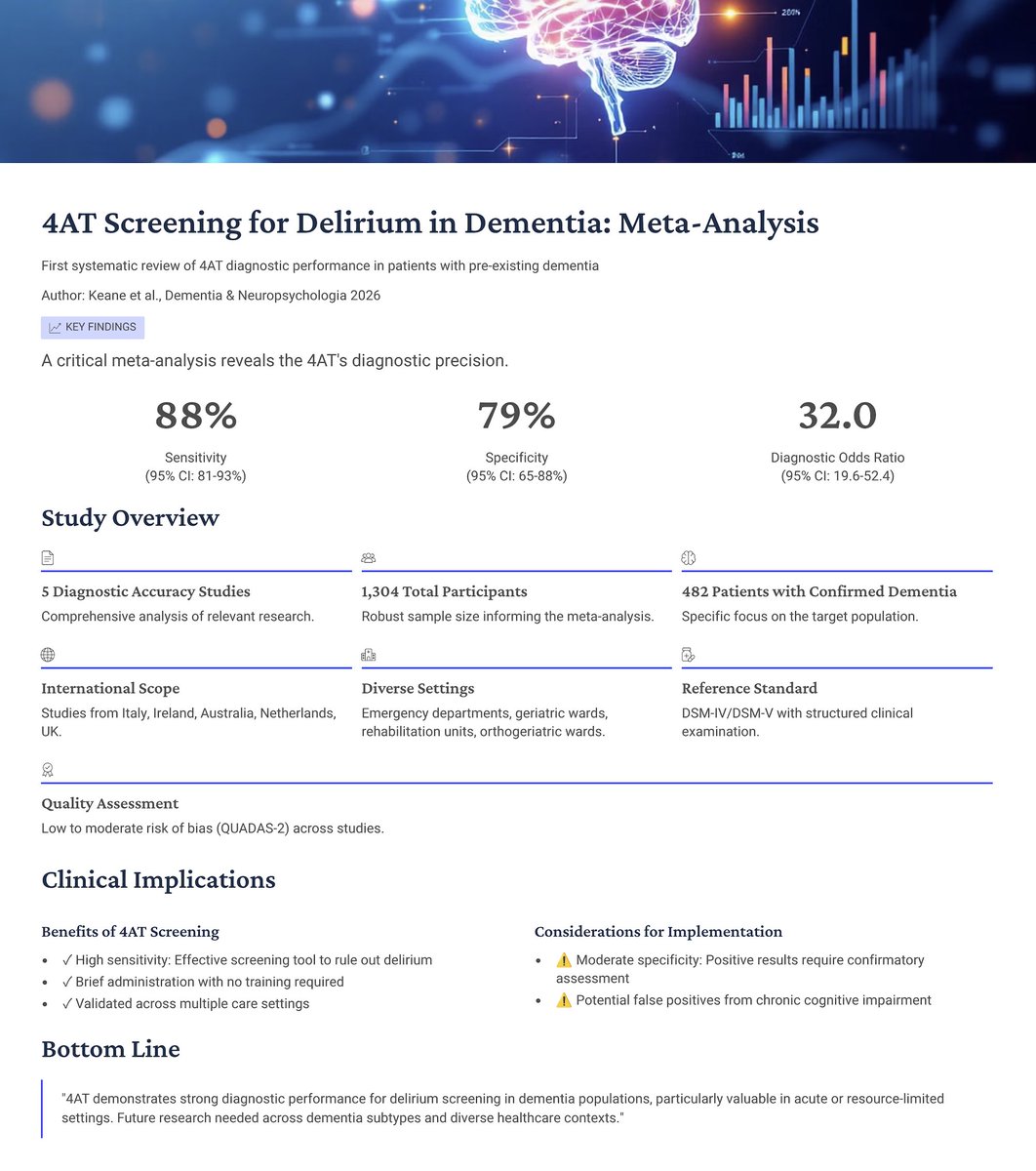
New meta-analysis (Keane et al. 2026): 4AT shows 88% sensitivity, 79% specificity in dementia populations.
5 studies. 1,304 patients. International data.
#delirium#dementia
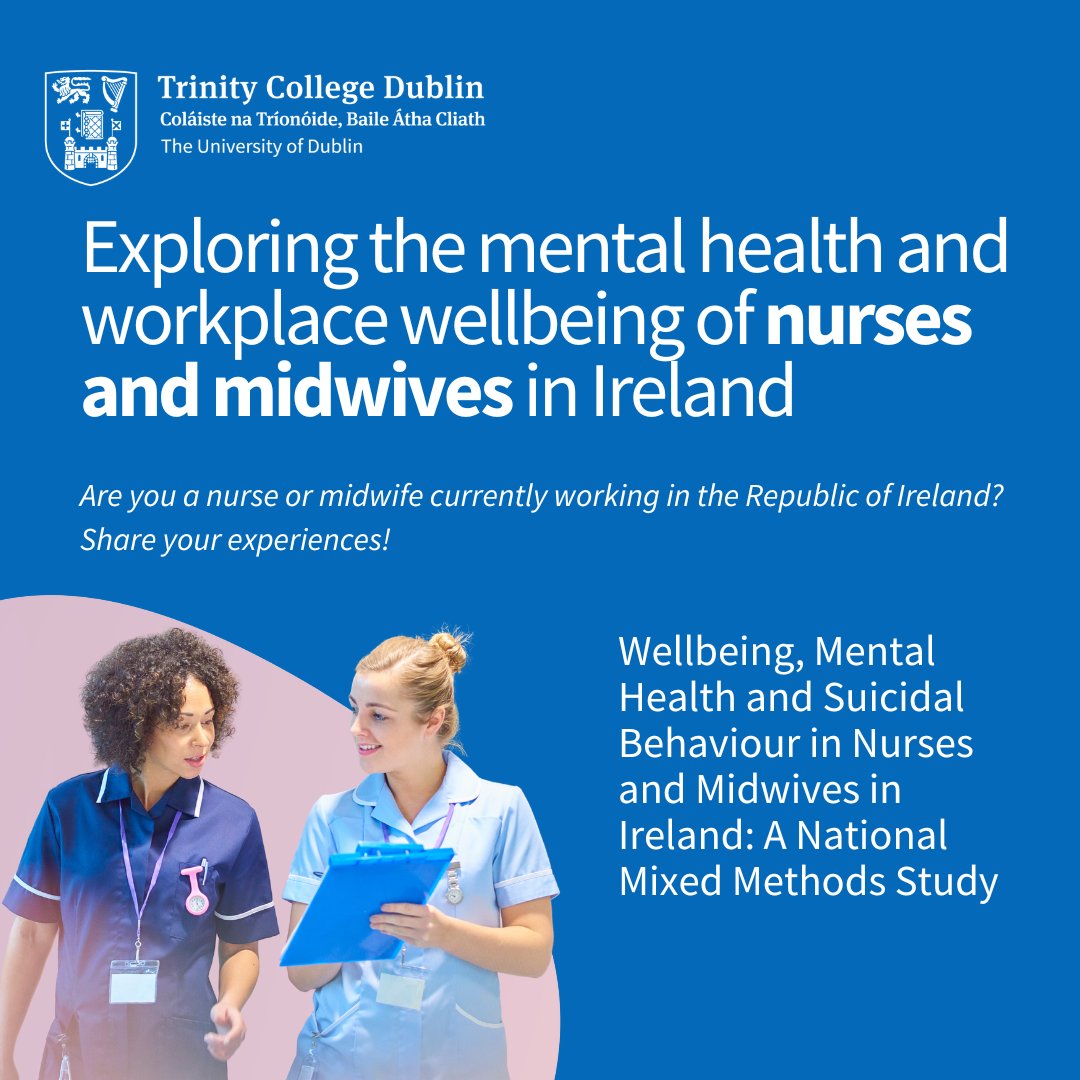
🚨 Calling All Nurses and Midwives: Share Your Experience of Working in Ireland
Are you a nurse or midwife currently working in the Republic of Ireland? If so, we want to hear from you.
Ciarán Carr, a PhD student at the School of Nursing & Midwifery, @tcddublin, is seeking to explore the lived experiences of nurses and midwives — both at work and beyond.
Ciarán is exploring important topics like:
· Workplace wellbeing & stress
· Mental Health
· Work-life balance
· Exercise & coping strategies
· Intimate partner violence
· Suicidal thoughts and behaviours
The survey is open to all nurses and midwives working in the Republic of Ireland. Our study contains a phase two, which will focus on Nurses and Midwives who have experienced suicidal behaviour. Depending on your responses, some participants will be invited to contribute to interview.
All responses are confidential, and your participation is voluntary. If you are invited to interview, you do not need to contribute if you do not want to.
Your voice matters. By participating, you’ll help build a deeper understanding of the pressures and supports that shape the lives of those in the nursing and midwifery professions.
Learn more and take the survey: https://t.co/wCKWrpYqqu
Thank you for helping us make a difference.
If you would like further information, email [email protected]
It is absolutely disgraceful to blame older people for the "trolley crisis." Minister Jennifer Carroll MacNeill’s comments calling for patients to be moved far from their homes and families are a mask for the Government’s Own failure.
Stripping older people of the right to live in their own communities is ageism. Instead of propping up big private businesses, the Government must Invest in high-quality, local step-down care. Prioritize public beds over private profit. Treat older people with dignity & respect not as bed blockers. The Minister needs a reminder: the failure of the system is her responsibility, not the patients.
#HumanRightsDoNotGrowOld #CarePartner #Stepdowncare #Carechampions @FineGael@fiannafailparty@CarrollJennifer@kodonnellLK
https://t.co/lv3DXQa9i5
"Patients with cognitive impairment are at higher risk of all hospital-acquired complications. For example, they are twice as likely to fall, and three times more likely to develop a pressure injury."
— Australian Commission on Safety and Quality in Health Care
"Have you been having a difficult time?"
"Is there anything I can do to help you?"
➡️ Questions to help provide comfort to those with #delirium & #dementia
Emergency Department (ED) staff: screen ALL patients over 65 for delirium.
Emergency departments are where it's most missed and most dangerous.
Make it as routine as checking blood pressure.
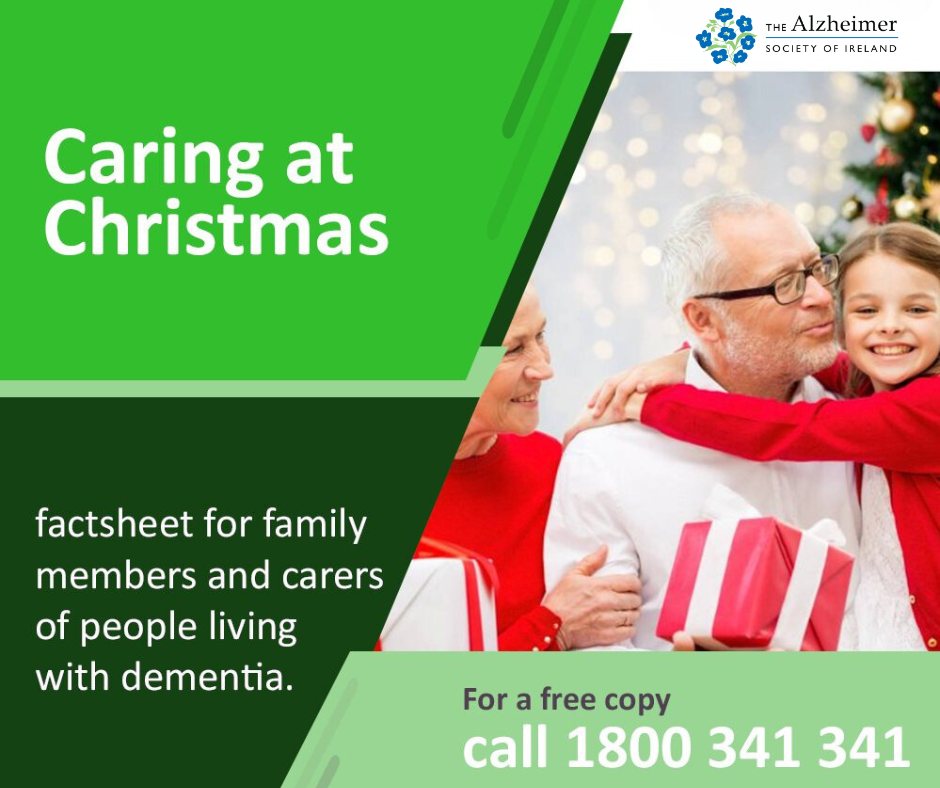
Christmas can be overwhelming for many people who are caring for someone with dementia. Our resource- Caring at Christmas, provides tips on how to care for someone at Christmas. You can get this by calling our Helpline on 1800 341 341 or email [email protected]. #DementiaSupports
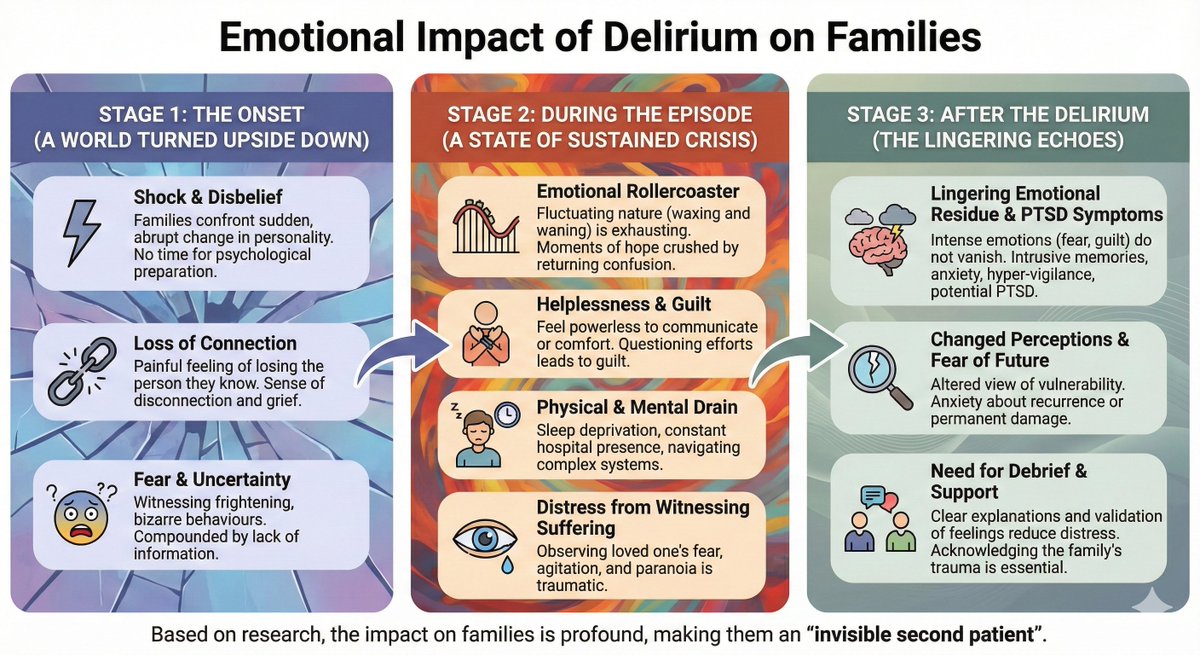
We are only just catching up with the fact that delirium can be an extremely distressing experience for people who are experiencing it, both during and after the episode.
Even less well understood and shared is the fact that families are often extremely distressed by watching their loved one go through an episode of delirium.
Often they do not know what they are witnessing because the delirium is not diagnosed, and even if it is diagnosed, the diagnosis is commonly not communicated.
Also families are often not given clear information about what delirium is and how they can best support their loved one during the episode.
This infographic summarises multiple sources, including academic articles as well as interviews and my own clinical experience on the experience of delirium that families often have.
Here is a link to patient and family-orientated information on delirium: https://t.co/FhKcQe35O4
#delirium #MedTwitter
Missed #delirium = longer stays, more complications, higher mortality, massive costs.
But hey, at least we saved 2 minutes by not doing a 4AT in the ED.
Our newest information booklet 'Brain Health for Life' is now available. This booklet highlights areas such as the positive steps you can take to reduce your risk of developing dementia. Copies can be requested via our office. Click below to view the pdf: https://t.co/St5MFtH6DL
Really interesting Webinar coming up on the Decision-Making options for Individuals, families and carers- @EngagingDemIrl@DCCNIRL link to register is in the thread.