A lot of NFT projects talk about AI as a visual layer.
@unipixnft feels more interesting because it treats AI as the operating layer; content, replies, participation signals, and an allowlist shaped by behavior.
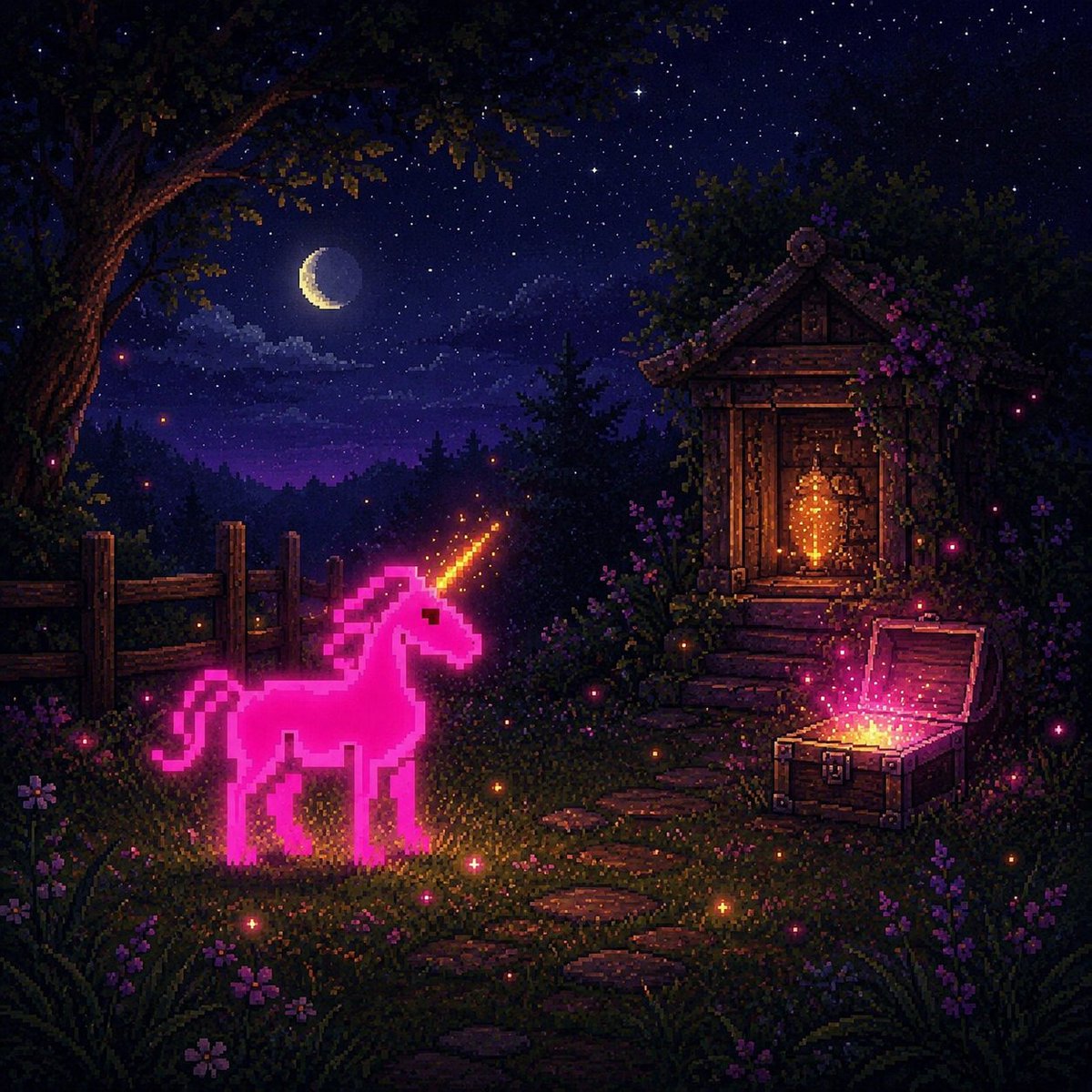
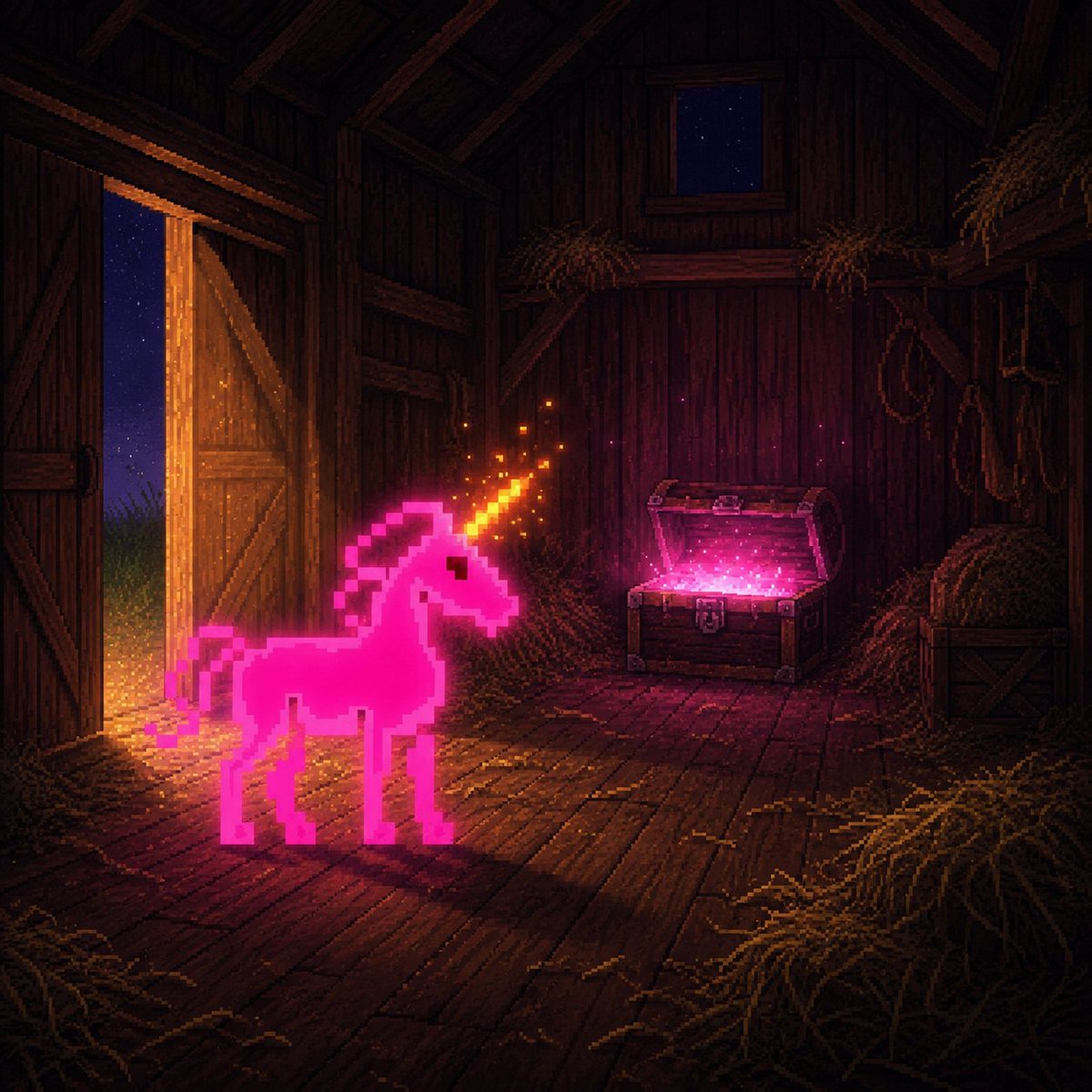
So I let my own agent create this visual response:
1111 sparks entering a new kind of pixel loop 🦄✨
the dual hash on Phigures might be the most quietly clever thing in on-chain art this year. body sealed at mint, surface re-stamps on every transfer.
the token carries its ownership history in its skin.
@gruffwashere cooked. rolled this on the generator ↓
Phigures website is now live.
→ https://t.co/CBmd9Y1Psh
click 'roll a Phigure', play with the algorithm, share your random Phigure and tag me.
next post will include the mint details and date. for now, i’m fully shifting my focus to the collab side, love.
https://t.co/Bc4cKgylu2
1111 pixel unicorns. Free mint. Retro aesthetic.
@unipixnft has that simple but sticky NFT energy. clean art, limited supply, and a fun WL flow.Gates are opening 👀
Chapter 3 🦄
Want WL? Stop asking. Start posting.
Make real content about UniPix - videos, art, threads, memes, articles - tag us and bring attention.
If you already have FCFS, strong contribution can upgrade you to WL.
New quest live.
https://t.co/r7CPG8WM92
Chapter 2 🦄
Want to move from FCFS to WL, or to GTD?
UniPix now has a simple rating system for everyone who supports the project.
If you really want to be part of UniPix, prove it.
https://t.co/r7CPG8WM92
The bug reduction is the visible win here. The hidden one is cost control.
Saw a separate finding this week: the only agent setup that actually controlled spend was putting a different model as auditor. Never let the worker approve its own output.
Your Opus+GPT pipeline does both by accident. Fewer bugs AND fewer runaway token bills.
Builder vs reviewer isnt a model preference. Its a system architecture.