Reflecting on the Prison Exchange with Ethiopia
The news of the conclusion of the prisoners exchange between Nigeria and Ethiopia is refreshing.
Every life is precious, and ensuring the constitutional right to human dignity for all Nigerians - regardless of where they are or the circumstances they find themselves in - must remain a cornerstone of our national foreign policy.
I must therefore appreciate the efforts of our Foreign Affairs Minister, Amb. Bianca Odumegwu-Ojukwu, Attorney General Lateef Fagbemi (SAN), and their Ethiopian counterparts for finally concluding these protracted negotiations.
However, we must reflect deeply on this development. It is heartbreaking to learn that at least four Nigerian citizens lost their lives in custody while this diplomatic and administrative process dragged on over the past few years. My heart goes out to their families, who had to endure the ultimate pain of losing loved ones in a foreign land.
While we commend this humanitarian intervention, it serves as a reminder of a larger systemic crisis. The overwhelming majority of these citizens are young Nigerians. A significant number were arrested while transiting through Addis Ababa’s Bole International Airport in search of green pastures. While we must continuously urge our citizens to remain law-abiding and respect the laws of host nations wherever they travel or reside, we must also ask ourselves a hard question: What drives our young and productive population into desperate circumstances across the globe?
Until we build a New Nigeria that offers genuine economic opportunities, a functional educational framework, and an environment where hard work is rewarded, we will continue to grapple with the tragic consequences of mass emigration and its associated vulnerabilities.
As these citizens are brought home to serve out their terms, our correctional facilities must be properly managed with a focus on genuine rehabilitation and societal reintegration. Let us use this moment not just for short-term relief, but as an urgent call to build a nation that protects, values, and empowers its citizens here at home.
With the right policies and leadership, a New Nigeria is POssible. -PO
Celebrating Global Excellence in Our Youth.
I am immensely proud to see the official tweet from former U.S. President @BarackObama , celebrating the incredible brilliance of our own Njideka @AkunyiliCrosby . Her exceptional talent has brought our shared history to the global stage through the unveiling of the first joint portrait of President Obama and former First Lady @MichelleObama .
This monumental achievement is a powerful reminder to Nigerian youths of what is possible when talent is met with hard work and discipline. Njideka, who is also the daughter of our late Dr Chike and Prof. Dora Akunyili, embodies the very best of the excellent Nigerian spirit.
As the great philosopher Aristotle rightly noted, excellence is not an accident; it is a habit, the result of high intention, sincere effort, and intelligent execution. Njideka's global success proves that true greatness comes from this consistent, daily dedication to one's craft.
I urge our young people to look up to
individuals like her as true role models. Success is not found in shortcuts, but in the relentless pursuit of excellence, honouring one's roots, and using your gifts to make a global impact. If we remain committed to merit and hard work, the new Nigeria we desire will be built by such exemplary minds.
With focused and hard-working youths, a new Nigeria is POssible. -PO
Debt Servicing, Borrowing, and Nigeria’s Fiscal Priorities
During his recent foreign tour, President Bola Ahmed Tinubu stated that Nigeria will spend about $11.6 billion on debt servicing, a figure that should concern anyone interested in the country’s economic future and long-term development.
There is nothing inherently wrong with borrowing when it is guided by prudence and directed toward productive investment. Countries such as Japan, the United Kingdom, the United States, the United Arab Emirates, Singapore, and Indonesia are all heavily indebted, yet their borrowings are largely channelled into education, healthcare, infrastructure, and innovation - sectors that generate long-term economic returns and sustain repayment capacity. As a result, despite high debt levels, their obligations remain more manageable because they are tied to measurable productivity.
Nigeria’s situation, however, is markedly different. A huge proportion of past borrowing has been directed toward consumption, with limited visible or sustainable developmental outcomes to justify the scale of indebtedness.
It is also important to note that a huge portion of the debt currently being serviced was accumulated under the Tinubu administration itself, while borrowing has continued at a significant pace. The administration’s recent external borrowing alone includes about $6 billion (from First Abu Dhabi Bank in the UAE—$5 billion, and UK Export Finance via Citibank London—$1 billion), a further $1.25 billion under consideration from the World Bank, and an additional $516 million arranged through Deutsche Bank, bringing the latest known external loan commitments to roughly $7.8 billion. In addition, domestic borrowing through monthly bond issuances continues to add to the overall debt stock.
Against this backdrop, Nigeria’s 2026 budget shows that health is ₦2.46 trillion, education is ₦2.56 trillion, and poverty alleviation is ₦865 billion, giving a combined total of about ₦5.885 trillion for these three critical sectors. By comparison, debt servicing at about $11.6 billion (approximately ₦17–₦18 trillion, depending on exchange rate assumptions) is almost three times higher than the total allocation to health, education, and social protection combined. This imbalance highlights a troubling fiscal reality in which debt obligations increasingly crowd out investment in human capital and poverty reduction. Moreover, even within the limited allocations to these sectors, funds may not be fully released, and a significant portion of what is eventually released could be misappropriated.
Ultimately, the central issue is not borrowing itself, but whether borrowed funds are being converted into measurable productivity, inclusive growth, and improved living standards. Without this, debt servicing shifts from being a temporary fiscal obligation to a long-term structural burden that constrains development and deepens economic vulnerability.
A New Nigeria is POssible. -PO
Education Challenge: Not Funding but failure of leadership and Accountability.
The recent comments made by the Minister of Education are quite alarming. Despite receiving nearly 80% of educational donor funding over the last ten years, the North-West and North-East regions still show the lowest literacy and numeracy rates in Nigeria.
This issue goes beyond just a lack of funding; it highlights failures in leadership, accountability, and governance. Financial resources alone do not guarantee proper education. What truly makes a difference in education is the responsible and transparent management of these funds, aimed at achieving tangible results and a genuine commitment to developing human capital.
We cannot continue to commend government budgets, donor contributions, and various intervention programs while millions of children in Nigeria still lack basic reading and writing skills, which are essential for thriving in today's world. The real tragedy lies not just in the numbers, but in the lost potential of countless children whose futures are being compromised by systemic inefficiency and corruption.
Nigeria’s most valuable asset is not its oil, politics, or propaganda. It resides in the human capital of our youth. A country that overlooks education is essentially setting itself up for cycles of poverty, insecurity, unemployment, and instability in the future.
The Minister’s statement should prompt a national dialogue on how public funds and donor contributions are utilised. Every kobo spent on education must lead to clear improvements in literacy rates, school enrollment, teacher performance, and overall learning outcomes. Anything less is unacceptable.
Countries that have developed successfully, or are on the fast track to development, have made substantial investments in education. Nations like China, India, Indonesia, Vietnam, and Bangladesh have recognised the invaluable impact of education on progress and growth.
Now, Nigeria must transition from mere discussions about education to achieving real outcomes. We need to construct schools, train teachers, modernise educational systems, enhance monitoring processes, and ensure every intervention directly benefits the children it is meant to serve, rather than being siphoned off by political intermediaries and bureaucratic systems.
A nation’s progress is closely linked to the quality of its education system.
A brighter future for Nigeria is achievable! -PO
A Nation Losing Its HUMANITY.
Some events shatter a society so deeply that words are no longer enough to express the shock; the brutal killing of a teacher and the horrific rape and murder of an elderly woman are among such tragedies. These are not isolated incidents but signs of deeper moral and social decay.
How did we get here? How did we reach a point where teachers are hunted and killed, and the elderly—custodians of memory and wisdom—suffer such dehumanising violence?
This is more than a security crisis; it is a failure of collective humanity. We have become desensitised, consuming tragedy briefly and moving on, allowing indifference to normalise the unacceptable.
To the families affected, I share in your grief. But grief alone is not enough.
We must demand accountability and urgent systemic change. If such atrocities no longer move us to action, then we risk losing our shared humanity. -PO
Yesterday, May 19th, in Abuja, I attended the Presidential screening organised by our party, which took over two and a half hours. They carefully reviewed all my documents, including my degree certificates, NYSC credentials, and age declarations.
During the process, I also addressed questions regarding my vision for a new Nigeria and the type of leadership our nation urgently needs right now. Following this, I was cleared and received the presidential nomination form I had previously paid for.
I would like to commend the screening committee, led by former governor Sam Egwu, for their thorough and professional approach. Additionally, I appreciate our party's leadership for upholding the democratic process.
A New Nigeria is POssible. - PO
Teargas in a Hospital, a Thoughtless Act.
I have just read the recent troubling reports of how the operatives of the Economic and Financial Crimes Commission (EFCC) allegedly stormed the University of Uyo Teaching Hospital in a bid to arrest Professor Eyo Ekpe, a professor of cardiothoracic surgery and deputy chairman of the hospital’s medical advisory committee.
While I understand and respect the fact that the EFCC, and indeed, all other government agencies have their constitutional rights to do their jobs without interference, the manner in which some of these jobs are carried out is often deeply troubling.
Reportedly, the EFCC operatives who stormed the hospital shot some teargas canisters within the hospital premises which sent medical staff and patients running for safety. This thoughtless act greatly compromised the general safety in the hospital environment and further jeopardised the health of the medical personnel and the sick people in the hospital.
I have always said that the most fundamental intangible asset upon which any nation functions effectively is the rule of law and order. The disorderliness allegedly demonstrated by the EFCC operatives at the hospital must not be encouraged. Nothing justifies the use of teargas canisters in a fragile hospital environment. Do we not realise that our hospitals are part of our most critical contributors to development?
We must also learn to respect the lives and dignity of our citizens. If a Professor of Cardiothoracic Surgery is arrested in such a demeaning manner in a hospital environment, what signals are we sending to other medical professionals working hard to keep our health sector afloat? It is reported that Nigeria has only 80 cardiothoracic surgeons serving its 230 million people, and the Prof Eyo Ekpe is the only one in Akwa Ibom State.
Let us learn to do better. Let us condemn and eschew the rascality and disorderliness that have continued to characterise some of our public offices and bring in civility in the discharge of our duties.
A New Nigeria is POssible. -PO
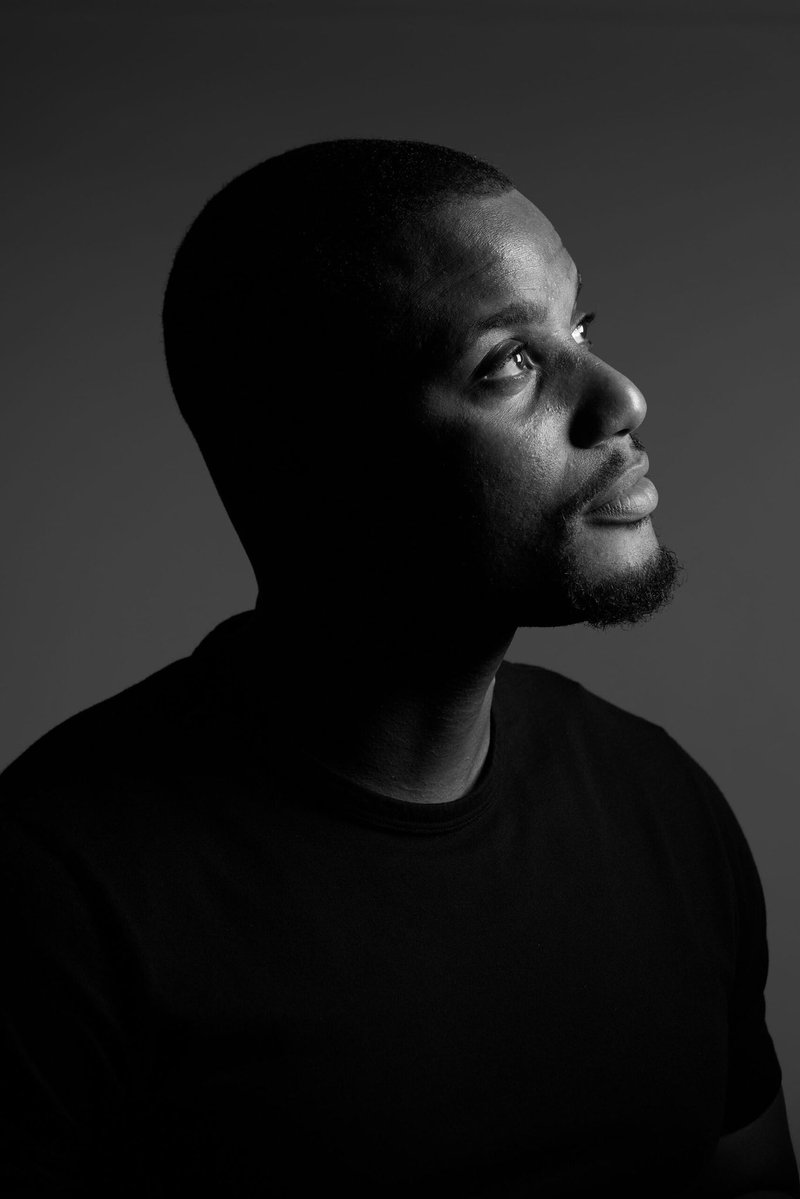
I received with sadness the heartbreaking news of the passing of young and talented Nollywood actor Alexx Ekubo, whose death has left the Nigerian entertainment industry and millions of admirers across the country mourning.
On behalf of myself and everyone who values the immense contributions of our young creatives to nation-building, I extend my heartfelt condolences to his family, friends, colleagues in Nollywood, and the countless fans whose lives he touched through his craft.
At moments like this, we are reminded once again of the fragility of life and the importance of living with kindness, compassion, and a sense of purpose. Though his journey was cut short, the memories he created and the joy he brought to many through his performances will continue to live on.
I pray that God Almighty grants his family the strength and comfort to bear this painful loss, and may his gentle soul rest in perfect peace. -PO
Farewell to Bishop Peter Nworie Chukwu
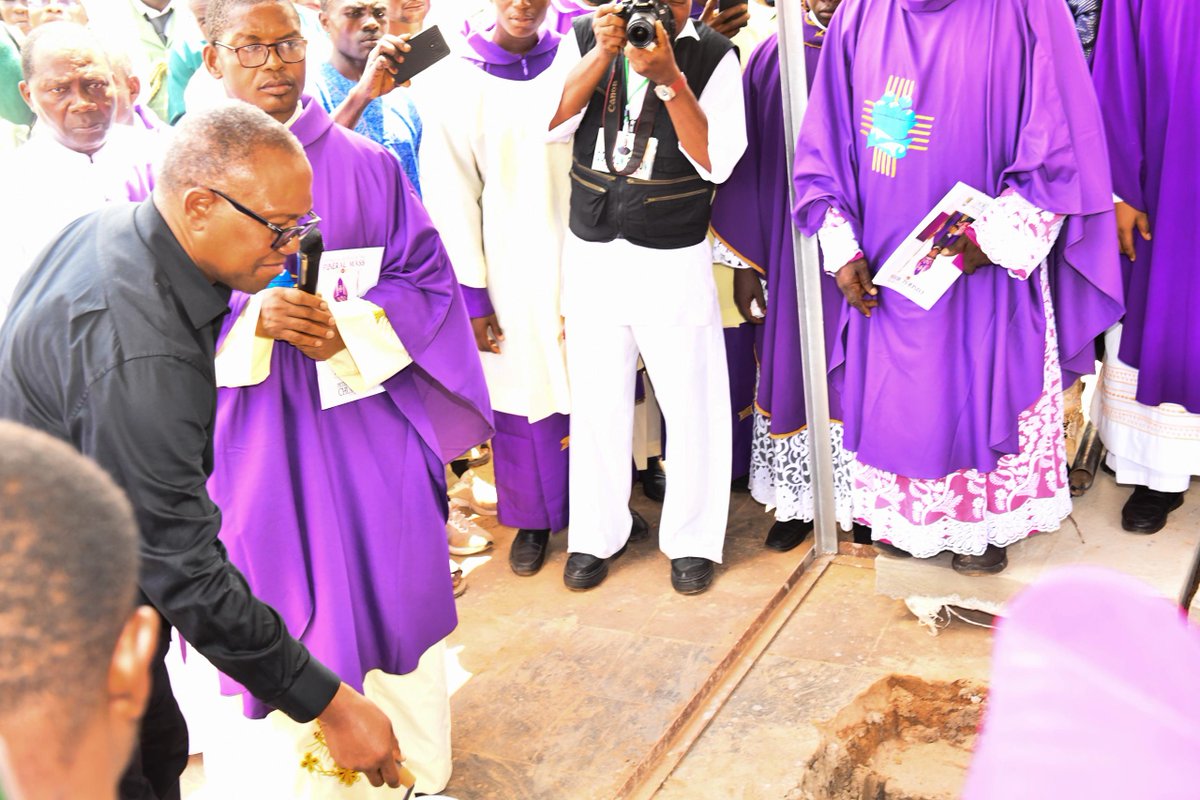
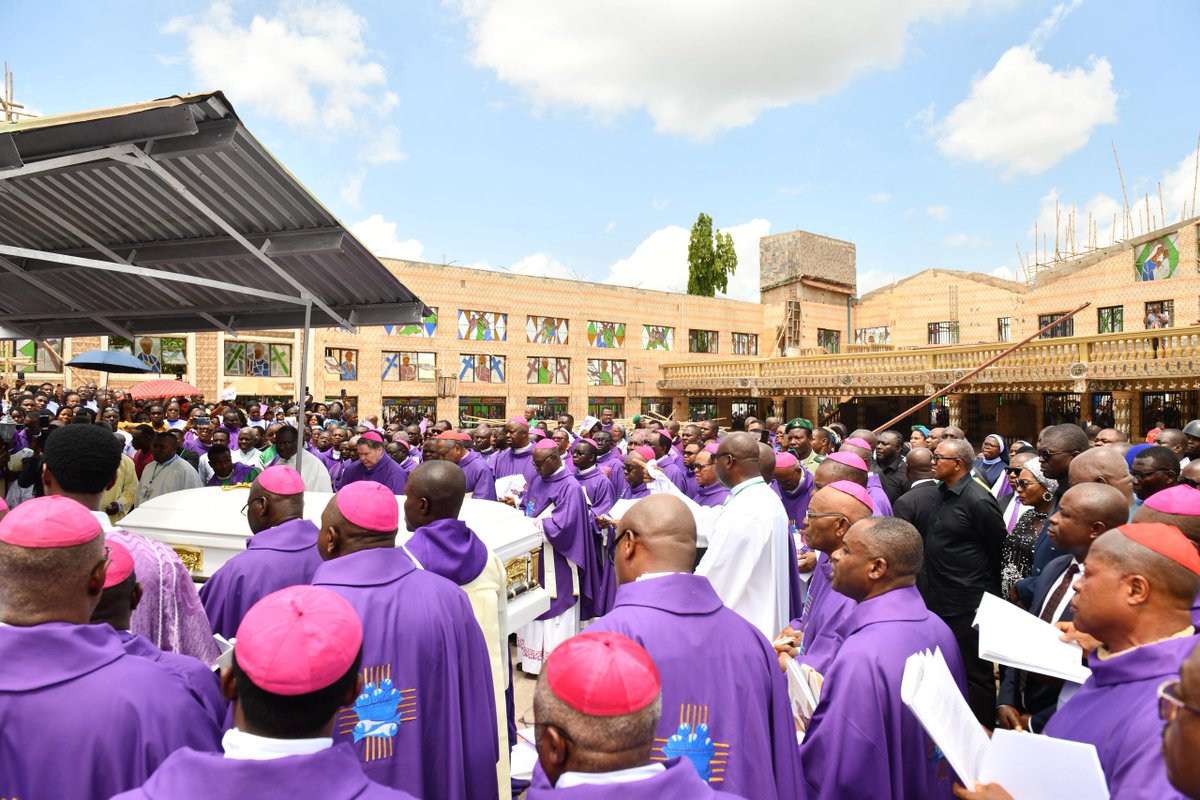
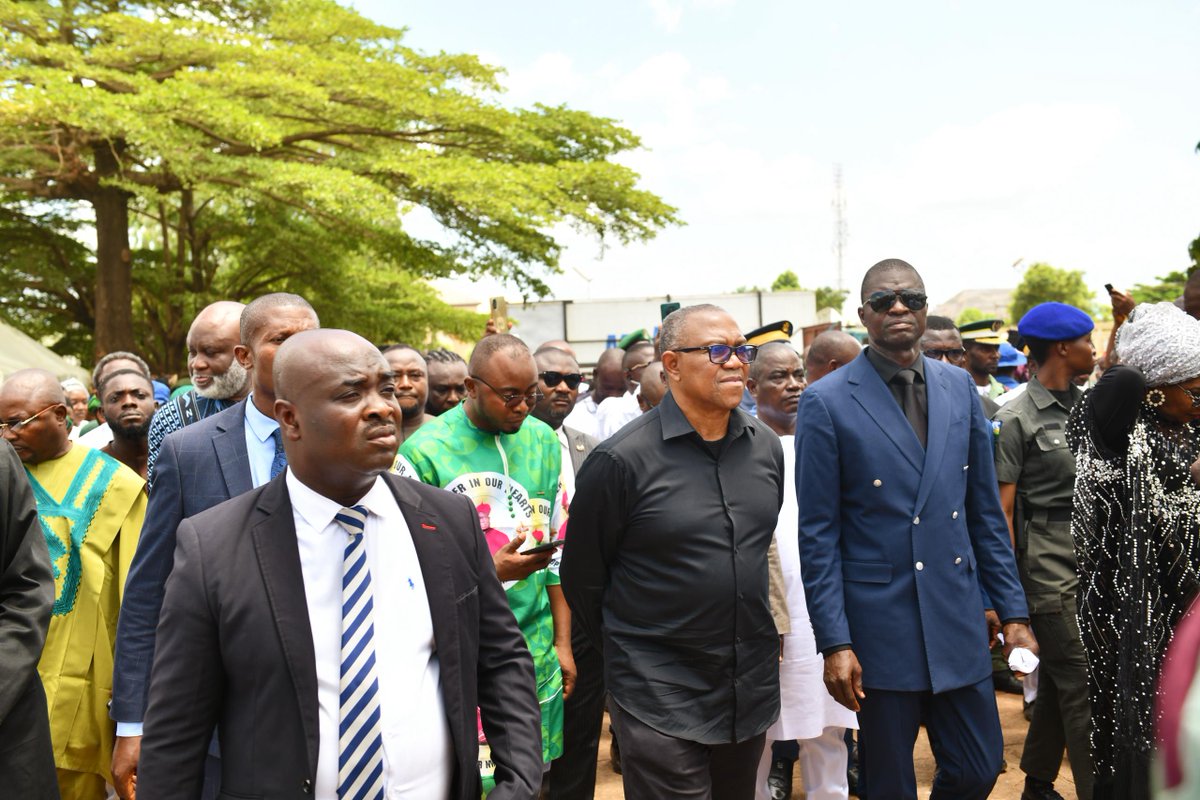
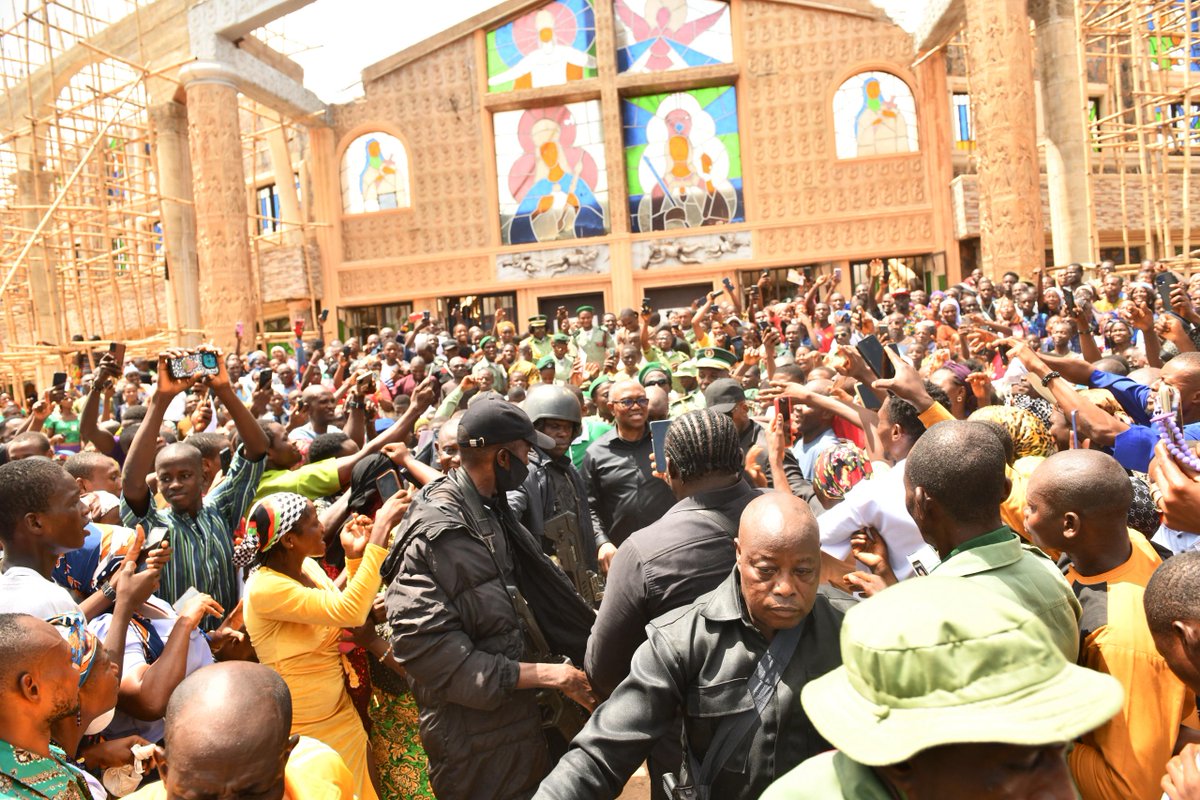
This morning, I joined the clergy drawn from across the country and lay faithful of the Catholic Diocese of Abakaliki for the requiem Mass and burial of the late Most Rev. Peter Nworie Chukwu, Bishop of the Diocese.
His passing is a profound loss to his family, the Diocese, and the Universal Church, but we are comforted by the testimonies of his life of dedicated service to God and humanity.
In his homily, Archbishop Lucius Iwejuru Ugorji reflected on the inevitability of death and described the late Bishop as a courageous and devoted shepherd whose life was marked by sacrifice, service, and fidelity to his calling. Governor Francis Nwifuru also described him as a monumental loss to Ebonyi State and a pathfinder whose leadership transcended religious boundaries.
The Archbishop’s message further highlighted the moral demands of leadership and the commitment required of those entrusted with governance, both in the Church and public service, to make society work.
The Apostolic Nuncio to Nigeria, Archbishop Michael Francis Crotty, representing the Holy Father, underscored the unity of the Universal Church in this moment of grief. I also commend Bishop Ernest Obodo, the Apostolic Administrator of the Diocese, for his leadership and for ensuring a hitch-free funeral for the late Bishop.
May God grant Bishop Peter Nworie Chukwu eternal rest. -PO
Extrajudicial Killing in Effurun
The extrajudicial killing of a young Nigerian Mr. Mene Ogidi, in Effurun, Delta State, by a police officer, is not only barbaric but also a grave violation of the rule of law.
Over time, human society has moved away from an era when lives could be taken without consequence. Through the evolution of civilisation, a fundamental principle has emerged: no one should be punished or deprived of life without due process and a fair determination of guilt.
Such acts inflict unimaginable trauma on the bereaved family and deepen public anxiety in an already distressed society. Nigerians are already traumatised by recurring reports of brutal killings by terror organisations across the country, and incidents of this nature - especially when involving state actors - only worsen that psychological burden and erode public confidence in safety and security.
In light of this, while the law must take its full course, I commend the prompt response of the police authorities so far and express confidence that they will pursue this matter to its logical conclusion. Such responsiveness is necessary to reassure the public that justice will not be compromised. I therefore urge the police and all security agencies to sustain this approach by acting with transparency and accountability. Furthermore, recruitment processes must be more rigorous, ensuring that only individuals of sound judgment and the right frame of mind are entrusted with firearms.
In the final analysis, these measures can restore public trust and uphold justice - both of which are indispensable to building a new Nigeria that is possible. -PO
EFCC's Troubling Revelation on Our Students.
The worrisome statement by the Chairman of the Economic and Financial Crimes Commission (EFCC) that 6 out of every 10 Nigerian university students are involved in “419” is deeply troubling and must not be taken lightly.
Nigeria already has a very limited number of students in higher institutions, estimated at 2 to 2.5 million. If indeed about 60% of them, roughly 1.4 million young people, are involved in fraud, then we are not just facing a crime issue; we are confronting a serious moral and systemic failure.
The question we must ask ourselves is: what has brought us to this level? Who are the role models these students are looking up to?. What values are they learning from society?
We must understand that young people become what they consistently see. When a system appears to reward wrongdoing, when integrity is not upheld, and when those in leadership are associated with allegations of forgery and dishonesty without consequence, it sends a dangerous message.
It suggests that hard work does not matter, and that results, by any means, are acceptable. These points clearly point to a collapse of moral values.
As Socrates rightly said, “An unexamined life is not worth living.” Nigeria must now examine itself.
This is not about condemning our young people. It is about accepting that leadership sets the tone. If we do not demonstrate integrity at the top, we cannot expect it at the bottom.
We must urgently rebuild our value system, enforce accountability without bias, and create an environment where honesty, hard work, and discipline are rewarded. That is the only sustainable path to securing the future of our nation.
A new Nigeria is POssible! -PO
Yesterday's Advocates of democracy, Today's Oppressor of the Press
Nigeria is drifting dangerously.
At a time when our nation should be strengthening its vital democratic institutions, we are witnessing a pattern that shows the opposite. The recent notice by the National Broadcasting Commission, especially at this critical time of the general elections, is very troubling.
A free and responsible media should not be an enemy to any administration, especially one that claims to have fought for democracy. The media is the conscience of the nation. Attempting to stifle voices, moderate opinions, or intimidate journalists under the guise of regulation only weakens our already fragile democracy.
Institutions are not built to serve governments; they are built to serve the people.
At a time when insecurity is on the rise, young Nigerians are losing faith in the country, and the economy continues to fail the average citizen. Our focus should not be on controlling media narratives, but on delivering results.
Nigeria does not need stronger control. Nigeria needs stronger institutions. I stand in solidarity with Nigeria’s media houses and broadcasters who are standing against this attempt to silence independent voices and restrict free expression.
We must return to the path of transparency, accountability, and true independence of all arms and agencies of government. We cannot continue to endanger our democracy.
A New Nigeria is POssible. -PO