An open access journal which is published in association with SML, technologically innovative research in marine, terrestrial and atmospheric studies(2771-0378)
Unraveling southern China's complex winter rainfall is challenging. This study identifies two key #patterns—a dominant uniform #mode (41.4%) driven by Eurasian waves and tropical seas, and a secondary east-west seesaw (14.3%) controlled by the Scandinavian teleconnection.🧐
@OLARjournal@SPJournals
https://t.co/whADJzVhuk
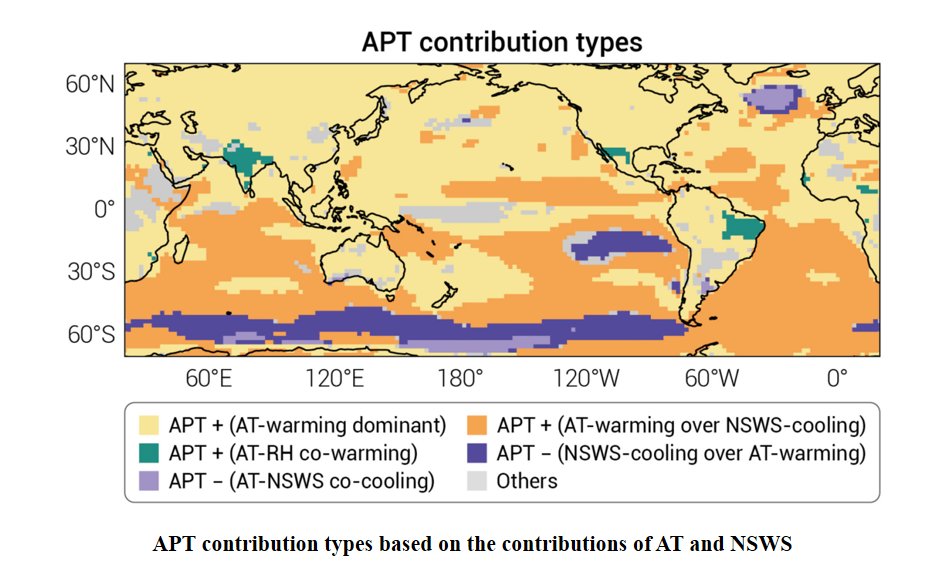
How hot you feel at sea is more than just #temperature. New research reveals that strengthening #oceanic winds cool vast parts of the Southern Ocean, masking underlying warming. This wind-driven effect varies by hemisphere—cooling the Southern Ocean far more than the Northern oceans. Factoring wind into marine forecasts sharpens heat and cold stress alerts for #maritime workers.🌊
@OLARjournal@SPJournals
https://t.co/YctCbqpOVZ
A breakthrough in ocean forecasting: the new 4D-MDA system merges satellite data with the MaCOM model, reducing errors and improving the simulation of currents and eddies.😀
@OLARjournal@SPJournals
https://t.co/ZxOBxKNoSM
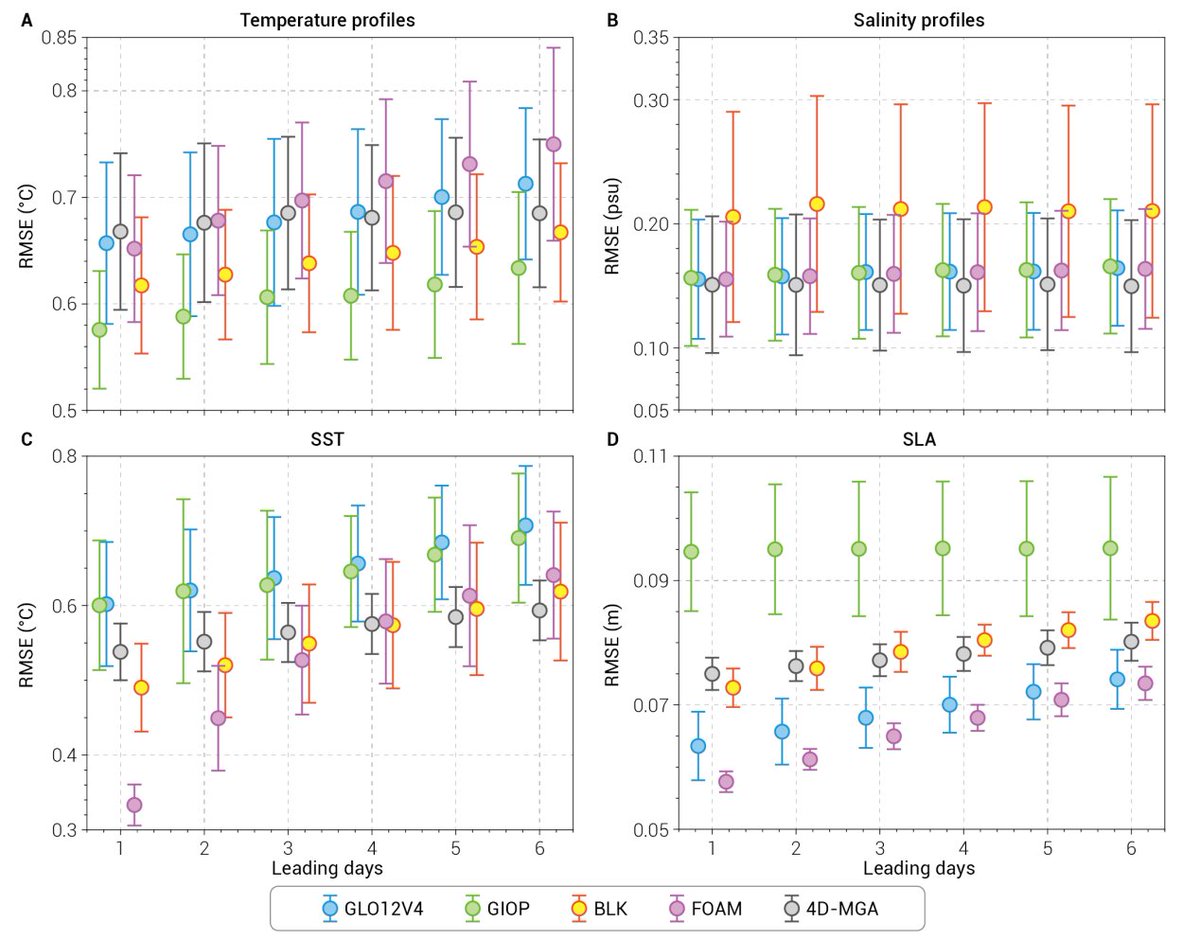
MOHDAS: China’s breakthrough ocean forecasting system. It delivers 1–7 day forecasts with outstanding accuracy—outperforming leading global models. A leap in ocean prediction.👍
@OLARjournal@SPJournals
https://t.co/3uPSFmp5vo
Winter rain across southern China swings between two rhythms: soaked everywhere, or #dry east and #wet west. A new method filters local noise to link these to distant atmospheric fluctuations and #tropical#ocean warmth, improving flood and drought warnings.👍
@OLARjournal@SPJournals
https://t.co/whADJzVhuk
#Climate change is supercharging hurricanes. 🌪️ Future #storms will grab 9–20% more #moisture from nearby #oceans, driving rainfall up by 1.8%-12.5%. Flood risk for the US East & Southeast will surge—especially if emissions stay high.🧐
@OLARjournal@SPJournals
https://t.co/W6lfKzYYWD
#Climate change is expected to increase precipitation from North Atlantic #hurricanes by boosting nearby #moisture sources. This intensifies flooding risks for the southeastern United States and the Caribbean, challenging current #disaster preparedness.🧐
@OLARjournal@SPJournals
https://t.co/W6lfKzZwMb
A newly developed 4D-#MGA data assimilation system incorporates physical constraints to refine #ocean current and #mesoscale eddy simulations. It effectively mitigates large-scale #model biases, cutting forecast errors and providing reliable support for #marine dynamic forecasting.👍
@OLARjournal@SPJournals
https://t.co/RzymJpFxOM
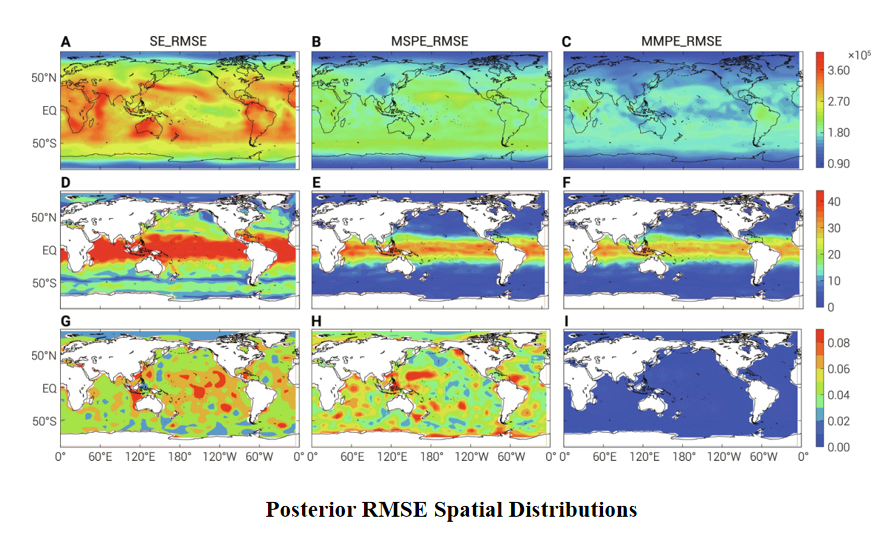
The method uses instantaneous sensitivity to tune only the most critical parameters, achieving near-optimal results and more durable climate predictions.👍
@OLARjournal@SPJournals
https://t.co/qlzNTtxFTU
Climate models have many parameters to tune, but adjusting them all at once causes errors. A new method ranks which parameters matter most by measuring their instantaneous sensitivity, then adjusts them in order of importance. This fixes multiple biases step-by-step, making long-term weather forecasts more reliable.😀
#ocean #climate
@OLARjournal
https://t.co/asIOWzO0mz
Scientists are closely monitoring a remarkable and unusual ocean warming pattern in the tropical Pacific—unseen in 40 years—that may supercharge an emerging El Niño.🧐
@OLARjournal
https://t.co/Ta4m4agbqz
A rare ring-shaped warming pattern in the tropical Pacific could supercharge a 2026 El Niño. This early warning improves global forecasts, giving communities critical time to prepare for severe floods and droughts.👍
@OLARjournal
https://t.co/xp36mfU44y
New research reveals how sea surface temperature signals move between the Pacific, Atlantic, and Indian Oceans, creating a complex, time-shifted dialogue across the globe.🧐
@OLARjournal
https://t.co/iv1cIeKlg1
Ocean temperatures across Pacific, Atlantic and Indian Oceans influence each other with distinct time lags. Understanding these delayed connections improves long-term climate forecast accuracy and reveals how global warming intensifies cross-ocean weather patterns.🧐
#ocean@OLARjournal
https://t.co/m74kYG8Dsj
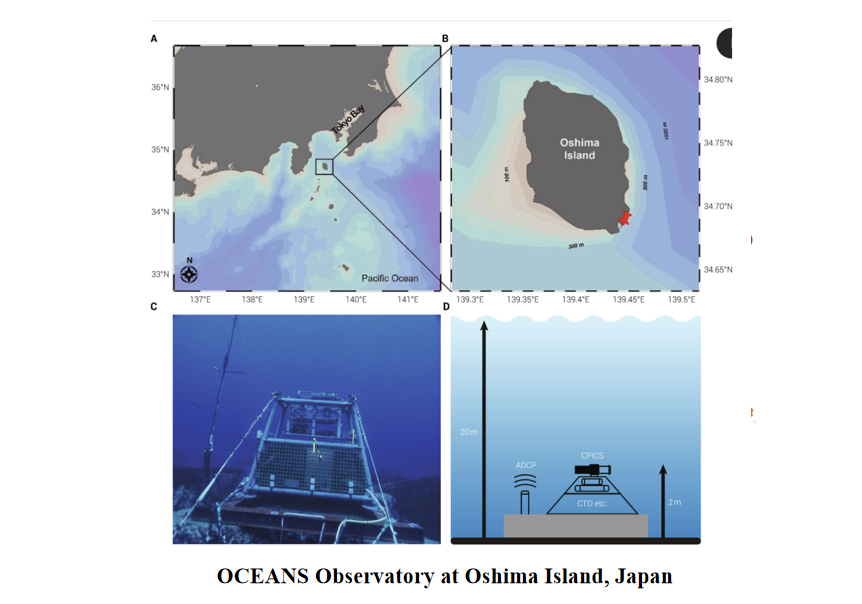
The Ocean’s Inner Turbulence: How Seafloor observatory links chaotic water motion to the precise daily clock of plankton migration. 🧐
@OLARjournal
https://t.co/1QkDKiLJuW
Phrases like "tipping points" and "ocean conveyor belt" turn complex climate models into public understanding. Grounded in data, these vivid stories help explain both sudden and gradual risks—bridging labs and society. 👍
@OLARjournal
https://t.co/HonxzT3q5n
Four years of continuous ocean observations off Japan reveal how turbulent mixing influences plankton and particle dynamics. Plankton diversity shows a 1/f scaling pattern and a clear diel signal linked to vertical migration. These findings highlight the importance of long-term observations for understanding coastal ecosystem variability.🧐
#ocean #coastal
@OLARjournal
https://t.co/HHNDLcWASA
Climate terms like "tipping points" simplify complex science but risk misleading the public by overstating urgency. Balancing catchy phrases with accurate data ensures clearer communication and smarter climate action.🧐
#climate#ocean@OLARjournal
https://t.co/HonxzT3q5n
Marine heatwaves are tropicalizing kelp forest fish communities. Our study shows that loss of kelp habitat amplifies the shift toward warm-water species after extreme events like the 2014–16 “Blob.”
Read more: https://t.co/07Kos5lxew
🌊🐟 #KelpForests#ClimateChange
This study highlights that as climate change increases the frequency of such successive typhoons, we need to pay more attention to their ecological impacts on estuaries.🧐
@OLARjournal https://t.co/sz3ofHg5CS