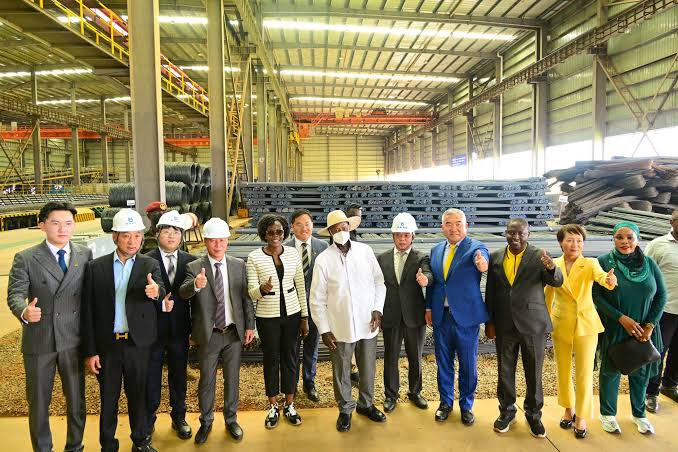
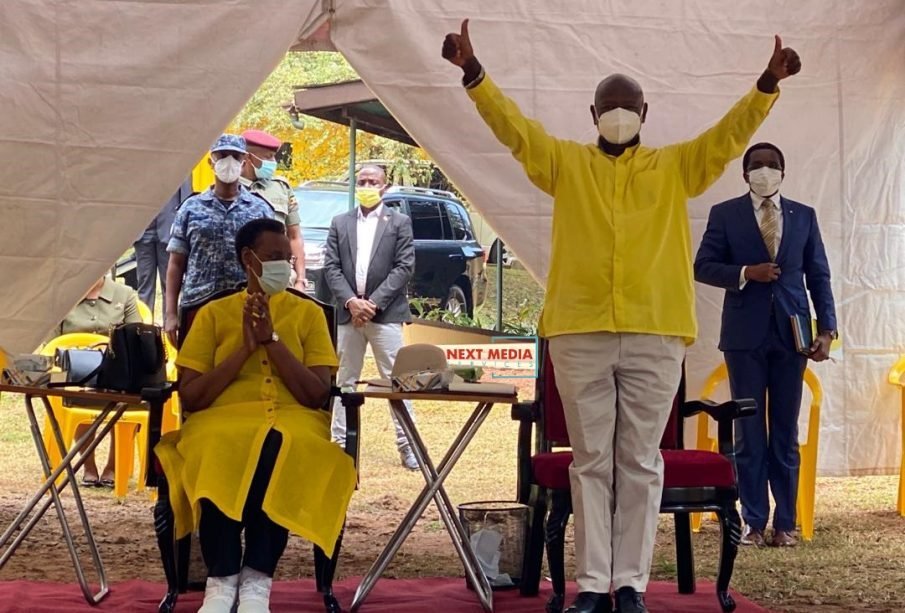
Even with oil revenue, my proposal is that we concentrate budgeting on defense, roads, electricity, education, health, drinking water and irrigation, railways, job creation, PDM, science, and innovation, among others- President Yoweri Museveni
#WhyUgDecidedM7
Responding to concerns about artificial intelligence and emerging technologies, President Yoweri Museveni expressed support for innovation and reaffirmed government commitment to strengthening communication and technology infrastructure.
#WhyUgDecidedM7
President Yoweri Museveni overseen a major expansion of internet access, now reaching over 70% of the population through the National Backbone Infrastructure and rural connectivity programs.
This growth has strengthened e-commerce, and innovation across Uganda’s digital economy.
President Yoweri Museveni’s vision for job creation and industrial development is opening up new opportunities for young people. Uganda’s future is steadily being shaped through innovation, productivity, and hard work.
#WhyUgDecidedM7
President Yoweri Museveni urges the government to develop regional ICT hubs to stimulate incubation of ICT innovations and transform them into usable products – especially those required by industries, use ICT Innovation hubs as business process outsourcing (BPO) centres.
President Yoweri Museveni encouraged young Ugandans to embrace skills and innovation in ICT, manufacturing and agriculture. Uganda’s youth remain central to the country’s transformation agenda.
#WhyUgDecidedM7
President Yoweri Museveni champions Uganda as a tech and innovation hub, encouraging young people to join ICT, software development, and digital commerce.
#WhyUgDecidedM7
President Yoweri Museveni has consistently highlighted the importance of ICT in driving innovation, arguing that a strong ICT sector can create new technologies and business models that respond to local challenges and improve people’s quality of life.
#WhyUgDecidedM7
President Yoweri Museveni: One of our key goals was to restore democracy. After Ugandans elected their leaders in 1962, there were no elections for 18 years. The 1967 elections were disrupted by the political conflict between Obote and Muteesa.
#WhyUgDecidedM7
President Yoweri Museveni met WHO Director General Dr. Tedros Adhanom Ghebreyesus at State House Entebbe. Dr. Tedros praised Uganda’s prompt Ebola response, saying border screening, surveillance, testing & case management systems are helping contain the outbreak.
#WhyUgDecidedM7
President Yoweri Museveni launched the construction of Kidepo International Airport in Karenga District, a project expected to open up the Karamoja sub-region to tourism, trade, and investment.
#WhyUgDecidedM7
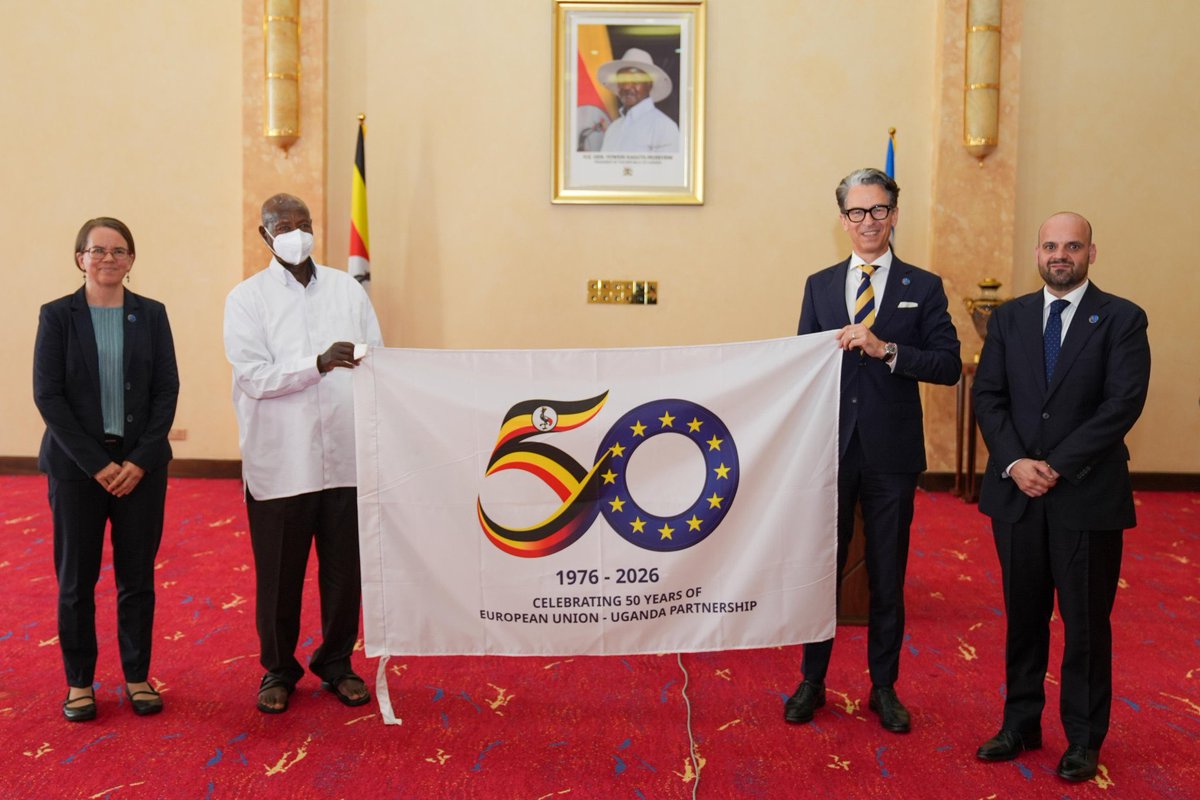
President Yoweri Museveni urged the European Union to support Africa’s industrialization and value-addition agenda, saying the continent cannot attain prosperity while exporting raw materials and importing finished products.
#WhyUgDecidedM7
Manufacturing is another form of wealth. Traditionally, Karamoja manufactured spears and arrows, while in Ankole, blacksmiths specialized in their craft, making items such as spears and pangas.~ President Yoweri Museveni
#WhyUgDecidedM7
President Yoweri Museveni: We have fought many epidemics in the past, including AIDS, COVID-19, and Ebola. Ebola is an aggressive disease, but in my view, it is not as difficult to combat as COVID-19
#WhyUgDecidedM7
President Yoweri Museveni: The strategic picture of the NRM is to transform Ugandans. It has taken a bit too long. We have done well, but we can still do better.
#WhyUgDecidedM7
President Yoweri Museveni: The good thing is that Ebola is survivable. We already have survivors from the current outbreak, just as we have had survivors in previous outbreaks.
#WhyUgDecidedM7
The implementation of President Yoweri Museveni’s 23 Strategic Guidelines and Directives has made only moderate progress over the past decade, with just two directives fully implemented.
#WhyUgDecidedM7