Brain microscopy with annotations for better understanding ☺️! What if we take a deep dive into the cerebral sulcus? The grey matter has the neurons' cell bodies🔵, and while microglia🟣are more evenly distributed, astrocytes🟡shape changes in the white matter. #Neuroscience
Exercise is a brain drug. Here’s the biology behind it
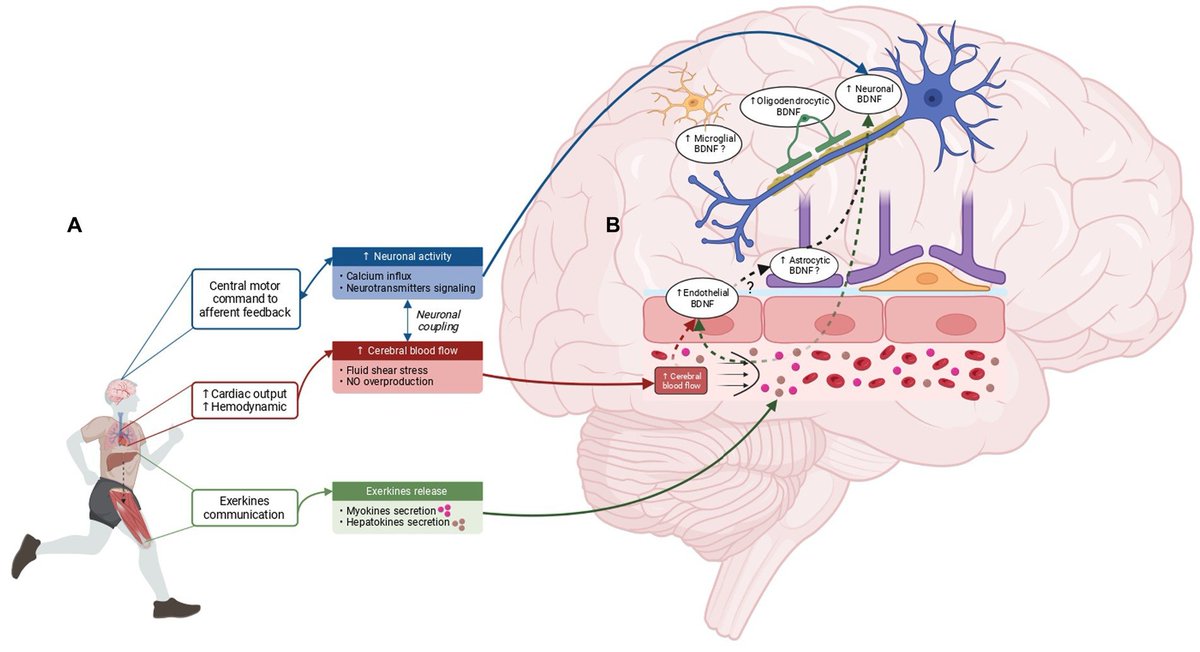
New review in Frontiers in Molecular Neuroscience breaks down how exercise boosts brain BDNF, the key molecule for learning and memory.
What matters most:
1. Exercise reliably increases brain BDNF, a driver of neuroplasticity and neurogenesis
2. BDNF supports memory, learning, mood, and stress resilience
3. Blocking BDNF signaling removes many cognitive benefits of exercise
How exercise raises BDNF:
4) Neuronal activity increases calcium signaling and gene expression
5) Increased cerebral blood flow activates endothelial BDNF production
6) Muscle and liver release exerkines like lactate, irisin, IGF-1, and ketones that signal the brain
7) Brain BDNF comes from neurons, blood vessels, and peripheral organs working together
Exercise isn’t just movement, it’s a whole body signal that rewires the brain from the inside out.
A massive discovery in neuroscience: fMRI signals don't always match true neural activity. In ~40% of cases, signals increased where activity actually decreased. This challenges the core assumptions of tens of thousands of studies.
#Neuroscience#fMRI#BrainResearch #CognitiveScience #MedicalResearch https://t.co/jhZ9Rluq5X via @neurosciencenew
Success is not about finishing everything you start. It’s about knowing when to grit and when to quit.
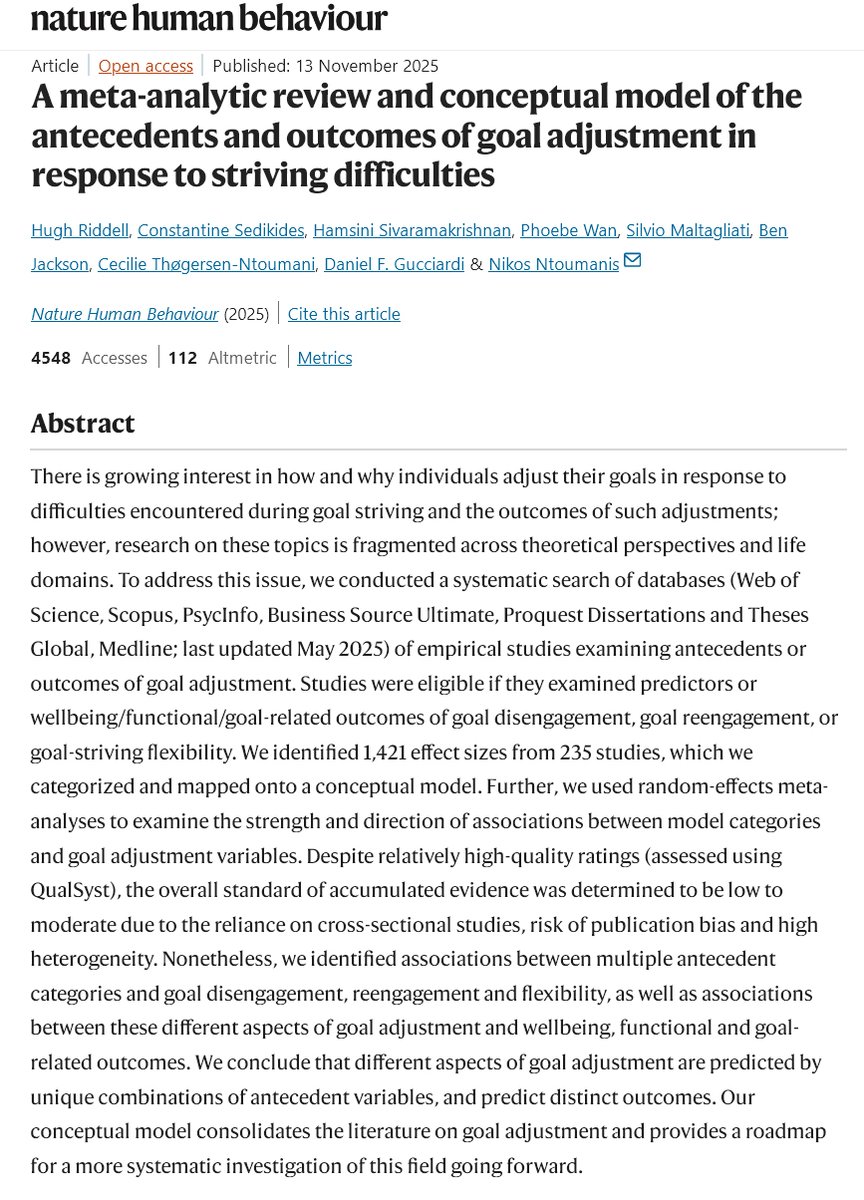
235 studies: When people adjust their goals and plans in the face of challenges, they make more progress—and feel less depressed and anxious.
The ultimate flex is flexibility.
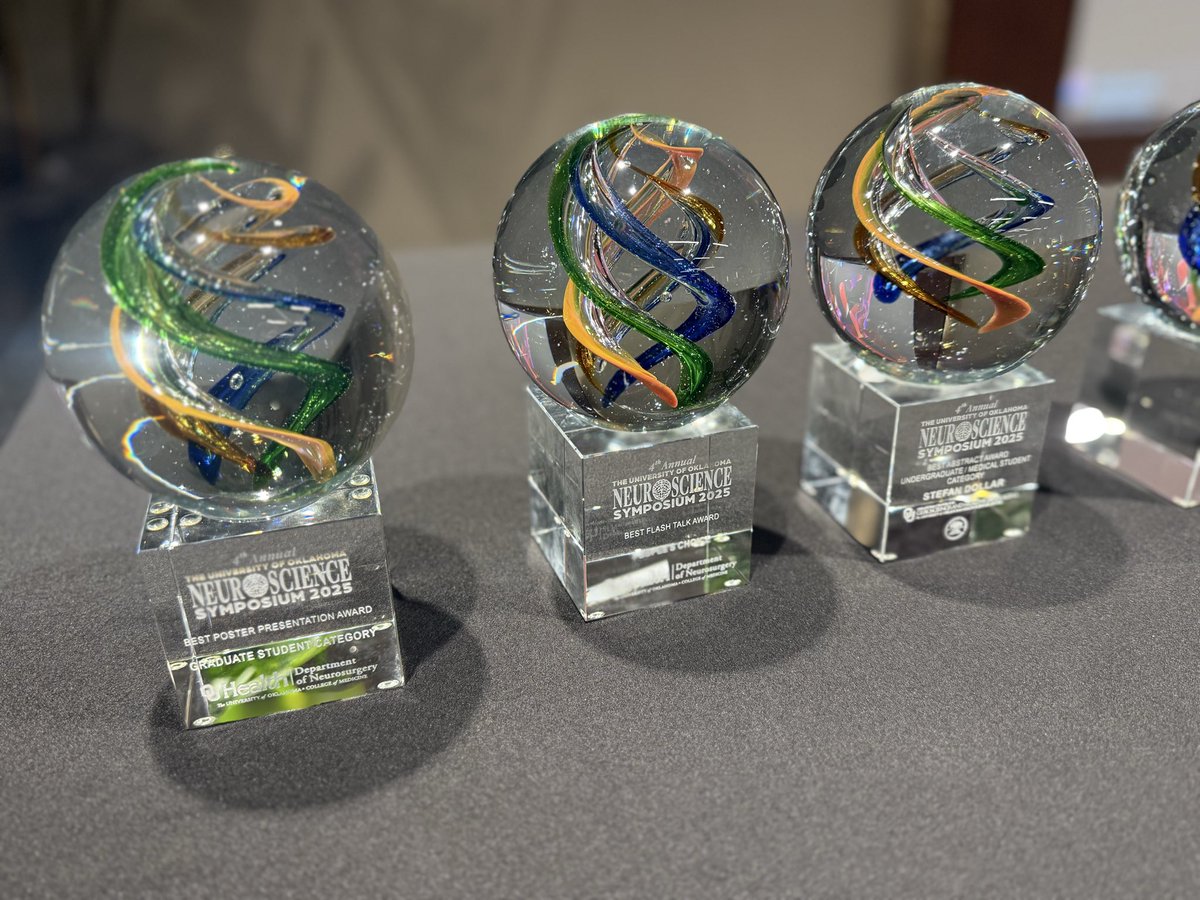
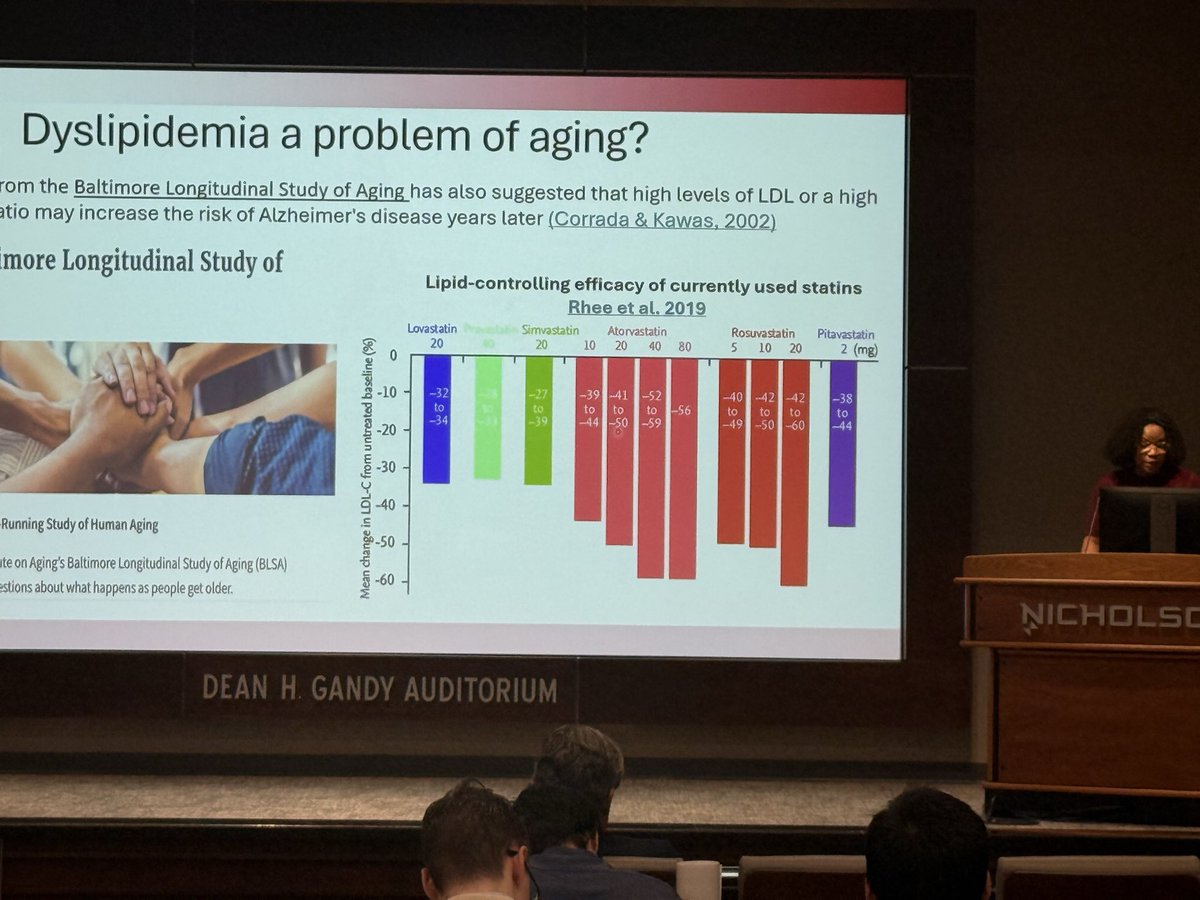
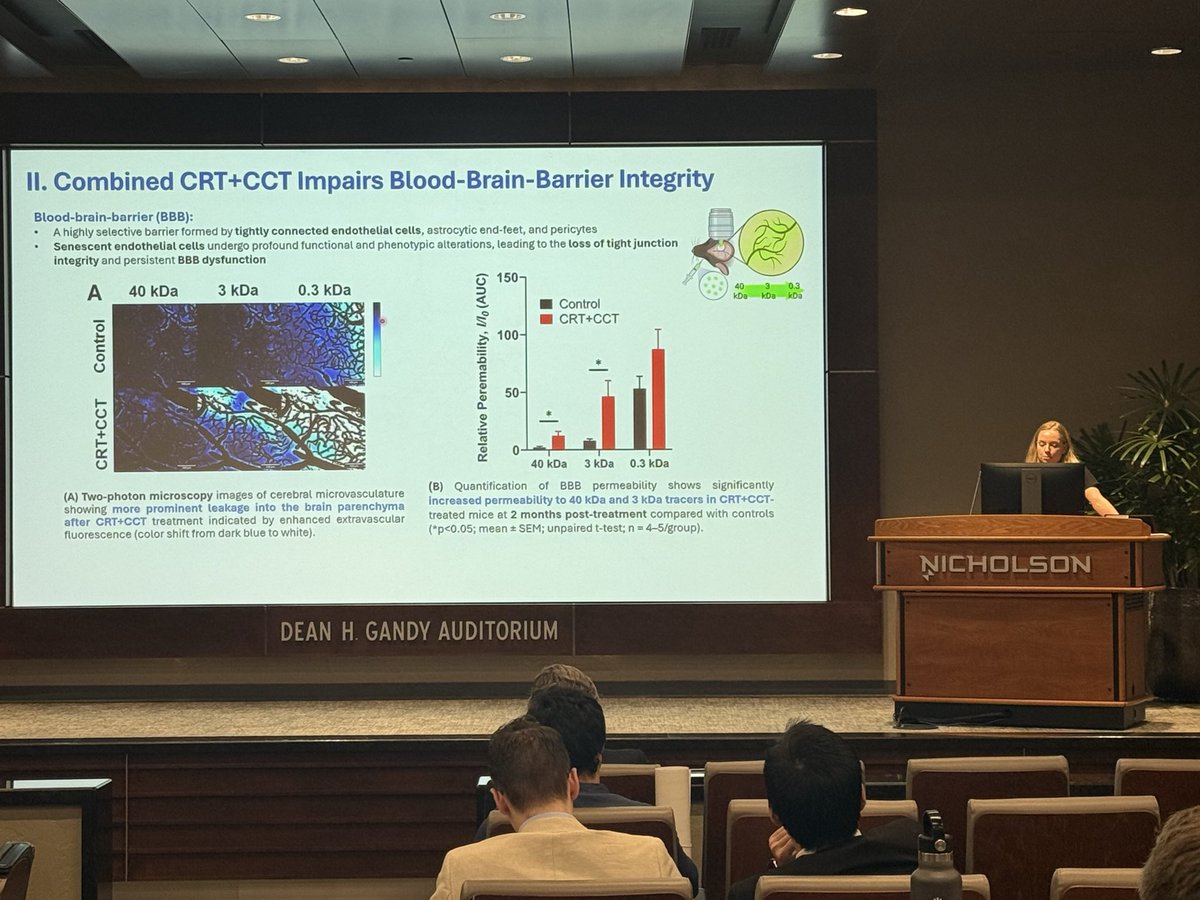
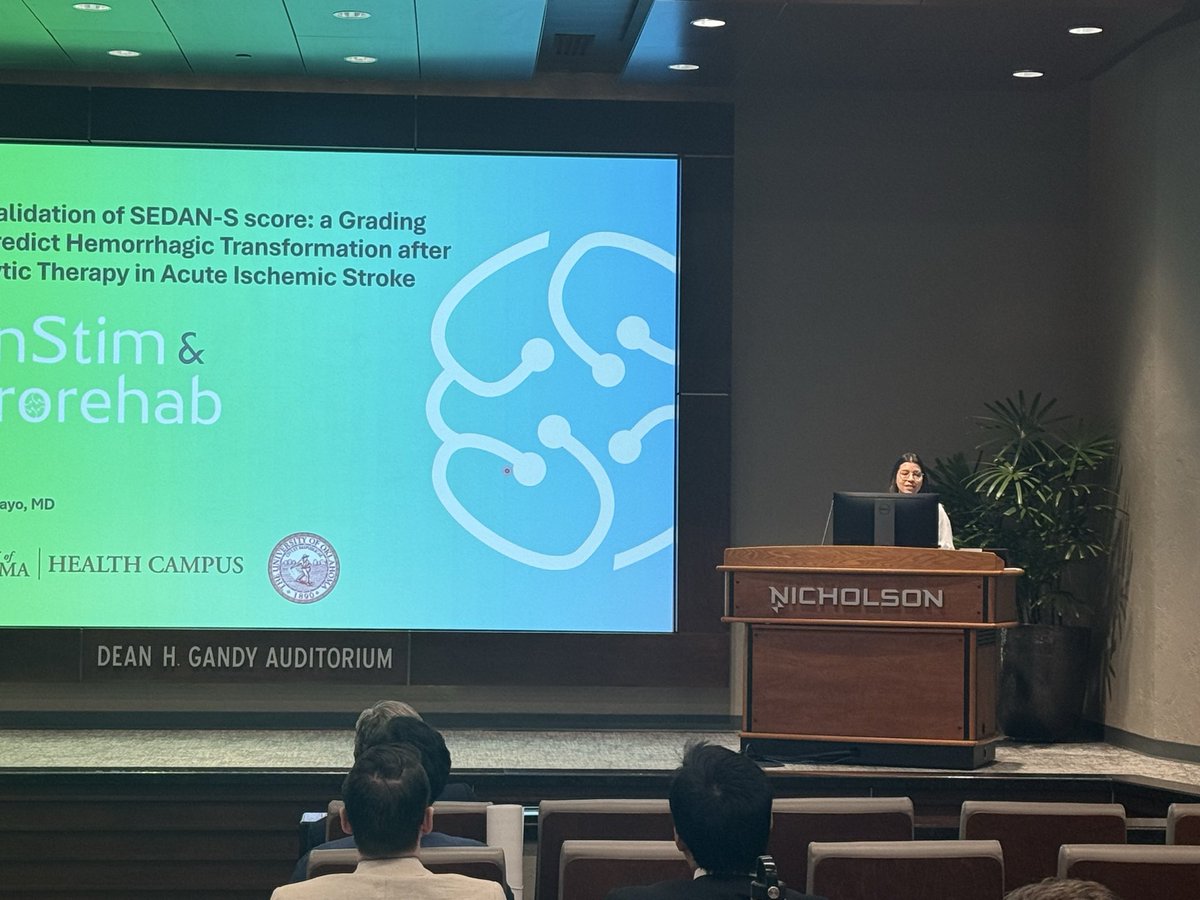
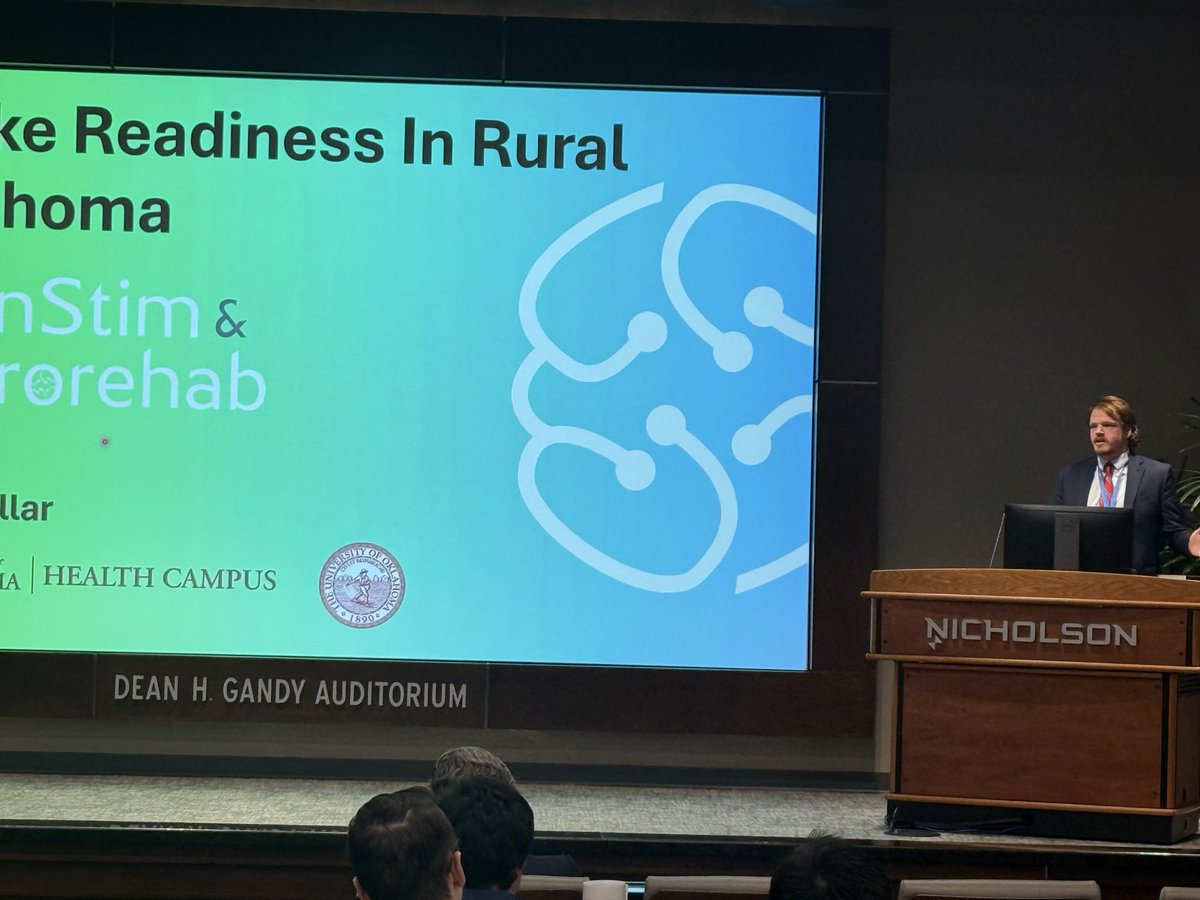
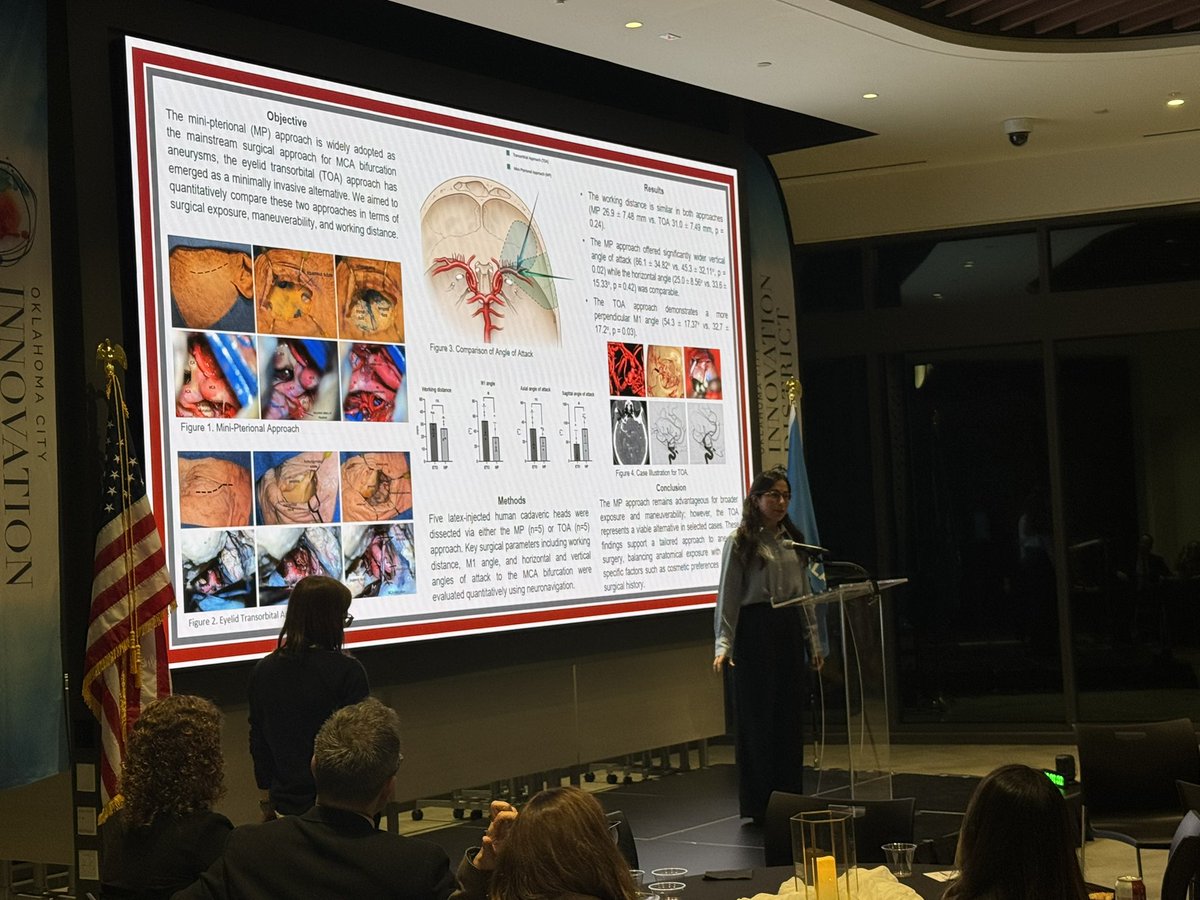
Huge congrats to @_JenniferIhuoma for Best Student Abstract and talk at the crossroads of dyslipidemia & mitochondrial aging, and to @SherwinTavakol at the @OUneuroscience Symposium. Proud and grateful for the teamwork that made this possible.
Team science at its best!👏🧠
📢 New Open🔓 Access Article Alert
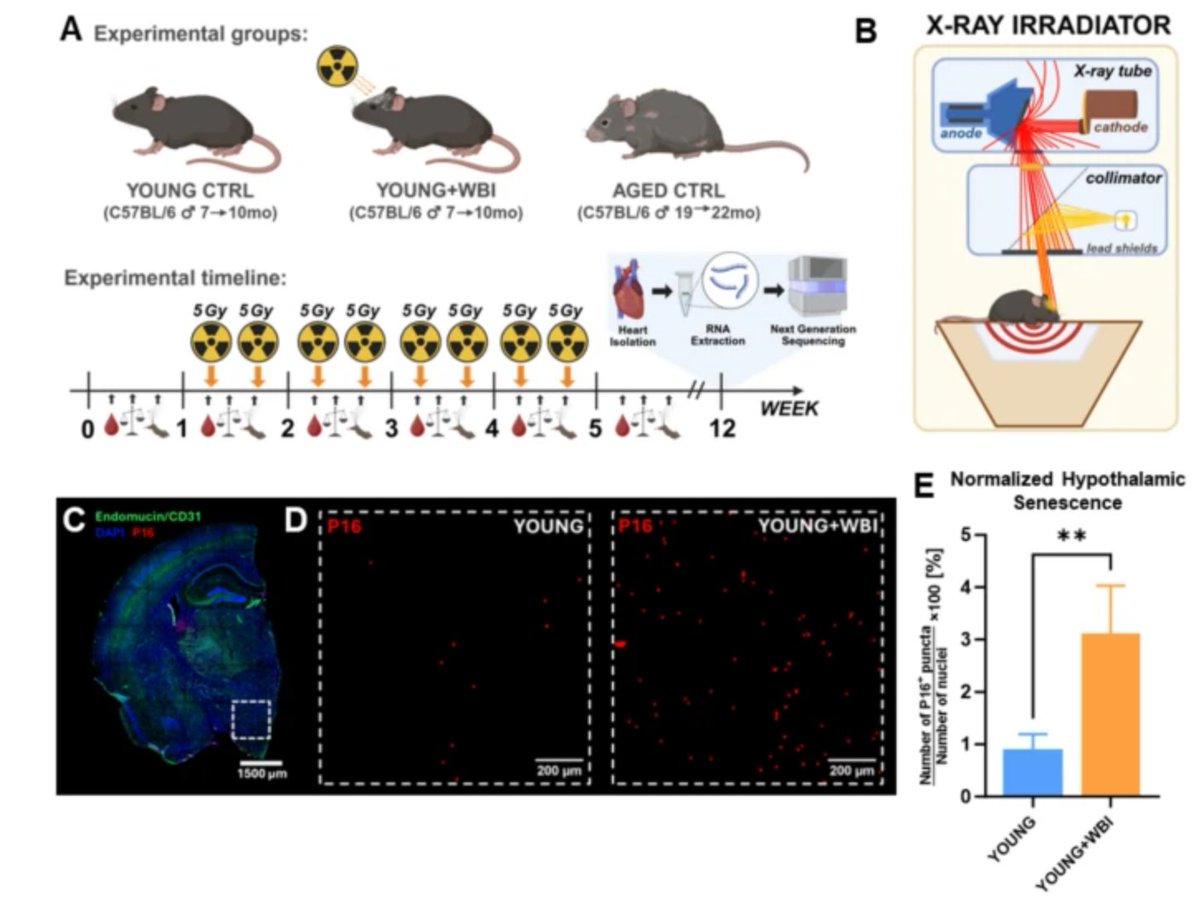
“Irradiation-induced brain senescence accelerates cardiac aging via systemic mechanisms: insights from transcriptomic profiling” by Rafal Gulej (@RafalGulej) & Zoltán Ungvári (@zoltan_ungvari) et al.
👉 https://t.co/9X3GQOUbP4
Key Insights:
📌Brain irradiation in mice induces cellular senescence, triggering systemic molecular changes.
📌Transcriptomic analysis shows that this brain senescence activates pathways that lead to cardiac aging, including inflammation and extracellular matrix remodeling.
📌The study suggests that brain aging can drive heart aging, supporting the concept that aging in one organ system can propagate to others through circulating factors.
Why It Matters:
This work reveals a crucial brain-heart aging axis, highlighting that targeting brain senescence may have protective effects on cardiac aging — a potentially novel interventional strategy in geroscience.
#Aging #Senescence #CardiovascularAging #Geroscience #BrainHeartAxis
Grateful for the opportunity to visit with our EM colleagues this morning at @OUHealth. Really excited to see the culture that @Dr_AzeemAhmed and his brand new @OUCollegeofMed department are creating, and the great things they will accomplish as a team.
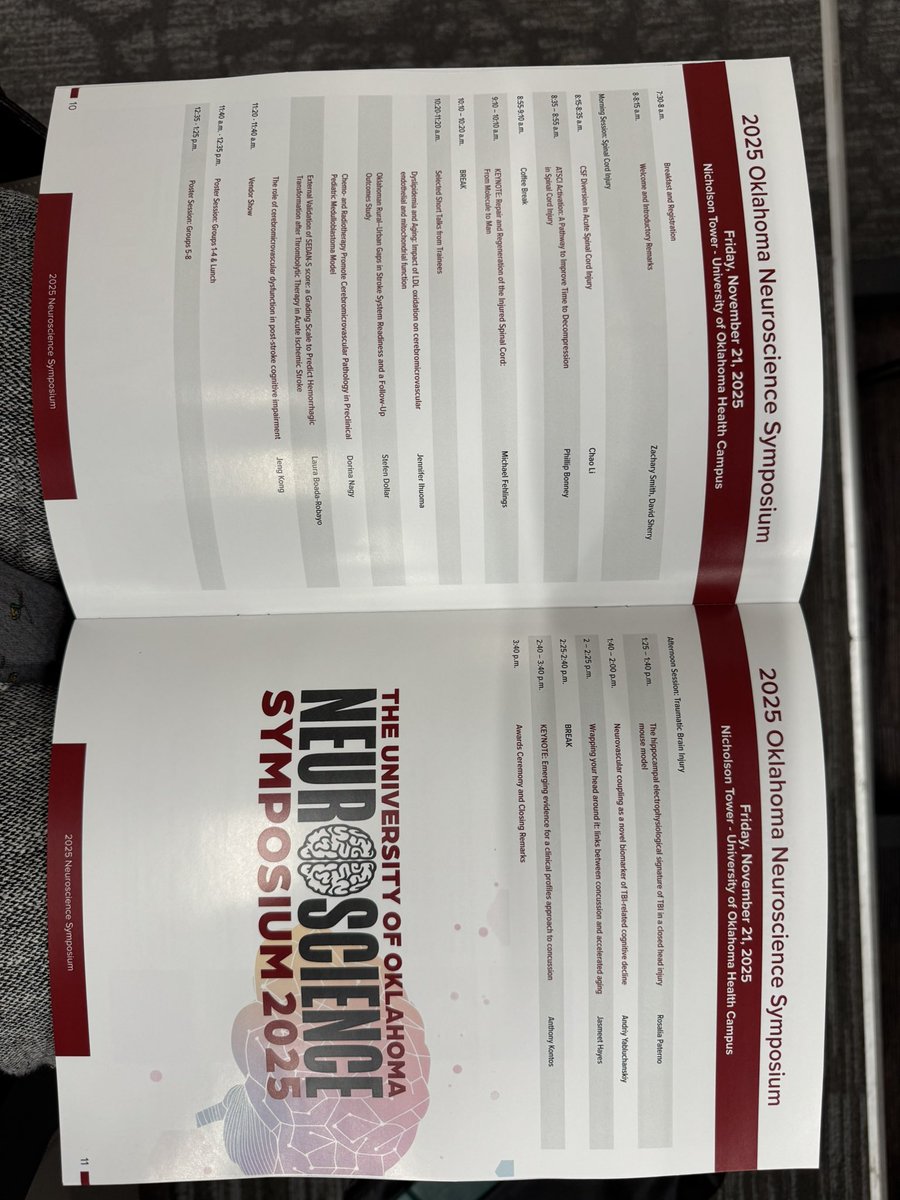
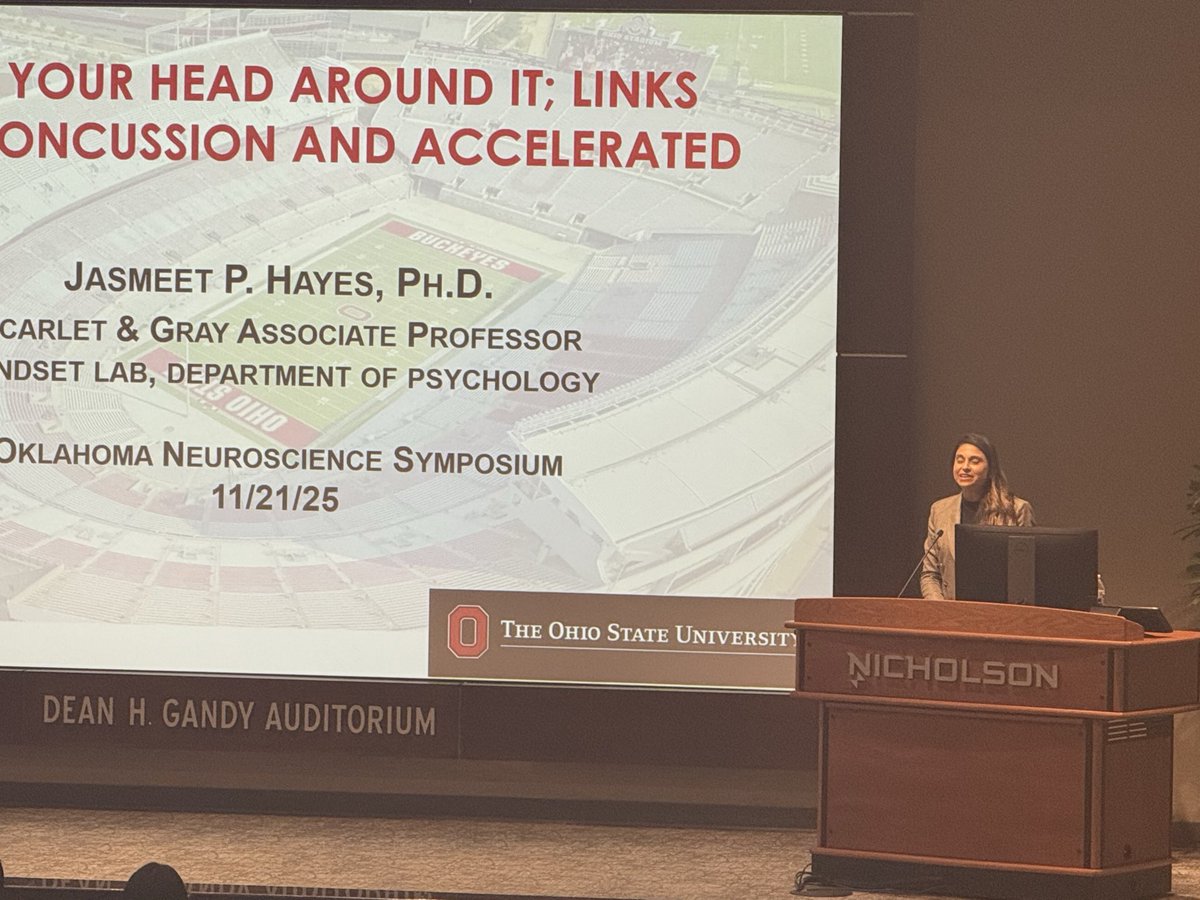
Afternoon session at our @OUCollegeofMed, @OUNeuroscience with focus on Traumatic Brain Injury and concussion. Great to have Dr Jasmeet Hayes from Ohio State.
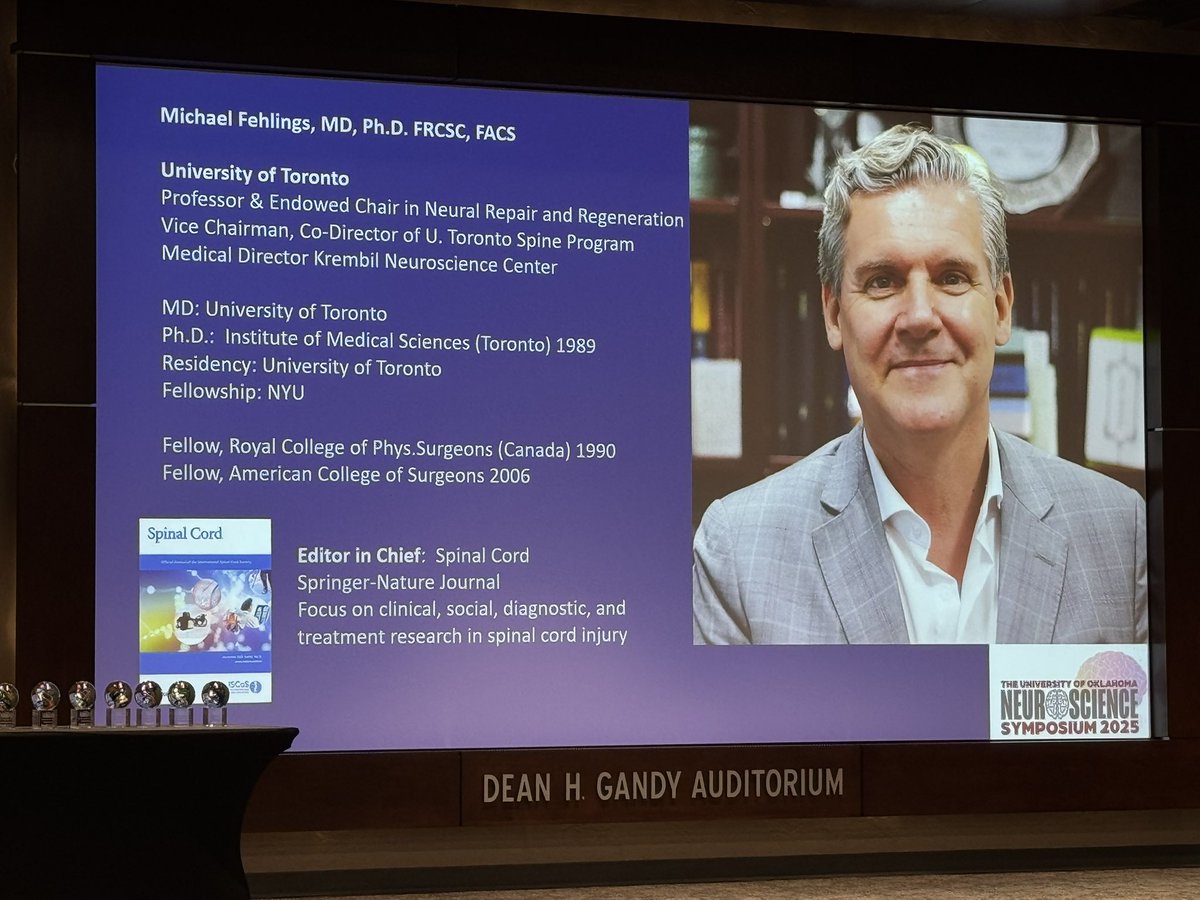
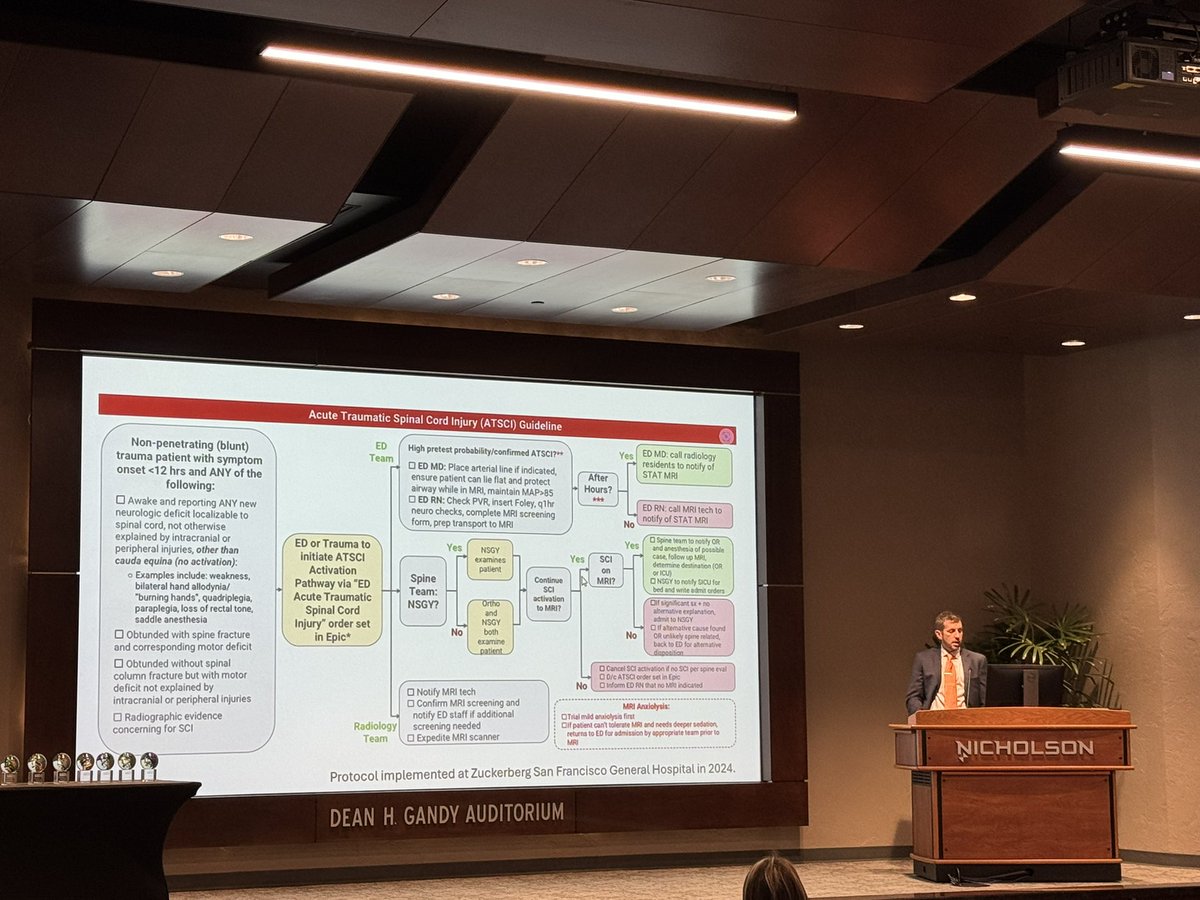
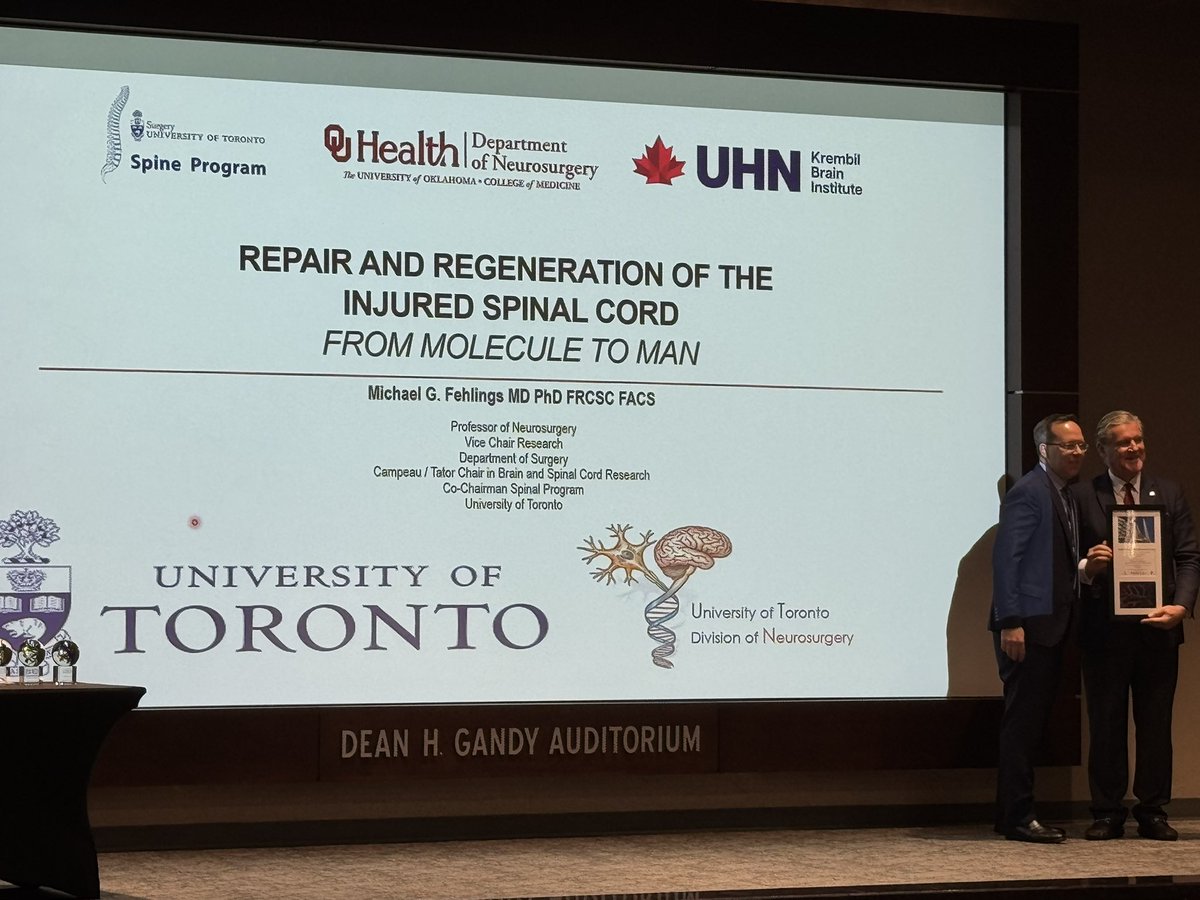
Learning from SCI from an absolute expert on this topic, Dr Michael Fehlings from U. Toronto one of our keynote speakers on spinal injury and repair. @OU_Neurosurgery@OUNeuroscience