From today the O_live method is available in French, Greek, German and English.
All you have to do is :
1) visit this link https://t.co/qQ1kADOqa8
2) click on the button to download the method
3) choose the version in the language you want!
Counting down to Christmas?
We're counting down to present you our results...
Stay tuned for
- the O_live method
- the tutorial videos
-the additional teaching aid
COMING SOON!
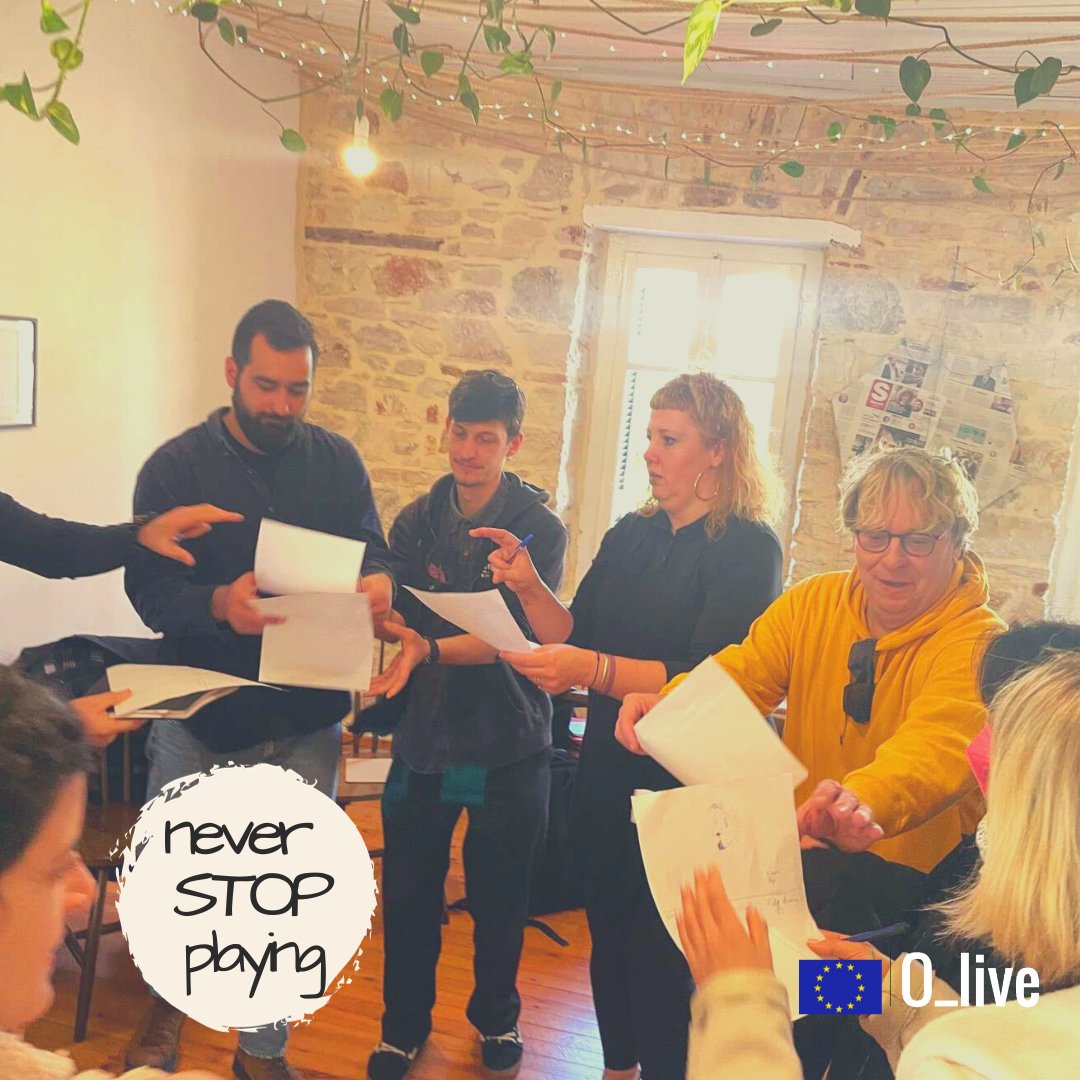
Play is deeply embedded in people's nature, that's why playful learning can be so effective.
BUT playful approaches to learning require teachers to be comfortable with openness and spontaneity...
The O_live method prepares and supports primary teachers for these practice!
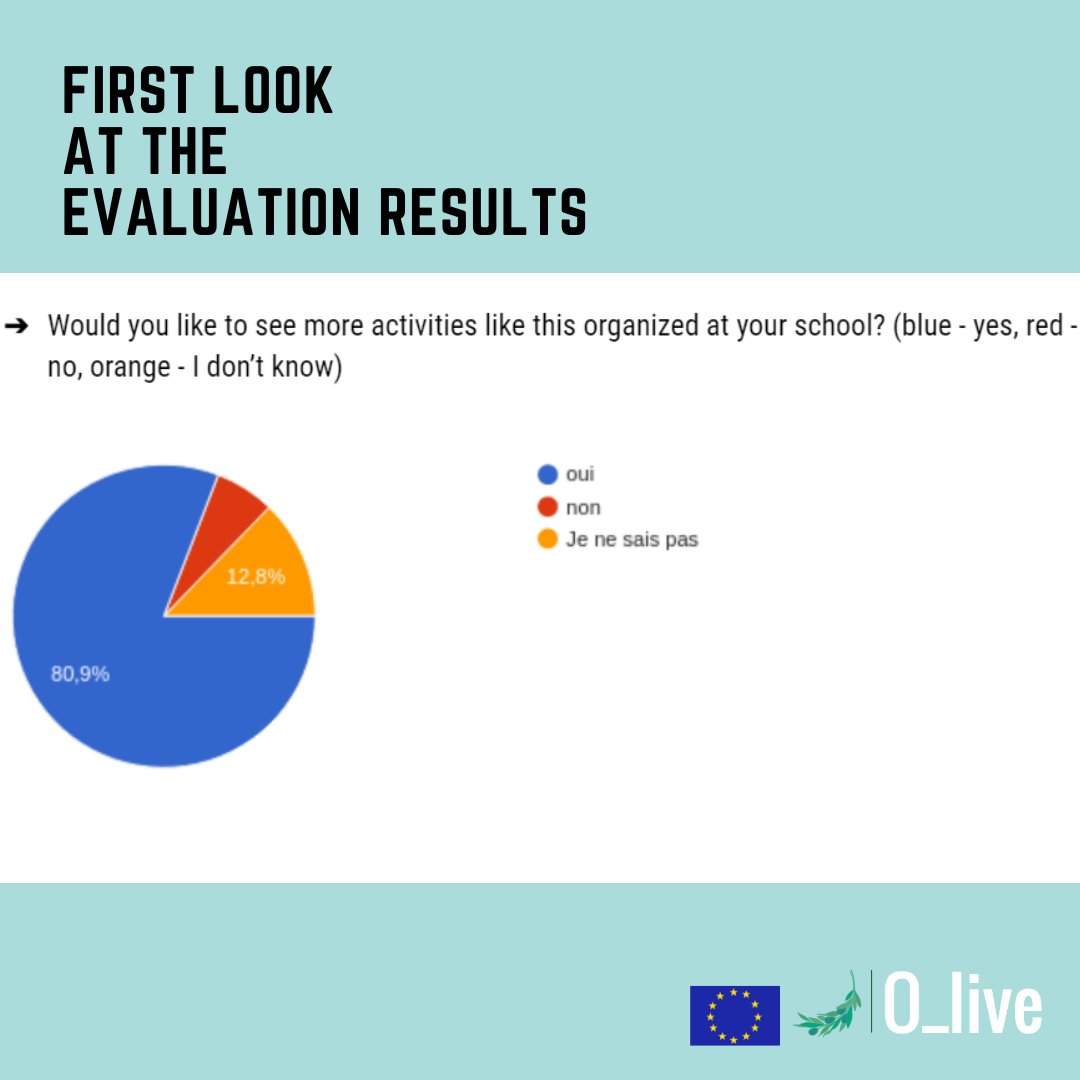
All data has been collected... Let the evaluation begin!
This process will give us the opportunity to study how well the O_LIVE method is achieving its objectives.
Special thanks to our German partner @zukunstberlin who is in charge of the evaluation part!
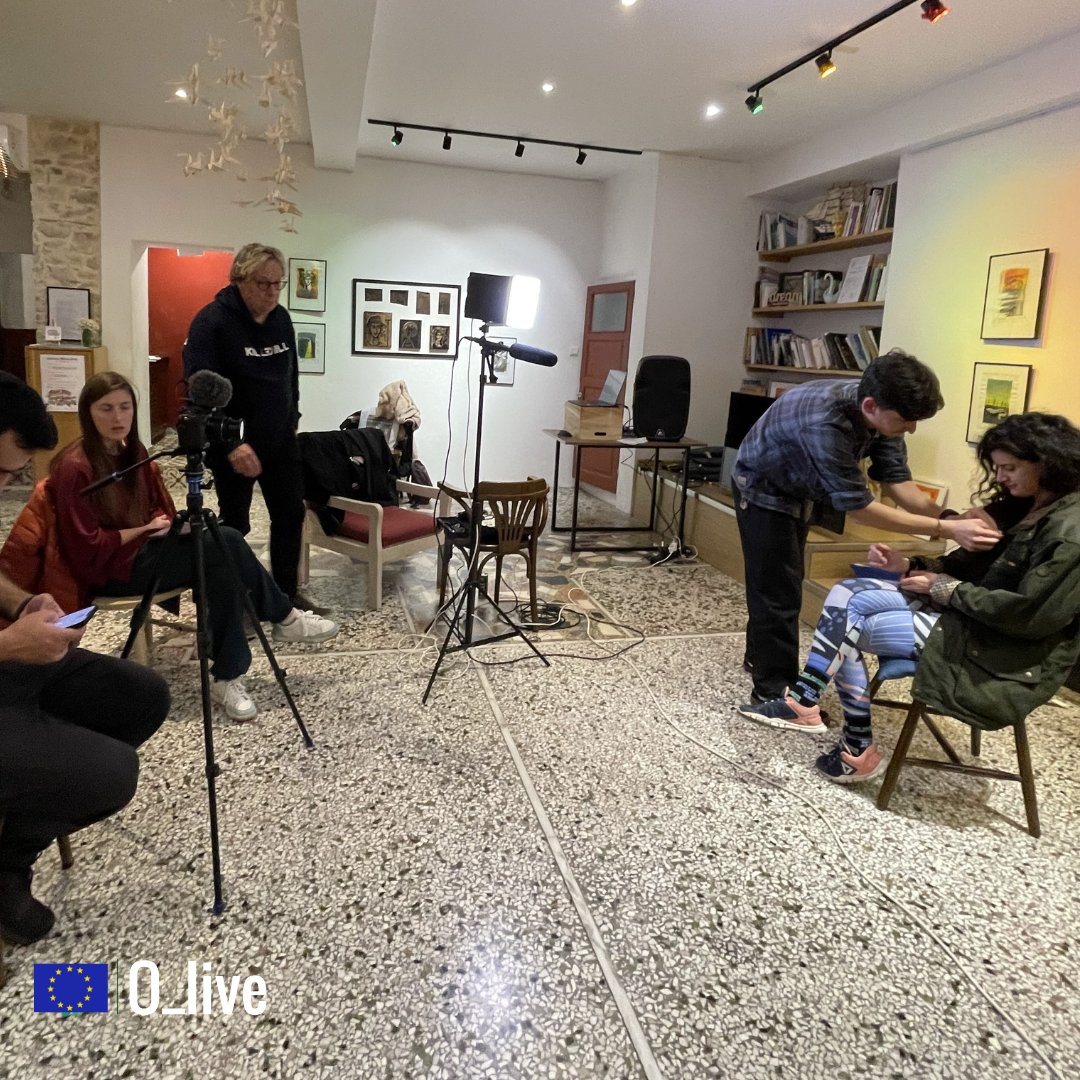
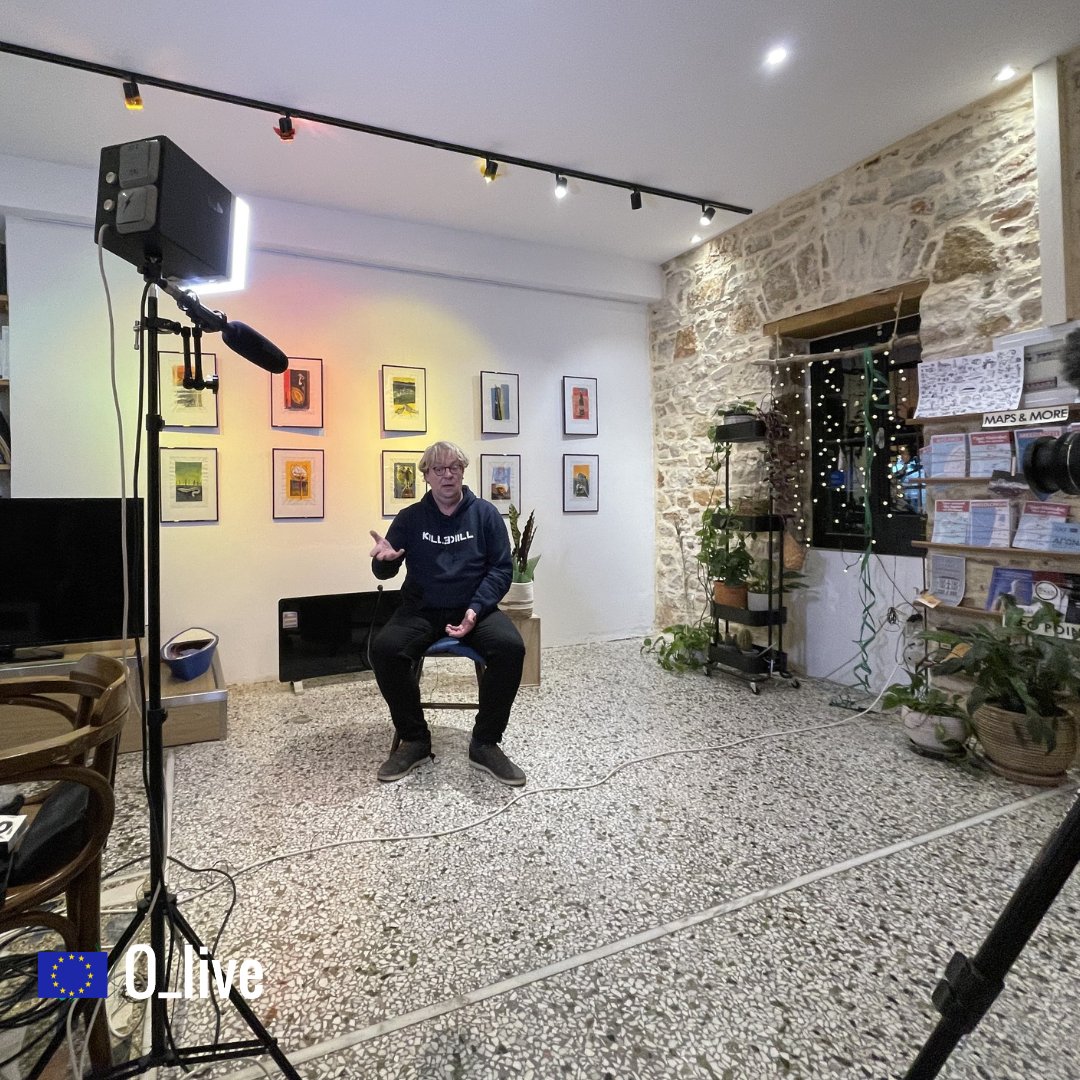
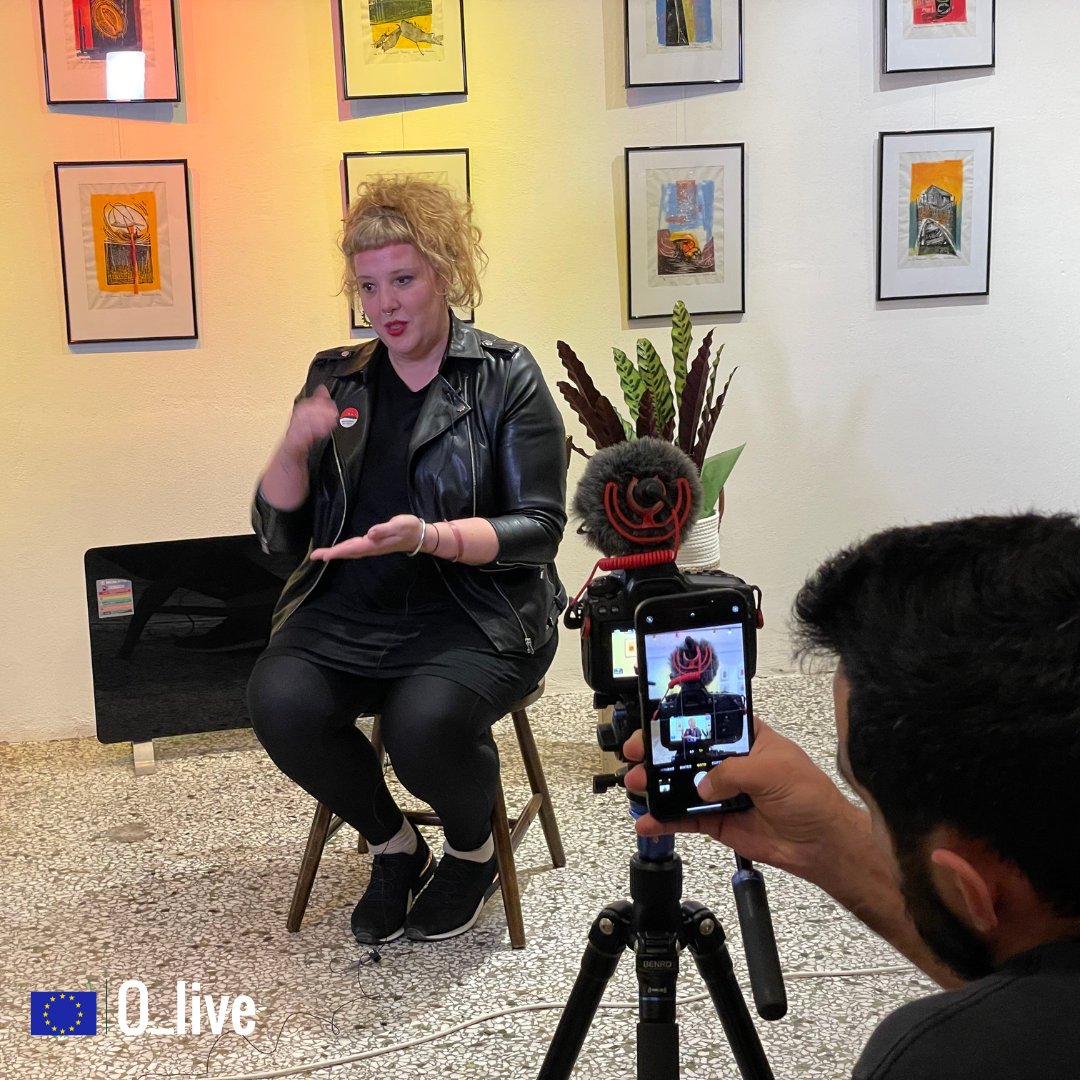
We are currently preparing the O_LIVE tutorial videos!
Aiming to enhance with audio-visual tools the ability of primary school teachers across Europe, to implement our teaching methodology.
Special thanks to our Greek partner @messolonghibylocals who is in charge of editing.
Exploring the various ways in which gender, race, class, political status, cultural background, etc. affect everyday life. Including the ways in which differences and similarities between people and communities are created, challenged, celebrated or contradicted...
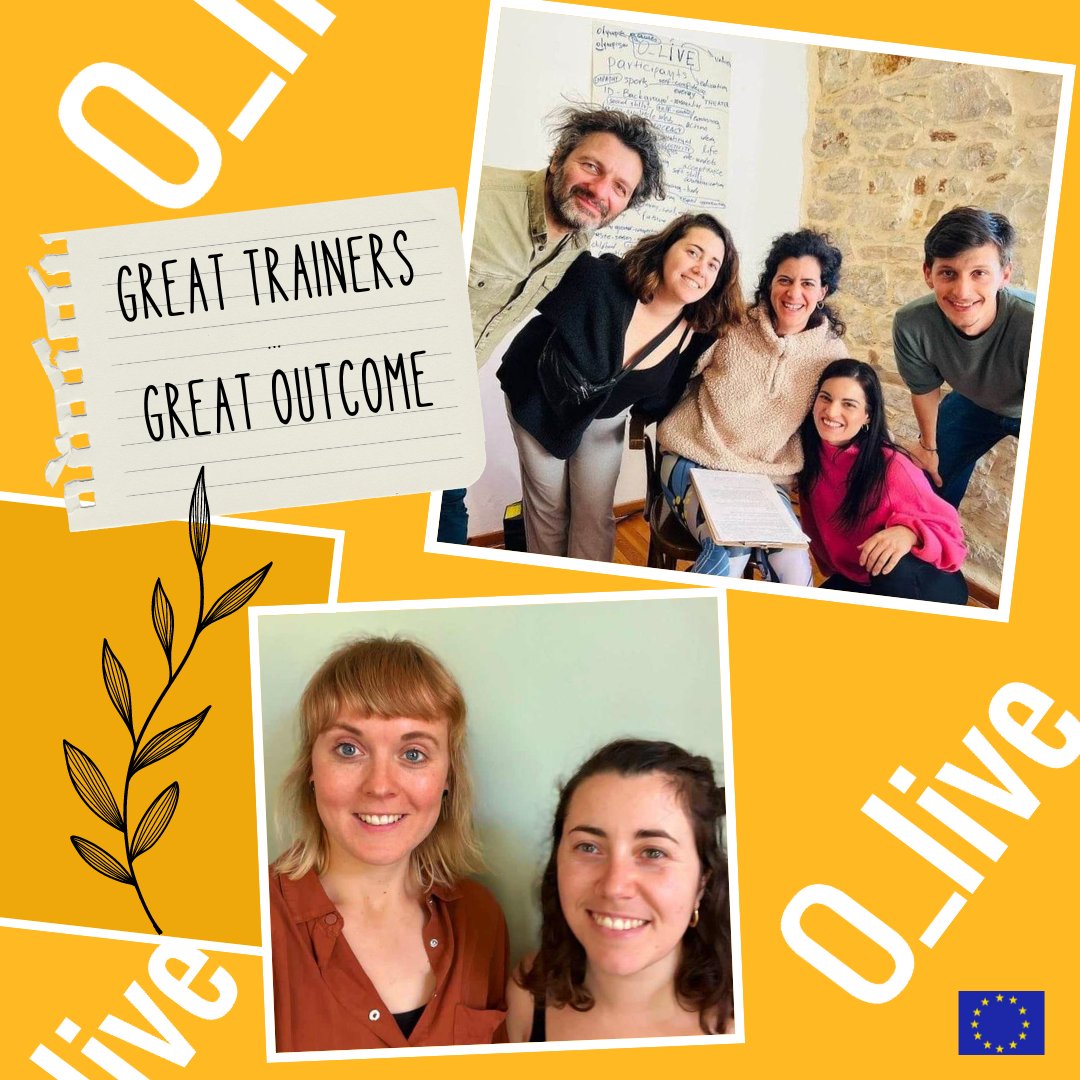
The end of the O_live method/ testing phase is approaching and this post is dedicated to our trainers & designers of our method from France, Greece and Germany.
🎉🎉Great job Mara Kalantzi, Bruno Fressynet, Niki Paksinou, Agisilaos Rombolas, Marie Chiotti, Ines Litka
Working on our action-based training method that involves learning by doing. It enables learners to take charge of their own learning and develop skills under real-life conditions...
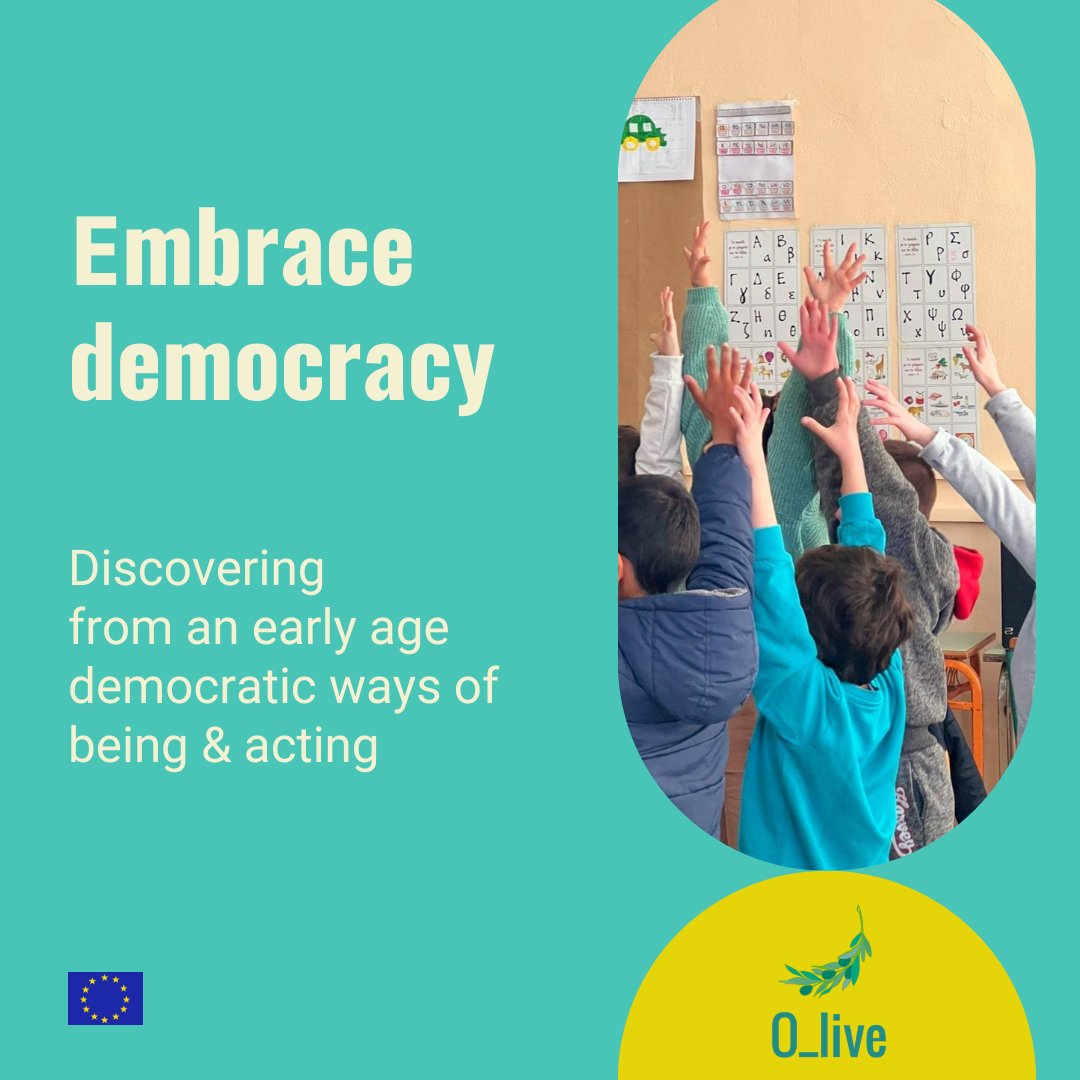
On the way to building an inseparable relationship: democracy as a core value and practice in education AND education as a means of strengthening and sustaining democracy.
Too young to vote?
The purpose of the decision-making cycle is to educate students to reach consensus.
The responsibility for the decision is shared among all participants in the circle.
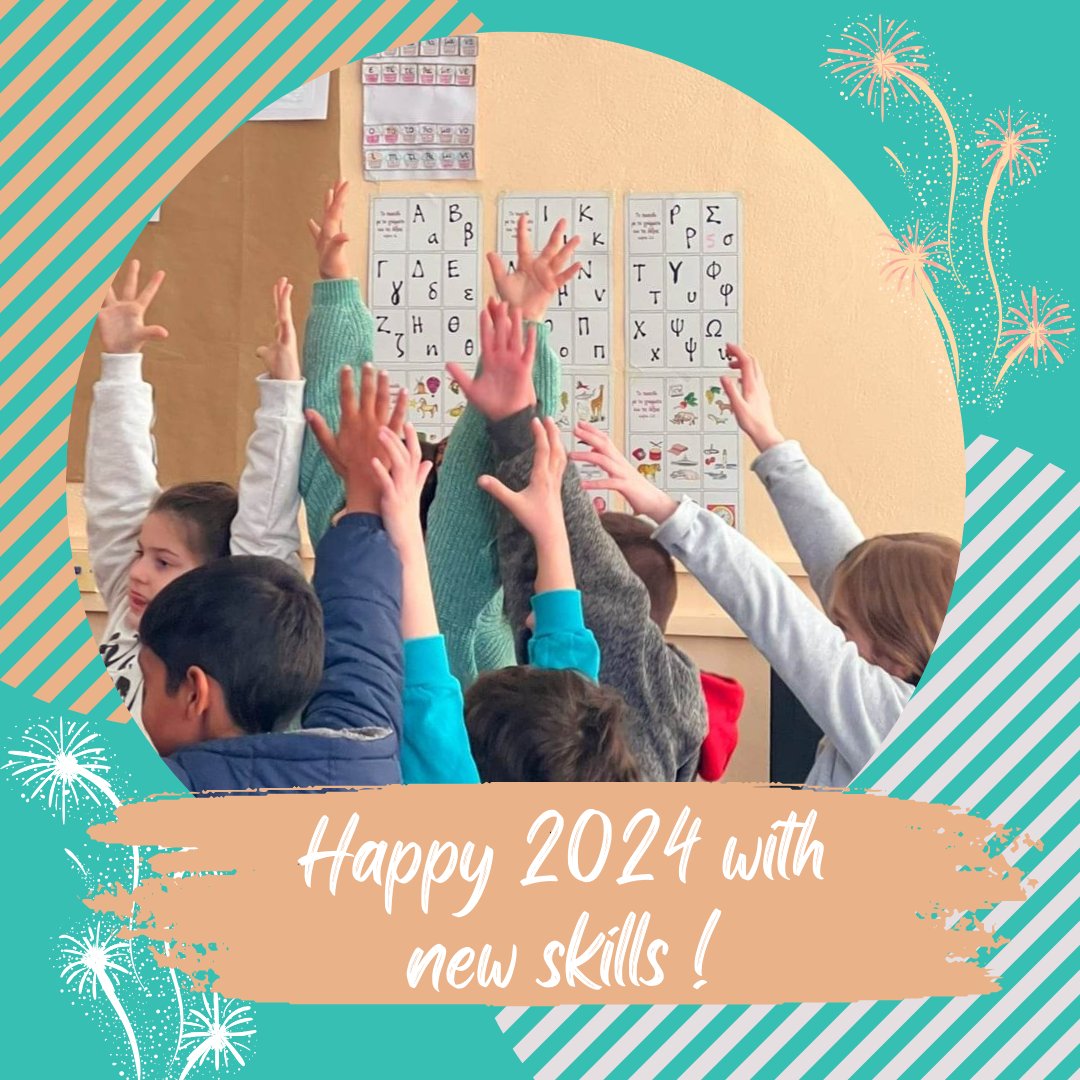
One of our main conclusions with the primary school students having completed the workshops based on the 3rd chapter of Olive's methodology entitled
'Acting equally'...