From the Early Neolithic to the Iron Age (from 2,800
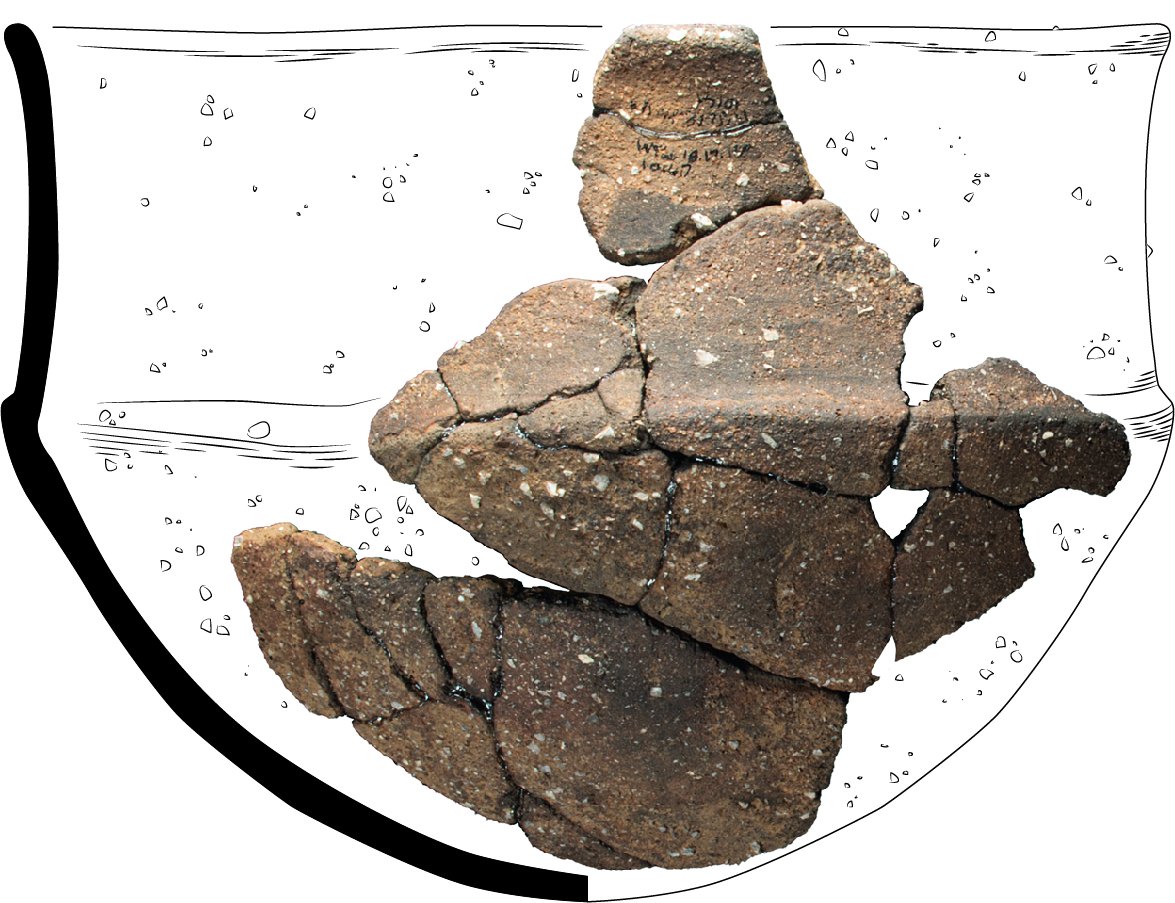
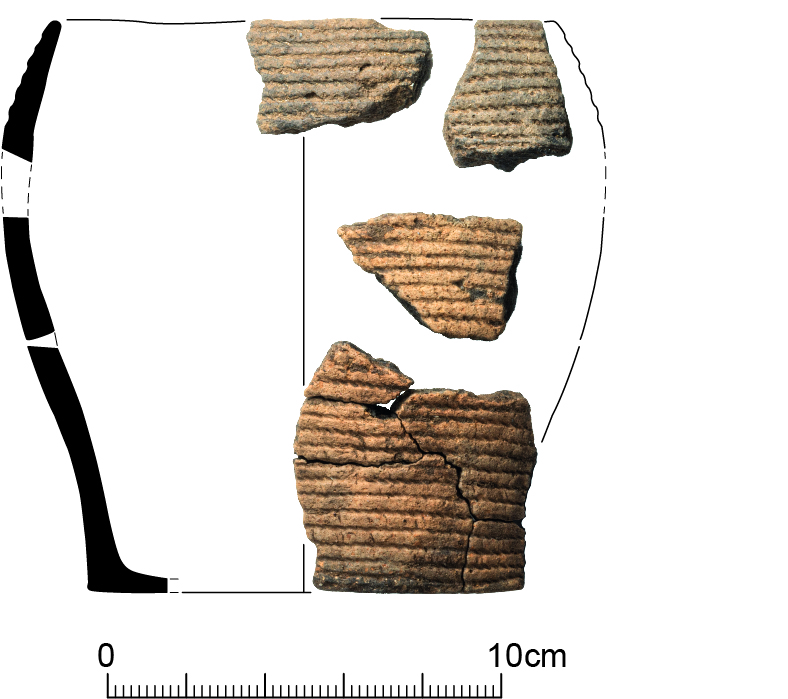
years ago to the Roman Invasion), these sites gave us
some really impressive finds that helped us learn a lot
more about human activity in South Oxfordshire.
You can also find the book on Pen and Sword https://t.co/eikWIREbE9
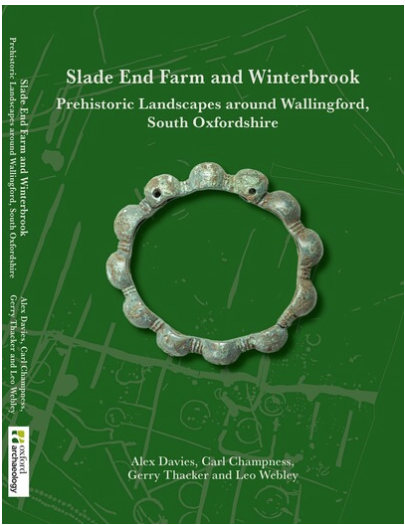
NEW PUBLICATION ALERT
In 2017-18 we worked at 2 sites near Wallingford,
Slade End Farm and Winterbrook, that revealed a
rich prehistoric landscape.
We are very excited to share "Slade End Farm and Winterbrook: Prehistoric Landscapes around Wallingford" https://t.co/Vr3uaEFktY
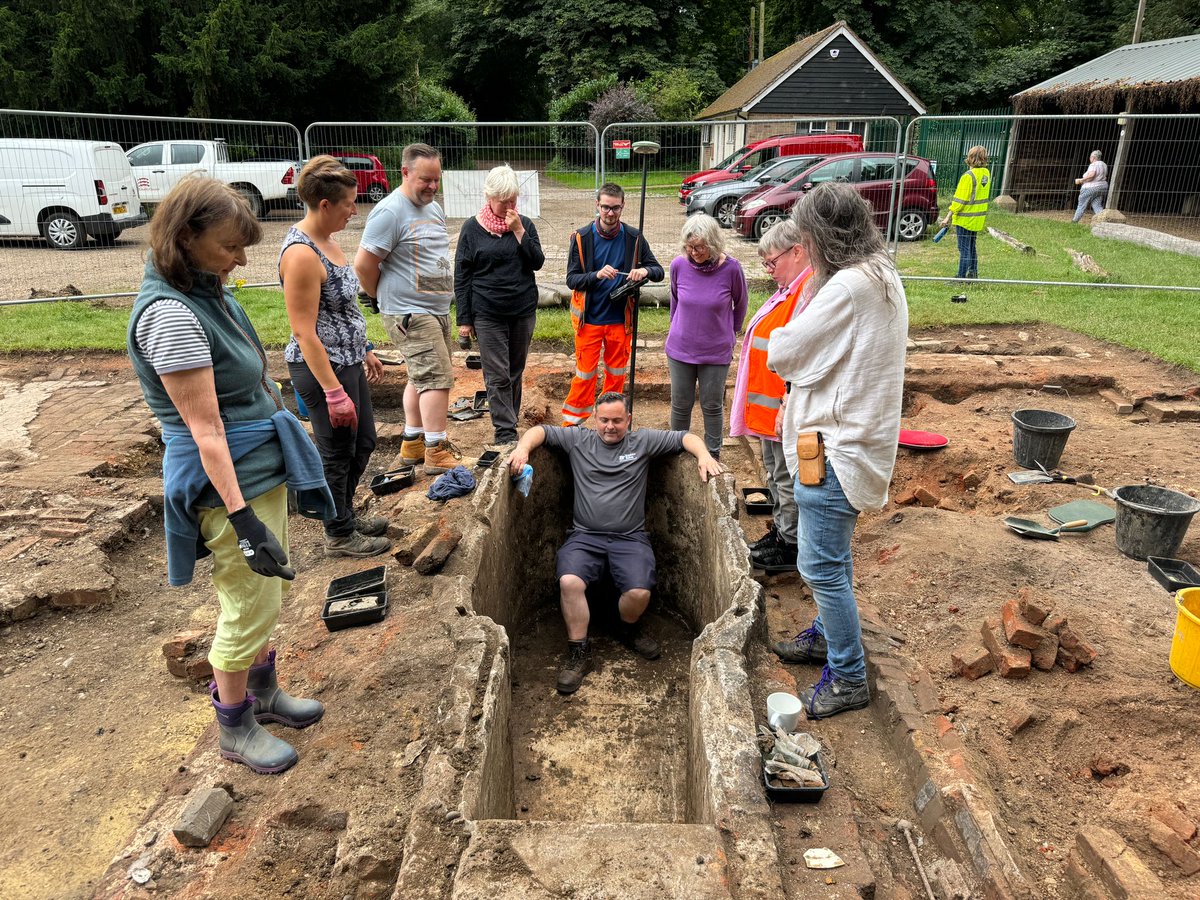
On this dreary Autumn day, the glow of the sunshine
and dazzling smiles of the volunteers in the photos
from the community excavation at Weald Hall run by
the #OCAArchTeam makes us feel a little bit warmer
and happier.
We are so excited about the work we do together with @CotswoldArch that we are literally dancing on site!
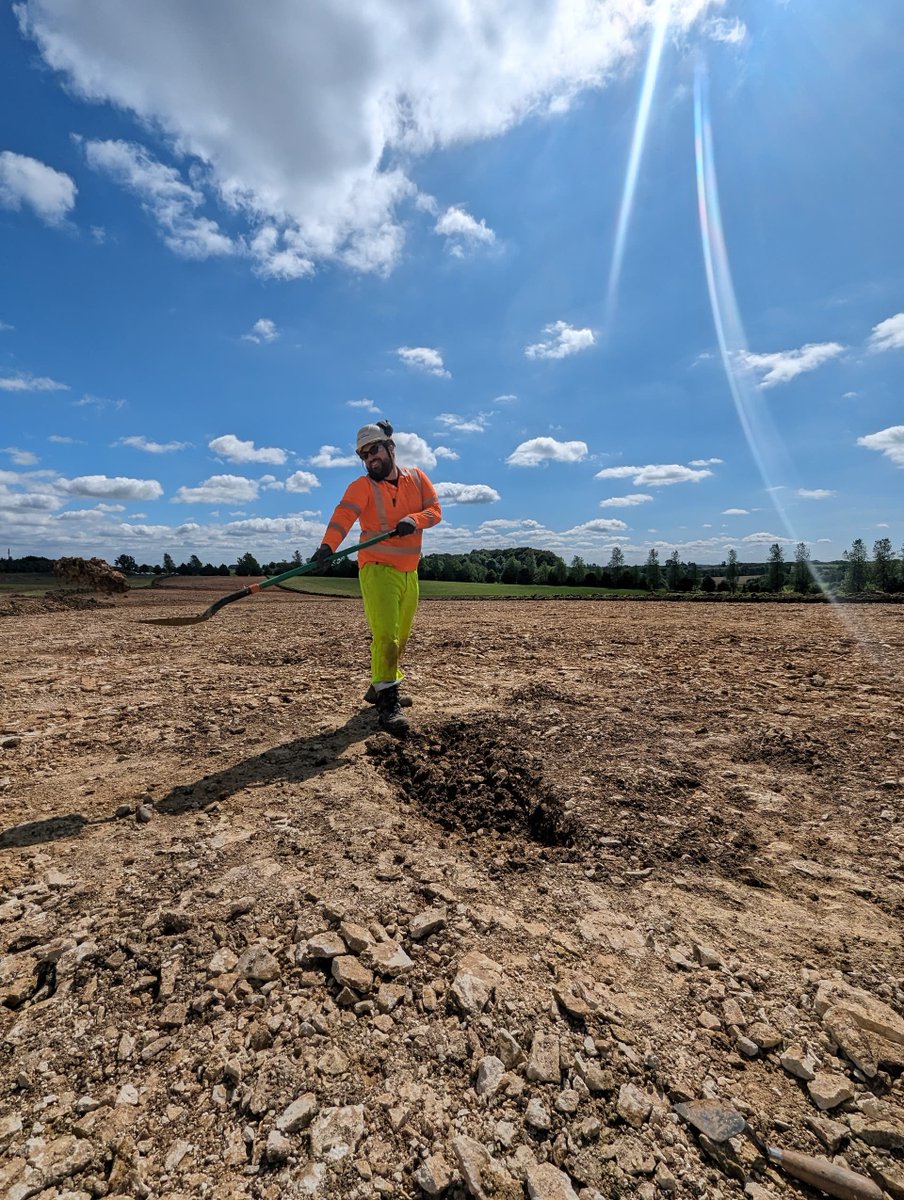
The A417 Missing Link uncovered cool archaeology beneath the stunning Cotswolds landscape.
Find out all about it https://t.co/XfAvAlYdO5
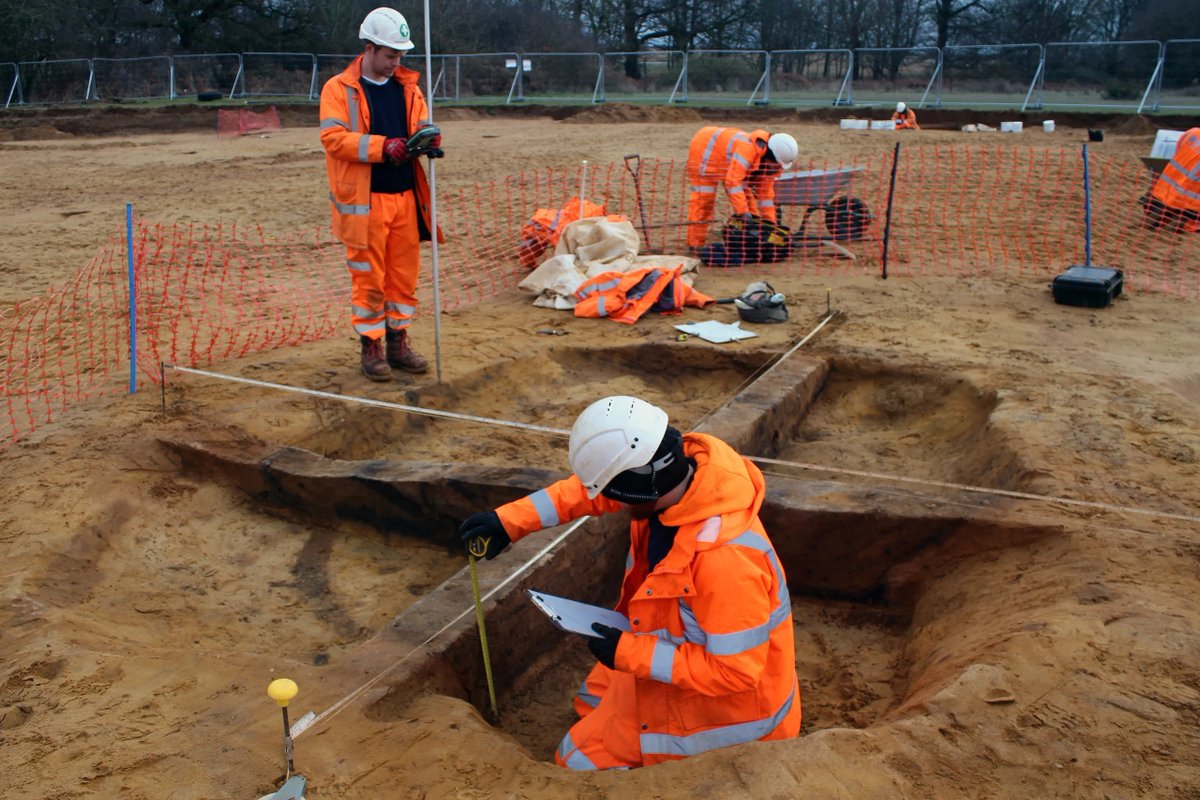
Did you know? Sizewell C isn’t just about renewable energy, it’s also home to one of the UK’s largest archaeological projects! With @CotswoldArch we’ve uncovered 6,000 years of history, from prehistoric pottery to Anglo-Saxon sites.
Learn more here: https://t.co/vSNLg1PdI6
We are excited to launch the new website for Oxford Cotswold Archaeology! https://t.co/UR7QflfdS9
We have created a digital home to share stories from our joint venture work with @CotswoldArch with you: @sizewellc, Cumbria's @A66NTP, A417 Missing Link and more!
#OCAArchTeam
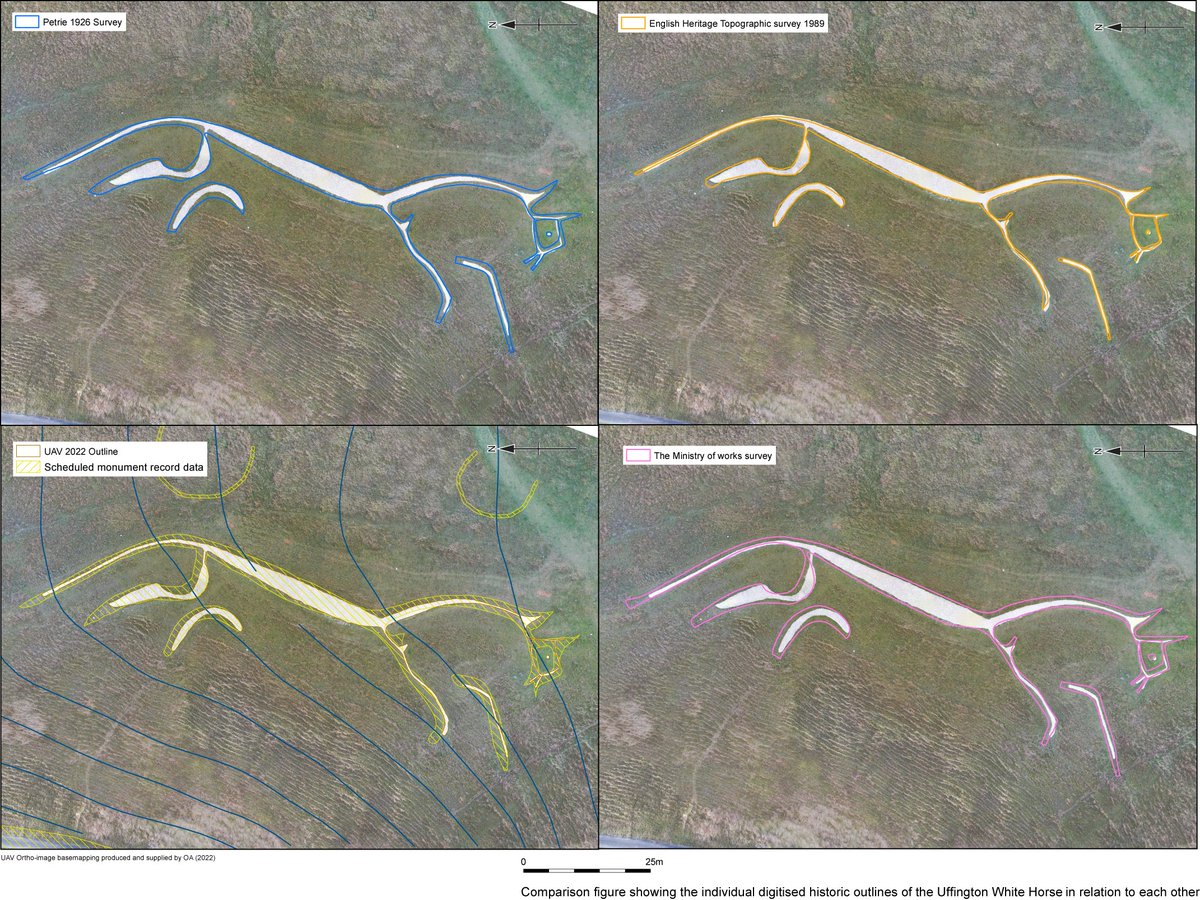
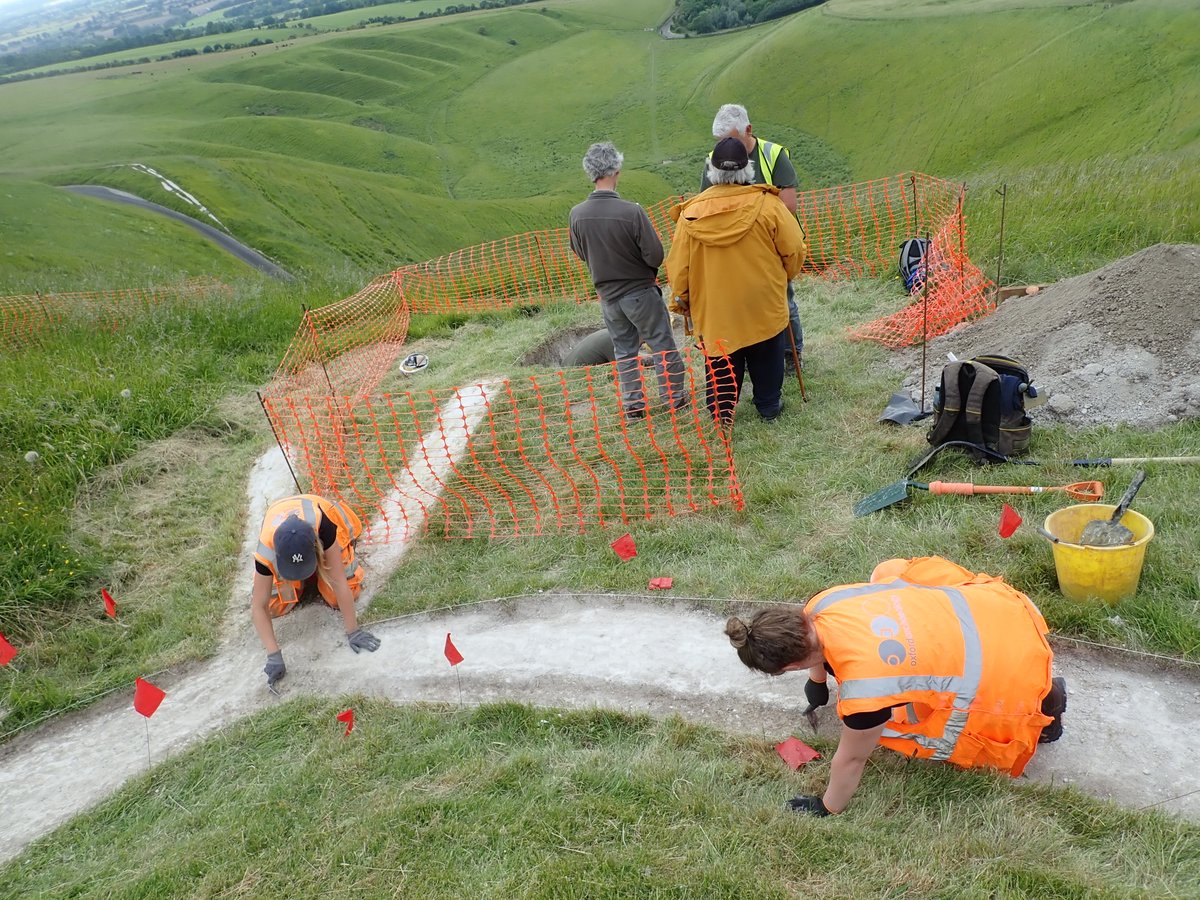
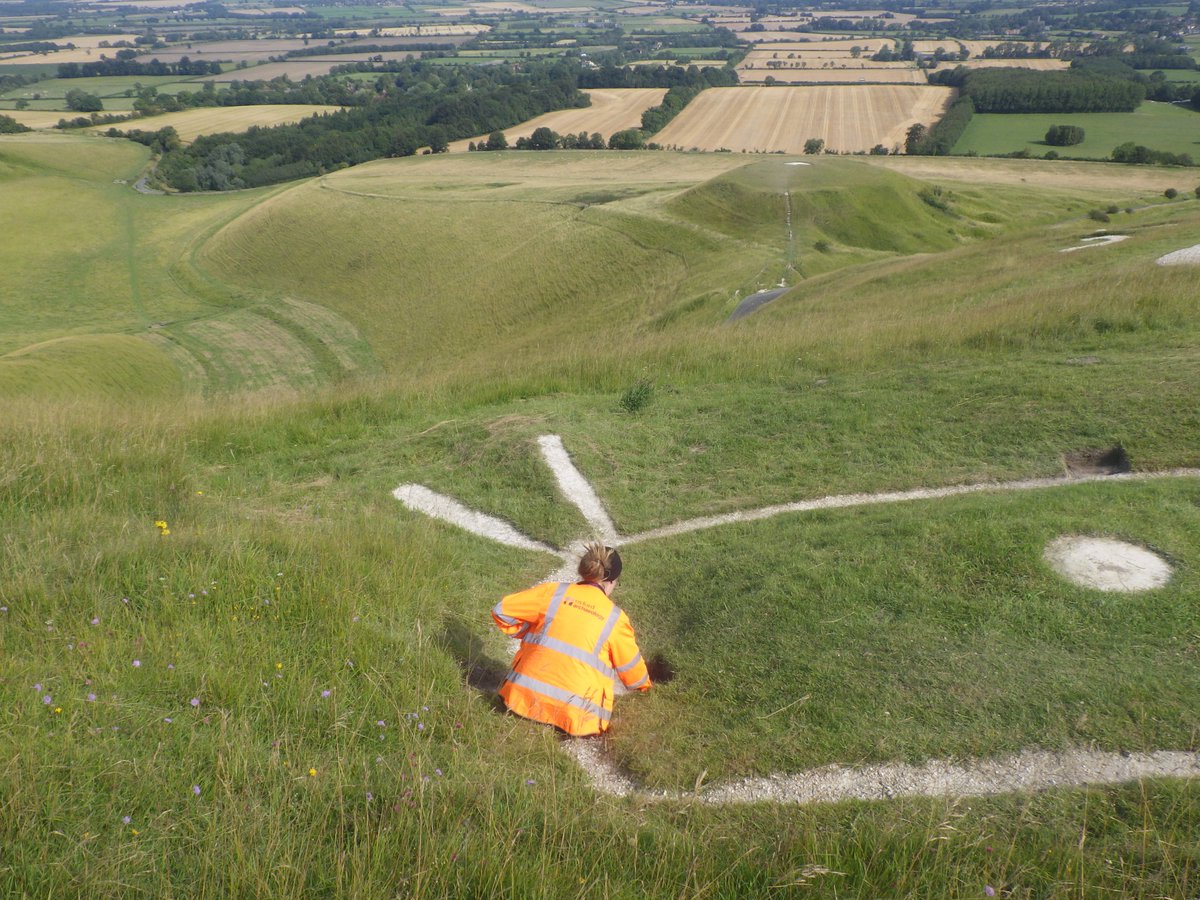
It's time for a new update about the White Horse!
This week we look at how the Uffington White has been bringing people together for centuries, from Saxon "Olympics" to events to promote social cohesion.
Read it all here https://t.co/ndnohcG2yY
OA's new report for Forestry Commission explores the balance between afforestation and preserving our archaeological heritage. Let's protect our past while planning for a greener future. 🌍
🔗https://t.co/R1TOnDvsTi
#Archaeology#Sustainability#Forestry#Heritage
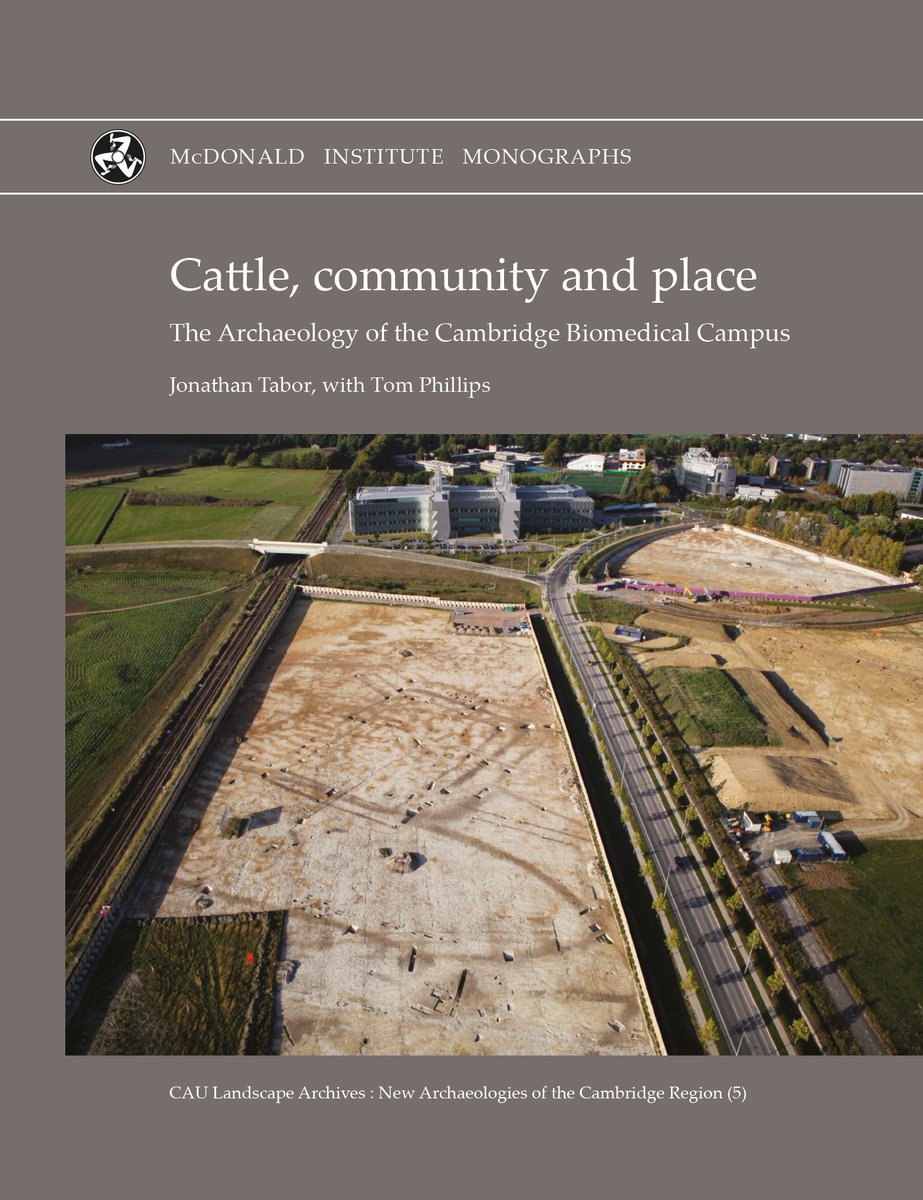
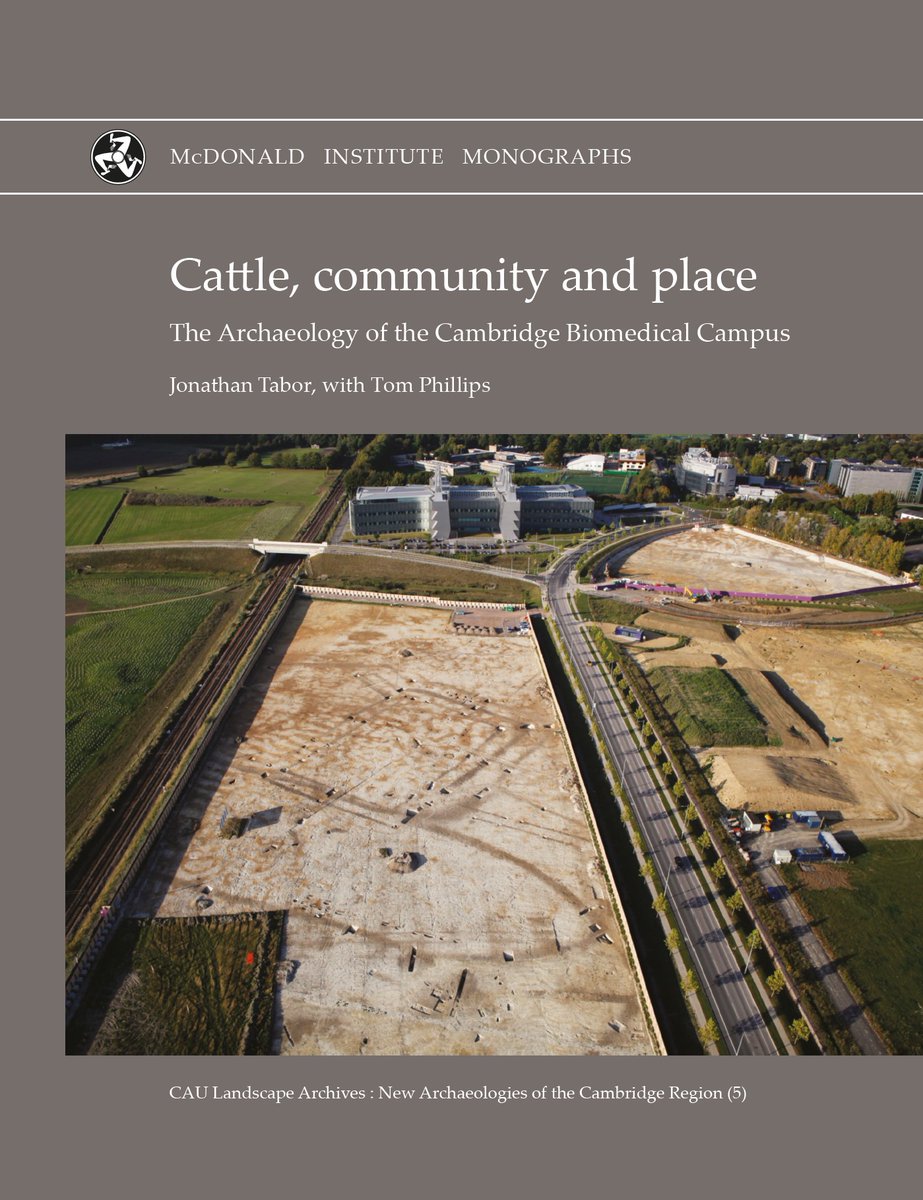
If you want to find out more about how people lived in this part of Roman Cambridge, @CambridgeUnit's monograph "Cattle, Community and Place" (with contributions from OA) is now available open access here https://t.co/y6AP8smsFD
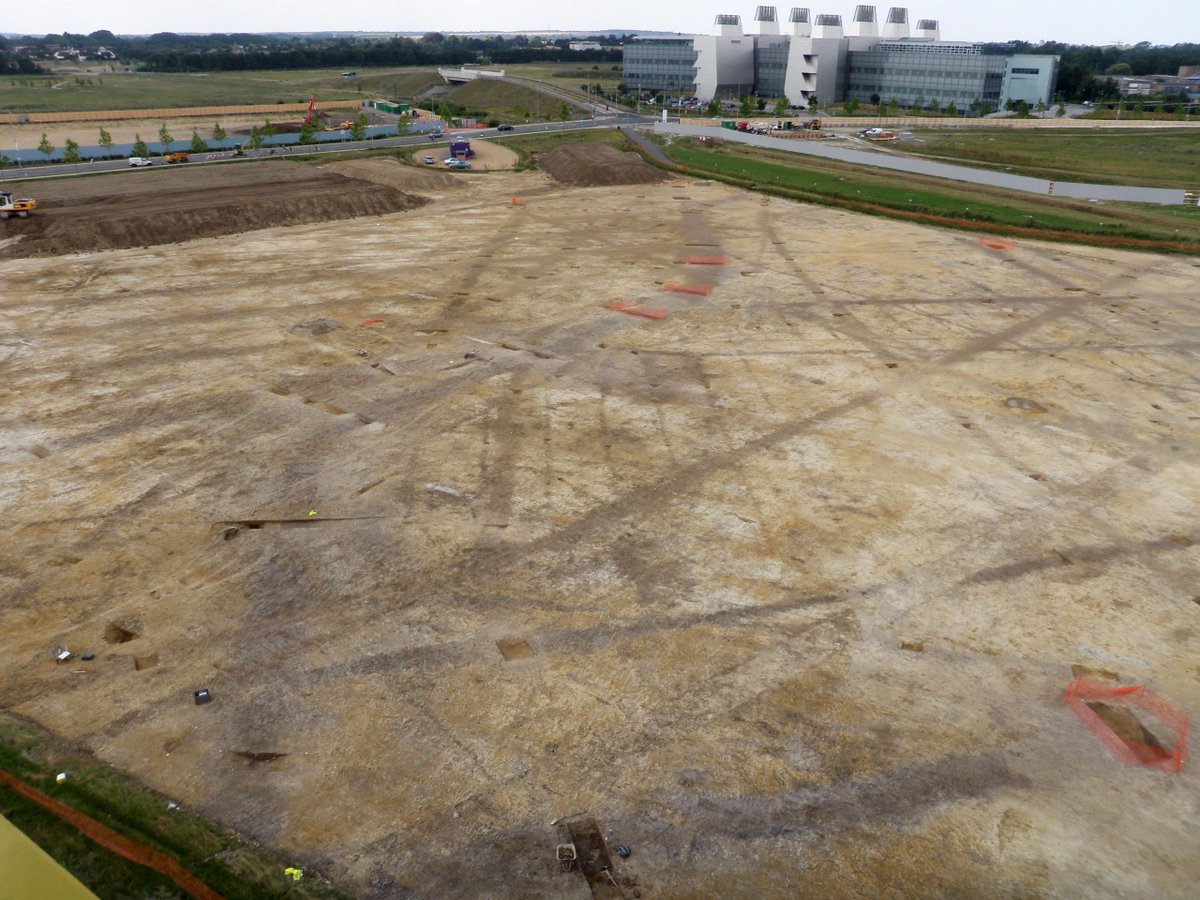
Simple lines in the soil? Look more closely!
This aerial view is from the excavations OA carried out in the Cambridge Biomedical Campus/Royal Papworth Hospital area. The darker lines are the multiple phases of boundary and enclosure ditches from the Bronze Age and Roman period
The Bronze Age enclosure was followed by a Roman farmsted. This had extensive cultivation beds (the parallel lines) perhaps once used for growing vegetables, vines or even asparagus! There were also buildings to store and process the crops on site.
It's time for a new White Horse update! This week we finally get to this year's work to restore this fabulous monument. Spoiler: it is about more than fixing the shape of the Horse, and a lot to do with its natural environment.
Read all about it here
https://t.co/2BSz6FEPvf
We’re thrilled to share a new Open Access publication Cattle, community and place: The archaeology of the Cambridge Biomedical Campus published by the McDonald Institute for Archaeological Research https://t.co/ixHQeD81N3 @UCamArchaeology@oatweet
#WildWednesdays It genuinely is exciting reading through @AEAOxford abstract submissions! Fab connections being made between environmental archaeology and contemporary matters from farming to artisan practices. Keep the abstracts flowing!
In the latest blog update about the Uffington White Horse, we look at the most recent work we have done there, always in partnership with @nationaltrust and @EnglishHeritage.
https://t.co/qLm1MVmhrg
As these 2 images of the salt-making facilities at Stanford Wharf show, Roman industry was a big part of people's lives and determined how and where they lived. For a deep dive in the subject check our Knowledge Hub https://t.co/1CQ1BkHJuv
Ever wondered how Roman Britain worked when it came to feeding and watering the soldiers or sourcing the building materials for housing and infrastructure?
Our colleague Ed Biddulph had a lovely chat with the BBC about Roman industries
https://t.co/tdlxDFzjtK