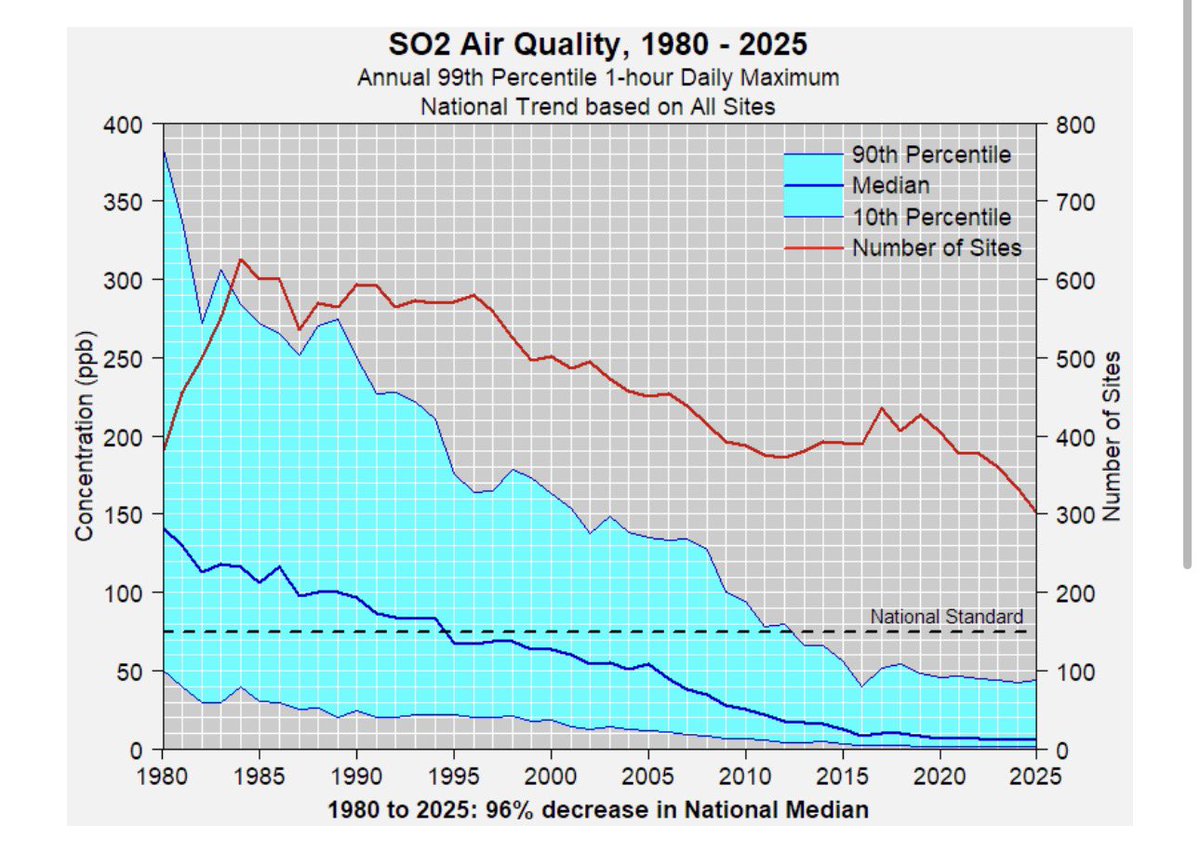
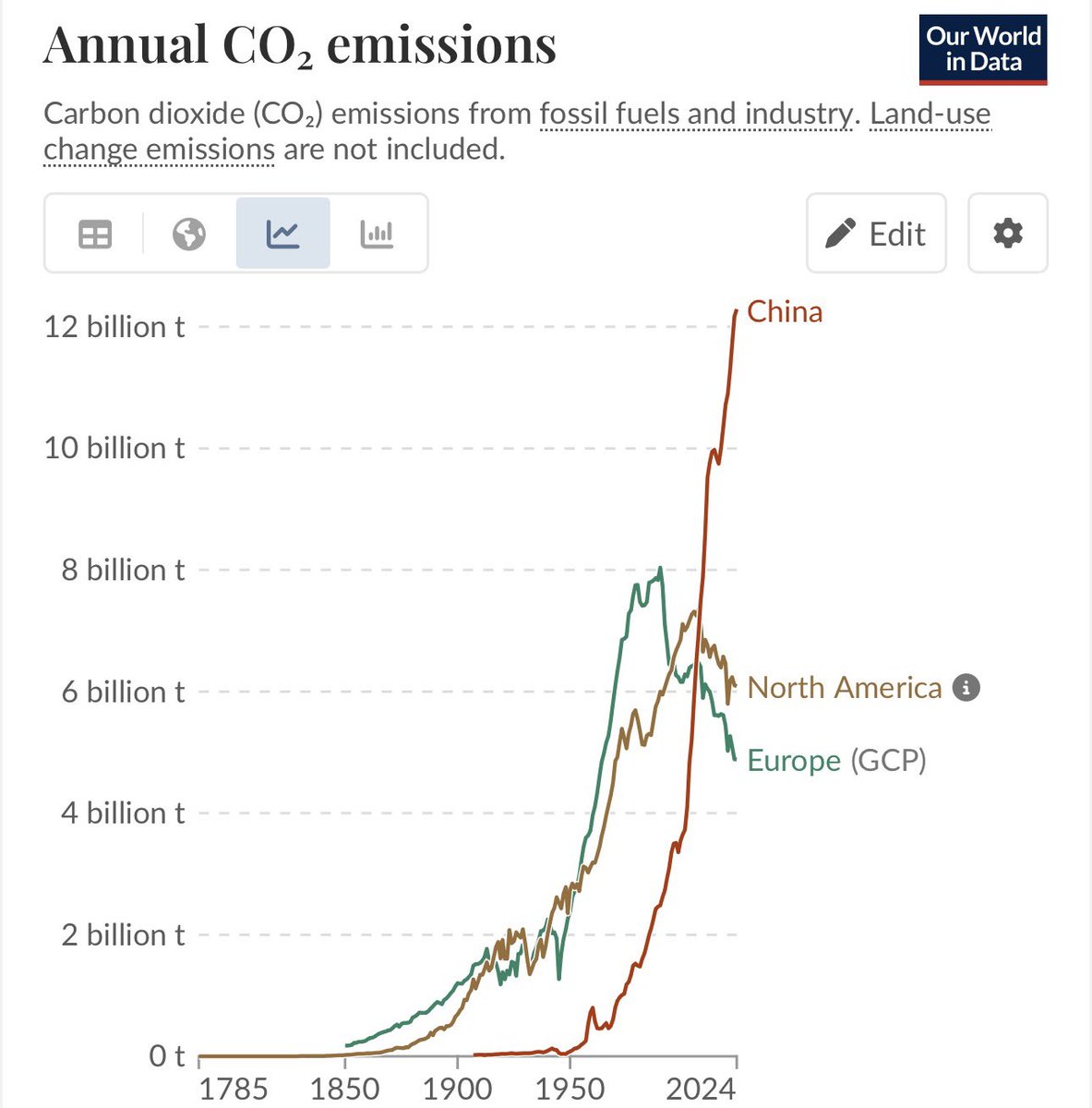
@imperial_flag@kineyDE They can't.
They didn't just shut them down, they poured concrete into all the cores to fatally ruin their reactors, and ensure they can never be restarted by anyone.
Forging Steel
This is a 300 ton forged ring passing through Japan Steel Works Ltd. This facility has 80% market share for nuclear reactor pressure vessels (RPV).
Their order book is full.
They have mastered…
• controlled melting
• vacuum degassing
• superheated liquid handling
• giant bar casting
• electric preheating
• hydraulic forge pressing
• hot punching
• open die mandrel pressing
• dewarping
• ring rolling
• electric pit heating
• quenching
• tempering
• machining
• NDT testing of sample prolongations
They do this with pieces of steel that are 540 tons, for most of the steps the steel is 1,600°F.
The scale of the equipment you need to handle something like this is pure sci fi. The number of steps in the process is no joke.
You make 1 mistake along the way and the whole thing is often scrapped and has to be remade.
You have to keep all of this equipment calibrated, even as it goes through brutal thermal cycles and takes weeks to cool down.
This is why giant forging is so hard.
But it’s doable, people do it. A big part of what makes this expensive is that everything is made-to-order and the orders are all bespoke.
This means retooling for every run, which means recalibrating, which means you often don’t get it right first time, which means there is a lot of losses and reruns…
Which means lead times are long.
That plus the order book is full.
This process is deeply esoteric, but it is also ripe for innovation.
It is big, it is heavy… but JSW can turn $3m of steel into a $200m component. And they have 80% market share.
Suddenly the world needs infrastructure and this is the global bottleneck for an awful lot of it.
It’s a silicon carbide Solid State Transformer technology.
Why SiC MOSFETs outperform silicon
Standard silicon switches struggle under high power burdens. SiC technology solves these limits with superior material strengths:
1. Higher Voltage Handling: They offer 10X the breakdown field strength of silicon. This allows a very thin layer to block high voltage levels.
2. Lower Power Losses: They drop conduction and switching losses significantly. This helps devices run much cooler.
3. Faster Switching: They move electrical energy at extreme speeds. Faster speeds mean engineers can use smaller, cheaper inductors and filters in their circuits.
4. Extreme Heat Tolerances: They conduct heat three times better than silicon. Many chips operate smoothly at temperatures up to 175°C or 200°C.
@Just_1MoreThing Yes, the pressing is where you shape the grain structure of the steel lattice by squeezing its shape and forcing it to work strain, and you have to bully the steel whilst being careful not to fracture it.
@OSHBuilt A lot of light and heavy industry is about to be restructured in a new and durable way.
It’s a real conflux of factors, pace of tech, buying patterns, recognising the enterprise value of speed and quality…
The “buy now” button.
@grok@RoundheadZoomer@Empireaesth@grok, for how long did Admiral Nelson sail HMS Victory into a full fleet broadside at the Battle of Trafalgar.
How many ships made up the combined French and Spanish fleet and how many naval guns did Nelson face?
That somewhat under sells it.
He left port trying to stop an invasion force assembling, one that was intending to invade the British Isles…
He not only stopped the invasion, by sailing his own flagship at point headlong into a full fleet broadside no less… but he won so decisively that he achieved global naval supremacy.
@awawfumin@ChenGonSol@Andercot From the ice age to the present was 12,000 years, from the present to a jungle climate is maybe 150-250 years.
Three points in time, three different states, with the present being a transient.
Past, present, future… snowball, temperate, jungle.
@ZoozleBung@ChenGonSol@Andercot Nobody is causing one on purpose, although some countries behave as if they have calculated that climate change is in their strategic interests.