I turn complex DeFi & RWA risks into simple human insights that help you avoid losses. Building NaijaGems for Nigerian creatives. Follow for safety — not hype.
GM 🕸️3 Builders
Call Me Teddy🔗
I’m a Nigerian builder focused on DeFi risks.
I turn complex DeFi & RWA risks into simple human insights that help you avoid risks.
Building NaijaGems: Slowly to help Nigerian creators own their work safely.
Here to learn & share.
@tacitprotocol True. If one person can create many wallets, then ‘one person, one vote’ doesn’t really mean much. The real challenge is proving someone is a unique human without breaking privacy.
AI-Powered Synthetic Identity Fraud
“Imagine if half the people in your community weren’t real. AI is making that possible in 2026—blending stolen data with fake personas to bypass KYC. Governance that depends on ‘one person, one vote’? Already compromised.#Web3#DAO#Governance
Bitcoin is holding around $65K while big money quietly moves back through ETFs. Retail sees volatility. Institutions see opportunity. The question: who is really accumulating right now?
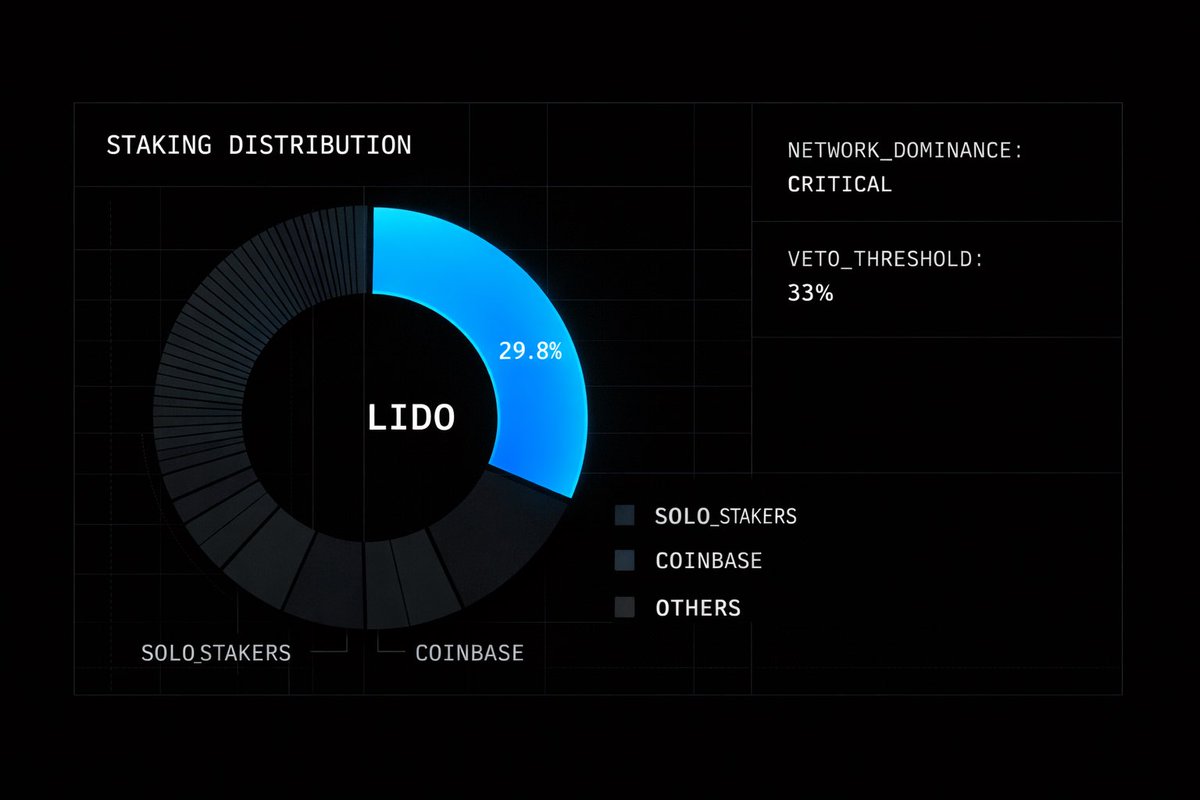
The staking layer is getting concentrated. One provider now controls close to 30% of staked ETH.
We moved away from traditional banks, but are we slowly creating a new kind of gatekeeper?
At what point does convenience start to weaken decentralization?
@Cardanians_io Google Cloud entering the privacy layer is a major signal, but the hosting math still matters. If the Midnight or Cardano nodes are all sitting on Google’s own servers, the 'privacy' is still behind a corporate curtain.
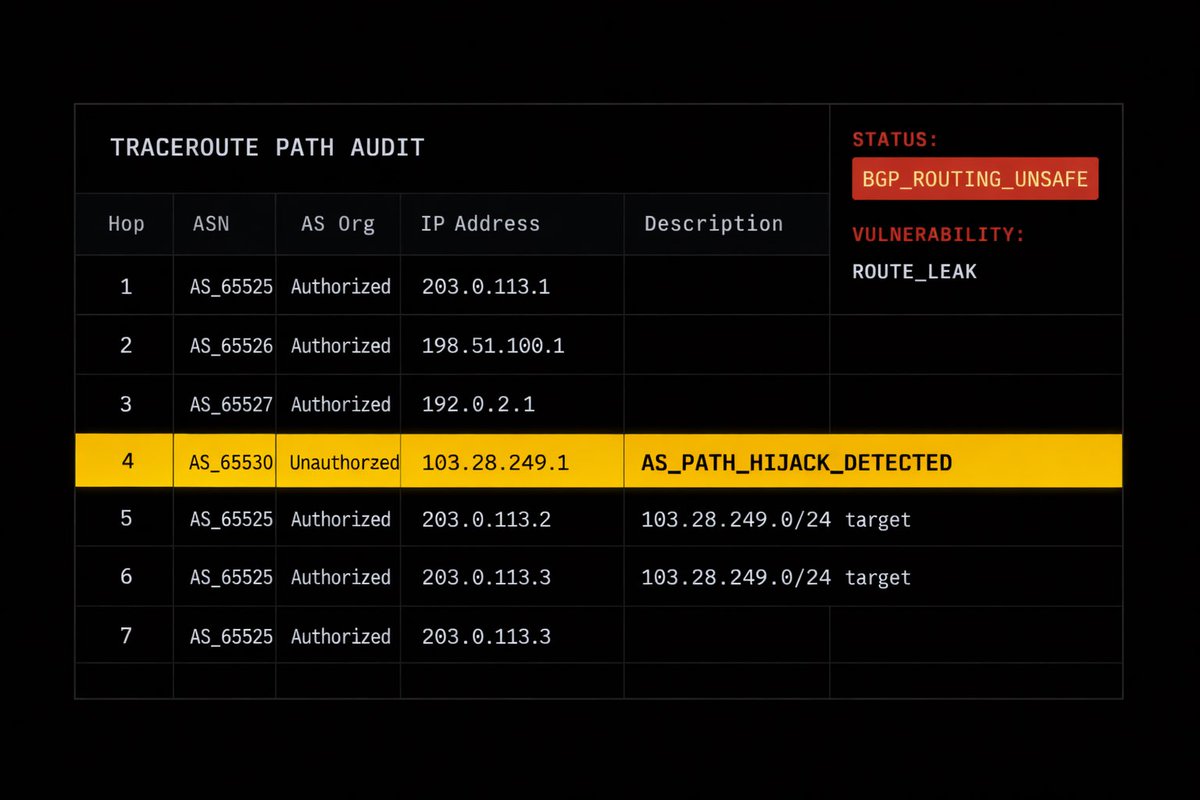
The internet’s routing system is a weak spot.
If an attacker hijacks the network path to your RPC node, your wallet can be shown fake data.
You may think you’re approving a safe swap — but you’re actually talking to a fake server.
Do you trust the path, or just the destination?
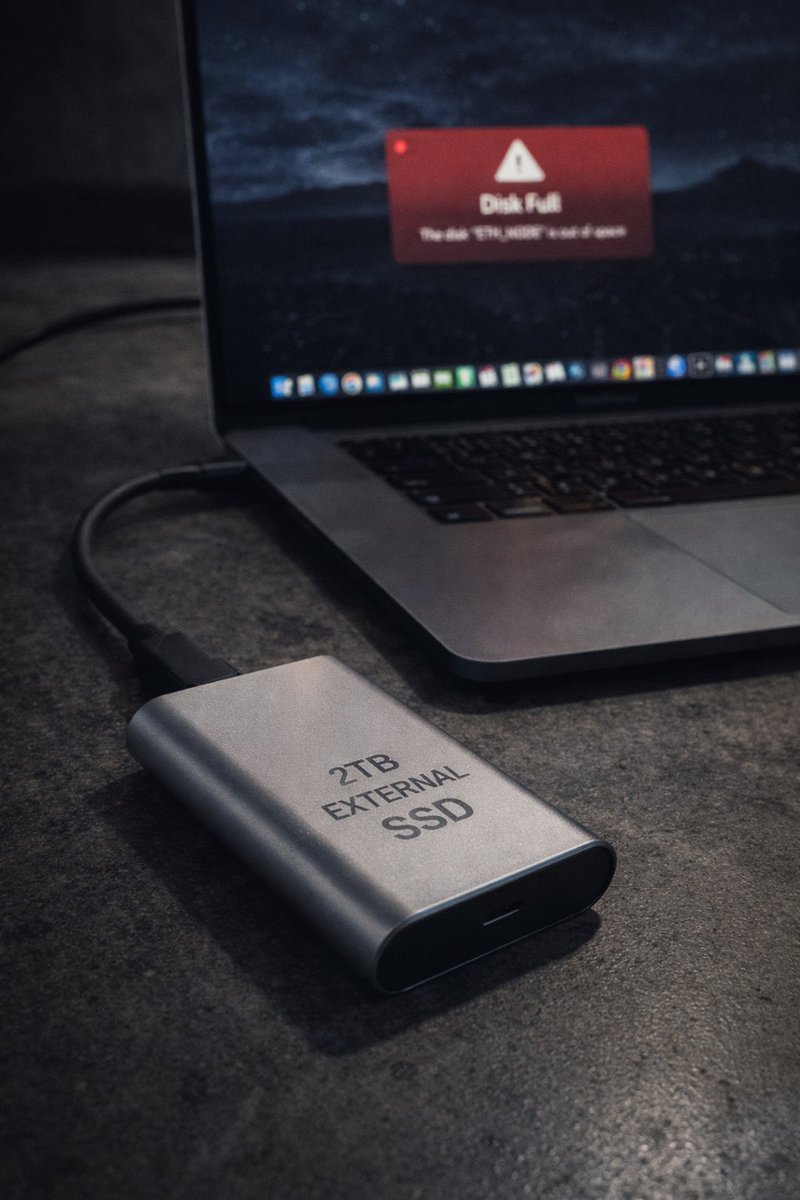
The Ethereum record has grown too large for normal hardware. Running a node now needs about 2.4TB of storage.
When regular drives can’t handle it, only data centers can hold the history.
If you can’t afford the storage to verify it yourself, are you part of the network?
The Ethereum record has grown too large for normal hardware. Running a node now needs about 2.4TB of storage.
When regular drives can’t handle it, only data centers can hold the history.
If you can’t afford the storage to verify it yourself, are you part of the network?
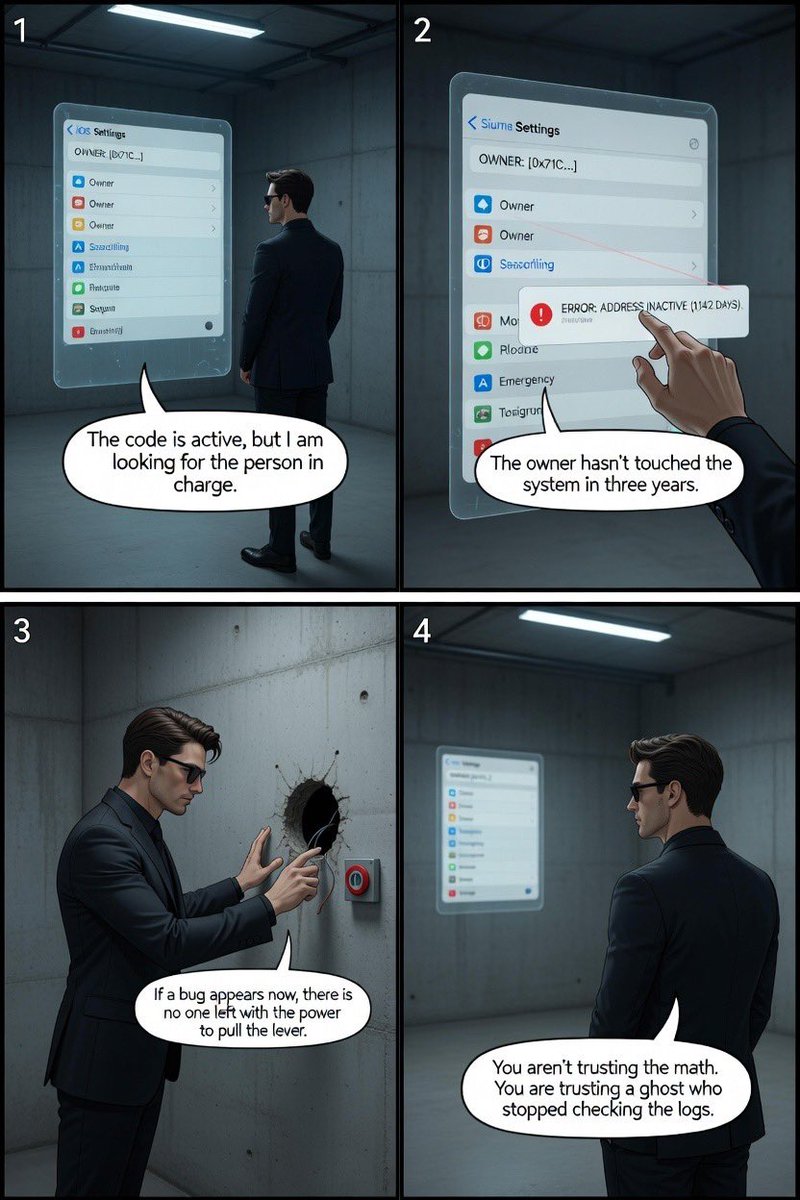
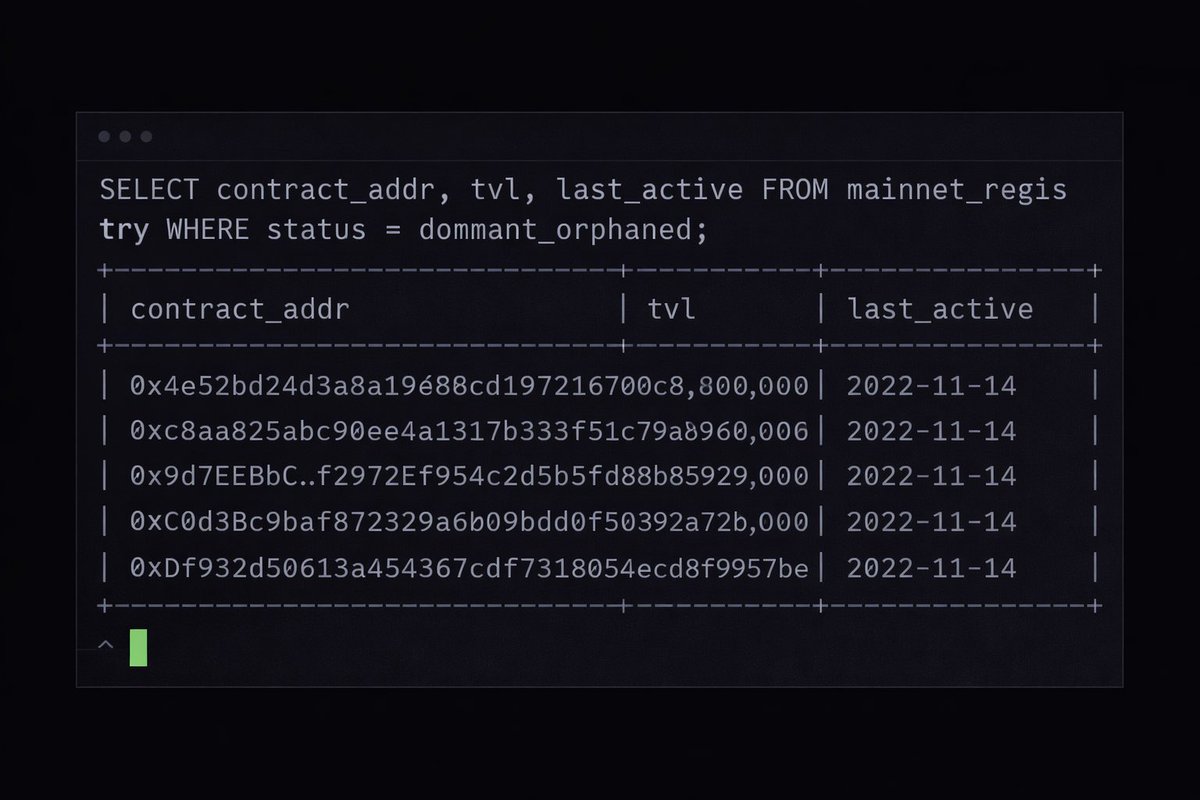
The Dead Sequence is a quiet risk in 2026.Over $4.2B sits in smart contracts where the owner hasn’t been active for 1,000+ days.
If something breaks, no one is there to fix it. You’re not just trusting code — you’re trusting a missing person.
🧵 Day recap: Reentrancy bugs, cloud concentration (62% on AWS/Hetzner), safer builds.
Safety first in DeFi & Web3.
What’s one risk you’re thinking about tonight? 👇
Follow for daily risk breakdowns — no hype.
#CryptoRisk#DeFi
Web3 is supposed to be owned by everyone.But right now, over 60% of the network is sitting on two big company computers: Amazon (AWS) and Hetzner.
If these two companies pull the plug, the "decentralized" world turns off. The real work is moving the data onto our own hardware.
Three hosting providers run about 72% of the network nodes. If they have a major outage or policy block, large parts of the network could go down or become unstable. That reduces decentralization and increases operational risk.
Check the hosting data before you trust the uptime.
The goal is a system with zero errors. I am going through the list one by one. If a bug is found, it is fixed and crossed out. No shortcuts.
This is how NaijaGems stays a fortress.