L’usage massif de pesticides est la cause du printemps silencieux qui se traduit par l’extinction des oiseaux et des insectes dont les pollinisateurs.
Un collectif de chercheurs revient sur l’hérésie que constitue la suspension du plan Ecophyto ⬇️ https://t.co/DwMj1hKSnt
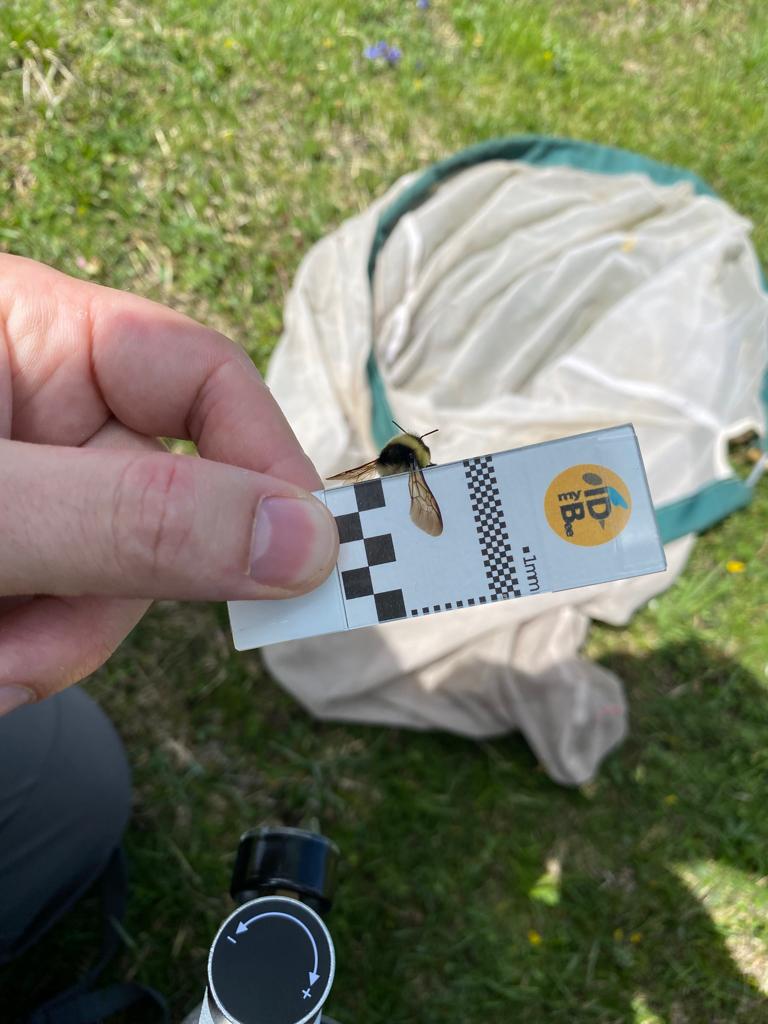
L'Opie vous convie du 15 au 17 mars 2024 aux 3èmes rencontres #Bumblegeeks à la station d'Écologie forestière d'Avon (77)🐝 ! L'Objectif pour chacun.e ? Valider les identifications, améliorer les compétences, partager, échanger.
Inscrivez-vous via le lien sur le linktree en bio.
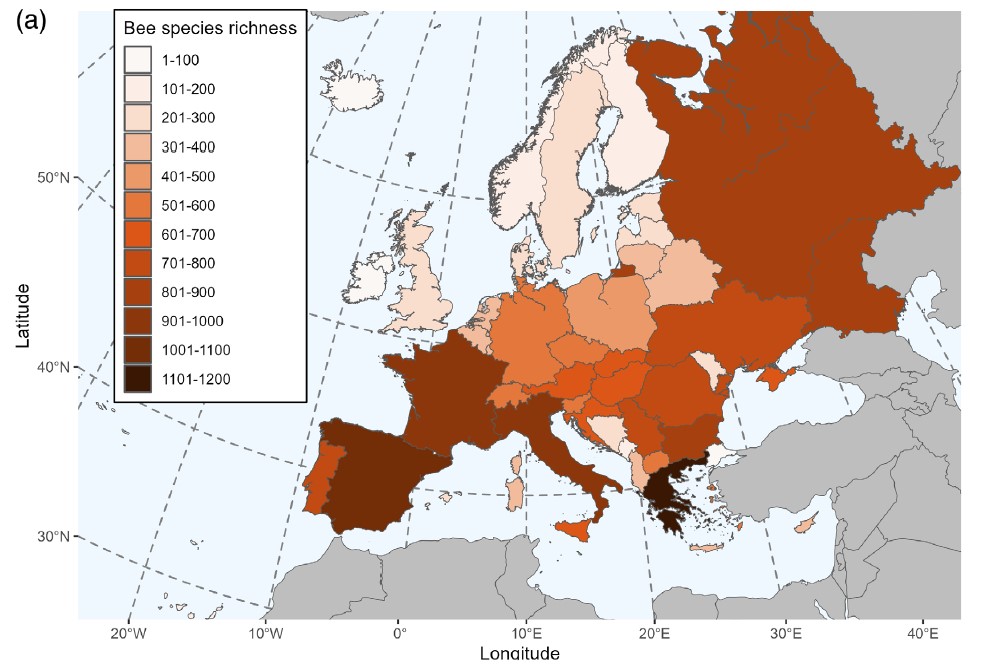
Important paper for OA, we participated to the National records of European bee and hoverfly species! Result : 2138 bee and 913 hoverfly species. 🇫🇷 is the richest country for🪰and the fourth for🐝 ! Have a look : https://t.co/LCTG89B26C with @BenGeslin @LiseRops@AdrienPerrard
Ce week-end c'était échantillonnage dans le Vercors avec l'Observatoire des Abeilles ! Spectaculaire !
This weekend was all about sampling in the Vercors with the Bee Observatory! Spectacular !
@AdrienPerrard@LiseRops@FlacherFloriane @BenGeslin @arthropologia @clement_car
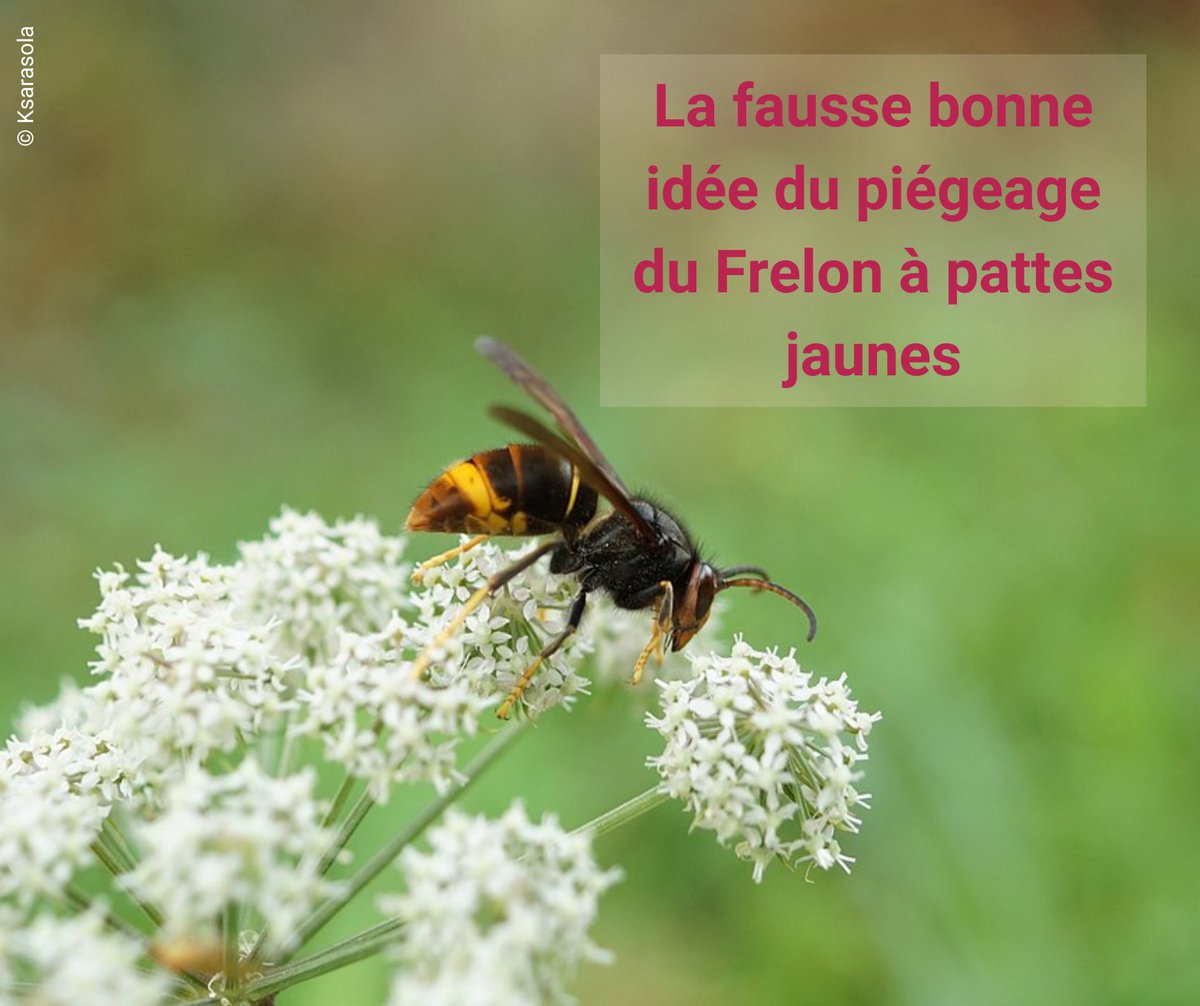
Le piégeage des #frelons à pattes jaunes (ou frelons asiatiques) est une fausse bonne idée !
Découvrez pourquoi dans notre communiqué de presse avec @arthropologia, @FNEasso, @SNPN_nature et @Obs_Abeilles : https://t.co/7FI4v1C6ou
Oh look, here is the female #Diadasia rinconis. You can see that the branched pollen collecting hairs on this specimen have a few stray cactus pollen balls stuck in there. Such lovely bees really. Collected by Don Harvey.
We are very pleased to announce the release of the last issue of #Osmia 2022, come here and have a look ! - Nous sommes très heureux de vous annoncer la sortie du dernier volume d'#Osmia, venez y jeter un oeil ! https://t.co/pl3khBr9LP
New paper in #Osmia🐝🦠 "Monitoring of parasites in bumblebee colonies developed from controlled nesting of wild queens (Hymenoptera: Apidae: Bombus)" by Gekière et al. ! https://t.co/bTZXsStop7 Have a look !
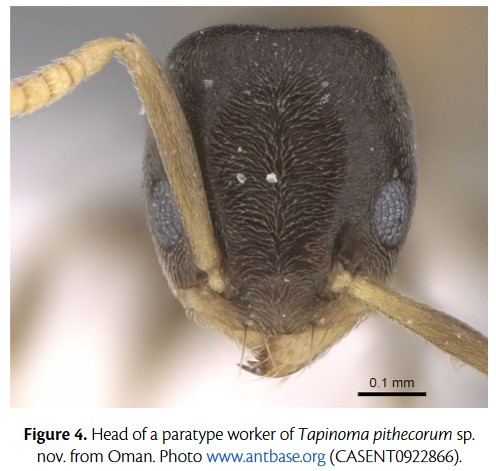
New paper in #Osmia 🐜🔴! The previous concept of the cosmopolitan pest ant Tapinoma melanocephalum (Fabricius, 1793) includes two species (Hymenoptera: Formicidae: Tapinoma) https://t.co/GgajurXqqB ! It's online !
New paper in #Osmia🐝🔴🥤! Soda maker for field anesthesia as a step towards a non-lethal identification of wild bees and other flower visitors by Toulzac et al. https://t.co/nqCcrfefMP ! Have a look !
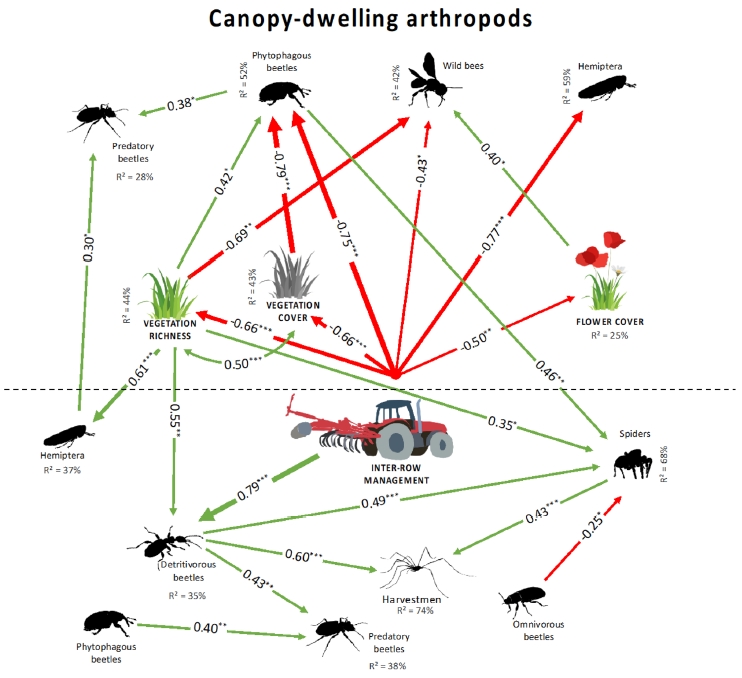
📬 New paper of Chloé Blaise @imbe_ppm that examines effects of #vegetation cover and #soil management on the abundance of arthropods in #Mediterranean#vineyard
To read in Scientific Reports:
https://t.co/M9ldvaJ2Un
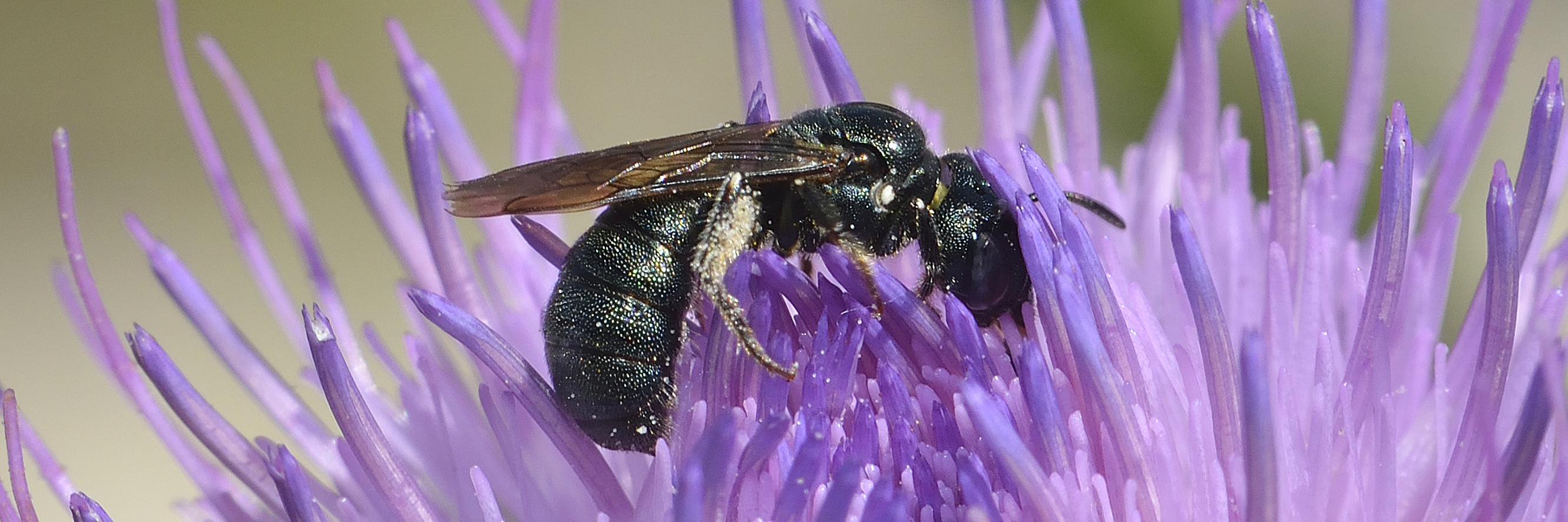
Today I want to introduce you to /Andrena ramosa/. A new bee species to science described at our study sites in Aznalcazar, within a Doñana Protected Area: https://t.co/xlMAIhVtbZ @ebdonana
L'Observatoire des Abeilles s'associe également à cette tribune. « Le nouveau plan “pollinisateurs” oublie l’essentiel : les pesticides » – via @lemondefr