Freshly cut dorsal fin from a scalloped hammerhead shark held by a fisherman. 37-100 million sharks die annually just for some soup. It needs to be stopped. I apologize for the gruesome photo, it is upsetting but needs to be brought to the surface as an issue.
Sharks are beautiful animals, and if you're lucky enough to see lots of them, that means that you're in a healthy ocean. You should be afraid if you are in the ocean and don't see sharks!
#WorldOceansDay
Our oceans play a huge role in our day to day lives whether we realize it or not. Today let’s celebrate everything the oceans provide for us.
@LewistonSuper Not the smartest decision you’ve ever made. You’ve cancelled school before under less dangerous conditions, so this doesn’t entirely make sense.
Dr. @SylviaEarle on why we should stop consuming seafood; “We’re not thinking of what we take out of the system. We should be looking at fish as something that makes the ocean functional, that makes our lives possible.” https://t.co/iCCSfEfDsS #NoBlueNoGreen
via @OneGreenPlanet
It's estimated that only 1 in 1,000 hatchlings will survive to adulthood. Hatchlings use the natural light horizon, which is usually over the ocean, along with the white crests of the waves to reach the water when they emerge from the nest. 🌊
Sharks mature slowly, and reach reproductive age anywhere from 12 to 15 years. This, combined with the fact that many species only give birth to one or two pups at a time, means that sharks have great difficulty recovering after their populations have declined.
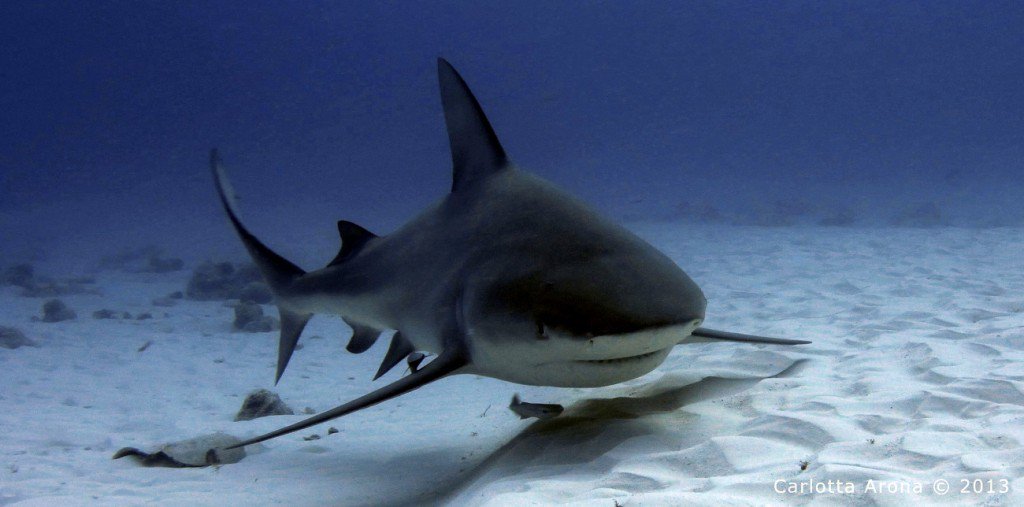
Sharks have adapted to living in a wide range of aquatic habitats at various temperatures. While some species inhabit shallow regions, others live on the ocean floor and the open ocean. Some species, like the bull shark, are even known to swim in salt, fresh and brackish waters.