We have developed a solution to collect and process plastic waste in the World’s ocean and seas. We are bringing an answer to the problem. #circulareconomy
@lizbonnin what an amazing documentary. Thank you @BBCOne for the superb piece of journalism tonight. We @oceanpolymers can recycle all types of plastic even the ones they say can’t be. #DrowninginPlastic
We watched #DrowningInPlastic and were equally saddened at the detrimental environmental effects waste plastic causes. However we have can recycle and repurpose all plastics to create useful by-products. Take a look at what we do at https://t.co/CpHKpjTgjl
@BBCOne@lizbonnin#DrowningInPlastic, as sad and hard to watch, is the reason why we at @oceanpolymers have been working hard to create one solution to the ocean plastic crisis. Please take a look at what we are trying to do. https://t.co/CpHKpjTgjl
We hope that everyone will be watching the BBC documentary tonight Drowning in Plastic on BBC One at 20:30pm tonight with @lizbonnin. We at Ocean Polymers are striving to do our bit using our technology for recycling plastic.
Over the last 50 years, the flesh-footed shearwater population has dropped by 30%.
Plastic is a major cause of their decline.
Drowning in Plastic | 8.30pm | Monday 1st October | @BBCOne
https://t.co/34t3gddRyJ
@DuncanBannatyne The planet @DuncanBannatyne and we are now crowdfunding to get our ocean plastic business off the ground. Would be lovely if you could take a look at what we are trying to do for the environment. https://t.co/CpHKpjTgjl
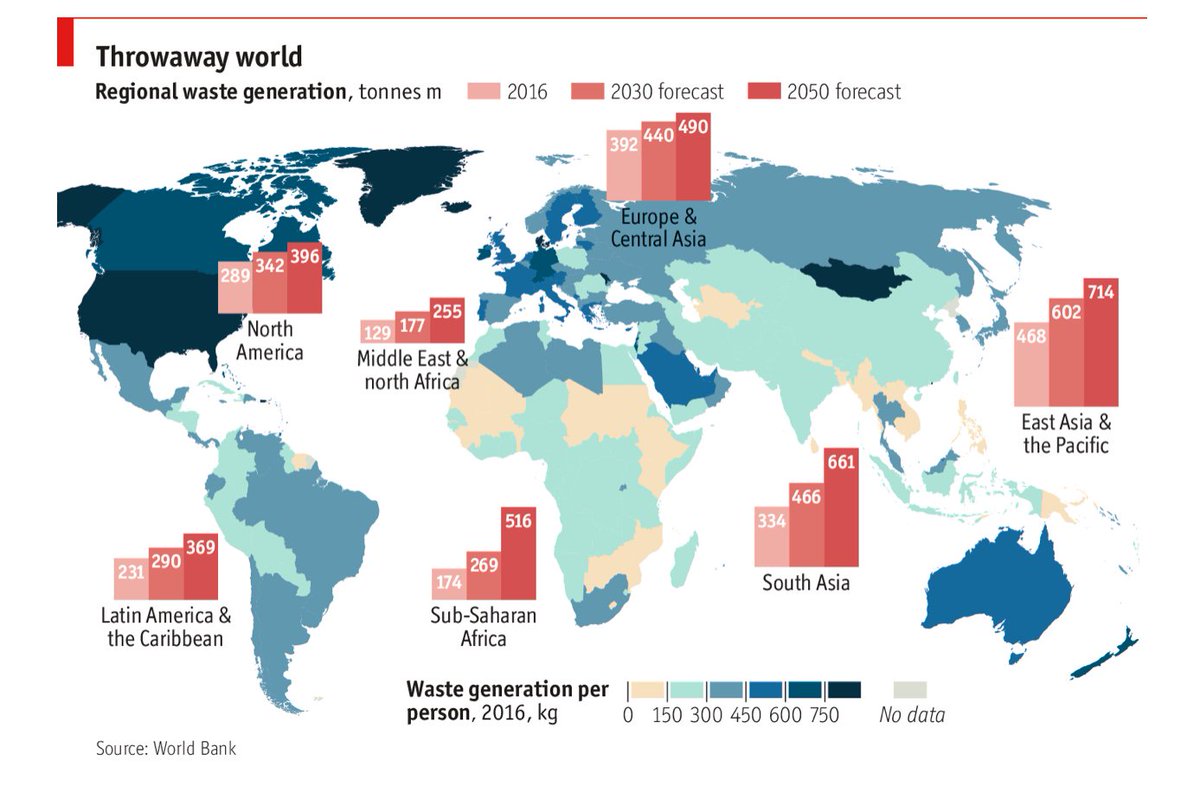
Poor countries must prepare to cope with an increase in waste as they develop a middle class consuming at Western levels. Only when they see that proper handling of solid waste can aid prosperity will the global tide of rubbish be stemmed.
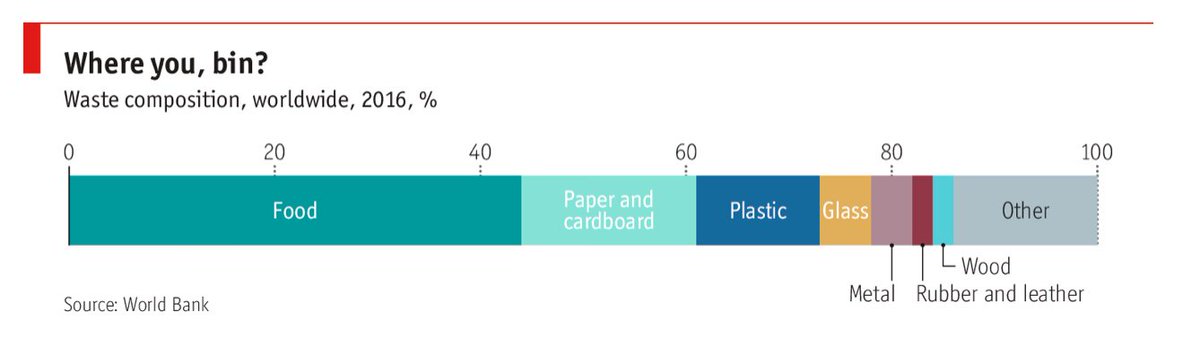
Plastic recycling rate is currently 10-20% today as compared to 60-80% currently enjoyed by other materials such as aluminium, steel and paper. The problem for plastics is that hundreds of everyday polymers are incredibly cheap to make from petroleum.
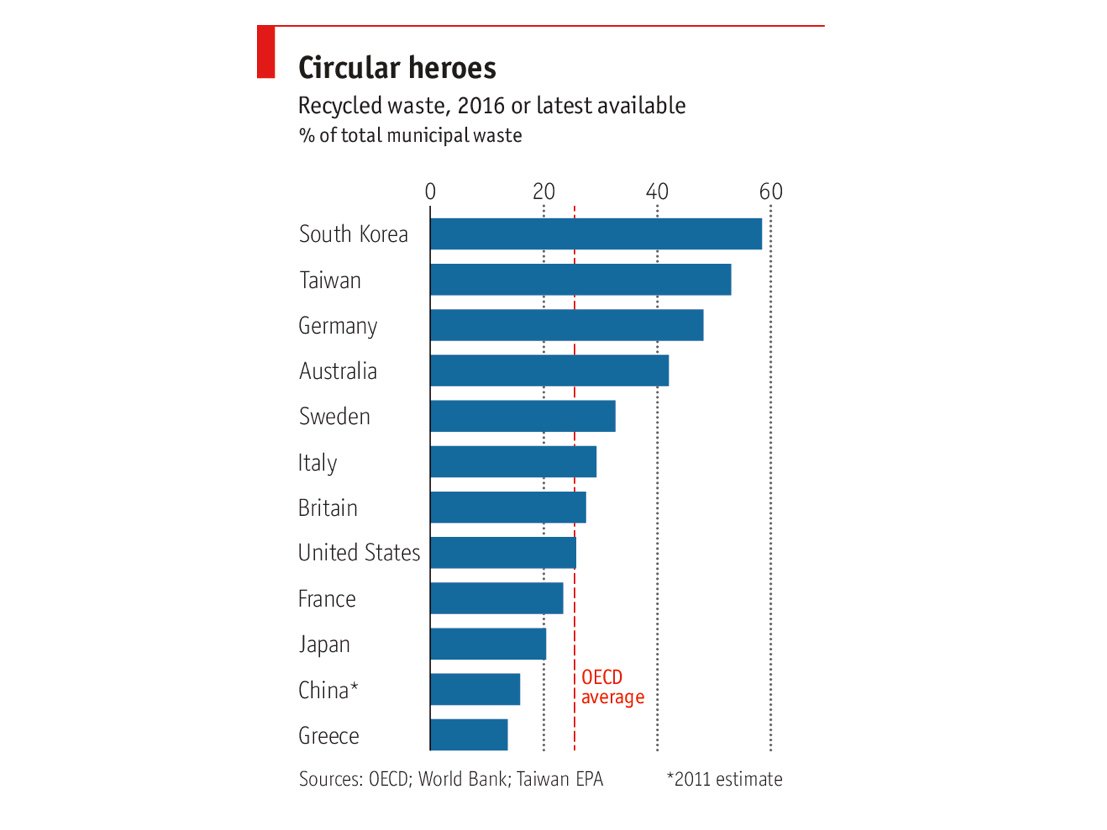
Who are the heroes of recycling. Well take a look. The developed world needs to relearn how to recycle. The Chinese ban of accepting any plastics and cardboard has lent all of this a new urgency.
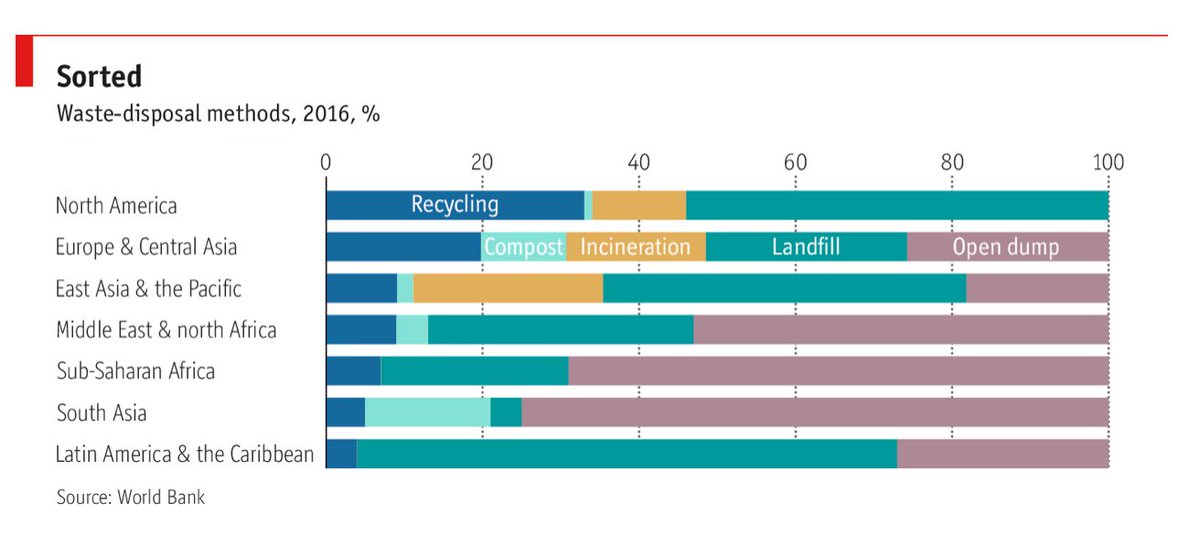
37% of solid waste goes to landfill worldwide, 33% to open dumps, 11% to incinerators. Some goes to compost heaps. Two-thirds of aluminium cans are currently recycled in America, but only 10% of plastic. All told, only 13% of municipal solid waste is recycled globally.
Advanced economies make up 16% of the world’s population but produce 34% of its rubbish. We must do more throw away less and reuse more to make economies more “circular”. #Reduce#reuse#recycle.
Help us celebrate National Refill Day by downloading the app and helping the environment today here https://t.co/5vEUAb6fAj and join the #RefillRevolution#NationalRefillDay
We are now able to offer tax reliefs to individual investors who buy new shares in Ocean Polymers. For more information on our status please check here. https://t.co/96VJzz61w5
Ocean Polymers Limited has now obtained its Enterprise Investment Scheme for Investors (EIS) from HM Revenue & Customs. Our investment can be seen here. https://t.co/96VJzz61w5
'We cannot allow our seas and oceans to be littered by endless fields of floating plastic'- 🌊 @Pontifex expresses his support for the push to #BeatPlasticPollution#faith4earth
https://t.co/Mc98ZuDJ8x