The biggest-selling drug on the planet last year was a peptide. Semaglutide, the molecule inside Ozempic and Wegovy, is a chain of just 31 amino acids. It generated roughly $33 billion in revenue for Novo Nordisk in 2025. One molecule. The entire peptide drug market crossed the $50 billion mark.
Finding the right peptide is where all the money burns. For each disease protein, you need to design a peptide that binds tightly enough actually to work. Think of it like making a custom key for a lock, except each position on the key can take 20 possible shapes, and even a short 10-position peptide can have over 10 trillion possible combinations per target.
The two best AI tools for this, BindCraft and BoltzGen, work by first predicting a peptide's 3D shape, then checking whether it sticks. That two-step process generates one candidate every few seconds to a few minutes. A whole day might get you a few hundred designs.
LigandForge skips the shape-prediction step entirely. It learns the physics of molecular interactions and generates sequences directly from the shape of the target protein’s docking site. No iteration, no structure prediction during generation. Over 700 peptide sequences per second on a single GPU. That’s 10,000x faster than BoltzGen, over 1,000,000x faster than BindCraft.
Speed means nothing if the peptides are garbage, though. So they tested it on five targets that have historically been difficult to bind: TNF-alpha, the target behind the rheumatoid arthritis blockbuster Humira. PD-L1 is the immune checkpoint that cancer immunotherapy drugs like Tecentriq block. VEGF-A, the target for cancer drug Avastin. HER2, breast cancer drug Herceptin’s target. And IL-7R-alpha.
LigandForge generated 150,000 candidates across all five in 3.4 minutes and produced tightly binding candidates (predicted binding strength in the low nanomolar range, where real drugs operate) against all five. BoltzGen hit 1 out of 5. BindCraft hit 0.
A 2020 JAMA study pegged the median cost of bringing a single drug to market at $985 million. The early discovery phase, where you’re searching for molecules that bind to your target, can take 1 to 6 years. A tool that searches the same space a million times faster changes how many disease targets a lab can afford to go after at once.
Extremely excited to announce LigandForge 🧬⚡
Generate high-quality peptides at over 10,000x - 1M the speed of state-of-the-art methods like Bindcraft and Boltzgen. Predict binding affinity with 83% correlation to experimental binding data. 150 protein targets benchmarked.
Australian tech entrepreneur Paul Conyngham explains how he used ChatGPT/AlphaFold (spent $3,000 with no biology background) to create a custom MRNA vaccine to treat his dog’s cancer tumors. Unreal.
Jack Nicholson used to grab coffee at a diner on the Strip. One night he showed up late to meet friends, and a waitress cleared his cup before he’d taken a sip, telling the table to leave. That moment was later written directly into Five Easy Pieces (1970)
As a parent, I think this video has taught me something useful.
I recommend that you should try it on your kids, too.
I have also shared it with my wife.
Credit: joe_drummer_boy on IG.
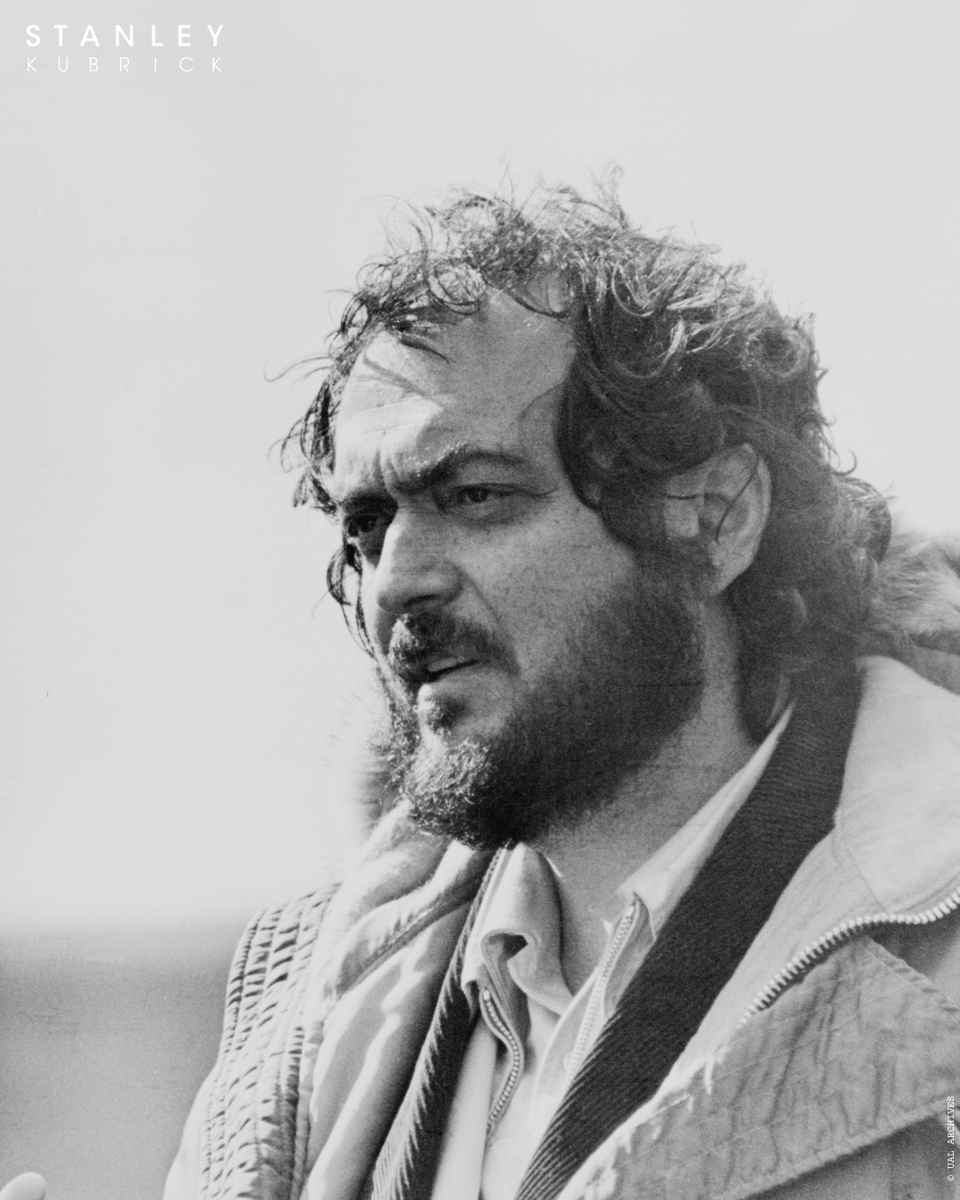
Smiles all round on the set of #AClockworkOrange, 1971.
The exterior shots of the film's Parkmoor Prison were actually of HMP Wandsworth, with the interior shot at Woolwich Barracks Prison in London.
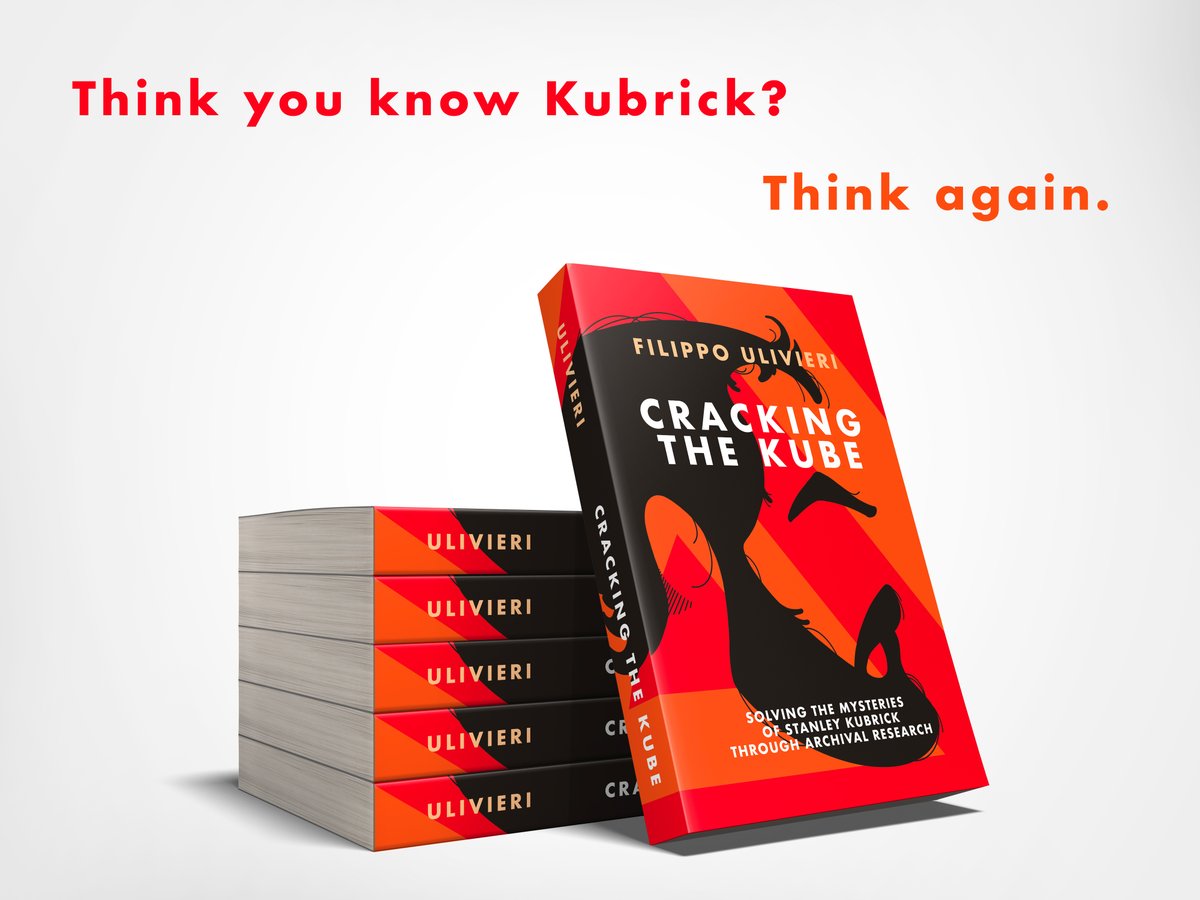
My new book "Cracking the Kube: Solving the Mysteries of Stanley Kubrick Through Archival Research" is now available on Amazon. 16 chapters. 390 pages. 20 years of Kubrick study.