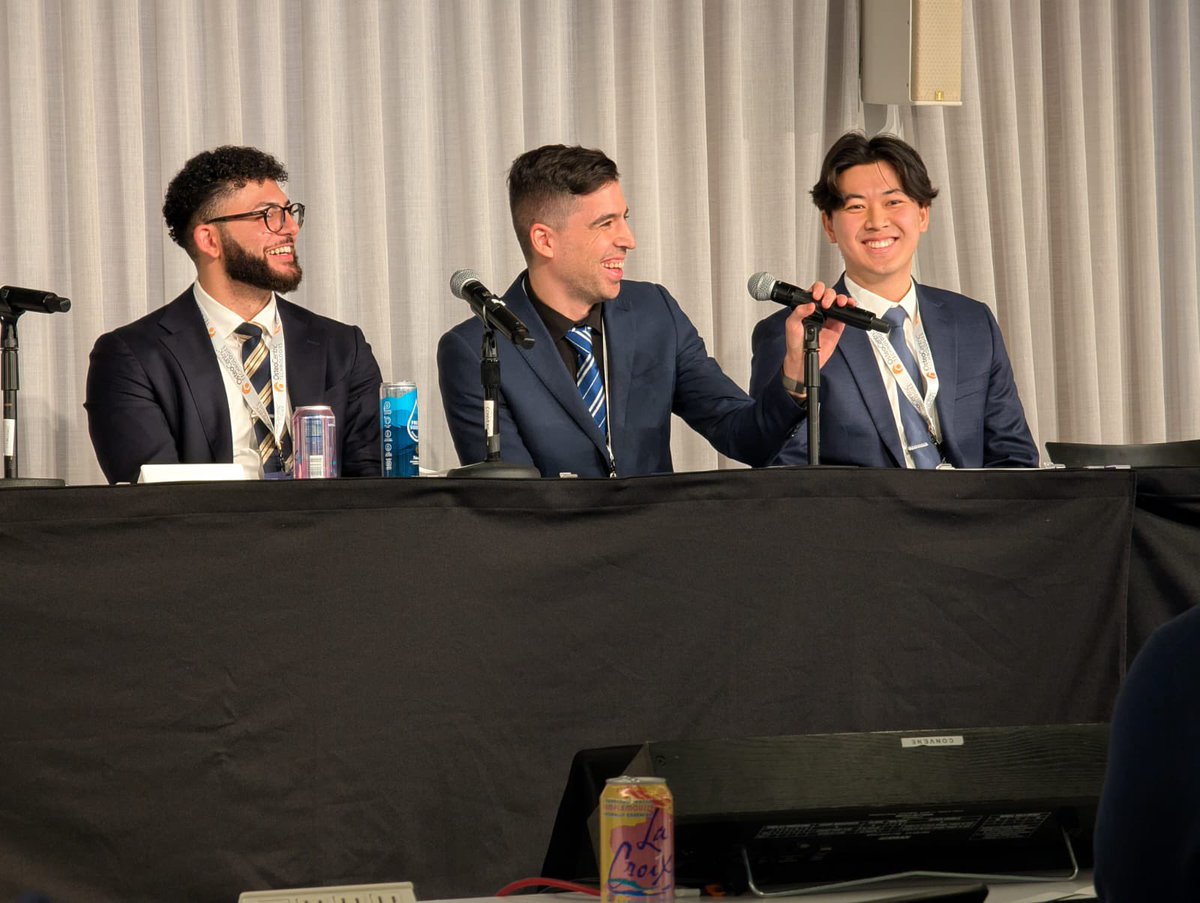
It is only with the support of my tribe that I was able to get here. For them I am forever grateful.
Humbled for the opportunity, and excited to grow with this incredible team. 🦴 🔨
#Match2025#OrthoMatch2025
Many think osteoarthritis (OA) is a 'wear and tear' problem.
While the instigator may be traumatic (think ACL injury), framing it as wear-and-tear can cause patients to think exercise will make things worse.
So understanding why cartilage loves load is important...🧵👇 1/7
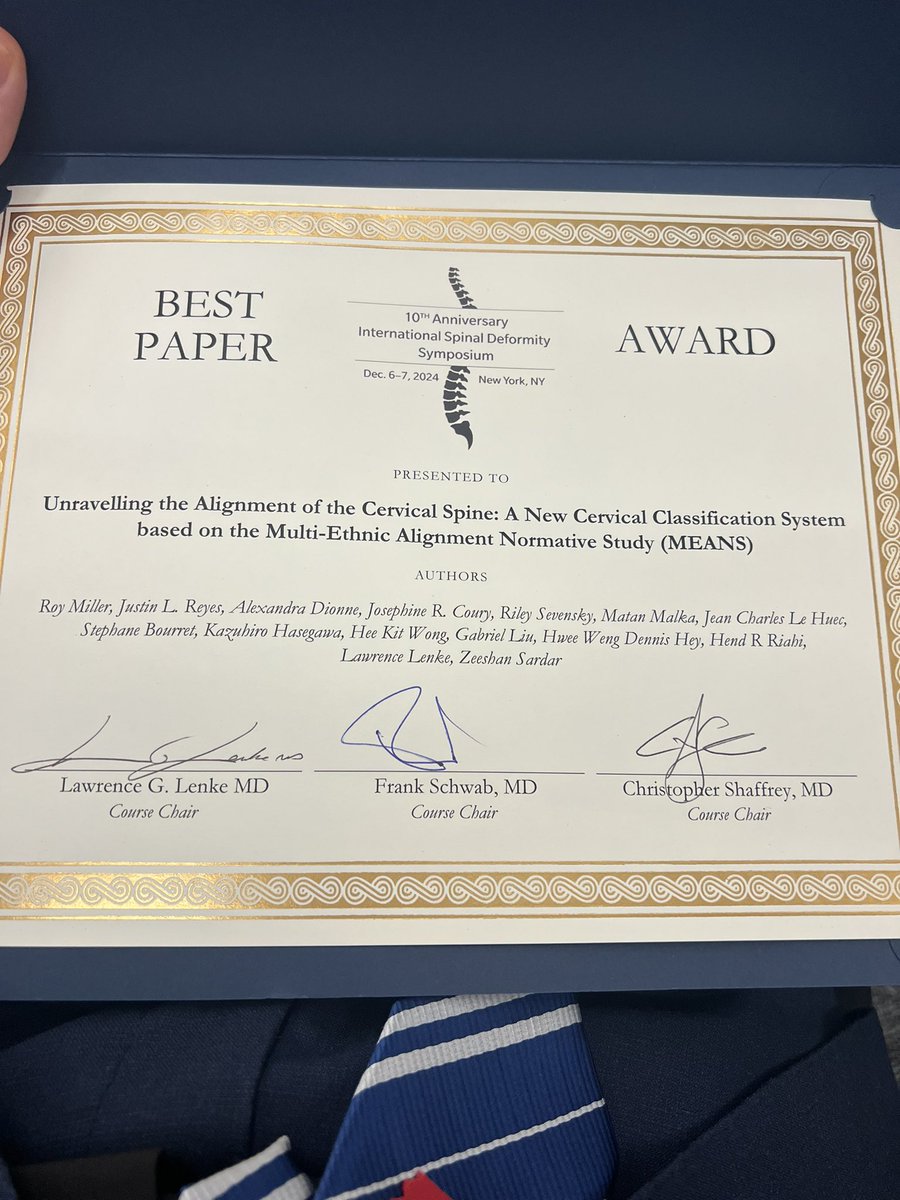
It was an absolute pleasure to present our work on the cervical spine at this years 10th annual International Spinal Deformity Symposium and be honored as one of the top 3 best papers!
THANK YOU to the team at Och Spine and @sardarspine for their guidance and mentorship!
Medicare, the federal health insurance program designed to help seniors, has profoundly impacted the healthcare industry - but not in the way it was intended.
Instead of simply providing coverage for older Americans, Medicare has effectively killed private medical practices and driven up insurance premiums for everyone.
The root of the problem lies in Medicare's reimbursement rates.
Hospitals are getting paid significantly more than private practices for the same services - often 3 to 10 times more.
This disparity has created an unlevel playing field, making it nearly impossible for private practices to compete.
Not #healthcare
Today my team sat down with our insurance broker. My health insurance premium for my employees went up 30% for our renewal.
The government cut their pay to me and all doctors by 3.37% this year for the first two months then reduced the cut to 1.66% for the remainder of the year.
I’m tired of paid mouthpieces telling Congress and Americans that doctors are the reason for our high healthcare costs. If you agree with me, share this post and let your friends and colleagues know where the money in healthcare is going.
Hint: it isn’t to doctors
New meta-analysis finds that taking an ice bath after strength training impairs gains.
The inflammation, damage, stress is the SIGNAL for adaptation.
Take it away...we blunt the response.
Sometimes, damage is a good thing...
Orthopedic Truths.
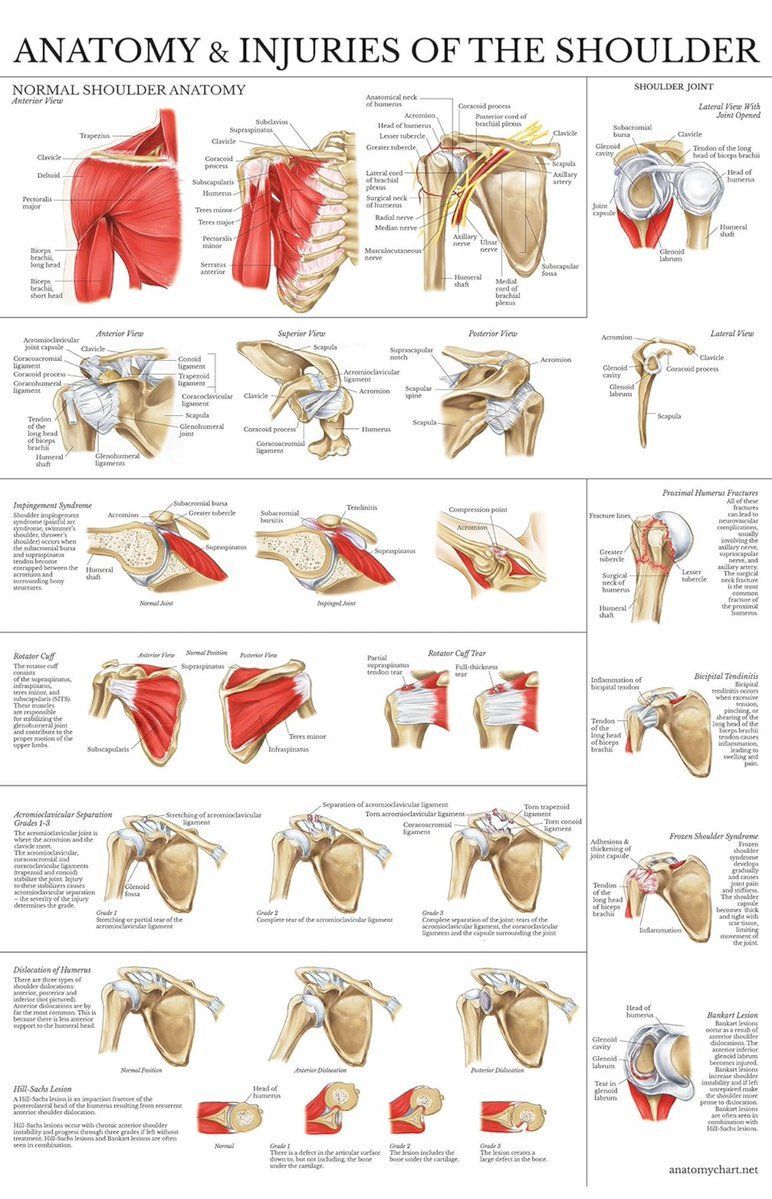
Rotator cuff "tears" are common.
Many rotator cuff tears tears don’t hurt.
Don't assume it’s the cause of your pain.
But it might be the cause of your pain.
Many tears aren't even "tears."
The word tear implies trauma...
Many "tears" are due to poor tissue health, loss of mechanical load, and other factors.
Tears are not due to bone spurs.
Tears can be partial or full-thickness.
They can be small or large.
Many adults with no pain have the exact same changes you have on an MRI.
Some tears might grow larger over time.
Others won't.
Some tears will become painful over the next few years.
Some won't.
Some tears will cause weakness.
That weakness might be due to guarding/pain...
Or the weakness can be structural.
Tears might be old and chronic.
Some might be acute.
Which tears should we fix?
This isn't as clear as you might think.
Do all tears need to be fixed? No.
Should some be fixed? Yes.
Would I fix a painless partial or small full-thickness tear in my shoulder? No.
Are the repairs of certain tears worthwhile? Certainly.
Should all tears be treated surgically? No.
Should we remove bone spurs to avoid tears? No.
Confused? This decision-making isn't easy.
This is especially true if you provide for your family, need to work to put food on the table, and need your arm to work.
Bottom line… It’s a FAR more complicated topic than most people think.