ATCC is a premier global biological materials and standards organization and the leading developer and supplier of credible biological materials and data.
“Why slow down if the fastest path to benefit patients like my wife was to be collaborative?”
Listen to Dr. Boehm make the case for collaboration between scientists being the key to advancing scientific research.
Listen to the full episode: https://t.co/VeeTXQp8uC
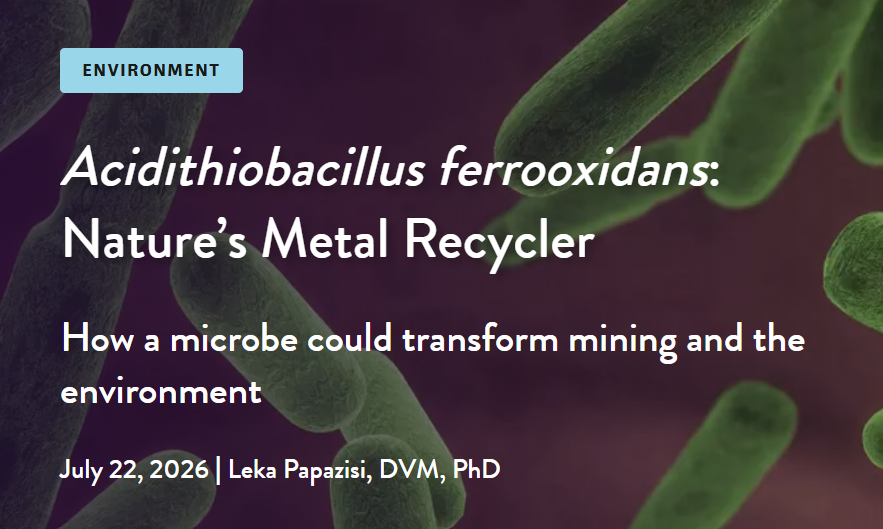
Acidithiobacillus ferrooxidans thrives in extreme environments and plays a key role in biomining—using biology instead of harsh chemicals to extract metals from ores and waste streams. Read our latest blog to learn more: https://t.co/4idSkh5egt
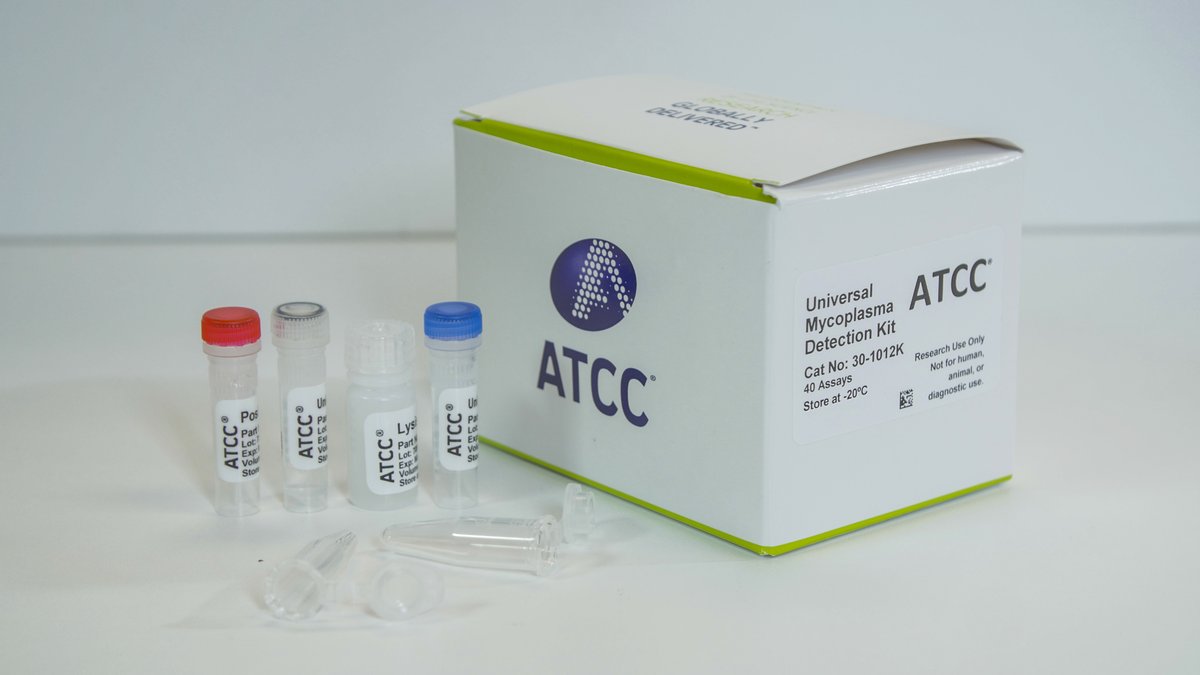
Don’t miss out on last-minute savings! Get 30% off the ATCC Universal Mycoplasma Detection Kit before this offer ends on July 31.
Get more details on the promotion: https://t.co/fpVBRXOf5Q
Organoids and other advanced in vitro models are expanding what's possible in research and drug discovery. But without reproducibility, their full potential remains out of reach.
Carolina Lucchesi, explores why standardized biological resources matter: https://t.co/TXOk5TYXnF
Trusted biological resources are the foundation of reproducible science and AI-driven discovery. Join ATCC at the @USCultureNetwork 2026 Conference as our experts discuss the future of culture collections and research innovation.
https://t.co/964m6lSmiO
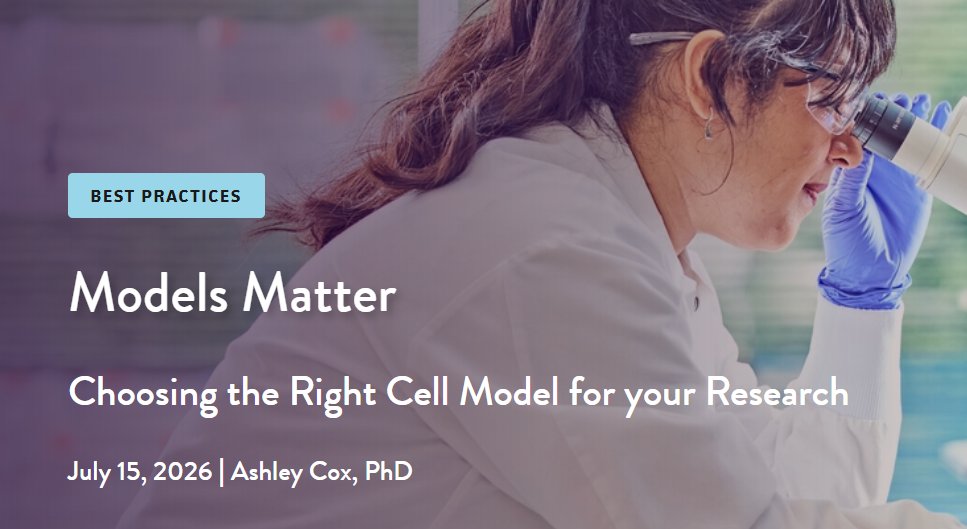
Learn about the most widely used cell model types, their advantages and limitations, and how to choose the best fit for your research goals in our latest blog post:
https://t.co/w6P0GuHilX
Dr. Randall Kincaid highlights how ATCC played an important role in responding to the Zika crisis.
Learn more about how our trusted and credible resources have led to incredible results over the years. https://t.co/7qW05FIsNf
In 1925, science looked very different—limited resources, evolving standards, and fewer ways to ensure reproducible research.
ATCC was founded as a non-profit organization to help change that.
Discover what’s next for ATCC: https://t.co/OrxhMFxUav
Join us at ADLM 2026 to explore how quantitative synthetic influenza analytical reference materials can help advance diagnostic testing and surveillance. Visit our poster to see how these safe, reliable controls support assay development, validation, and performance evaluation.
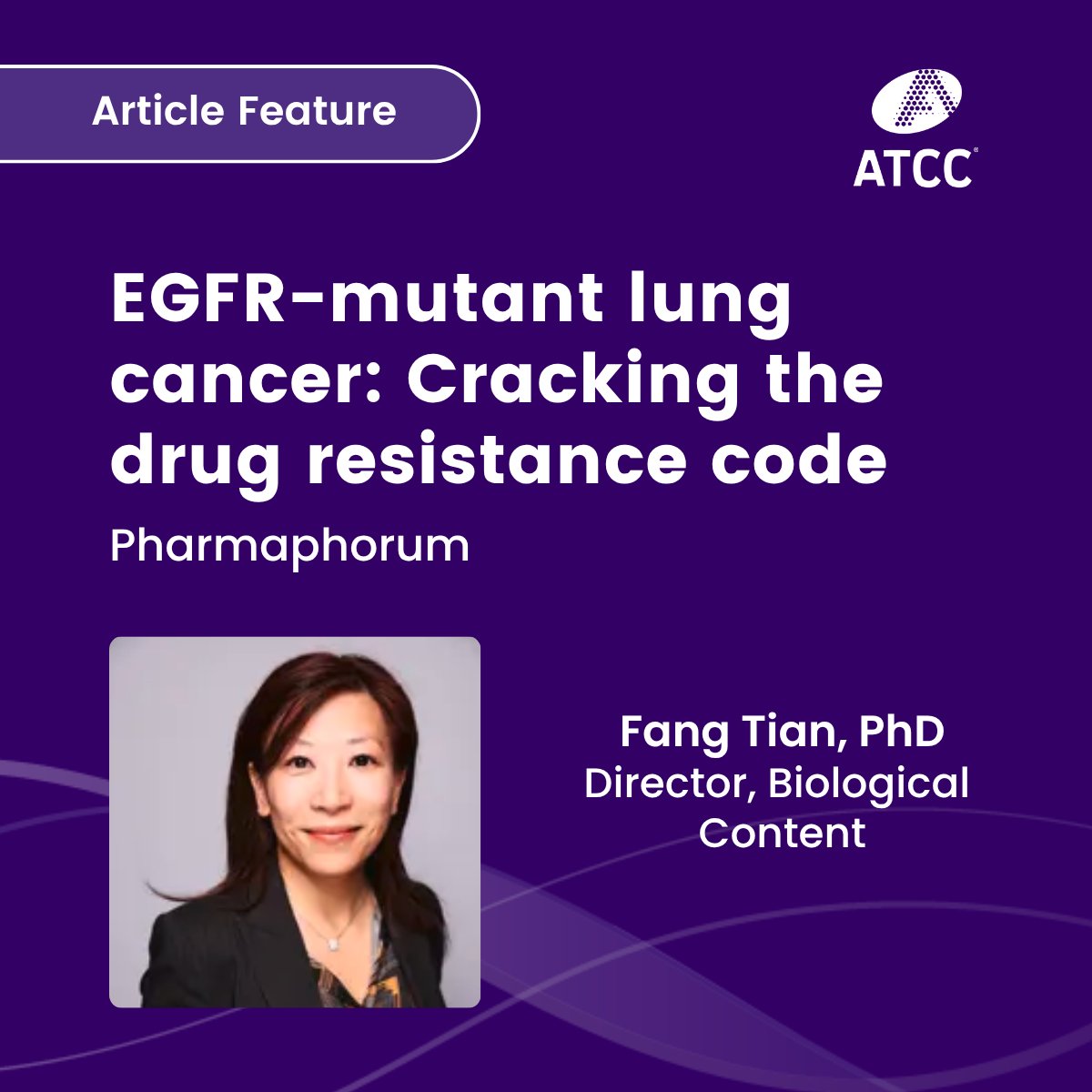
Resistance to targeted therapy is nearly inevitable for patients with EGFR-mutant lung cancer. Dr. Fang Tian breaks down how ATCC's collaboration with the Broad Institute of MIT and Harvard will help researchers change that reality, via @pharmaphorum. https://t.co/OwrbDHDDuJ
Dr. Jesse Boehm discusses the risk analysis calculation and shares why sharing your research more freely advances science and your career.
Hear the full conversation on Behind the Biology: https://t.co/SBojRrTrHw
Whether you're new to organoid culture or looking to refine your techniques, the ATCC Organoid Culture Guide serves as a valuable educational resource.
Explore the guide: https://t.co/7xMhgzPIJC
AMR is one of the greatest threats to global health, making infections harder to treat.
Reliable, well-characterized drug-resistant strains are critical for advancing research and developing new therapies.
🔬 Explore ATCC’s authenticated collection:
https://t.co/JfMmsk07NP
Working with Aspergillus? Consistent growth conditions are key to reproducible results. Explore practical tips for media selection, cultivation, and laboratory success in our latest blog: https://t.co/8QO2FKGebx
Since our first patent deposit in 1949, we have grown to become the largest international depository authority in the world. Linda Johnson, MPA talks more about our patent depository history and the 43,000 strains of biological materials collected
https://t.co/Yfz5b5cgYC
CHO, HeLa or HEK293? ATCC’s Dr. Fang Tian breaks down what sets these three workhorse cell lines apart for drug discovery and biologics development, via @MyBiotechniques
Read the full comparison: https://t.co/8DQTzpV3F9
#CellBiology#DrugDiscovery#Biomanufacturing
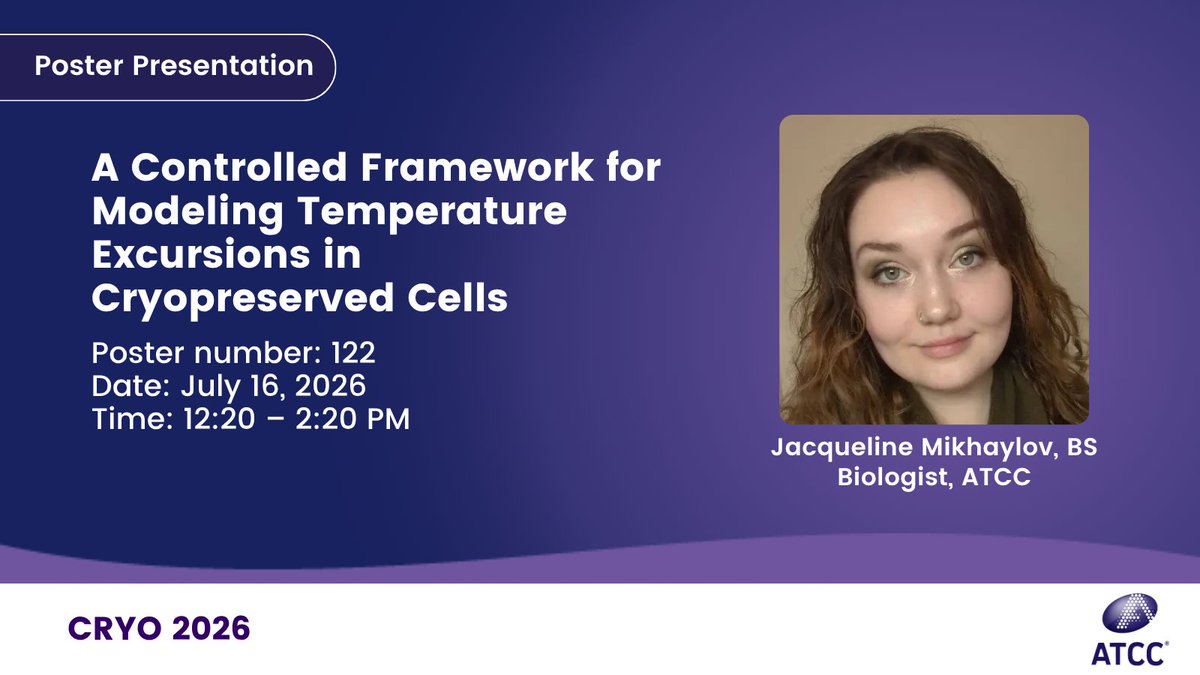
Heading to CRYO 2026? Check out our poster to learn about our controlled temperature excursion model for evaluating the impact of cold-chain disruptions on cryopreserved cells.
Didn’t get a chance to visit our poster presentations at ASM Microbe? You can still explore our latest research and insights here: https://t.co/WqYZivpMPq
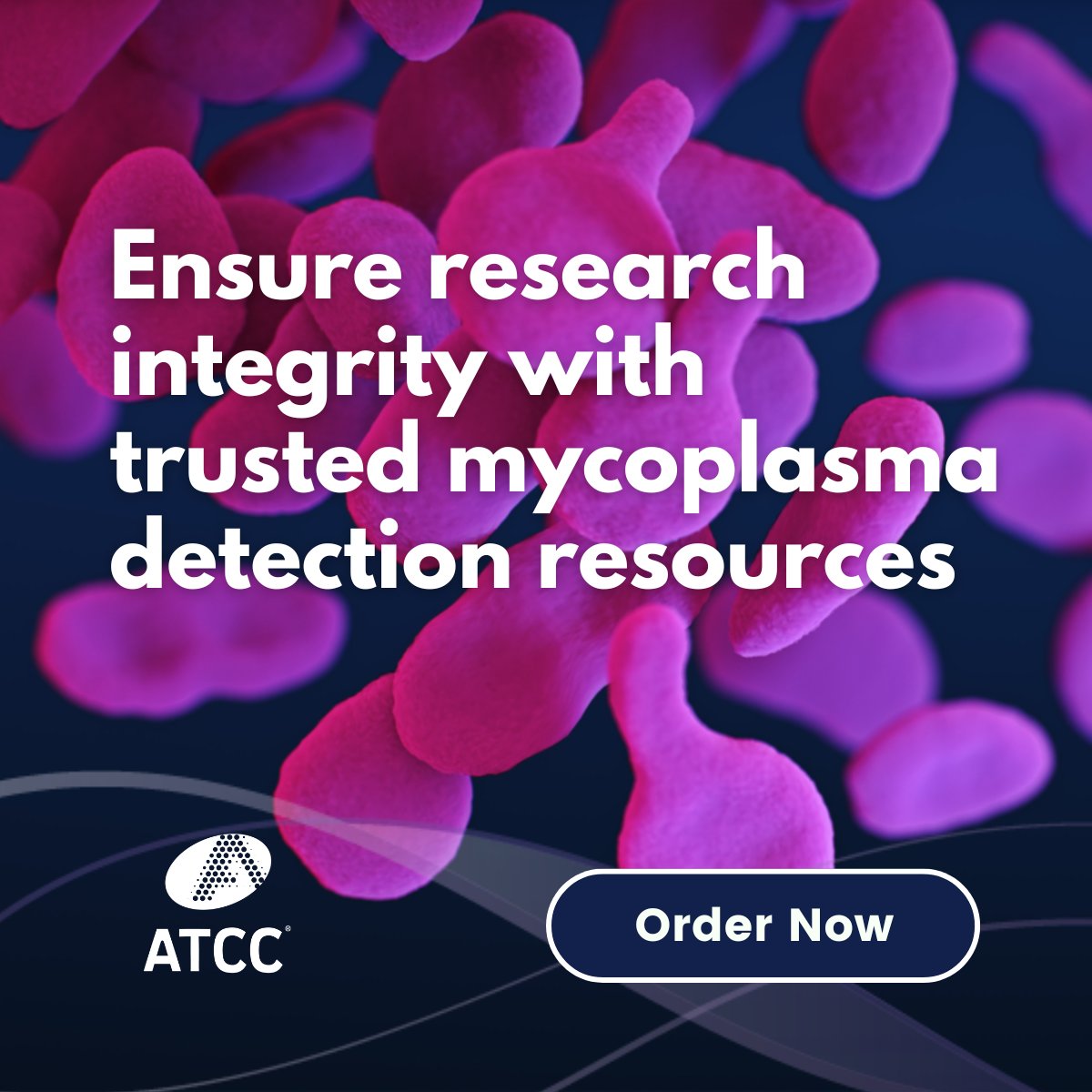
Protect your cell cultures from the silent threat of mycoplasma contamination with ATCC's comprehensive mycoplasma portfolio.
Discover how ATCC can safeguard your research: https://t.co/1DmUxEiaww