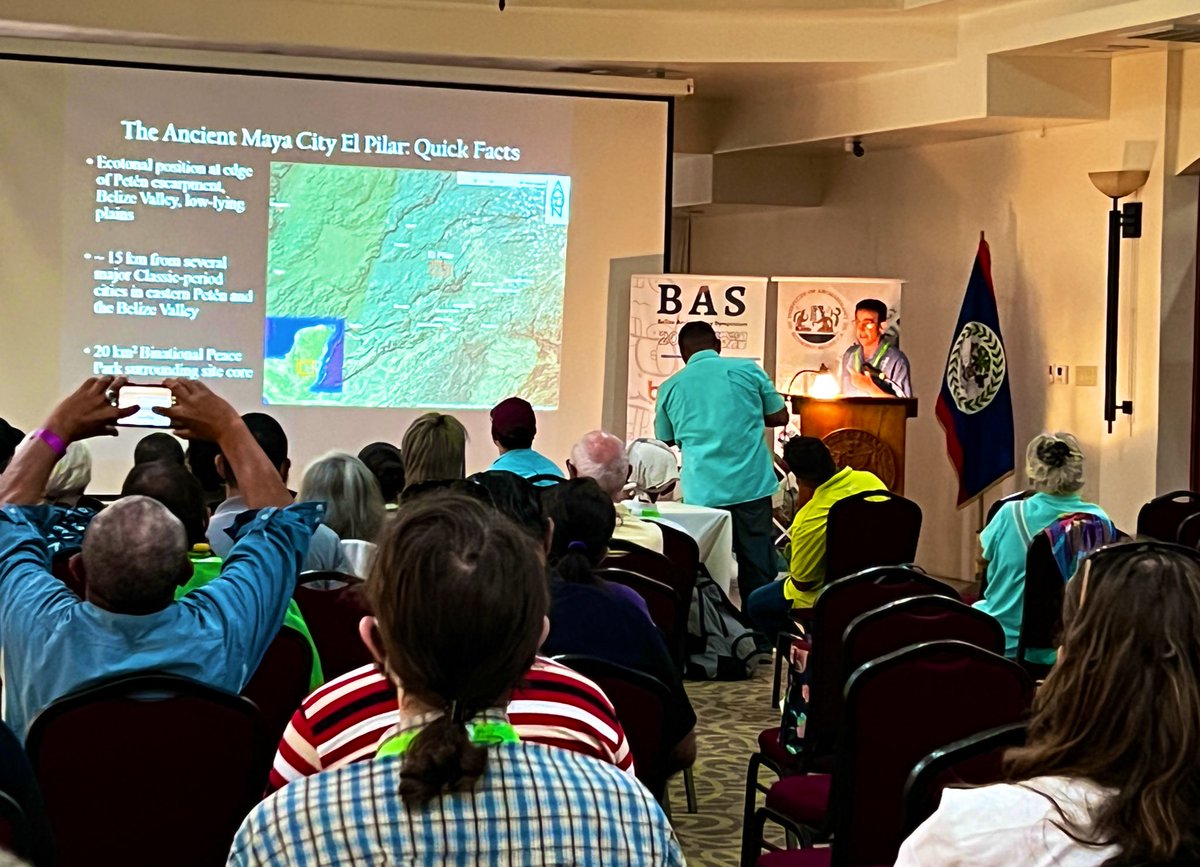
@EP_sherm3 kicked off #research presentations this morning at the 18th annual Belize Archaeology Symposium discussing the Preclassic constructions at El Pilar in western #Belize#archaeology@OfficialElPilar@IA_NICH
In this poster submitted to the SAA 86th Annual Meeting, several members of our team present their research exploring how effective several data layers may be at predicting the presence of seasonally inundated areas within El Pilar.
In this poster submitted to the SAA 86th Annual Meeting, several members of our team present the findings of our 2019 survey of El Pilar in addition to the preliminary results of analysis exploring the clustering of landscape modifications and their proximity to major centers.
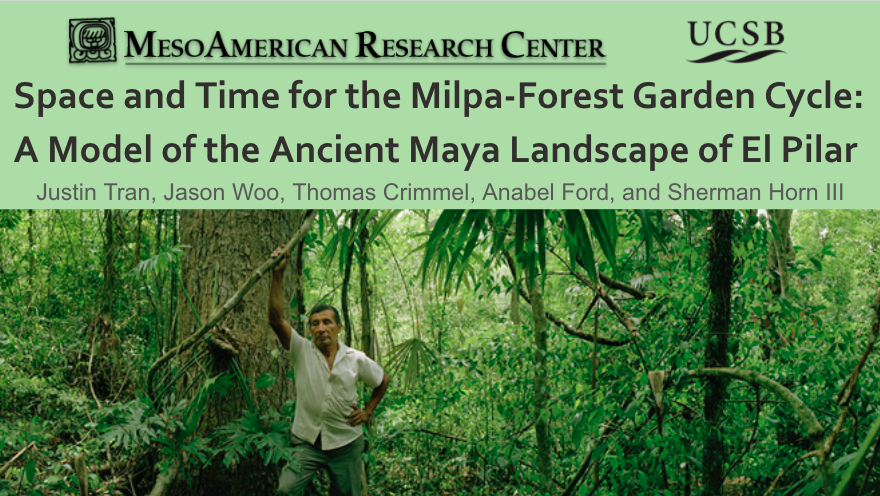
Tomorrow at 10am PDT, Justin Tran will presenting Space and Time for the Milpa-Forest Garden Cycle.. at the SAA session: Landscapes: Archaeological, Historic, and Ethnographic Perspectives from the New World. If you are attending the event, join us here!
https://t.co/rzTKN0ydoF
This paper developed from Anabel Ford's work with the Republic of Plants symposium. The format is excellent for presenting research to the public, and we are very pleased for the opportunity to do so. Enjoy the piece and let us know your thoughts!
New from the El Pilar team: an online, interactive article @SocHistTech discussing the environmental legacy of the #Maya, Indigenous land management/food production systems, and #Archaeology Under the Canopy. https://t.co/li13GeGxSA
Our interpretations vary, but one thing seems abundantly clear: the Maya successfully adapted to changing environments for million, and they have much to teach us about our own challenges with climate change today.
#Archaeology31 Day31 'change'
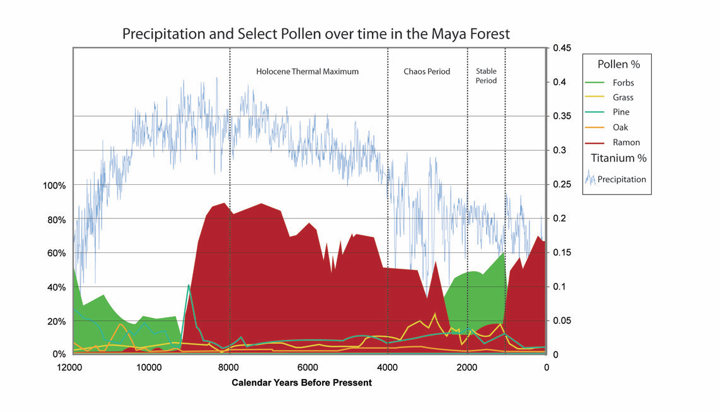
🧵Changes in pollen frequencies and rainfall proxies are commonly used to reconstruct ancient environmental change. You can see both in this graph of the paleoenvironmental records for the lowland Maya Forest.
#Archaeology31 Day31
Is ramon's return to dominance after the Classic period evidence the forest returned after the Maya states collapsed? Or was this just a resurgence of ramon? The taxa loves to grow on limestone, and the abandonment of city centers exposed a lot of limestone real estate.
Protest takes many forms, some of which are difficult to see archaeologically. But if we understand histories of oppression and domination, we may find clues in places we would not expect.
#Archaeology31 Day30 'protest'
🧵We often think of protest against authority as flagrant acts of defiance, but they can also be subtle. Quiet acts of resistance can be highly effective and are less likely to draw a heavy-handed response. The Maya mastered this form of protest.
#Archaeology31 Day30
In one instance, when Maya leaders were taken to court for disobeying rules against accumulating funds for community projects, the defendants said something to the effect of "You know how stupid we are!" How could the judge respond to that defense? They were let off.