The RPDA was founded to ensure safe and responsible use of portals, and to monitor and regulate portal activity. Our mission is to protect the world from the dangers that exist beyond, and to explore and study the multiverse to better understand the universe and its workings.
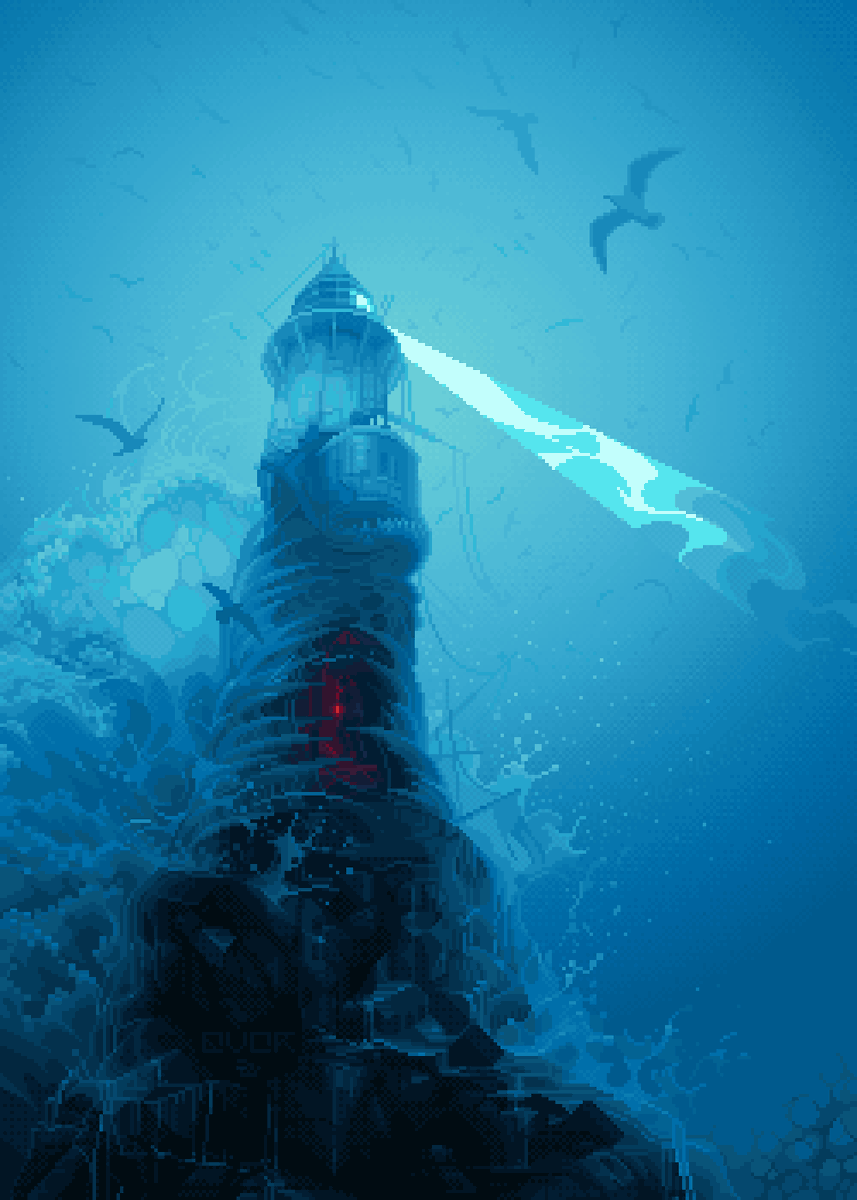
As they returned home from Chicken Rock Lighthouse, we were surprised to see the team looking so happy to be leaving 😉
Chicken Rock Lighthouse was established in 1875 by David & Thomas Stevenson. It is located on Chicken Rock, Isle of Man
#NCW2024#engineers#maritimejobs
On April 8, 2024, a total solar eclipse will be visible across the Americas.
During a total eclipse, the moon appears almost exactly the same size as the sun and blocks the entire disk for a few minutes — known as totality.
Abandonded Viking Tunnel, in Höfn, Iceland :
Ruins of a Viking Settlement-Age farm, Stöng, found in bjórsárdalur valley. Around 863 AD, when Viking ships, many from Norway, began making short Icelandic stopovers. Some of the Vikings settled in in the valley, unaware that they were in the proximity of the notorious volcano Hekla; Queen of lcelandic volcanoes. In 871 AD, a large volcanic eruption dusted most of Iceland in a thin layer of volcanic debris, today called Landnám Tephra (mixture of fragmented, volcanic products, like ash and cinder.) Tephra layer helps to date Icelandic settlements around the island, for no indications of Viking life have ever been found beneath this layer, except for one grain of barley pollen near Reyjavík.
Icelandic Age of Settlement dates from 874-930 AD, a time of great change. In 874 AD, first group of Viking farmers moved permanentlyto Iceland. They came from Norway, and their leader, Ingólfur Arnarson and his wife Hallveig Fróðadóttir, brought along family members, farmhands and seasick sheep and cattle. On reaching the shore, they climbed freezing from the cargo ship, called a knarr, to begin their new lives. From 874-930 AD, Vikings would build many settlements among five volcanoes, including Ingólfur and his family, who settled down in a place he called Reykjavík. Ingólfur chose Reykjavík for his home in an unusual way. Before landing in Iceland, but with land firmly in sight, he tossed his pair of carved, sacred, high-seat pillars overboard vowing to settle wherever they washed ashore. According to legend, after three years of searching he found the pillars at the edge of a bay he named Reykjavík (smoky bay, from Old Norse) for the active hot springs and fumaroles around it. Eventually many other Icelandic sites were given geothermal names, as well.
Mount Hekla, one of the five southernmost coastline volcanoes and still very active, has erupted well over 20 times since 874 AD. During fiery eruption of 1104 AD, huge blankets of tephra destroyed at least 20 farms in southern Iceland. One such farm, named Stöng, has been excavated, rebuilt and opened to public. Farmstead is preserved perfectly, like an Icelandic Pompeii. The sod walls were left nearly intact beneath thick layers of tephra. Inspired by 1104 AD, eruption, monks began spreading tales throughout Europe that Mount Hekla was a gateway to Hell, causing the devastation of some 22 settlement farms in Þjórsárdalur valley.
📷 : Credit to the Owner
#archaeohistories
@VincentVan_bong @AntonesKaragia1@nakaliang_ Hi Trebor☺️🤍
"The Gate Of Light"✨
This photo is the result of 160 consecutive photos that show the rotation of the stars around the Pole Star from inside a dark cave. It was a scary night with bats.🦇💪📸
0.15 ETH
Link👇
https://t.co/bVELXn3ik8