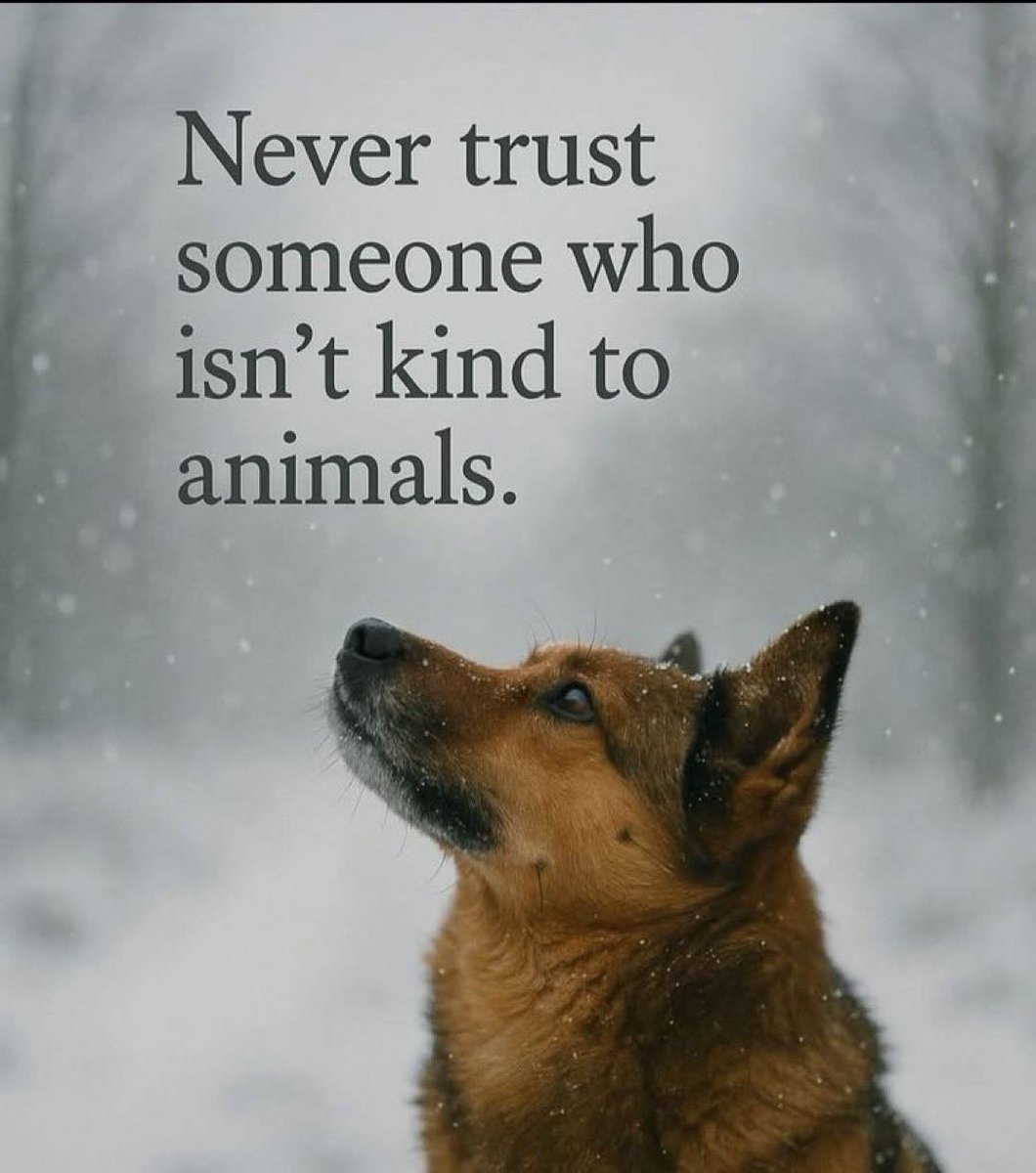
If the 1980s, just before health and safety, dominated everything, Chewit the Dog joined her owner in the roof thatching business, climbing up and down ladders, and expertly fetching tools. I bet she didn't complain about the wages either! ⏳️🐕
These dogs are inside MBR acres in the UK. @TheCampBeagle_ is raising awareness.
We need to do a Ridglen Farms on them and get these dogs out.. It needs to happen. I will happily join, even if it means being arrested, and adopt one after This shouldn’t be happening in the UK
It genuinely feels like we now live in two different countries.
In one Britain, people drag themselves to work, pay eye‑watering taxes, National Insurance, council tax, energy bills, travel costs – and still stare at their bank balance wondering how they’re going to afford new shoes for the kids.
In the other Britain, a growing army are parked on benefits with rising sickness and disability claims, pulling in combined payments that can beat a full‑time wage and then stacking extra perks, from cut‑price bills to leisure and lifestyle discounts, on top.
The same government that says it is “cash‑strapped” and “tough choices” for services somehow finds endless billions for a welfare system its own Prime Minister now calls “unsustainable, indefensible and unfair” – but the only people expected to swallow it are the workers footing the bill.
We pay. They benefit.
That’s the deal. And it is ripping any sense of basic solidarity to shreds.
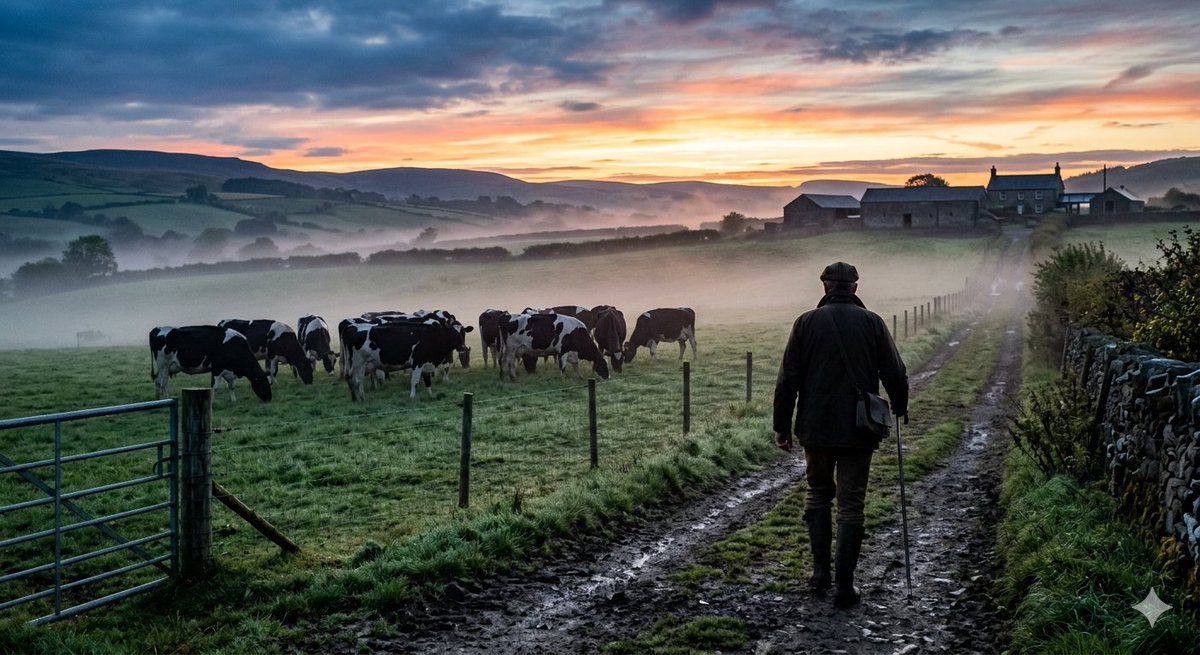
A reasonable audit of what the British farmer is actually doing, measured against what he is currently being accused of.
What he is doing:
- Up at 5am. Earlier in lambing. Finished at 9pm last night. Doesn't consider this notable.
- Producing 60% of the food eaten in the UK.
- On a land area smaller than Oregon.
- Maintaining 400,000 miles of hedgerow.
- Several hundred thousand miles of stone wall.
- The entire drainage infrastructure of the lowlands.
- Every postcard the country has ever printed.
- Sequestering carbon into the soil beneath his livestock at rates that offset a significant fraction of his sector's emissions. Not widely discussed.
- Feeding, clothing and tanning a population that has mostly forgotten where any of this comes from.
- Lambing in March at his own expense.
- Calving in April on no sleep.
- Silage in June on three hours a night.
- Harvest in August.
- Ploughing in October.
- Feeding stock through January in conditions any urban professional would call a humanitarian emergency.
- Watching his son decide whether to take over the farm, knowing what the answer is likely to be.
- Earning less per hour than the barista who served the coffee to the journalist writing the article about him.
What he is not doing:
- Destroying the ozone layer. Hasn't been near it.
- Flying almonds in from California.
- Clearing the Amazon.
- Running a data centre.
- Operating a private jet.
- Producing microplastics.
- Failing to recycle his packaging. He hasn't got any.
- Causing the climate crisis. The climate crisis is two hundred years of industrial activity he wasn't around for.
- Lobbying Parliament. Can't afford it. He's in a field.
- Complaining about any of this. He hasn't got the time.
The audit concludes.
The defendant is out feeding the cattle.
He'll be back for supper if the tractor holds up.
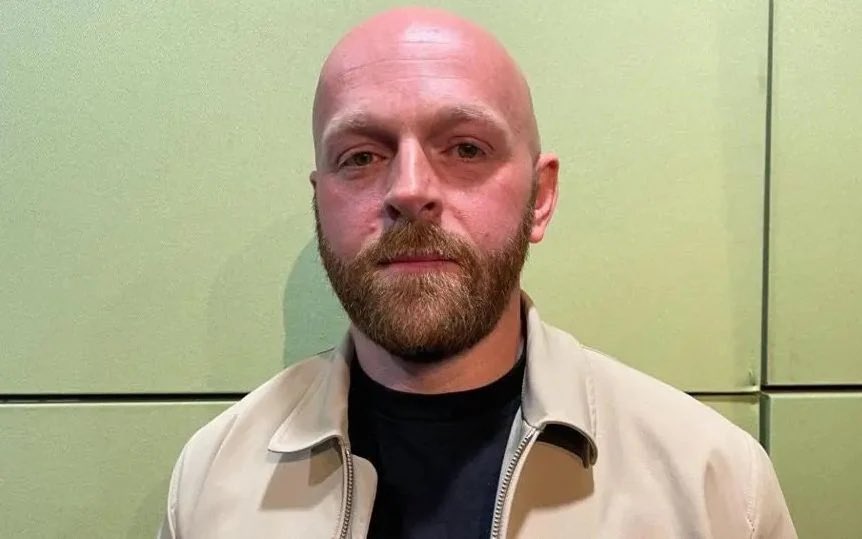
This is Sean Egan. He joined Morrisons at the age of 17.
After 29 years of dedication at supermarket chain, he was dismissed for confronting a shoplifter, which led to a scuffle with thief who spat at him.
A shameful decision by @Morrisons.
He should be thanked, not sacked.
Morocco:
More than 3 million stray dogs are at risk of being killed. 10,000 dogs a week are being brutally killed in Morocco in an effort to “clean up” its streets in preparation for the 2030 World Cup. Absolutely barbaric.
Can someone please explain, in very simple language, how growing almonds in a Californian desert, draining the local aquifer until the ground subsides, spraying the entire crop with fungicides because almonds can't survive without them, killing off the commercial bee population in the process, then refrigerating the harvest and shipping it six thousand miles to Britain is environmentally friendly,
but buying a piece of beef from a farmer twelve miles down the road, whose cattle eat the grass that grows in the rain that falls on the hills that have been there since before anyone had opinions about this,
is a planetary emergency?
Asking for the cow.
Drive-home thought…
Yes, Britain has become poorer.
Years of foolish decisions and short-sighted governments will do that to a country.
But the decline you see everywhere now isn’t just economic.
It’s something far more embarrassing.
We’ve lost our pride.
There was a time when people had less — smaller homes, older cars, wages that barely stretched to the end of the week — yet they still cared about their street, their town and the place they lived.
People swept their front step.
They cut the grass outside the gate.
And they didn’t throw rubbish out of the car window like a toddler emptying a toy box.
Now look around.
Fast-food boxes in hedges.
Energy drink cans rolling down the gutter.
Plastic bags tangled in trees like pathetic little flags of surrender.
If you want the clearest example, just take a look at motorway exit roads.
Come off any motorway in Britain and the verges look like someone’s opened the car window and emptied a bin bag at 70mph.
Coffee cups.
Burger cartons.
Plastic bottles.
Lottery tickets.
Entire takeaway meals apparently jettisoned mid-journey.
And every single one of those bits of rubbish came from someone sitting in a perfectly good car who simply couldn’t be bothered to take it home.
It’s not poverty.
It’s laziness and a complete lack of self-respect.
Previous generations didn’t need recycling apps, environmental campaigns, or a bin collection calendar that looks like the invasion plan for Normandy.
They just understood one simple rule:
Don’t live like a scruffy bastard.
Take your rubbish home.
Put it in a bin.
Show a bit of pride in where you live.
Because governments might make a country poorer…
…but only its people can turn it into a tip.
Dear Prime Minister & Home Secretary,
I hope this letter finds you well, fully caffeinated, and in possession of a calculator.
I’m writing with what I believe is a modest, fiscally responsible proposal. I understand the Government is offering up to £40,000 to certain individuals to voluntarily leave the United Kingdom. First of all — bold strategy. Nothing says “strong borders” quite like a cashback scheme.
Now, I regret to inform you that I am, in fact, a fully tax-paying, law-abiding British citizen. I know — awkward. I appreciate this may disqualify me from the premium exit package, but I’m willing to negotiate.
I would like to formally apply for £35,000 to leave.
You see, unlike some applicants, I haven’t broken any laws to get here. I didn’t arrive by dinghy. I didn’t require processing, housing, or legal appeals. I’ve actually been funding the whole operation through PAYE for years — which I believe makes me a loyal shareholder in this enterprise.
Given that you’re prepared to offer £40,000 for someone to depart voluntarily after entering illegally, I feel £35,000 for someone who’s been here legally all along represents excellent value for money. Think of it as a “Buy British, Get One Gone” discount.
For £35,000 I will:
• Leave quietly.
• Not require a press conference.
• Not demand a diversity officer to wave me off.
• Even carry my own suitcase to the airport.
I may also tweet a polite thank-you note on departure, praising the efficiency of the scheme.
Frankly, it feels like I’ve misunderstood how incentives work in modern Britain. All these years I thought obeying the law, paying taxes, and contributing to society were the winning strategy. Turns out the real pro-move is to arrive unlawfully and wait for a loyalty bonus.
Who knew?
While British families are juggling rent, energy bills, and the weekly food shop like contestants on a dystopian game show, it’s reassuring to know the Treasury has located a spare £40,000 per head for voluntary goodbyes.
May I ask — is there a points card? Ten years of National Insurance contributions and I get a free exit bonus? If so, I believe I’m overdue.
In the spirit of fairness and fiscal responsibility, I am not even asking for the full £40,000. I’m trimming £5,000 off to help balance the books. That’s the kind of responsible budgeting I was raised on.
If successful, I promise to:
• Leave via a scheduled flight (economy is fine).
• Not stage a protest on the runway.
• And refrain from re-entering on a small boat to see if I qualify twice.
All I ask is equal treatment. If departure is now a funded career pathway, I would very much like to submit my CV.
Yours in hopeful relocation,
A slightly confused taxpayer
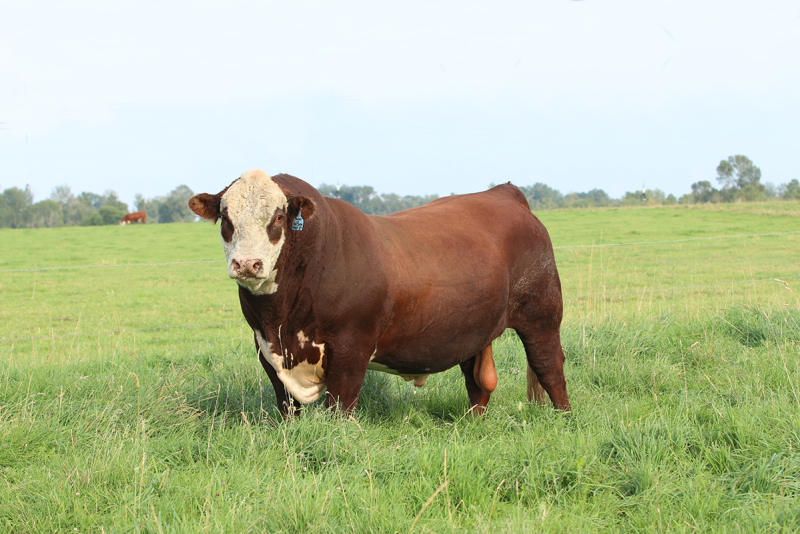
Let's check in on Gerald the Planet Killer.
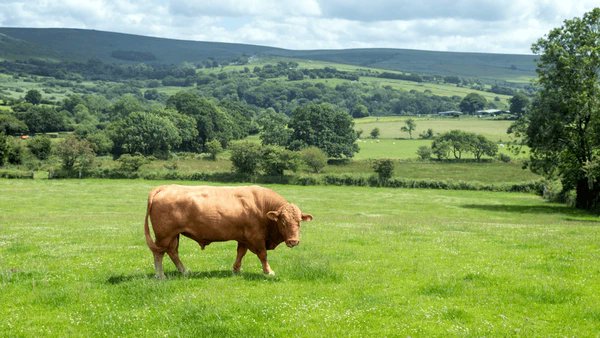
Gerald is a four-year-old Hereford cross in a field near Ledbury. He weighs about 600 kilograms. He has been busy this morning.
6:14am - Woke up. Began destroying the planet by eating grass.
7:02am - Continued environmental catastrophe by walking slowly toward the water trough.
8:45am - Committed a war crime against the atmosphere by exhaling.
9:30am - Did a pat. In a field. Where it will become part of a complex nutrient cycle that has been running successfully since before humans existed.
11:00am - Grazed a section of meadow, inadvertently aerating the soil with his hooves, spreading seeds in his dung, creating habitat for dung beetles, and sequestering carbon through the root systems his grazing stimulates.
Noon - Had a lie down.
The scientists monitoring Gerald's methane output have calculated that this methane, derived from grass pulled from British soil, is part of a carbon cycle that has been net neutral for ten thousand years of continuous cattle domestication.
They have not been asked to present this finding anywhere.
Gerald is unavailable for comment. He is destroying a particularly threatening patch of ryegrass on the south side of the field.
Someone stop him.