Some news: I've joined @Ola_Capital as a senior advisor!
Ola is a new early-stage fund led by @DrRichardHansen, investing in endurance and outdoor performance companies. Richey is a clinician who also coaches an Olympic development team here in Boulder, and the fund is built around a thesis I've been living for years:
Elite athletes are often the first to adopt what the rest of the world eventually needs; better recovery, earlier diagnostics, and environments engineered for performance and longevity. Ola Capital invests in technologies validated at the highest levels of human performance and helps bring them to everyday consumers, extending not just how long people live, but how well they live.
My role is on the go-to-market side, helping founders with positioning, partnerships, and getting in front of the right people in the endurance world.
If you're building something in endurance, outdoor, or performance health and you're raising now or in the next few months, I'd love to hear about it. DM me or reach me at [email protected].
And if you know a founder who fits, tag them here!
Pulling it the day before listing is not ideal.
I'm guessing the 4x over-subscription of interest orders they touted was less than expected and/or the make-up of those orders didn't have a lot of long-only investors.
Also use of funds going almost entirely toward tax obligations and their second largest shareholder selling their entire stake probably didn't help the signaling either (aka existing investors cashing out accounted for 73% of the offering and funding not going toward company growth)...😬.
I think Oura is a good business, I like the product, but maybe the "market uncertainty" is just the public markets saying they don't want to fund an exit for the early investors.
Update: @AidanReed45 absolutely crushed it yesterday.
Top American and 3rd overall at the historic @bolderboulder 10k. One of his best performances to date against a world class field.
A hard fought, gritty effort in hot conditions (80 degrees at the start) at 5300 feet elevation. To be the top American finisher entering the stadium, hearing the crowd erupt knowing many of those in the stands and along the course are your friends, training partners, and community members that support the sport was such an amazing experience. So proud of him and grateful for what yesterday meant for him!
The sleep sweet spot: 6.4–7.8 hrs of sleep, varying by organ and sex.
Both too little (<6h) and too much (>8h) sleep accelerated biological aging across nine organ systems: brain, liver, pancreas, immune, endocrine, musculoskeletal, pulmonary, adipose, and cardiovascular.
“the potential of sleep optimization to promote healthy ageing, lower disease risk and extend longevity.” @Nature
Linking biological clocks and sleep data
https://t.co/ptcaxy2hCh
Function Health acquiring SuppCo makes a lot of sense. SuppCo spent the last year independently testing products and publishing the results.
Some of the findings were kind of wild. They found products that contained somewhere between 0% and 3% of the active ingredient listed on the label. Creatine gummies with essentially no creatine. NAD+ products with barely detectable NAD+. Meanwhile many of these products had thousands of positive Amazon reviews.
What made SuppCo interesting was that they weren’t trying to sell supplements themselves. Their business was built around verification and transparency. They rated more than 35,000 products, anonymously purchased supplements off the shelf like a normal consumer would, and built a TrustScore system around actual testing data.
Now they’re joining Function, which has been building a broader preventative health platform through acquisitions like Ezra and Getlabs.
One of the longstanding problems in health optimization is that people track biomarkers, wearables, sleep, glucose, recovery, but often have very little idea whether the supplements they’re taking even contain what they claim. If the underlying product quality is unreliable, it compromises everything downstream.
And structurally, the supplement market has operated this way for decades. Under DSHEA, supplements don’t require FDA approval before going to market, which leaves a massive gap between consumer trust and actual verification.
This acquisition is a bet that the next phase of consumer health will be built less on marketing claims and more on measurable validation. @Ola_Capital
https://t.co/rvRhfIHjNE
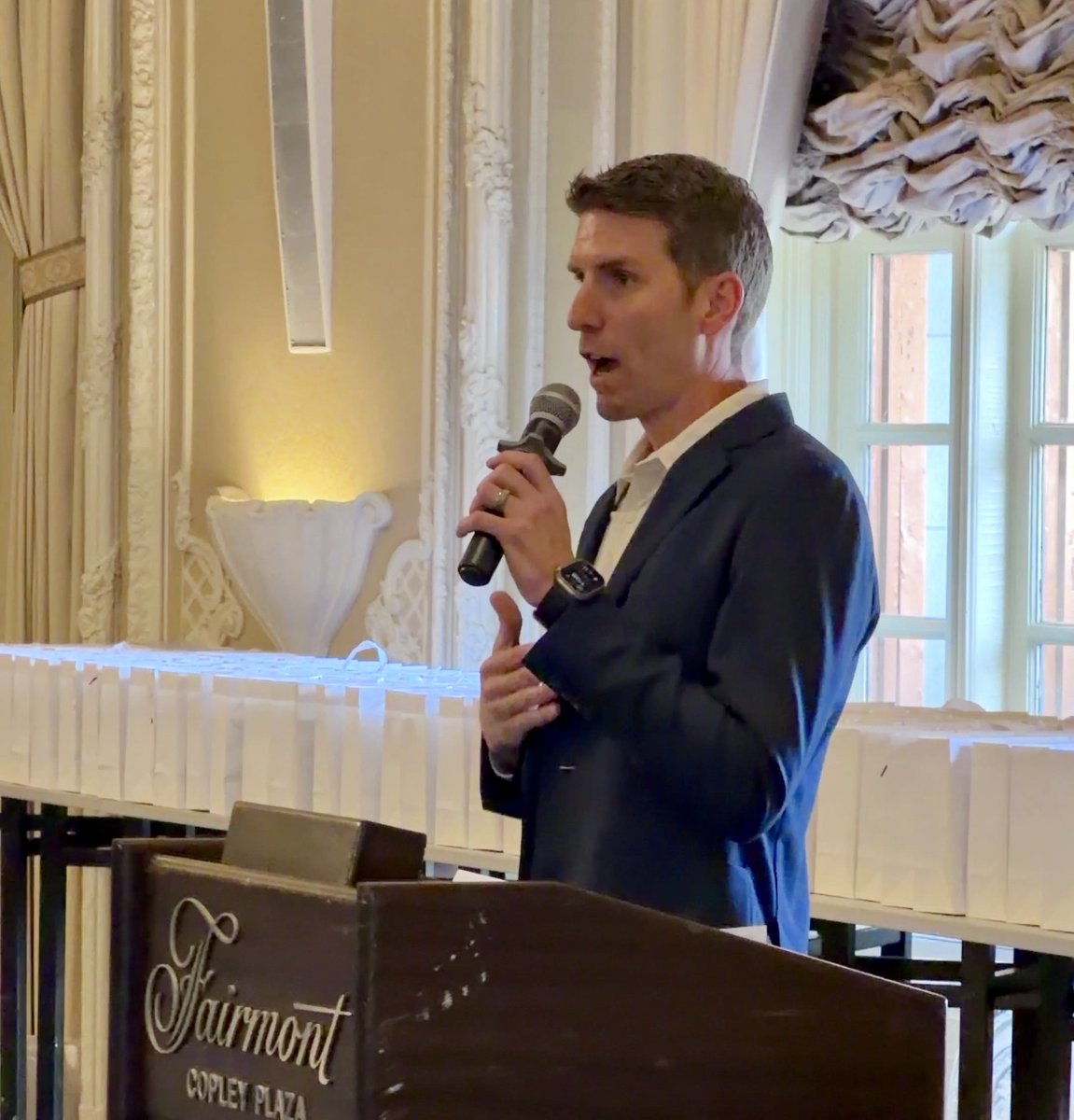
A couple weeks ago, I attended the launch of ERHG (Endurance Runner Hospitality Group) at the @bostonmarathon hosted by @hawisports and @ADMPEvents, alongside @GivenGain, WCPG Marketing, and the Meb Foundation (@runmeb). It was a tremendous success and we maxed out our capacity with a room full of race directors, elite athletes, industry partners and people who care deeply about the professional side of the sport.
I had the chance to present @Ola_Capital as a community partner — sharing how we're backing technologies that help people optimize their healthspan, built on the same principles behind elite human performance.
The evening honored three remarkable people: Coach Ron Mann, the coach behind elite marathoner John Korir's training. Katherine Switzer, the first woman to officially run the Boston Marathon. And John Legere, the former T-Mobile CEO who redefined what a challenger brand in a competitive industry could look like.
Two days later, @hawisports client John Korir won the Boston Marathon in a course record of 2:01:52 — marking back to back Boston Marathon victories. What a way to cap off the weekend.
Grateful to @hawisports and @ADMPEvents for including us in your inaugural event. What you're building for the endurance community is special and I’m thankful to have you involved in what we're building with @Ola_Capital.
Give us a follow, we just joined the X-ecosystem.
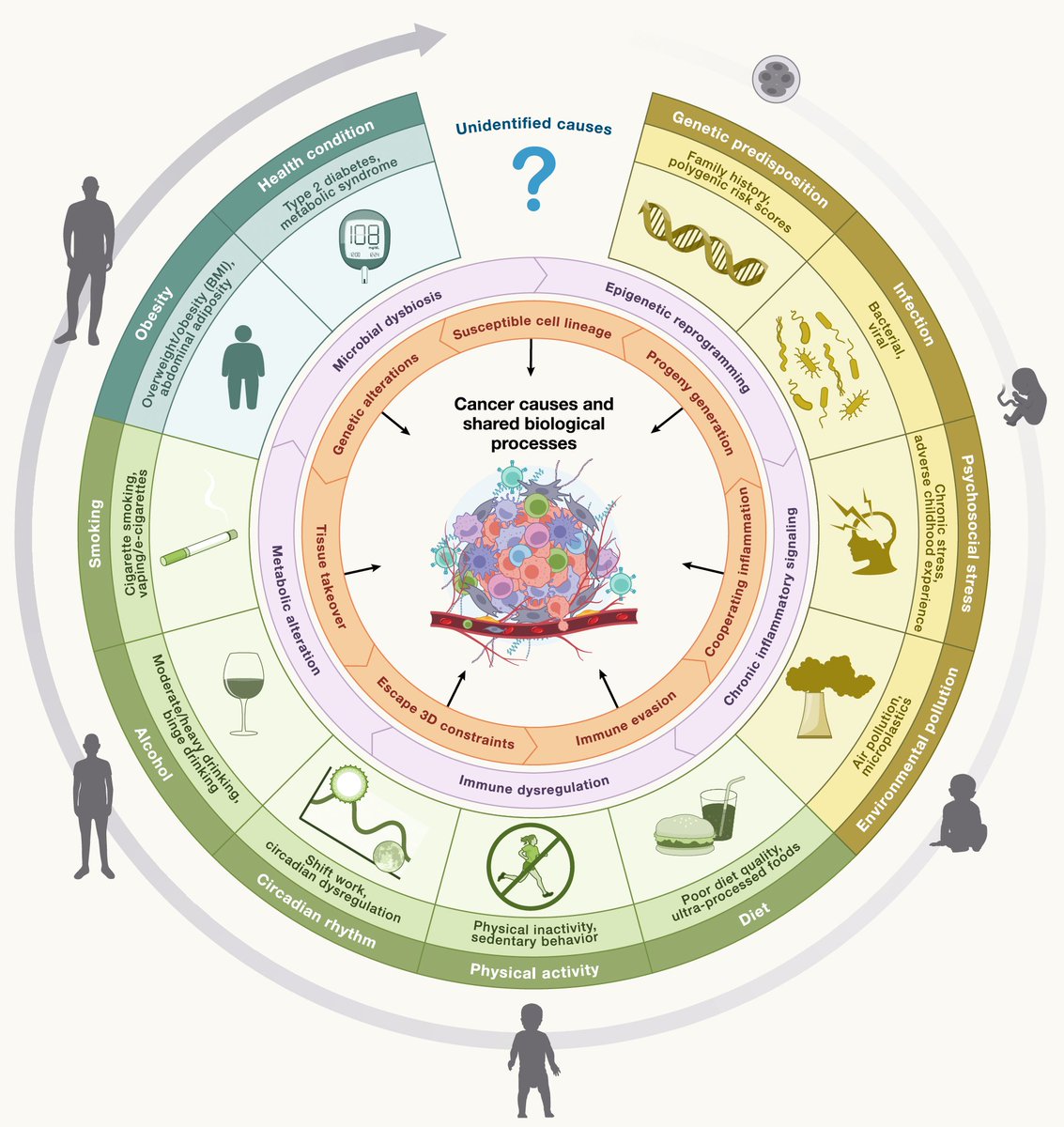
We should be prioritizing prevention of cancer instead of the major focus on detection and treatment. A new @CellCellPress perspective
https://t.co/Gkso3gGPOI
Been diving into the cost of aging. Uplifting stuff (sarcasm).
A interesting set of data points that deserve some attention:
Fidelity 2025: average healthcare spend for a 65-year-old is $172,500 over retirement. Up 4% from last year. More than double the estimate from 2002.
Milliman 2025: a healthy 65-year-old man needs $185K in savings today just to cover projected lifetime healthcare costs. Women need $203K.
Retire 5 years early → costs jump 56–90%.
Live 5 years longer than projected → costs rise 41%.
And 1 in 5 Americans has never considered healthcare costs in retirement at all.
A study tracking ~20,000 people from midlife through retirement found that low-fit men averaged 69% more in Medicare costs than high-fit men.
Dementia and cognitive decline are among the largest drivers of late-life costs.
Every health investment made in your 30s, 40s, and 50s that actually moves the biological needle compounds forward. They're a balance sheet for how well you took care of your body in the decades before you got there.
Our investment thesis at @Ola_Capital is about closing the gap between healthspan and lifespan but this really means reducing the physical, cognitive, and financial burden of aging in the process.
"Lifting builds a heart optimized for one heavy effort. Aerobic training builds a heart optimized for sustained output over decades."
Good thread. Two adaptations, two functions. Neither substitutes for the other.
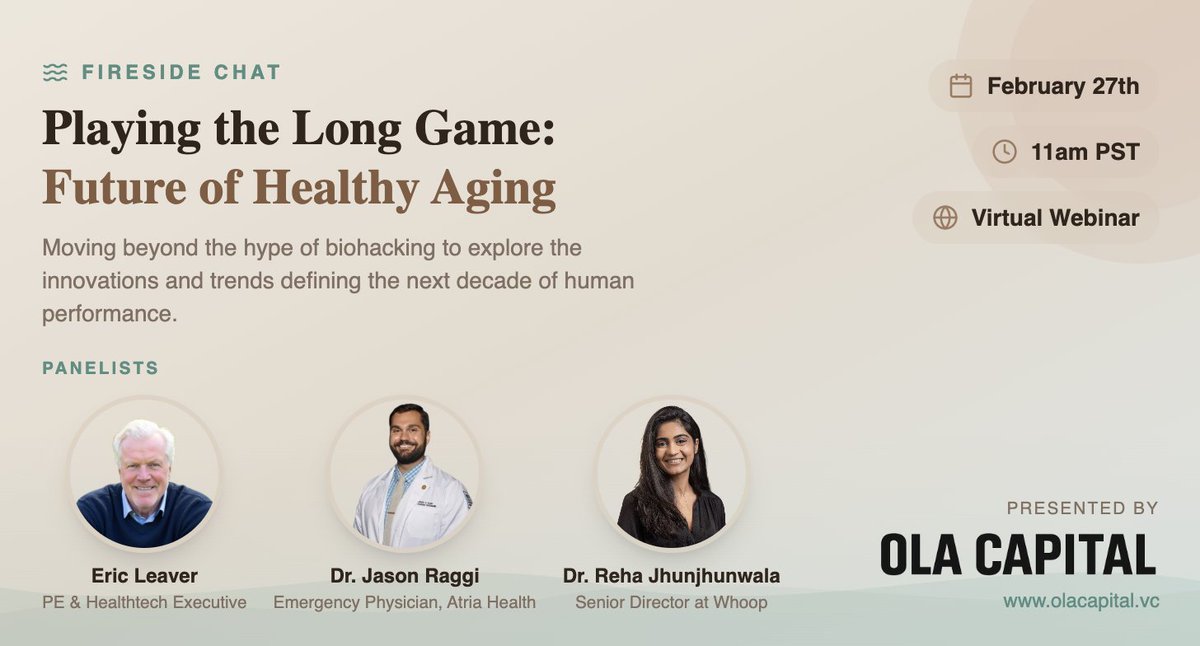
We're thrilled to host three amazing experts in digital health, clinical medicine, and wearable technology to discuss where the innovations and trends in the healthy aging market are heading.
Register to join or receive a recording link: https://t.co/7v7wiC7y0F