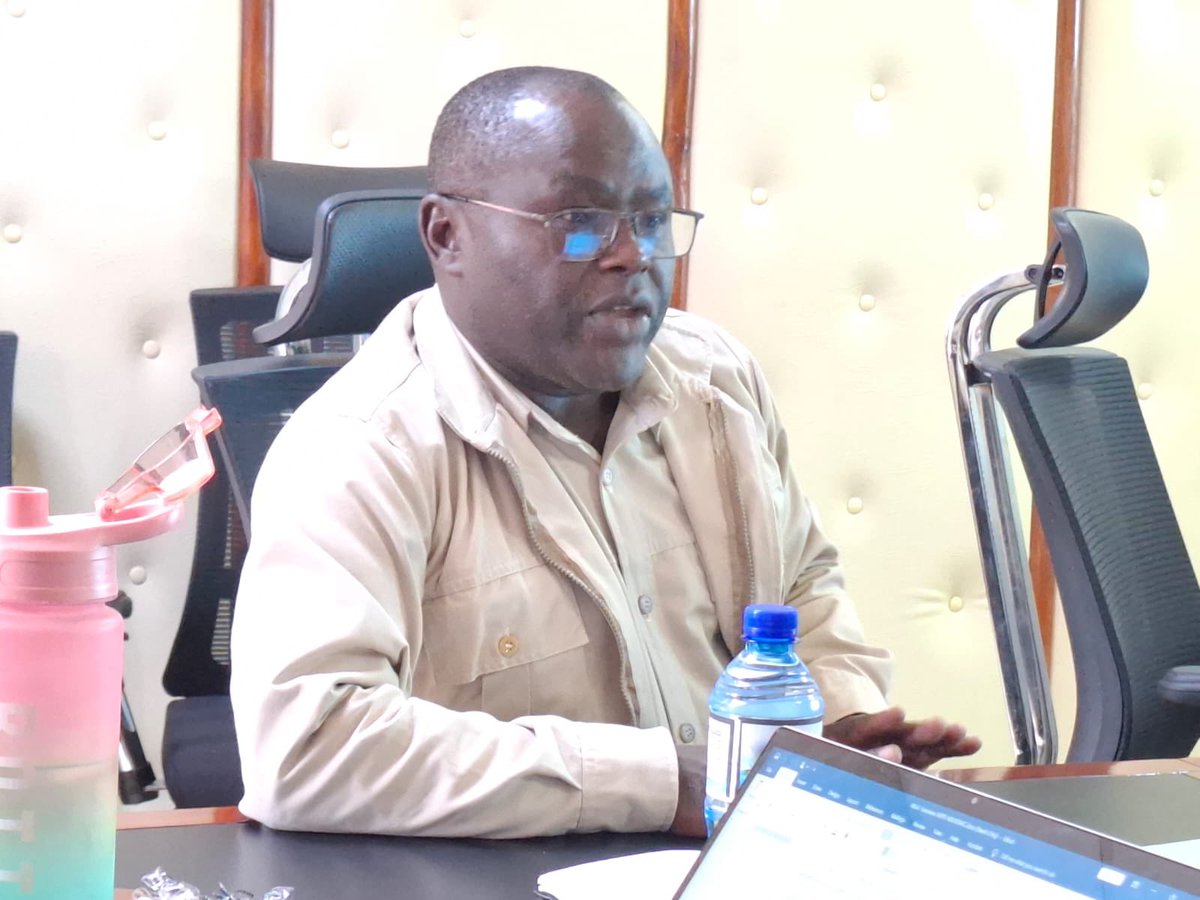
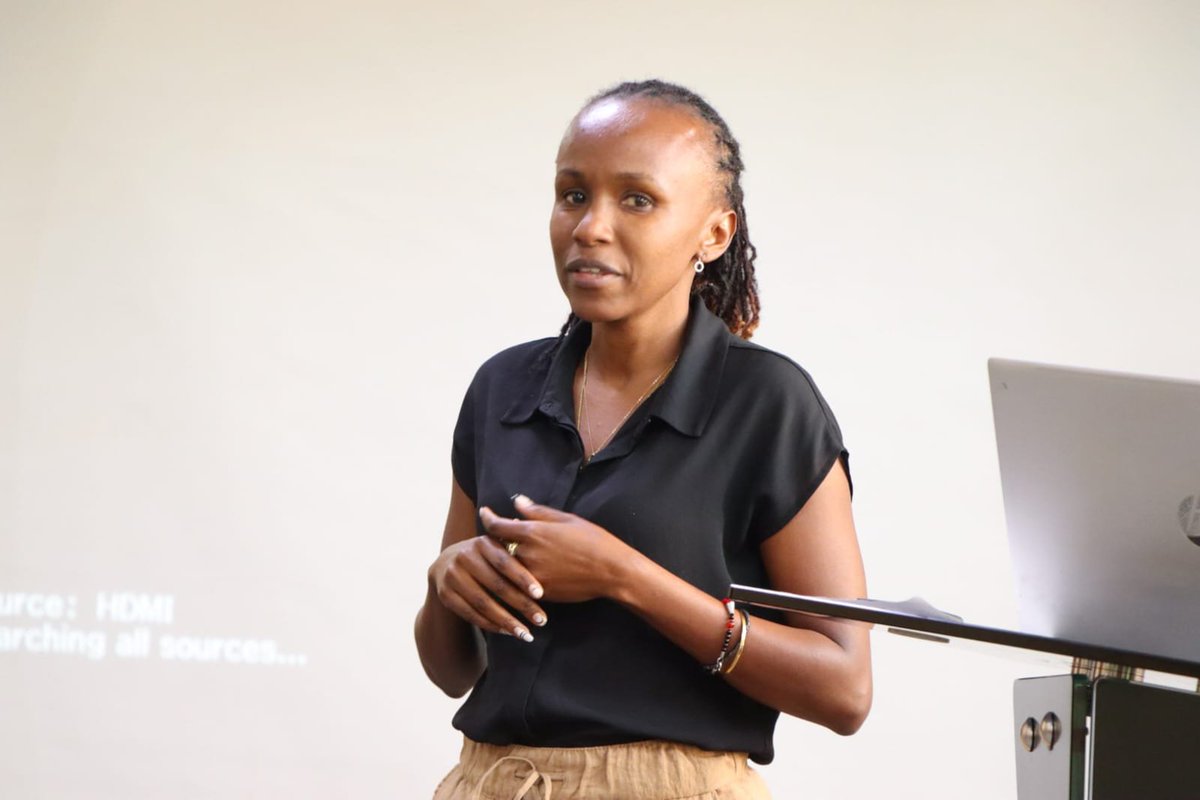
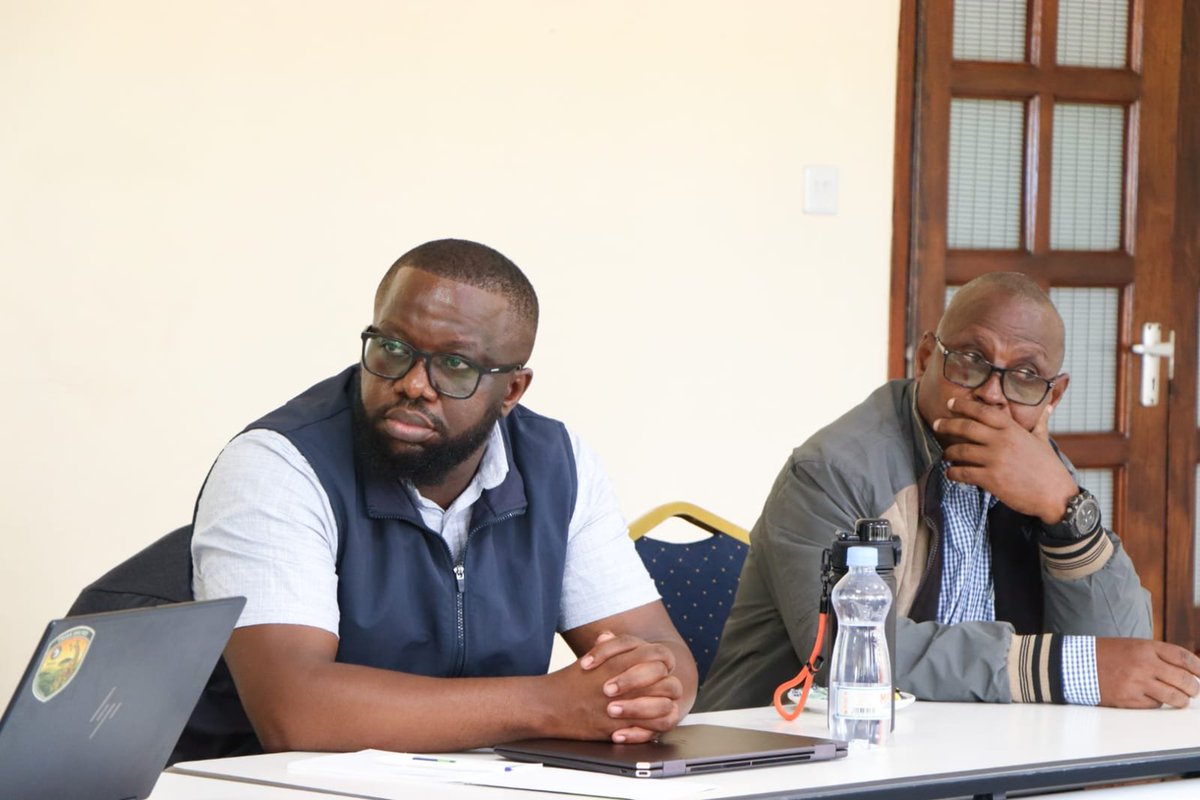
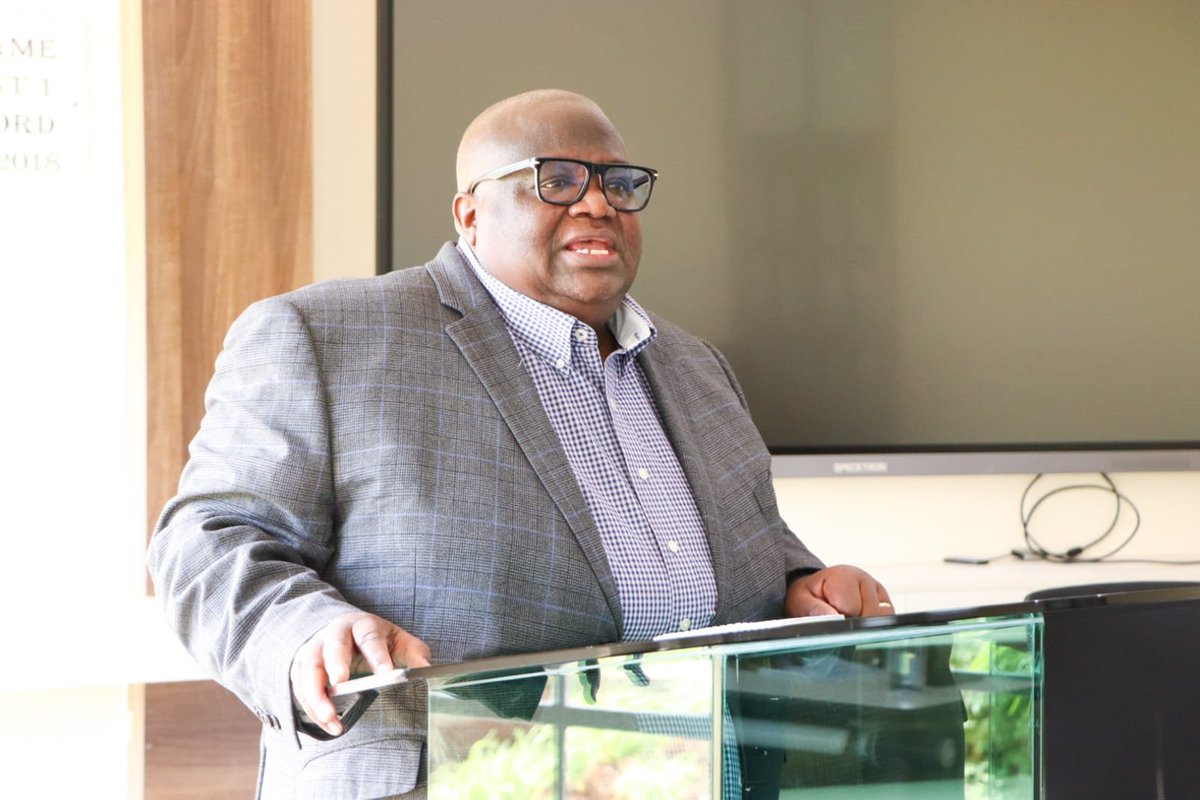
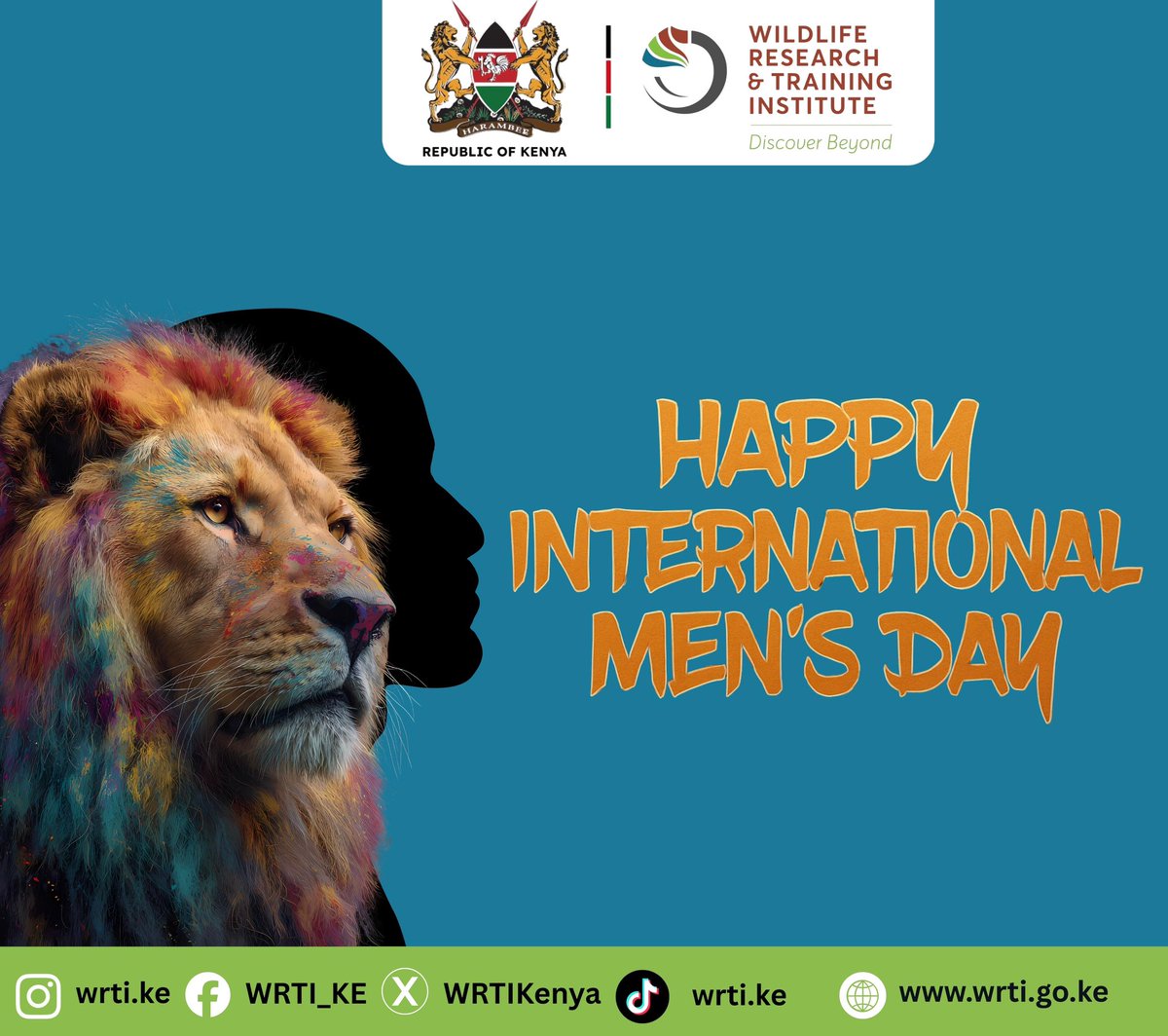
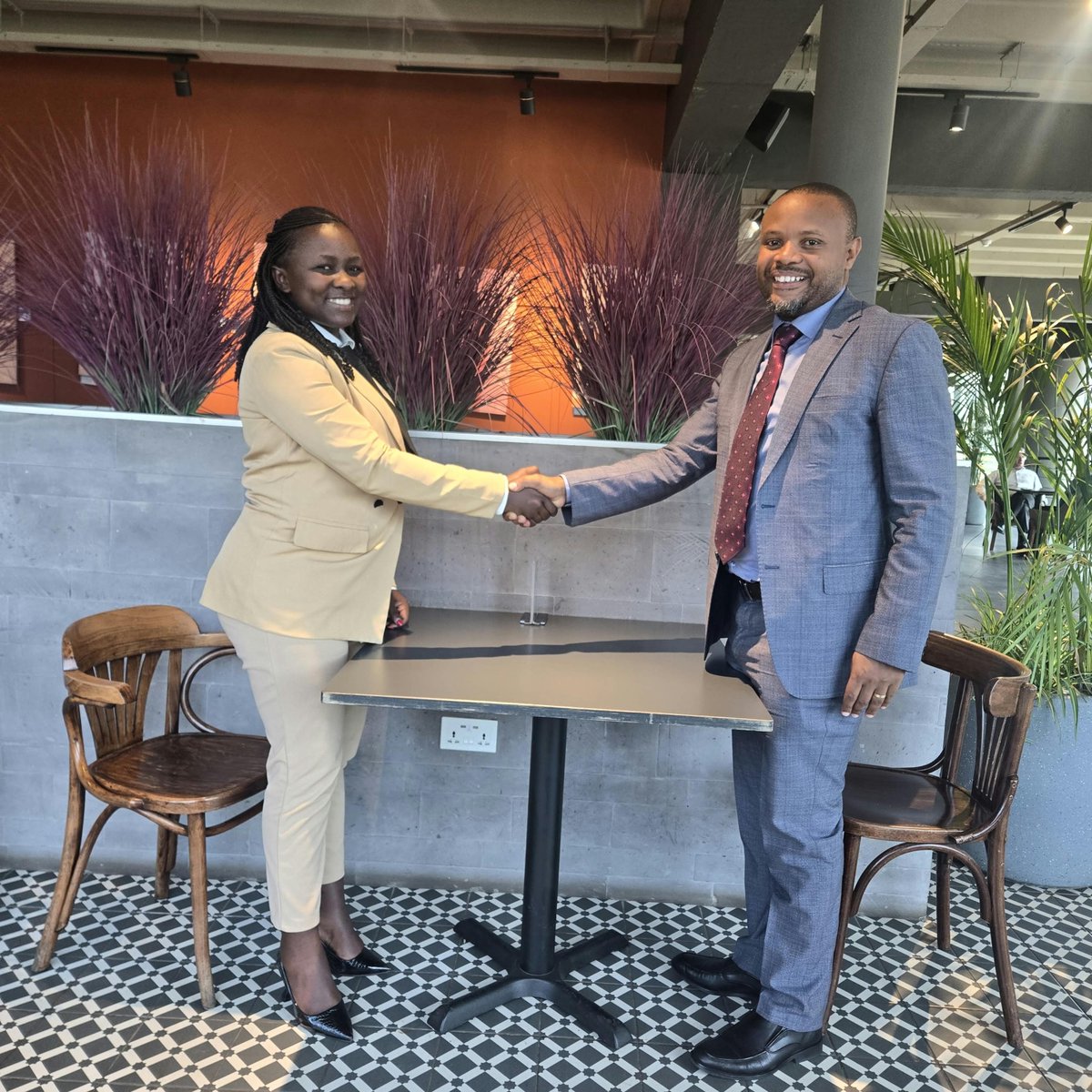
Today, we celebrate the men whose dedication, leadership and resilience continue to make a positive impact in our communities.
Happy International Men’s Day!
#InternationalMensDay2026
Trainees today took conservation beyond the classroom, participating in an environmental clean-up exercise within the Institute’s grounds and along the Nakuru–Nairobi Highway to promote environmental stewardship and collective responsibility.
The exercise was spearheaded by trainees sponsored by the Kenya Wildlife Trust (KWT), bringing together students in a collective effort to keep the environment clean and promote responsible waste management.
Speaking during the exercise, Deputy Director–Training, Dr Roselyn Onyuro, challenged the trainees to translate their conservation knowledge into practical action, noting that environmental protection requires individual commitment, teamwork and active community participation.
She urged the trainees to make environmental stewardship a way of life, emphasising that their responsibility as future wildlife conservation professionals extends beyond the classroom to the communities and environments they serve.
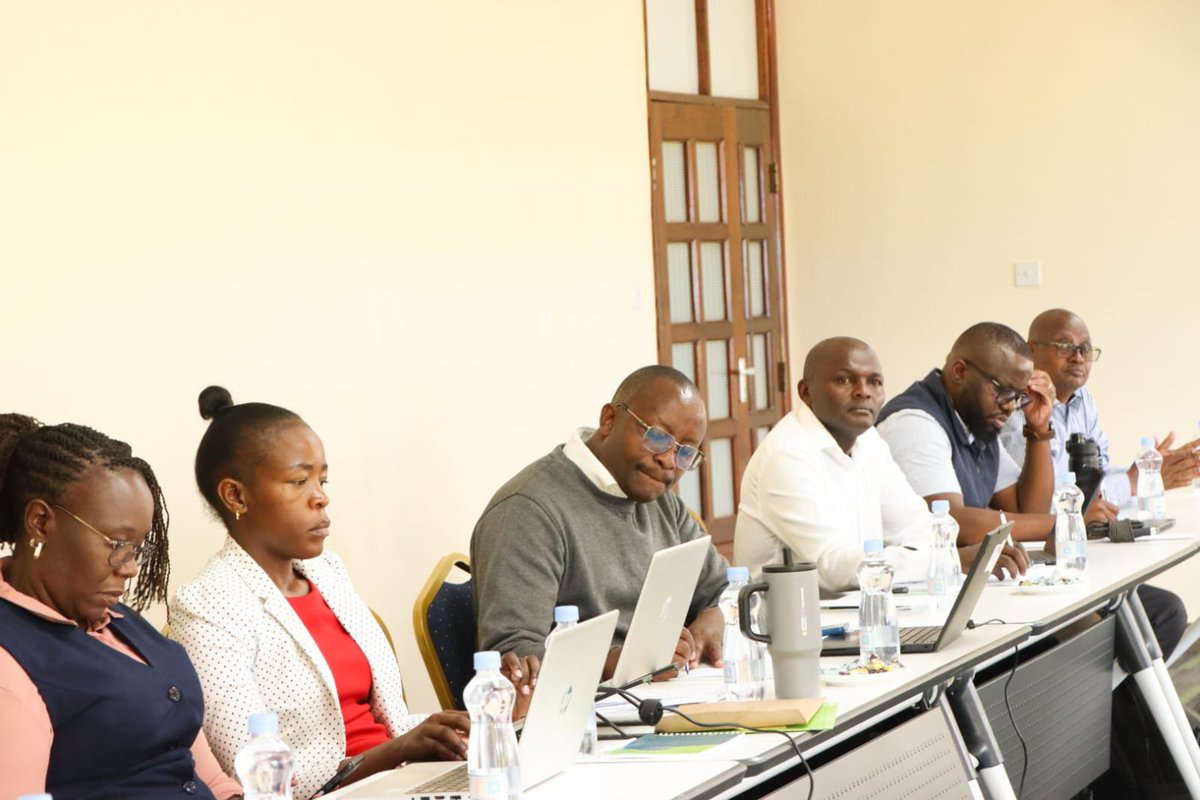
Today, the Institute took part in a stakeholder validation workshop for the development of Kenya’s 8th Edition of the Black Rhino Recovery and Action Plan (2027–2031).
The workshop builds on stakeholder consultations held in Naivasha, which produced the draft Plan.
The validation aims to consolidate stakeholder input and strengthen the proposed interventions to ensure a practical, science-driven framework for black rhino conservation.
Key priority areas include strengthening protection and law enforcement, expanding suitable rhino habitats, enhancing population monitoring and biological management, promoting research and innovation, deepening community engagement, mobilising sustainable financing and improving programme coordination.
The Plan also prioritises three research areas: population recovery and genetic diversity; rhino health, welfare and resilience; and landscape ecology and sustainable range expansion.
These will generate evidence to guide population management, habitat connectivity and the long-term viability of rhino populations.
The workshop further highlighted the role of wildlife forensic science in combating wildlife crime. The Institute reaffirmed the value of DNA-based investigations in strengthening evidence for prosecution and supporting efforts to curb poaching in Kenya.
The Institute was represented by Head of Wildlife Health and Laboratories Dr Moses Otiende and Senior Research Scientist Cedric Khayale.
What began as curiosity ended in discovery, fresh insights and a deeper appreciation of wildlife research and training.
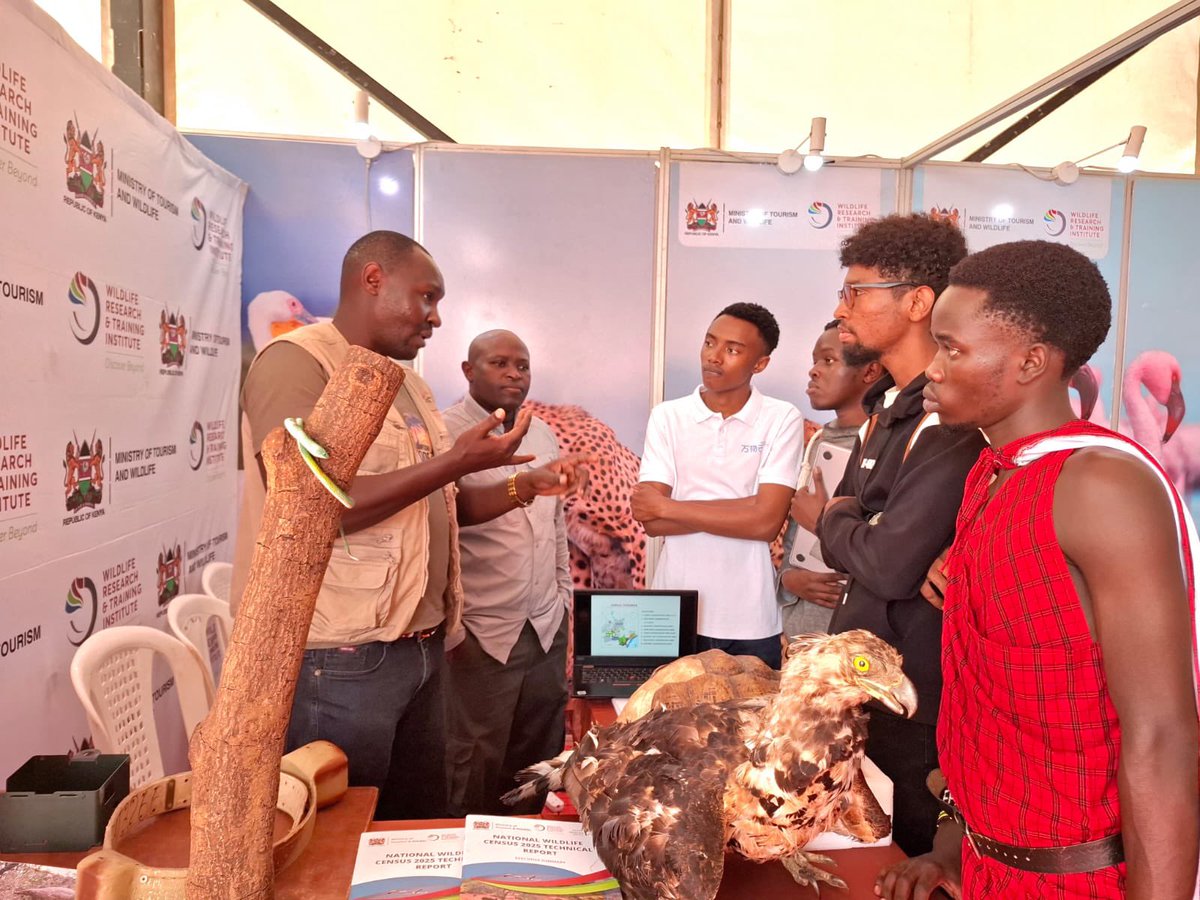
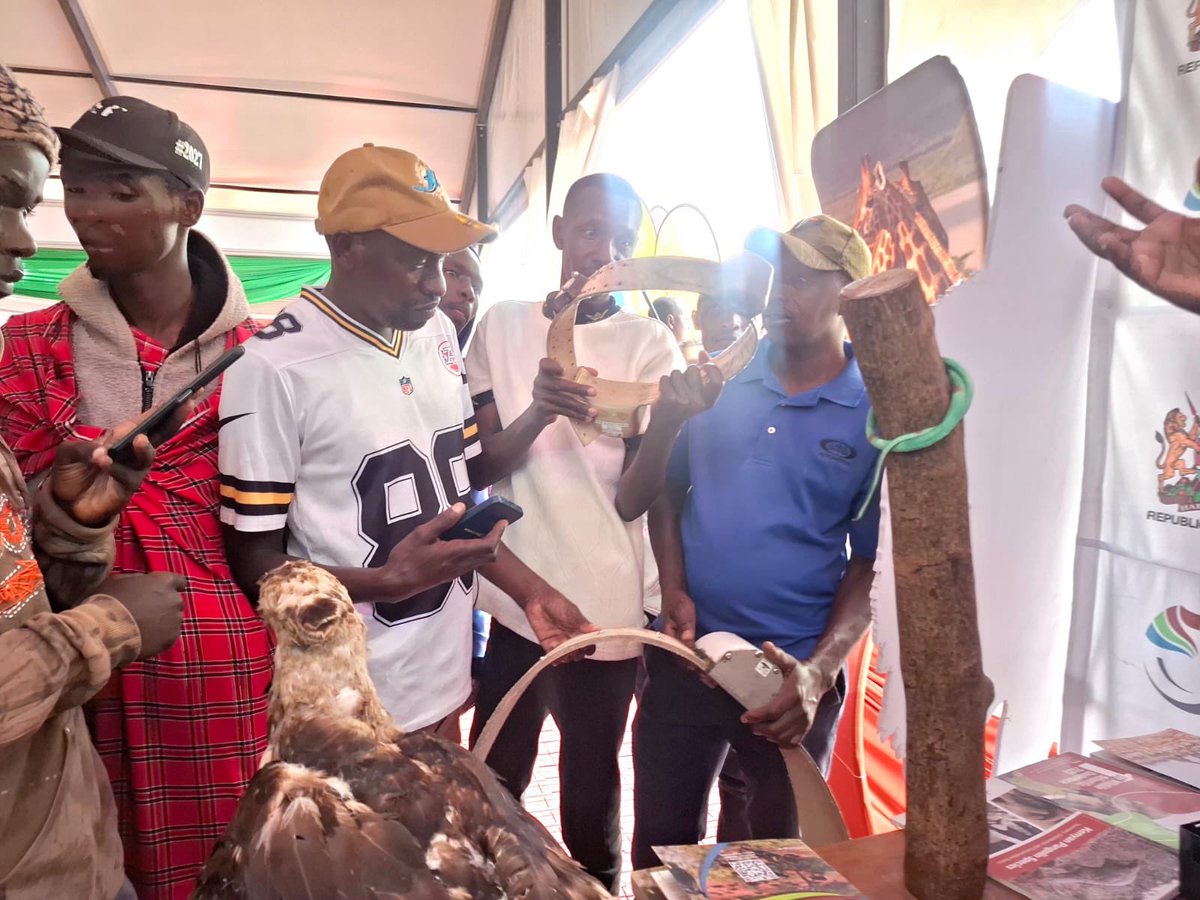
Day One of the 4th Edition of the Maa Cultural and Tourism Festival at the Maasai Mara National Park, Sekenani Gate, Narok County was nothing short of exciting as the Institute opened its exhibition doors to visitors eager to learn more about the science behind wildlife conservation and our training courses.
From wildlife populations, movements and distribution to habitat dynamics, emerging threats and conservation interventions, our exhibition offered visitors a window into the science driving wildlife conservation in the Greater Mara ecosystem and beyond.
The conversations were lively. The questions were thought-provoking. And the discoveries were rewarding.
We came ready to share knowledge. Our guests came curious. They left better informed, inspired and with a renewed appreciation of the science behind Kenya's wildlife heritage.
The exhibition continues this week. Don't miss out!
#MaaCulturalFestival
#Maarafestival
Recognising that student wellbeing is a shared responsibility, the Institute has embarked on strengthening its peer-support system through a three-day training of 40 student peer counsellors at the Institute’s headquarters.
The training, which commenced over the weekend, brings together students, mainly from the first semester, who have volunteered to support their fellow trainees through active listening, empathy and responsible peer engagement.
While the Institute’s Counselling Office provides professional psychosocial support, students are often more comfortable opening up to friends and colleagues they interact with daily.
Speaking during the opening session, the Dean of Students, Mr Godfrey Ipalei, noted the critical role peer counsellors play in creating a supportive learning environment.
He challenged the trainees to use the programme to develop the skills needed to recognise distress, listen without judgement, offer appropriate support and facilitate timely referrals.
The training is being facilitated by the Institute’s Senior Counsellor, Ms Lucy Ngari, and focuses on equipping the peer counsellors with practical skills to support student wellbeing while recognising the boundaries of their role.
Through the initiative, the Institute seeks to foster a campus environment where students feel heard, supported and encouraged to seek help, strengthening their wellbeing, social adjustment and academic success.
The Institute is participating in the 81st meeting of the Standing Committee of the Convention on International Trade in Endangered Species of Wild Fauna and Flora (CITES SC81), held from November 2–6, 2026, in Geneva, Switzerland.
The meeting brought together over 800 participants representing governments, the CITES Secretariat, observer organisations and wildlife trade experts to deliberate on key issues relating to wildlife trade regulation, compliance, enforcement and species conservation.
The Institute is represented by Head of Biodiversity and Ecosystems Dynamics Department Dr. Shadrack Ngene, whose participation provided an opportunity for the Institute to contribute scientific and technical perspectives to international conservation discussions.
Species conservation remains a central focus, with deliberations covering elephants, rhinos, Asian big cats and the critically endangered vaquita porpoise.
Delegates are also examining measures to strengthen international cooperation in combating illegal wildlife trade, tightening trade controls and enhancing protection for threatened species.
The meeting is further reviewing decisions adopted during the 20th meeting of the Conference of the Parties (CoP20), with a focus on strengthening implementation of the Convention and ensuring that international wildlife trade does not threaten the survival of species in the wild.
On the sidelines of the meeting, the Kenyan delegation held a bilateral engagement with Dr. Susan Lieberman, Vice President, International Policy, the Wildlife Conservation Society (WCS), during which Kenya appreciated WCS's continued support for marine wildlife research and management.
WCS reaffirmed its commitment to supporting marine species research and management in Kenya, strengthening ongoing collaboration towards the conservation of marine biodiversity.
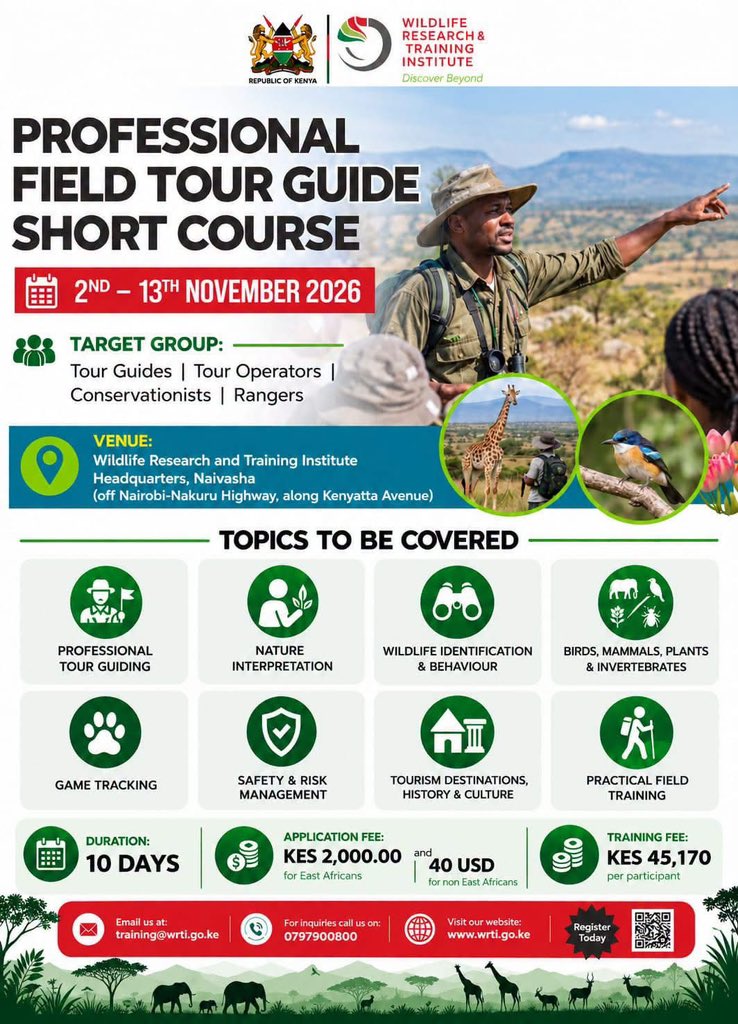
The Professional Field Tour Guide Short Course officially commenced yesterday, ushering in a two-week intensive training programme aimed at strengthening professional skills and competencies in wildlife and nature guiding.
The blended programme will begin with a week of virtual learning, providing participants with an opportunity for interactive sessions, knowledge exchange and engagement with industry experts.
This will be followed by a week of hands-on practical training at the Institute’s Headquarters in Naivasha, where participants will gain valuable field experience and put their knowledge into practice.
We appreciate all participants for choosing the Institute and thank facilitators and industry partners for their contribution towards the successful delivery of the programme.
Through this initiative, the Institute continues to strengthen capacity in wildlife tourism by developing skilled, knowledgeable and responsible professional guides who can deliver enriching visitor experiences while promoting sustainable wildlife conservation.
We wish all participants a rewarding and successful training experience!
The Institute today hosted a Military Veterans Association Nakuru Chapter (MELVENAC) delegation for a consultative meeting aimed at identifying areas of mutual interest and establishing a Framework of Collaboration (FOC) to strengthen institutional linkages and drive impactful conservation initiatives.
The meeting was officially opened by the Deputy Director, Planning and Business Development, Madam Nelly Kuboka, who represented the Institute's Director.
She highlighted the importance of strategic partnerships in leveraging institutional expertise, strengthening capacity and advancing sustainable development.
Key areas of collaboration identified included capacity building and training, particularly in wilderness survival techniques, disaster management and youth mentorship programmes.
The proposed initiatives seek to equip communities and young people with practical skills while nurturing discipline, leadership and a spirit of nation-building.
The two institutions also explored opportunities for joint research and ecosystem restoration, with particular focus on the rehabilitation of Lake Naivasha, fish farming initiatives and the development of wildlife monitoring frameworks to strengthen evidence-based conservation and natural resource management.
The countdown is on! Our Professional Field Tour Guide Short Course kicks off on 2nd November 2026, and there’s still time to apply.
Take this opportunity to build your field guiding skills, deepen your understanding of wildlife and nature interpretation, and prepare to deliver memorable experiences in Kenya’s tourism industry.
To apply use the link below 👇
https://t.co/VxDxj9E84S
For enquiries, call 0700000321 or email [email protected].
Your journey to becoming a professional tour guide starts here.
The Institute continues to bridge the gap between classroom learning and industry practice through strategic partnerships that equip trainees with market-ready skills.
Today, Amadeus East Africa awarded certificates to Diploma in Tourism Management trainees and alumni, who successfully completed a one-year training programme under the company’s Corporate Social Responsibility (CSR) initiative, launched in October 2025.
The programme provided hands-on training in the Amadeus Global Distribution System (GDS), a technology platform widely used in the travel industry for flight searches and bookings.
To strengthen practical learning, participants visited nine travel agencies, including Skywide Travel Ltd, Talent Mine Agencies, Stirmode Travel, Zakale Expeditions, Kaylan Travel Limited, Travel Shoppe and Bornfire Adventures, as well as Safari Link airline.
The visits exposed them to real-world applications of the system, including navigation, flight searches and booking procedures.
Representing the Institute’s Director, Dean of Students Mr Godfrey Ipalei thanked Amadeus East Africa for investing in the trainees and alumni, noting that the training gives them a competitive edge as they enter the tourism and travel industry.
“You have a rare advantage among TVET graduates. You understand how technology connects people, places and experiences. Wear this certificate with pride, but let it also be a responsibility. Be punctual, be curious, be ethical, and keep learning. And remember those who opened this door, so that you will open it for others,” he urged the trainees.
The initiative supports the Institute’s Competency-Based Education and Training (CBET) approach, which emphasises practical skills and industry exposure to prepare graduates for the demands of the workplace.
The ceremony was attended by Amadeus East Africa General Manager Mr Louis Arnaud and members of the Amadeus team, alongside Mr Michael Oyundi, Diploma in Tourism Management Course Coordinator; Ms Lucy Ngari from Guidance and Counselling; and trainers Mr Kinzi Samson and Mr Stephen Soita.
Want to lead unforgettable wildlife experiences, interpret nature with confidence and give visitors more than just a tour? This is your opportunity.
The Institute invites you to enrol for the Professional Field Tour Guide Short Course, running from 2nd–13th November 2026 at the Institute’s Headquarters in Naivasha.
Get practical skills in wildlife identification, nature interpretation, game tracking, birding, visitor safety and field guiding to help you stand out in Kenya’s competitive tourism industry.
To apply, use this link https://t.co/VxDxj9E84S
For clarifications call us on 0700 000 321 or email us on [email protected]
The Institute has called for sustained investment in scientific capacity and collaboration to strengthen lion monitoring and conservation across Africa.
The call was made during the closing ceremony of the International Training Workshop on Lion Monitoring Using the Spatially Explicit Capture–Recapture (SECR) Method, held at Maasai Lodge, Kajiado County.
The two-week training, held from September 28 to October 8, 2026, brought together practitioners from nine African countries to build technical capacity in scientifically robust lion population monitoring.
The closing remarks by the Institute's Director, Dr Patrick Omondi, were delivered by Dr Shadrack Ngene, Head of the Biodiversity and Ecosystems Dynamics Department.
He commended the workshop’s practical approach, which combined classroom-based learning with intensive field training. Participants undertook a nine-day live-lion survey in Nairobi National Park, working in three teams conducting surveys twice daily.
The field exercise enabled participants to apply SECR methods in a real-world setting, from data collection and management to analysis and generation of lion population estimates for Nairobi National Park.
"The 2026 survey marks the fourth systematic lion survey conducted in the park, following surveys in 2018, 2021 and 2022. Previous surveys estimated lion densities at 18.52, 26.90 and 27.74 lions per 100 square kilometres, respectively, providing a valuable baseline for comparison with the latest findings," he said.
The Institute in collaboration with partners, will work towards establishing a sustainable annual short course to expand access to advanced carnivore monitoring skills across Africa.
We thank the training team led by Dr Nic Elliot, Dr Arjun Gopalaswamy, Kasaine Sankan and Dr Monica Chege, as well as the Lion Recovery Fund, Kenya Wildlife Service and Kenya Wildlife Trust for their support.
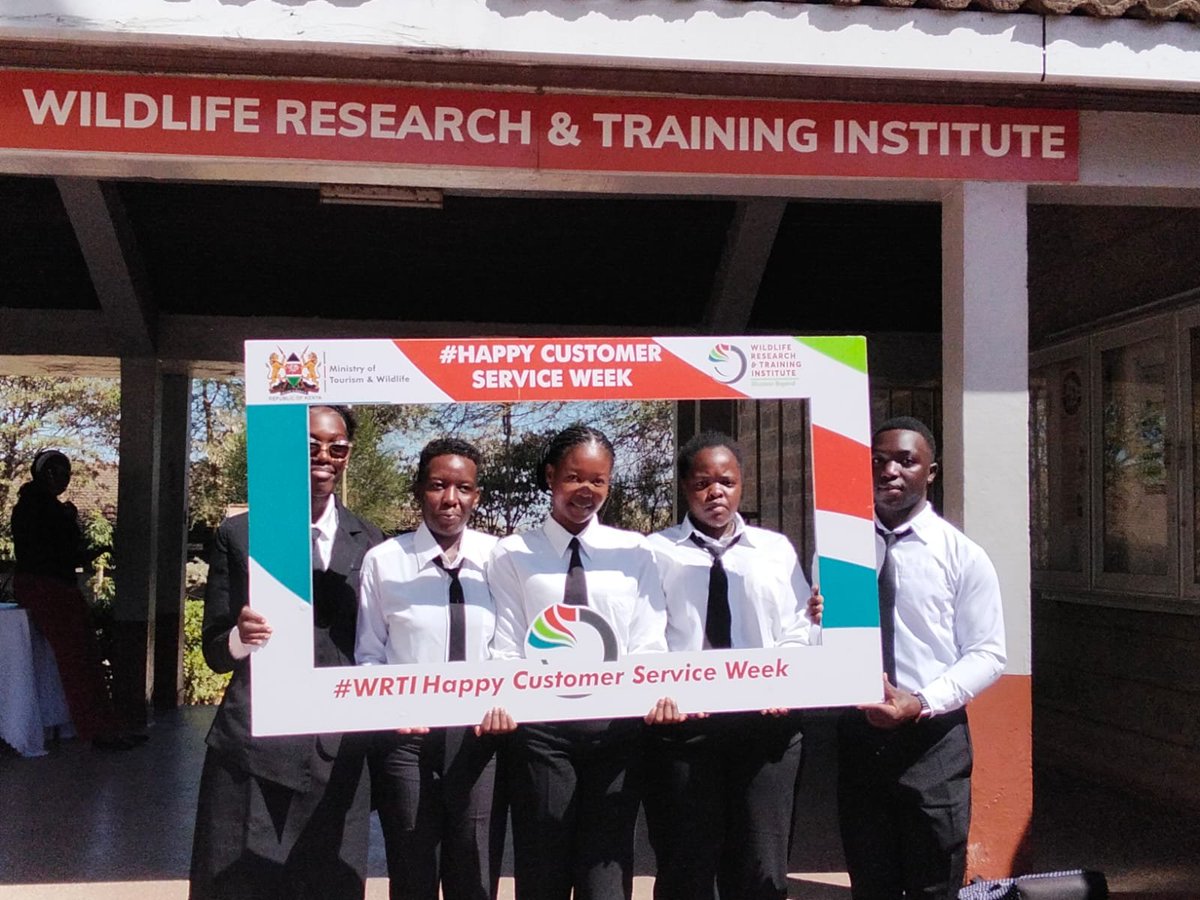
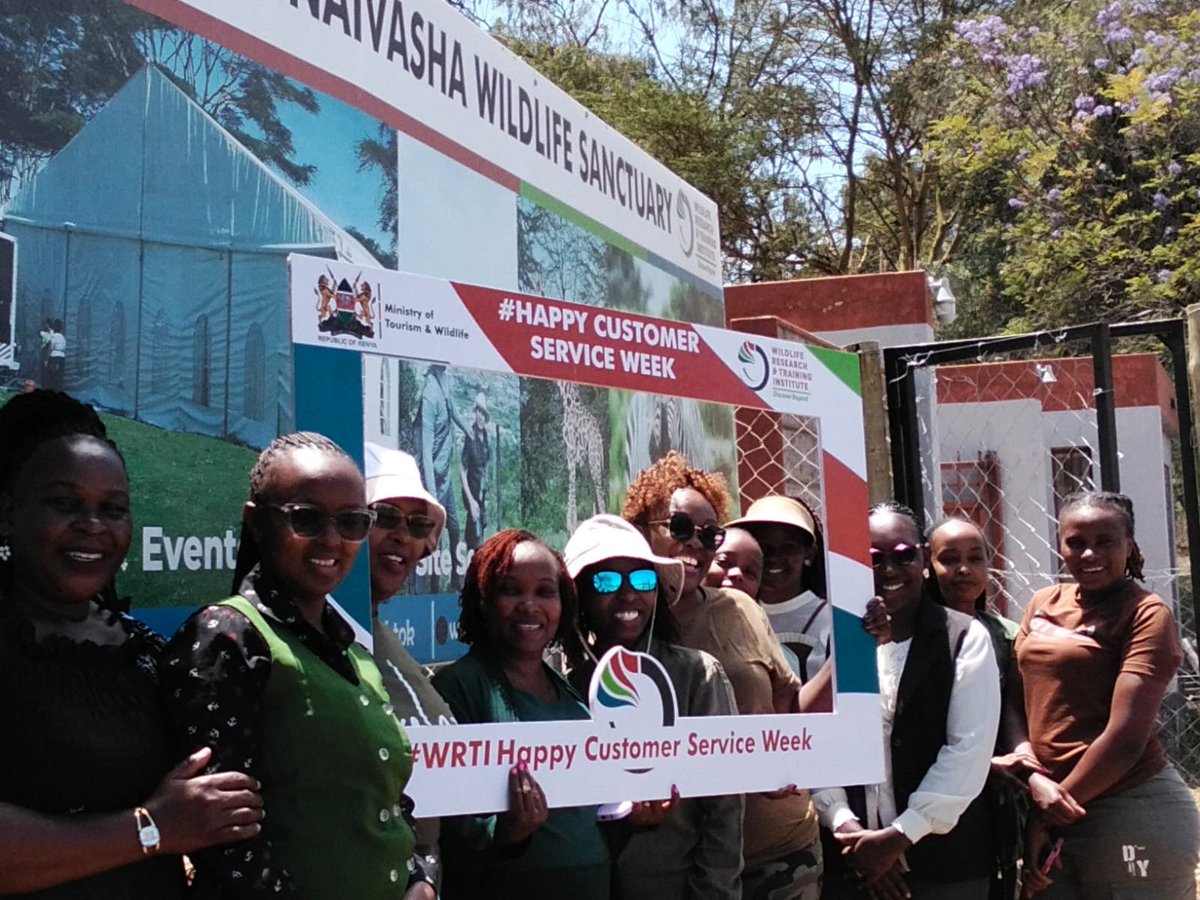
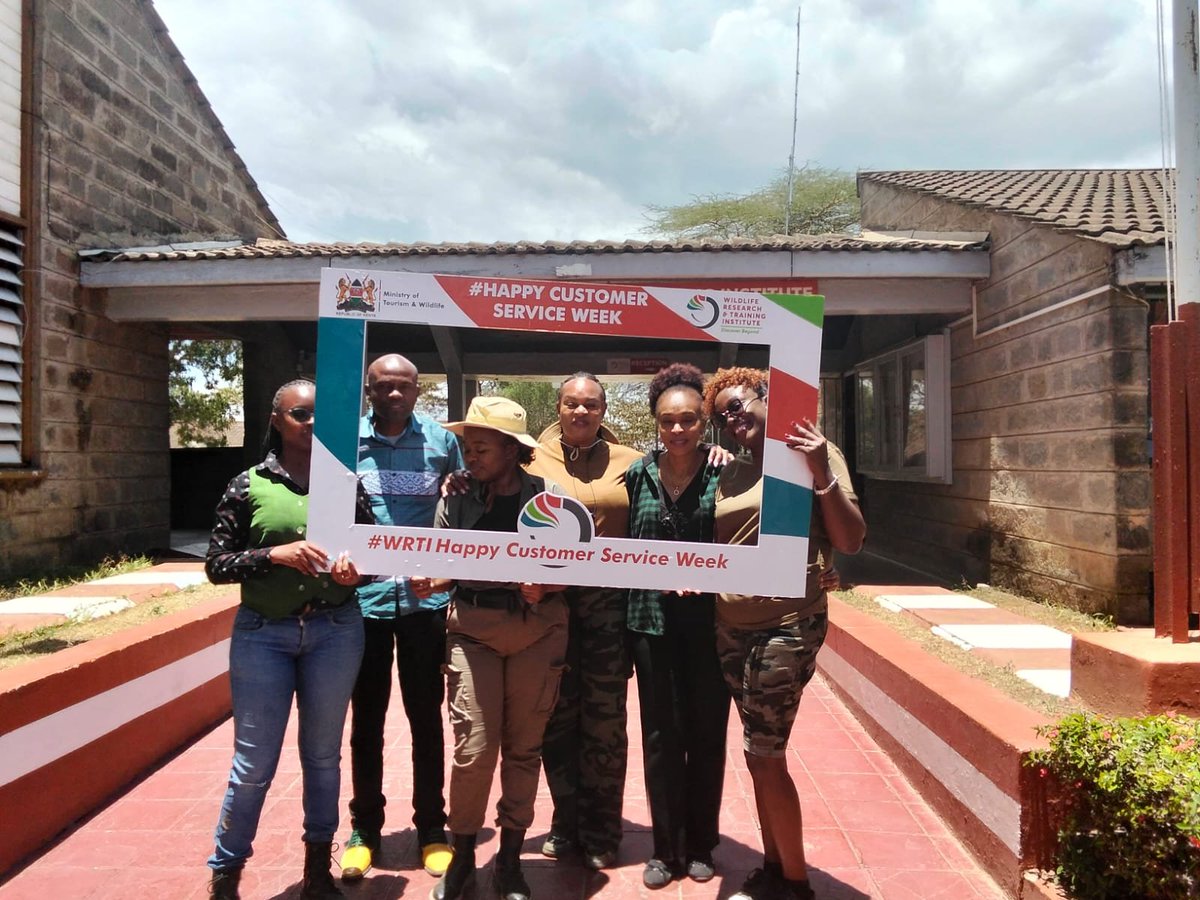
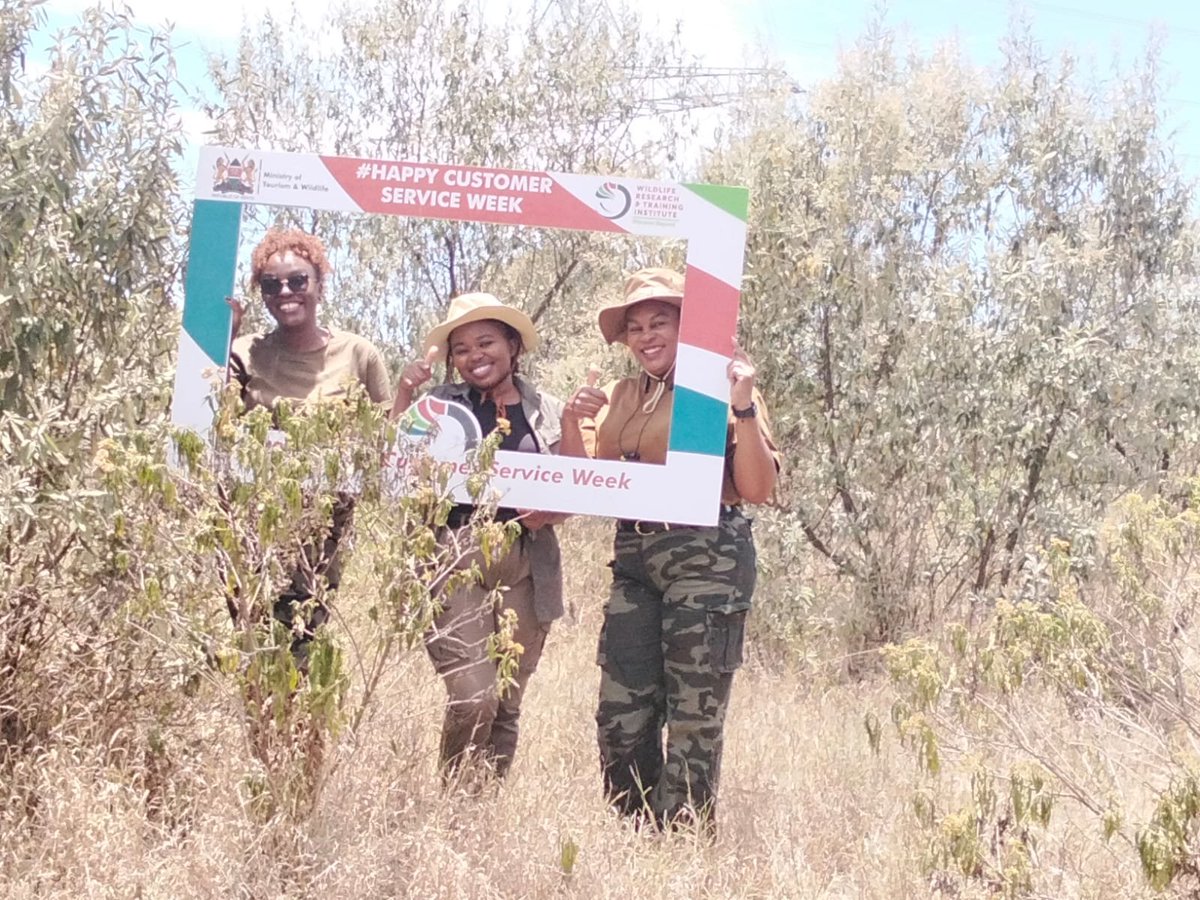
Happy Customer Service Week 2026!
This Customer Service Week, the Institute celebrates and appreciates our valued customers, partners and stakeholders for the trust, support and continued engagement that inspire us to serve better.
At the Institute, we remain committed to delivering professional, responsive and customer-focused services.
Thank you for choosing us. We are proud to serve you.
#CustomerServiceWeek2026
“Bushmeat is a national concern. We must establish its prevalence, understand its drivers and develop effective measures to address the threat.”
These were the remarks by the Institute's Director, Dr. Patrick Omondi, as he officially opened the National Bushmeat Research, Monitoring and Action Planning Workshop today at the KCB Leadership Centre, Karen, Nairobi.
The two-day workshop, running from 5th–6th October 2026, brings together representatives from the Kenya Wildlife Service, IFAW, ZSL, AWF, Tsavo Trust, San Diego Zoo Wildlife Alliance, Giraffe Conservation Foundation, Wildlife Works, Kipeto Energy, Manchester University, University of Nairobi and other partners to strengthen collaboration and drive coordinated national action against bushmeat trade in Kenya.
The workshop builds on the National Bushmeat Workshop held in May 2026, which identified priority research and monitoring actions needed to better understand the scale, drivers and impacts of the trade.
Participants are reviewing progress, identifying gaps and prioritising actions towards the development of a coordinated National Bushmeat Action Plan, setting out clear actions, responsibilities and timelines for implementation.
Dr. Omondi stressed that tackling bushmeat requires a united effort bringing together government agencies, research institutions, conservation organisations, universities, communities and other stakeholders.
He called for stronger scientific evidence to establish the prevalence and drivers of bushmeat use and trade, noting that such evidence is critical in designing practical and targeted interventions.
“Bushmeat trade is a silent crisis with profound consequences,” Dr. Omondi said, noting that the challenge cuts across protected areas, community conservancies and ranches.
Beyond its impact on wildlife, he noted that the largely unregulated trade also presents public health and safety risks, including the potential transmission of zoonotic diseases.
To strengthen scientific response to emerging wildlife threats, the Institute is constructing and equipping the National Wildlife Health, Genetics, Forensic and Biodiversity Laboratory at its headquarters in Naivasha, with satellite laboratories planned at its Field Research Centres.
The facility will enhance the scientific identification and analysis of bushmeat samples through DNA and molecular techniques, providing critical evidence to support research, monitoring, conservation and enforcement efforts.
Ruto's Government has for long operated outside the law!
When My President Edwin W. Sifuna asks him to publish official agreement documents on the Dangote deal as per article 10 (2) of our Constitution, he resorts to calling him an Extortionist.
Why can't Ruto be accountable?
@edwinsifuna
Article 35 (1) Every citizen has the right of access to information held by the State.
Article 35 (3): The State SHALL publish and publicise any important information affecting the nation.
Disclosure of information is a Constitutional imperative not something left to the whims of one person. The era of secretive deals negotiated in the dark will end when we kick this current regime out and return our country back to the rule of Law.
@DansonMwashako and I decided to celebrate the ruling as fresh as it is! Taita Taveta County will be extremely blessed to have him as Governor. Huyu Ni general Wa boss yangu @edwinsifuna