NIGERIANS, GO AND VERIFY (1)
Introduction: Governance as a Public Trust
Peter Obi
When I took office as Governor of Anambra State, our beloved state was at a critical juncture. Leadership had become increasingly disconnected from the people, and many of the essential institutions needed to support a modern society were weak, ineffective, or absent altogether. We understood that governance could not continue according to established habits. It needed to be reconceived as a solemn public trust founded on transparency, prudence, accountability, and demonstrable results.
Our governing philosophy rested on four principles: character, competence, capacity, and compassion. We understood that leadership was not a platform for self-promotion, political slogans, or the pursuit of personal acclaim. Its purpose was to improve the circumstances of ordinary citizens. It meant converting public resources into concrete benefits and ensuring that government’s foremost responsibility was to serve the people. Achieving this demanded more than good intentions; it required a clear vision, careful planning, and disciplined execution.
Among our earliest findings was that the state lacked a unified development plan to direct its priorities and determine how resources should be allocated. We therefore promptly created the Ministry of Economic Planning to establish the institutional foundation for deliberate, coordinated, and sustainable development. After completing the necessary groundwork and consultations, we launched the Anambra Integrated Development Strategy (ANIDS).
At that time, the Millennium Development Goals (MDGs) were being pursued worldwide across eight clearly defined priorities: eliminating extreme poverty and hunger; achieving universal primary education; advancing gender equality and empowering women; reducing child mortality; improving maternal health; combating HIV/AIDS, malaria and other diseases; promoting environmental sustainability; and fostering a global partnership for development.
We adopted ANIDS as our overarching development philosophy and strategic framework for advancing these objectives, tailoring them to the distinctive circumstances, needs and development priorities of Anambra State. Instead of viewing the MDGs as remote international benchmarks, we worked to convert their aims into practical policies, programs and measurable results that would produce tangible improvements in the lives of our people.
We also undertook a deliberate effort to redefine the state’s identity, changing its public image from ‘Home for All’ to ‘The Light of the Nation’. This was not merely a change in slogan; it reflected our resolve to restore public confidence in government, renew civic pride and show that Anambra could serve as a model of purposeful leadership and development.
The ANIDS Blueprint: A Comprehensive Framework for Development
ANIDS served as the foundation for our commitment to broad-based and balanced development. We did not accept the idea that government could focus on a single sector while leaving others behind. We recognized that education, healthcare, infrastructure, security, agriculture and capable public institutions were mutually dependent. Advancement in one area could not be sustained without commensurate progress elsewhere. Accordingly, we pursued development across every sector, guided by defined priorities, disciplined planning and prudent stewardship of public resources.
Central to this vision was the restoration of the dignity of the Anambra person. We understood that dignity could not be restored through rhetoric alone. It was evident in the condition of roads and other infrastructure, the availability of healthcare, the quality of education, the performance of public institutions and the way government treated its workers, pensioners and traditional institutions.
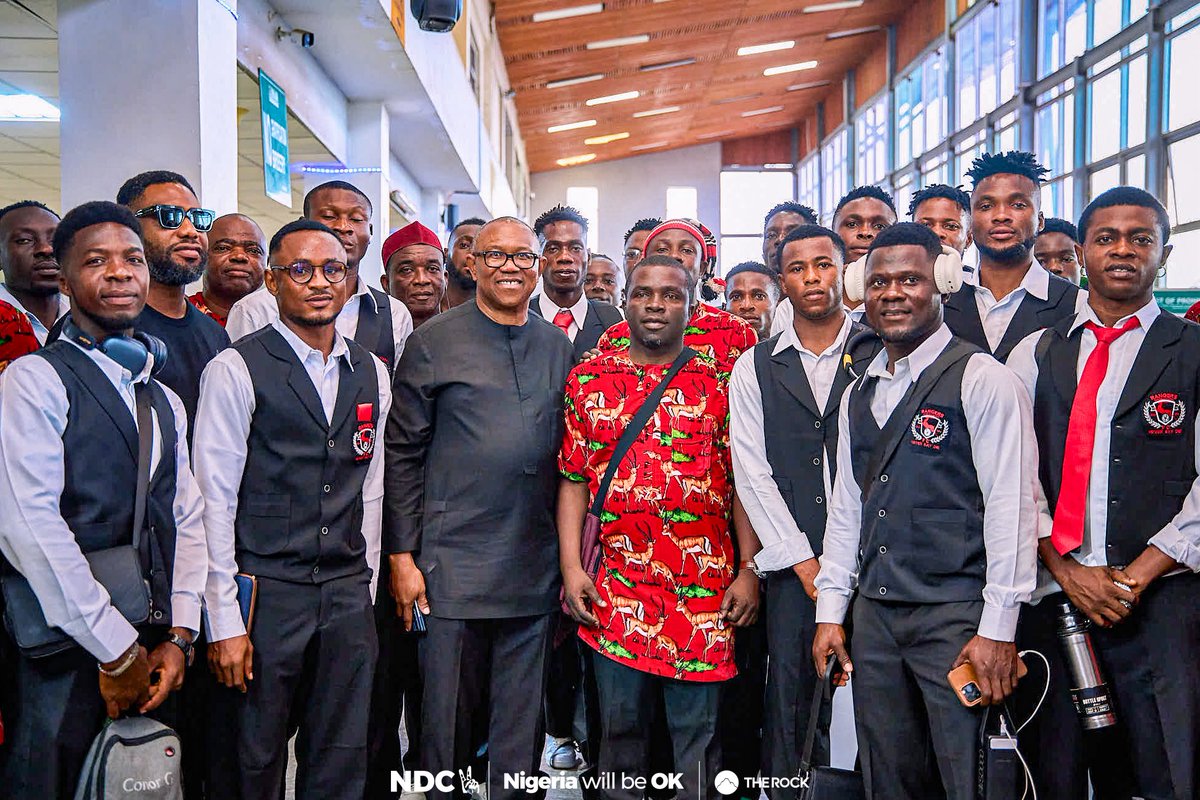
Our Supreme Leader @iamHSDickson don deliver him PU 👏🏾👏🏾👏🏾✌🏾😁
No Rice or Bread shared, just pure love!
Thiefnubu is a One-Term President! #RigandDie2027
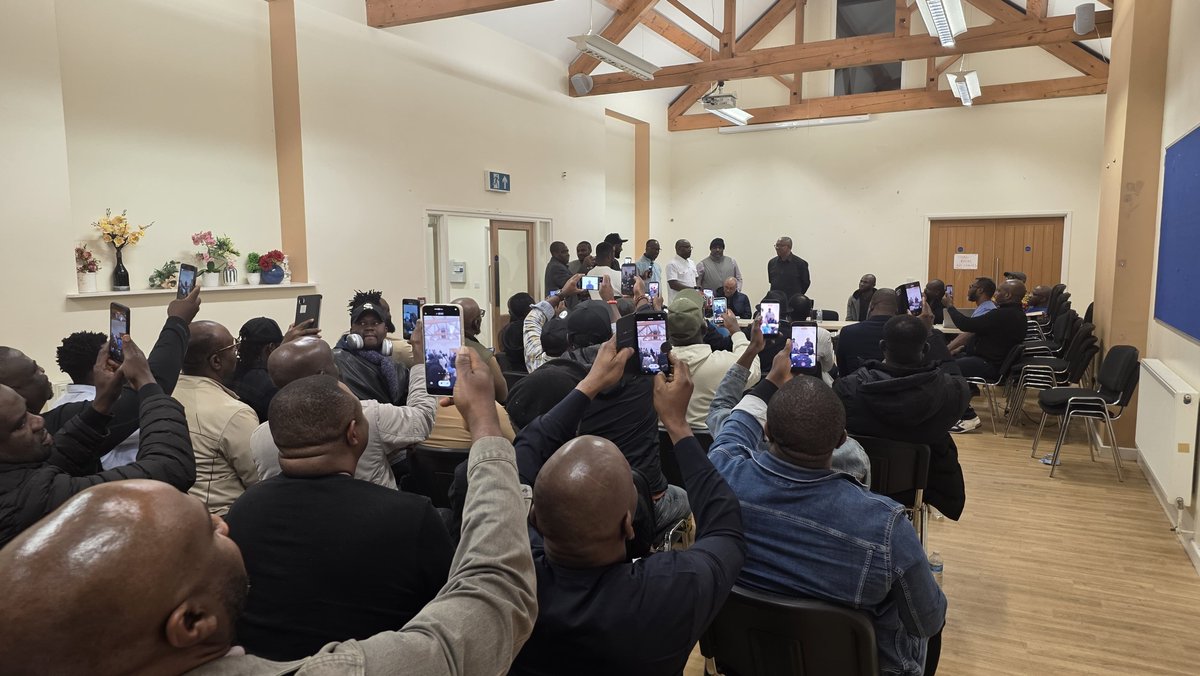
After my engagements in Manchester, I honoured another impromptu engagement in Birmingham, UK, with a group of Nigerians having their annual general meeting.
Our discussions centered on achieving our collective purpose of building a New Nigeria that works for all, which is centered on tackling corruption and electing competent leaders with capacity, character, compassion and commitment, to unite, secure, and move the nation from consumption to production.
A New Nigeria is POssible. -PO
BUILDING A NEW NIGERIA – OUR COLLECTIVE RESPONSIBILITY
Today, I honoured an impromptu invitation to interact with fellow Nigerians in Manchester, United Kingdom. I had the pleasure of sharing fraternal moments with some of our compatriots in the diaspora. I spent time listening to their concerns about our nation and was encouraged by their passion and desire to build a New Nigeria for all.
The task of building a New Nigeria remains our collective responsibility, and there is no better time to roll up our sleeves and get to work than now. Our nation is standing on the brink of a precipice, and we must not shrink from the arduous task ahead of us.
Massive corruption and accumulated leadership failures remain the bane of our national progress and development. I explained to them that Nigeria remains one of the most blessed countries in the world and would have taken its place among the most developed countries if not for corruption and the leadership failure bedevilling it.
No nation, as I have always maintained, can rise above the character, competence, capacity and commitment of those entrusted with its leadership. That is why we must approach the coming general elections as a race for national survival rather than another routine exercise. It is our collective battle. The nation is ours to save for the birth of a New Nigeria that is POssible and OK. -PO
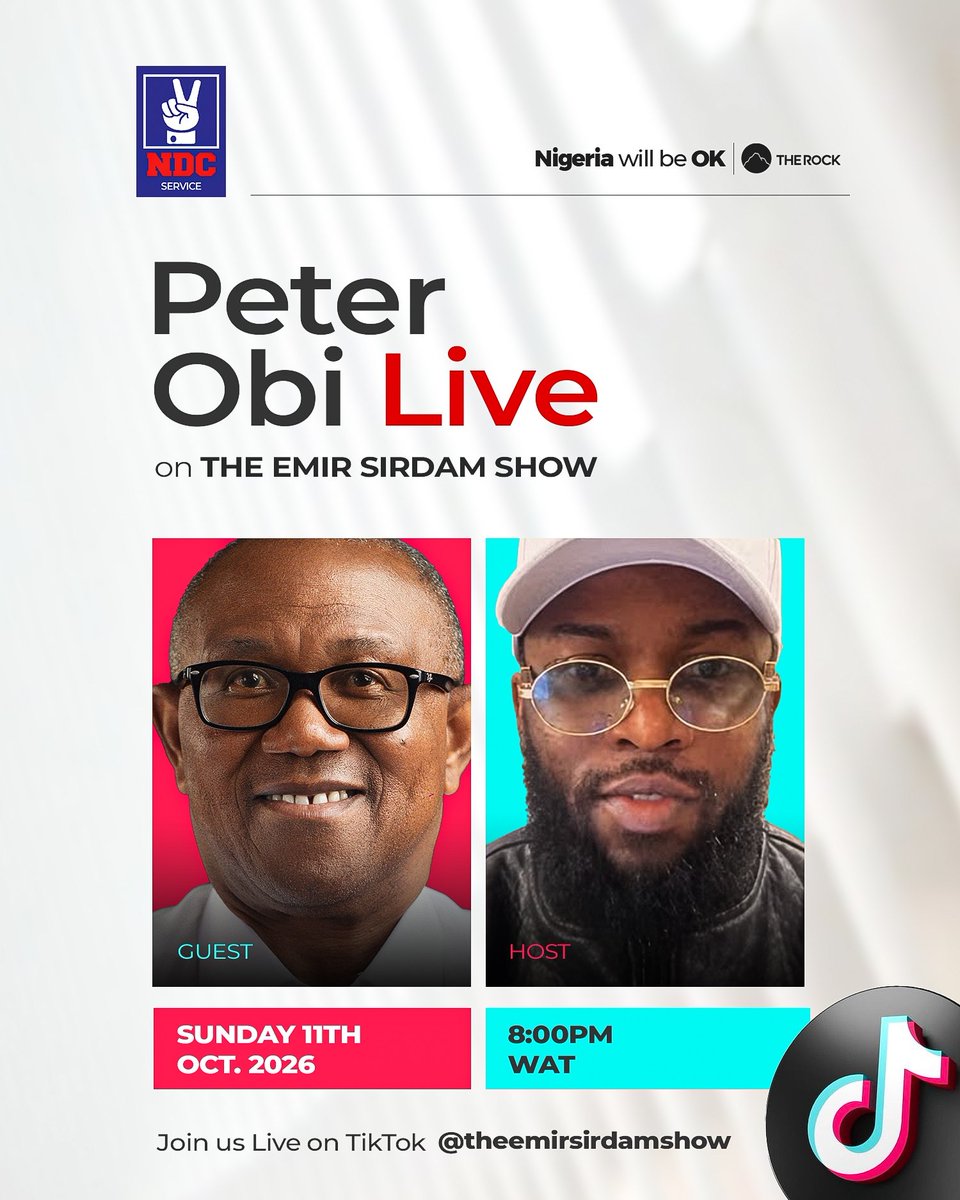
I am delighted to join The @EmirSirdam Show live this evening for an engaging conversation about Nigeria, our challenges, and the road ahead.
I look forward to sharing my thoughts and, more importantly, listening to Nigerians as we continue the conversation about building a New Nigeria that is POssible.
Join us live on TikTok: @theemirsirdamshow
Time - 8:00 PM WAT | Sunday, 11 October 2026
A New Nigeria is POssible. - PO
Hi @IbeCelestine . I reached out to you earlier. I found a way to send you an SMS instead for the smart ballot.
Thank you for what you do and keep doing it.
Independence Is Meaningless Without Real Freedom
As we continue to reflect on Nigeria’s Independence, we must remember that independence means very little if citizens cannot freely express themselves, within the bounds of the law, without fear.
Reports that some Nigerians in Akwa Ibom were arrested simply for identifying with the Obidient Movement should worry every Nigerian who believes in democracy and freedom, especially when such identification is a constitutional right.
One of the greatest tragedies of our society is that people who once described themselves as freedom fighters can become defenders of oppression when they eventually occupy positions of authority. Those who once complained about injustice can become comfortable with injustice when it is being perpetrated against people they disagree with. That must not be the Nigeria we accept.
Our independence must ultimately mean freedom from fear, injustice, intolerance and abuse of power.
Nigeria must belong to all of us. -PO
Protecting Every Vote. Winning 2027. Together.
My fellow Nigerians at home and abroad,
Over the past months, wherever I go and in your many messages, two questions keep coming up: How will our votes be protected in 2027? And how will we win?
These are fair questions, and you deserve direct answers.
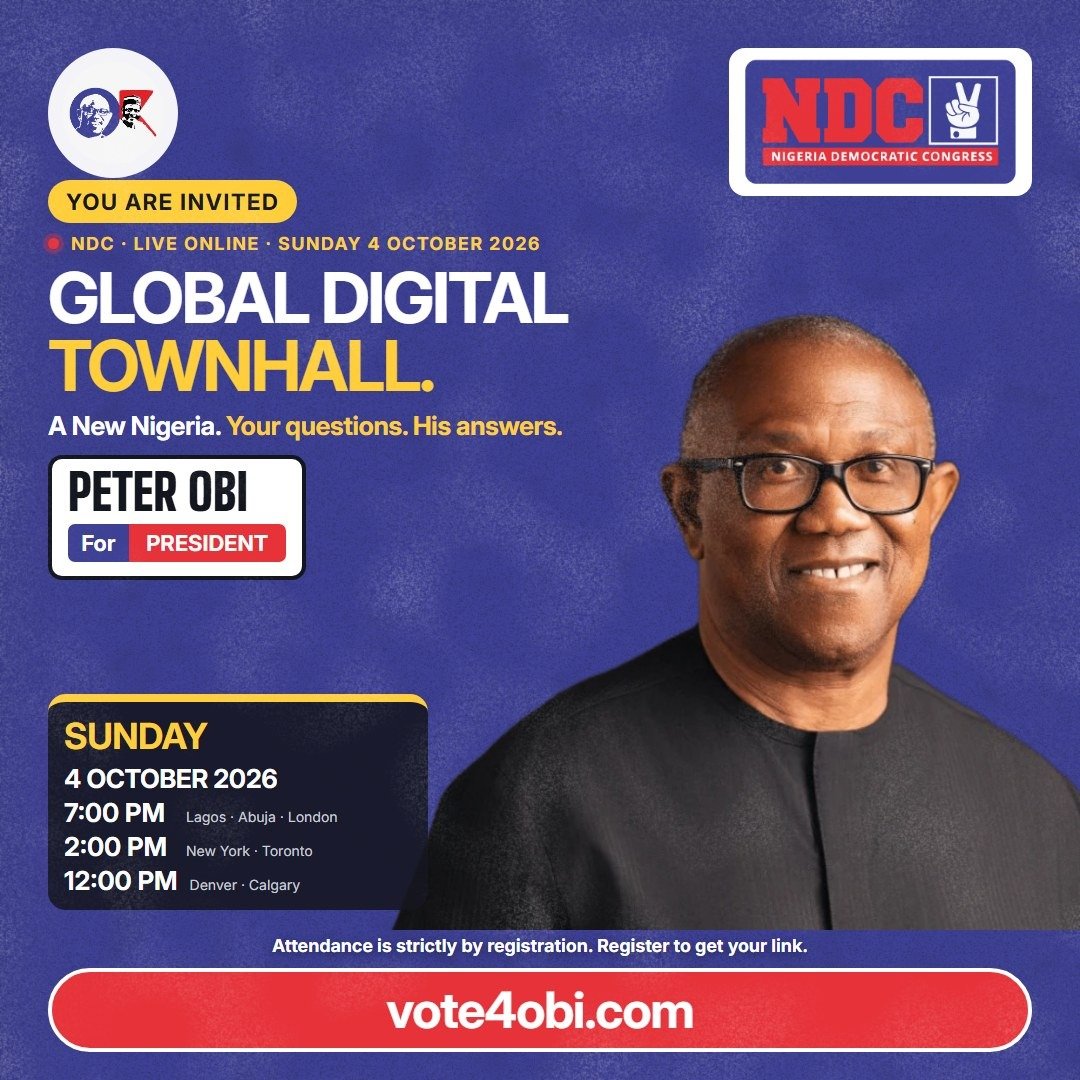
This Sunday, I will answer you directly, and more importantly, listen to you. I will join you for A New Nigeria Global Digital Townhall. We will speak plainly about protecting every vote and the path to victory.
But this is not only about speaking to you. It is about listening to you. I want to hear your concerns, your insights and your strategies. This movement has always been built by you, and your ideas will shape what we do next.
Sunday, October 4, 2026
7:00 PM WAT/GMT | 2 PM EST | 12 PM MST
Attendance is by registration: https://t.co/tBtGQWtcun
Let us continue this conversation together. A New Nigeria is POSSIBLE. -PO
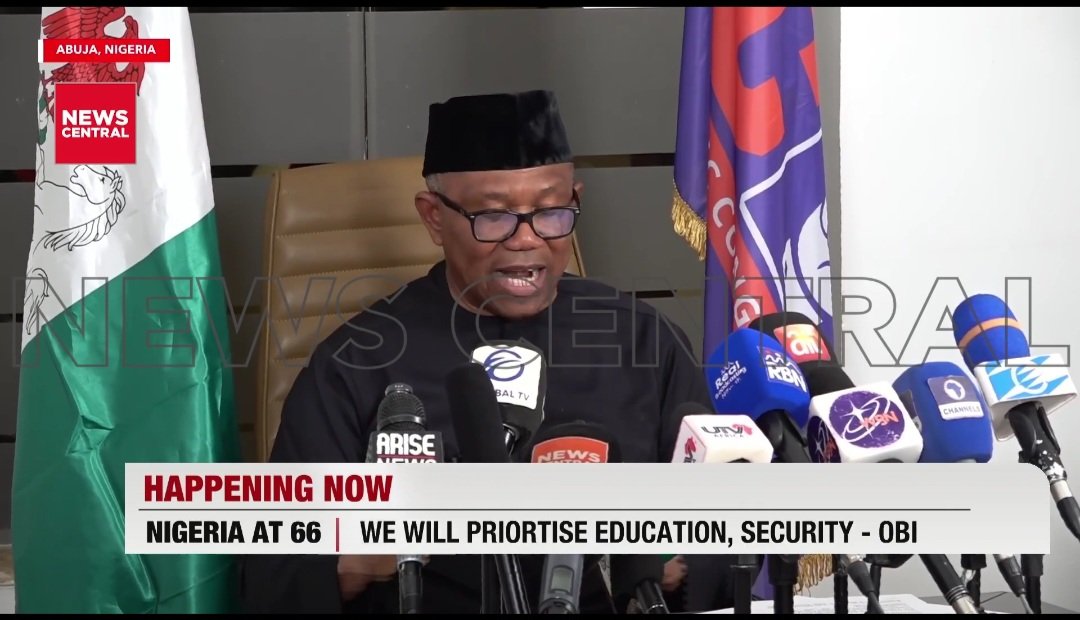
Nigeria at 66: Looking Back, Looking Forward
Fellow Nigerians,
Today we mark the sixty-sixth anniversary of our independence. It ought to be a day of celebration and thanksgiving to God Almighty for the gift of life and for the immense blessings He has bestowed on our nation—our diversity, our abundant human and natural resources, our vast agricultural potential, and the relative absence of devastating natural disasters.
It should also be a day of appreciation and patriotism: a day to remember our founding fathers and all those who made selfless, and in many cases supreme, sacrifices for the birth, survival and growth of our dear nation. We must acknowledge the efforts of past and present leaders who have laboured, however imperfectly, to build a better Nigeria.
Yet independence anniversaries must never be reduced to mere celebration. They are moments for honest national reflection. We must look back, examine where we stand today, and ask ourselves whether we are moving in the direction our founding fathers envisioned.
In national planning and strategy, every serious nation must continually ask three fundamental questions:
Where are we today?
Where do we want to be?
How do we get from where we are to where we want to be?
These questions are especially urgent now. Despite the enormous promises made by the APC-led government in 2023, our nation continues to face deepening challenges across virtually every critical sector of national life.
Today we stand before the world as a nation:
With an extraordinarily large population living in poverty and severe hardship; over 140M
With one of the largest populations of out-of-school children in the world; over 18M
Where insecurity, terrorism, banditry and kidnapping continue to threaten lives and livelihoods, just recently 37 young Nigerians in their productive age lost their lives
Where millions of Nigerians struggle with hunger and food insecurity; over 40M Nigerians will be in extreme hunger by the end of 2026.
With unacceptably high rates of infant and maternal mortality; Nigeria today is the worst place to be born.
Where youth unemployment and underemployment remain alarmingly high; over 35M
Where drug abuse and substance misuse increasingly threaten our young population; today 14% as against global average of 6%
Where life expectancy remains among the lowest globally, today 54 years against global average of 74 years
And the list goes on.
This reality demands serious, sober and honest reflection. Socrates taught that “the unexamined life is not worth living.” By the same principle, an unexamined nation cannot successfully chart its future. We must therefore ask ourselves: Are we cursed, or have we become the curse through the choices we have made and the failures we have tolerated?
The answer cannot be that Nigeria is cursed. We are a nation immensely endowed and blessed. Our greatest problem is not a lack of resources; it is the failure to convert our enormous resources into human development, productivity, security and shared prosperity.
Only yesterday, Senator Rabiu Kwankwaso and I returned from a two-day visit to Sokoto State. We held extensive consultations with people from different parts of the state on insecurity, out-of-school children, poverty, youth unemployment, drug abuse and other challenges confronting our people.
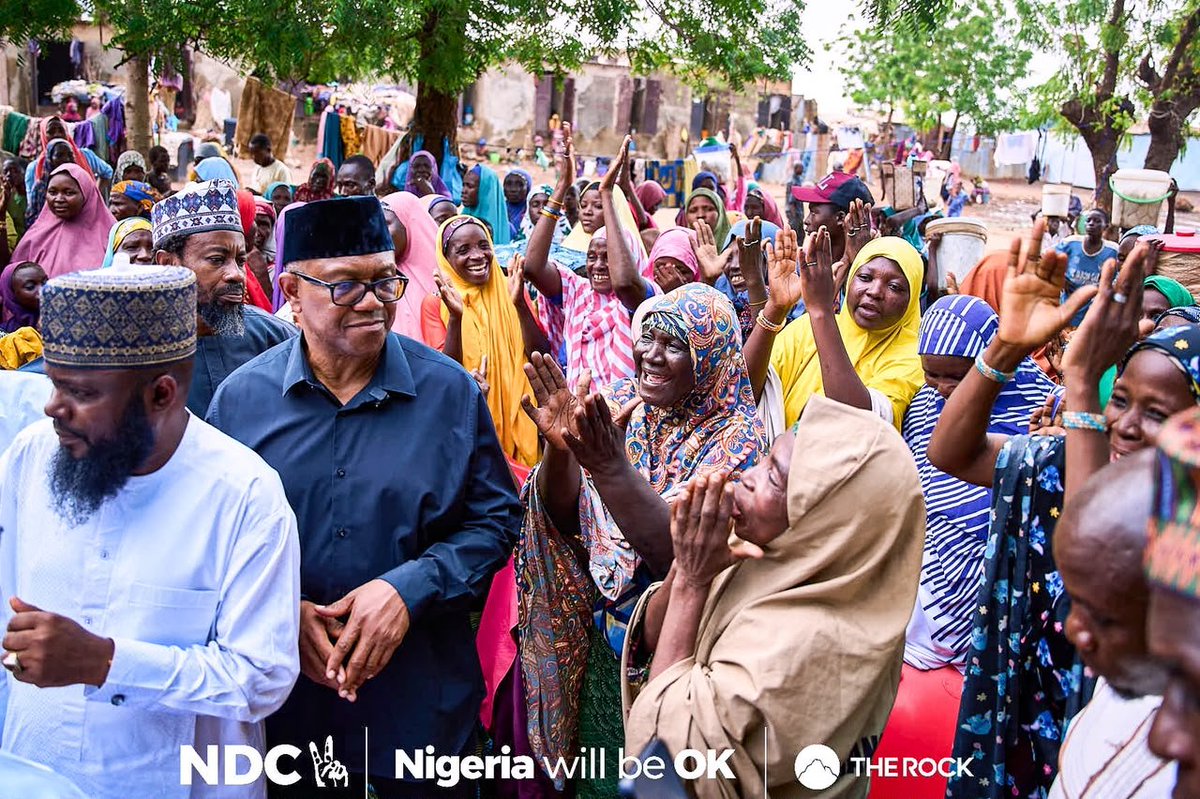
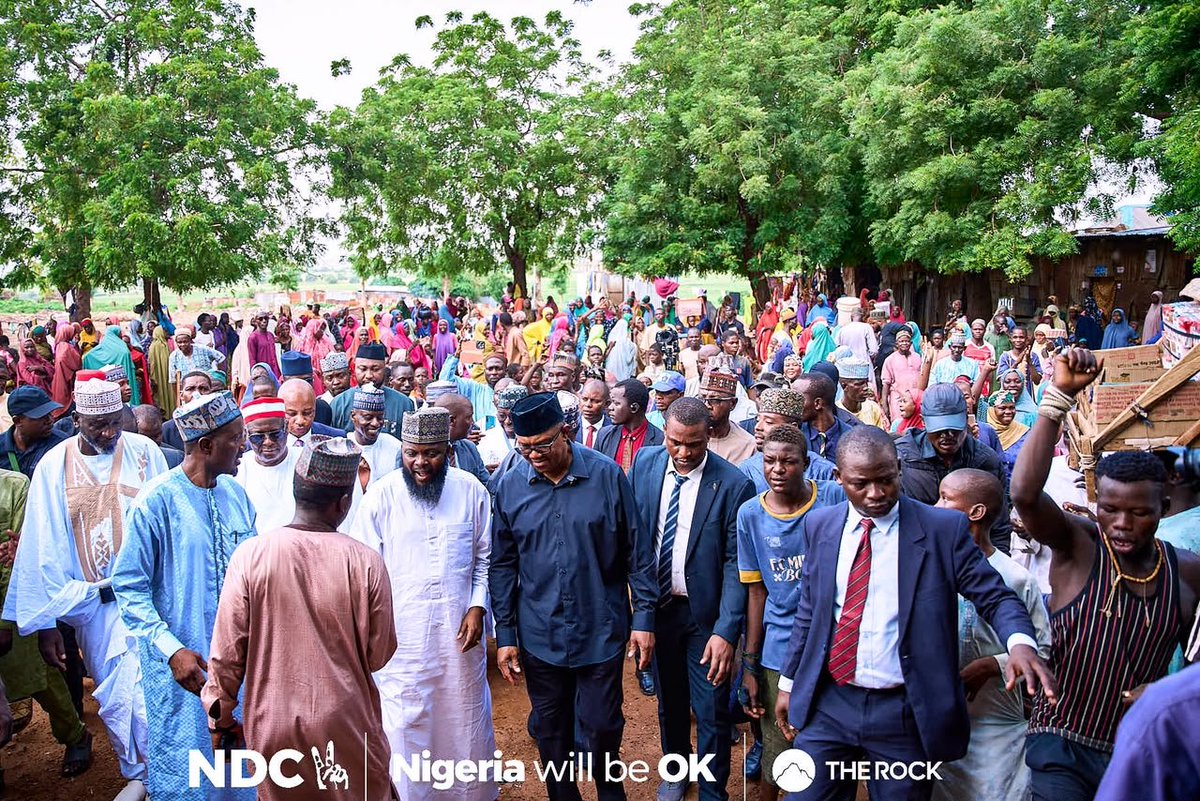
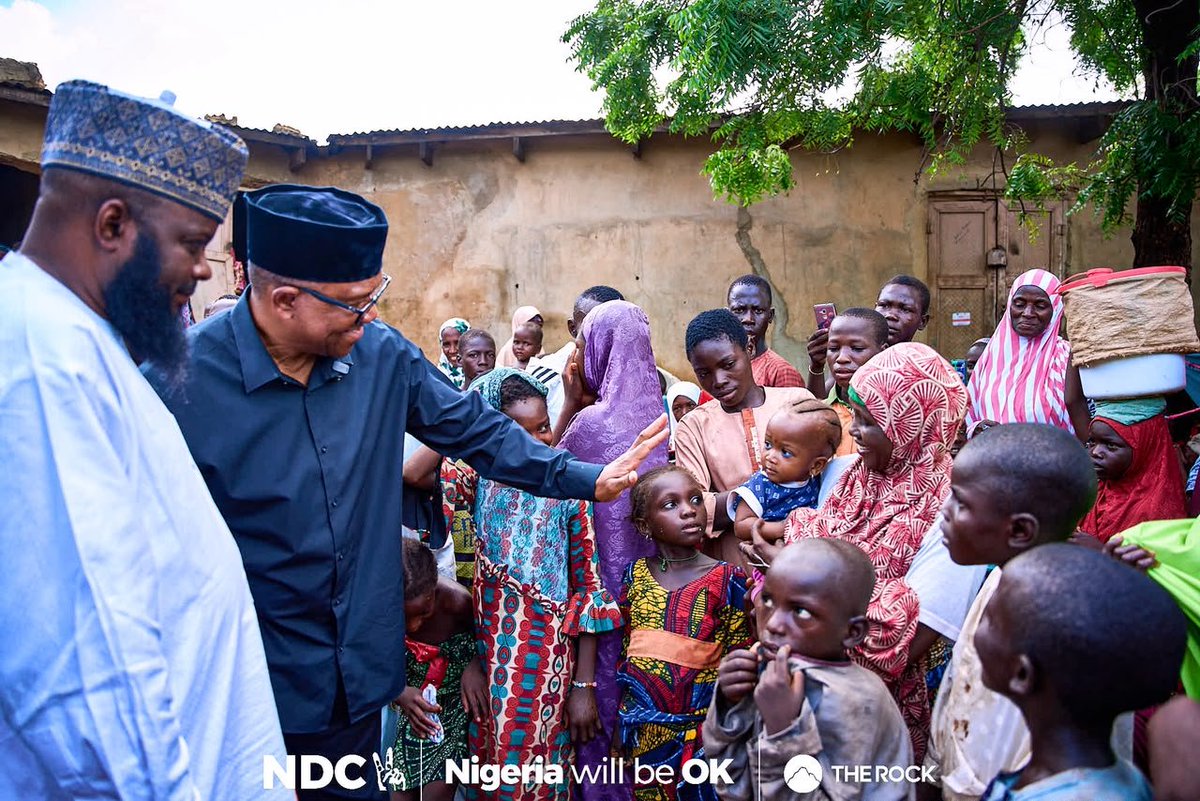
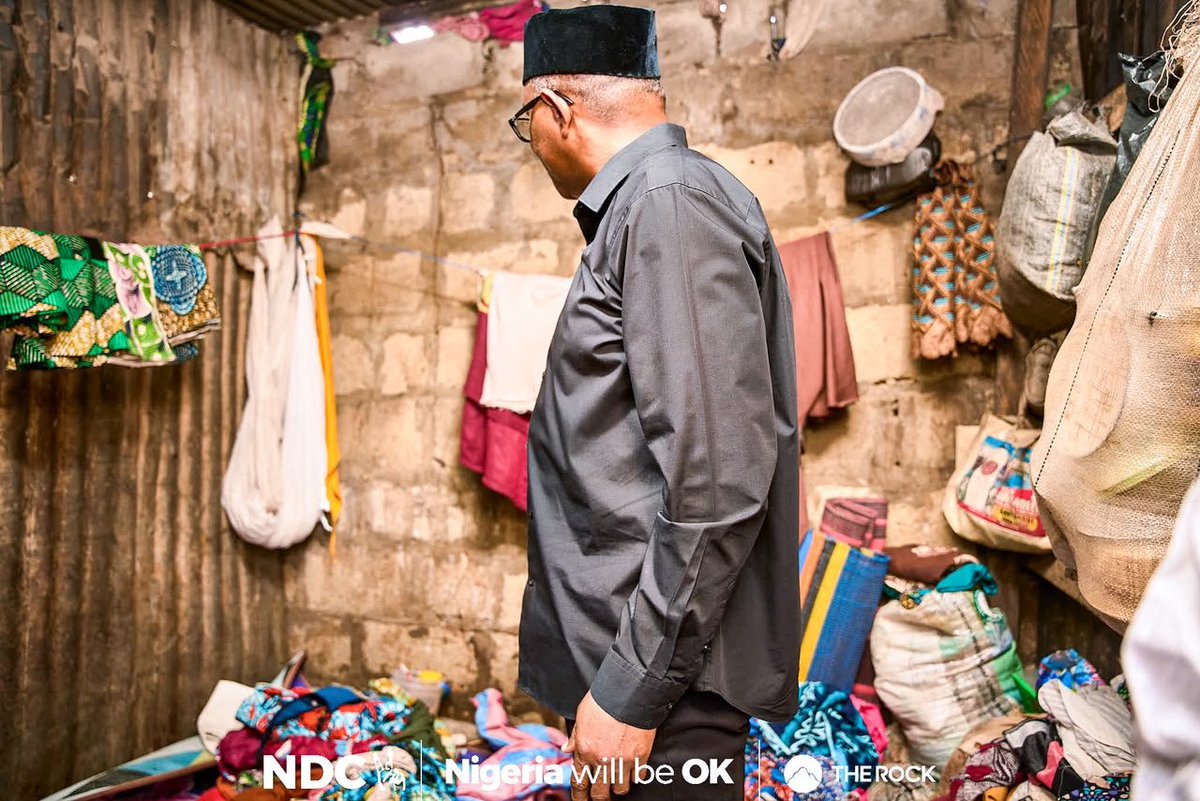
In concluding the visit, we went to the Internally Displaced Persons camp at Ramin Kura within Sokoto metropolis. What we saw was deeply troubling. Thousands of women and children live in deplorable conditions, displaced from their homes and deprived of the basic necessities of life. Many of the children have no access to education. Mothers and children have limited access to basic healthcare. These are Nigerians who should be living in their communities, going to school, farming their land, conducting their businesses and contributing to the economy. Instead, they live as displaced persons in their own country.
IN CONCLUSION OF MY VISIT TO SOKOTO STATE
Yesterday, 29th September, in continuation of my two-day visit to Sokoto State, I had extensive consultations and discussions with various groups from across the state on insecurity, out-of-school children, endemic poverty, youth unemployment, drug prevalence, and other issues affecting our people in this part of the country.
My final engagement was a visit to the Ramin Kura IDP Camp in Sokoto North LGA, within the Sokoto metropolis, which is currently housing over 1,000 internally displaced persons.
During my tour of the facility, I found it particularly distressing to see Nigerians crammed into makeshift shelters and thatched rooms, with some rooms housing as many as 10 persons. The camp also lacks adequate toilet facilities, a primary healthcare centre, and even a basic school for the children.
I have always insisted that as long as even one Nigerian lives in an IDP camp, we are all internally displaced. Therefore, the government of today must work assiduously to make the temporary accommodation for our dear citizens living in these camps comfortable, while ensuring that all the underlying security issues that created these conditions in the first place are resolved, to enable them to return to their ancestral homes.
This is my 12th visit to IDP camps across Nigeria, and, just like in the others, I am committing to continuously supporting these Nigerians for as long as it takes.
This is why I continue to say that the President’s and political office holders’ holidays must be within Nigeria, so that they can see first-hand the difficulties faced by these fellow Nigerians, whose vulnerability has been worsened by the failure of government to prioritise critical areas of development.
Let me seize this opportunity to again call on the government and the relevant agencies to immediately look into the plight of these citizens and address their pressing needs.
A New Nigeria is POssible and will be OK.
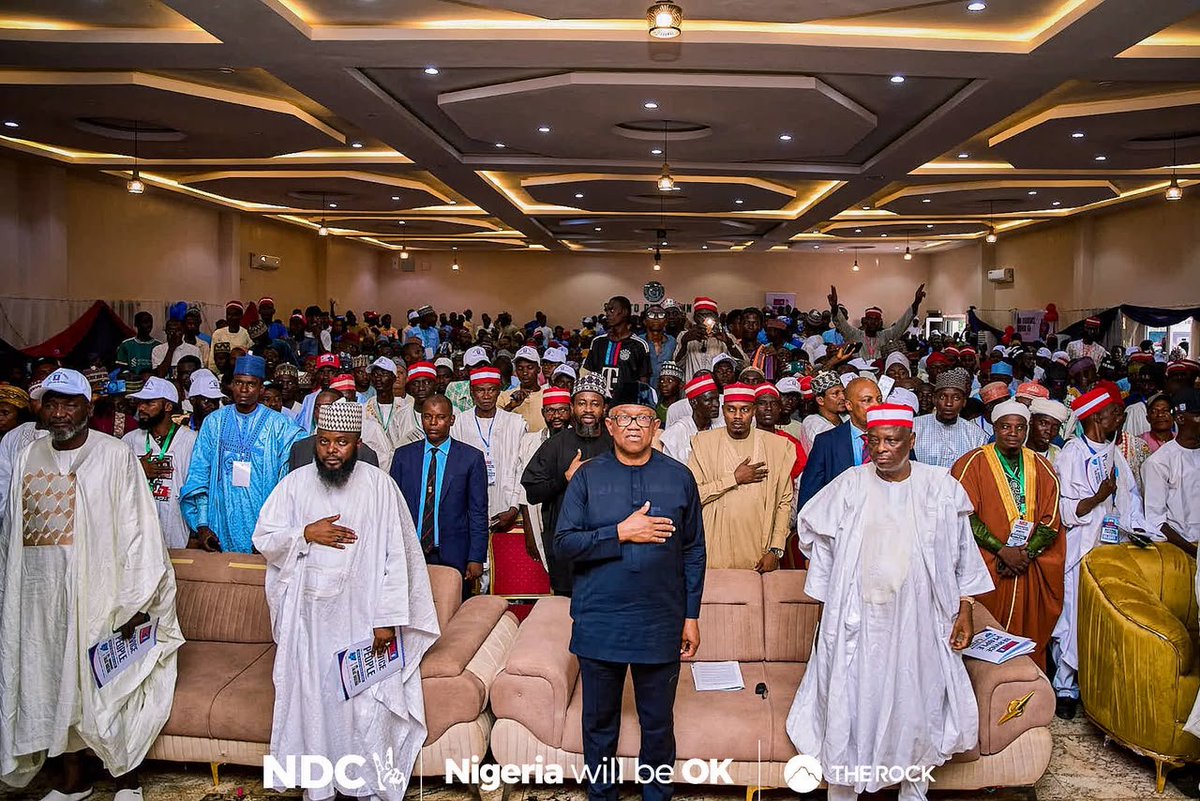
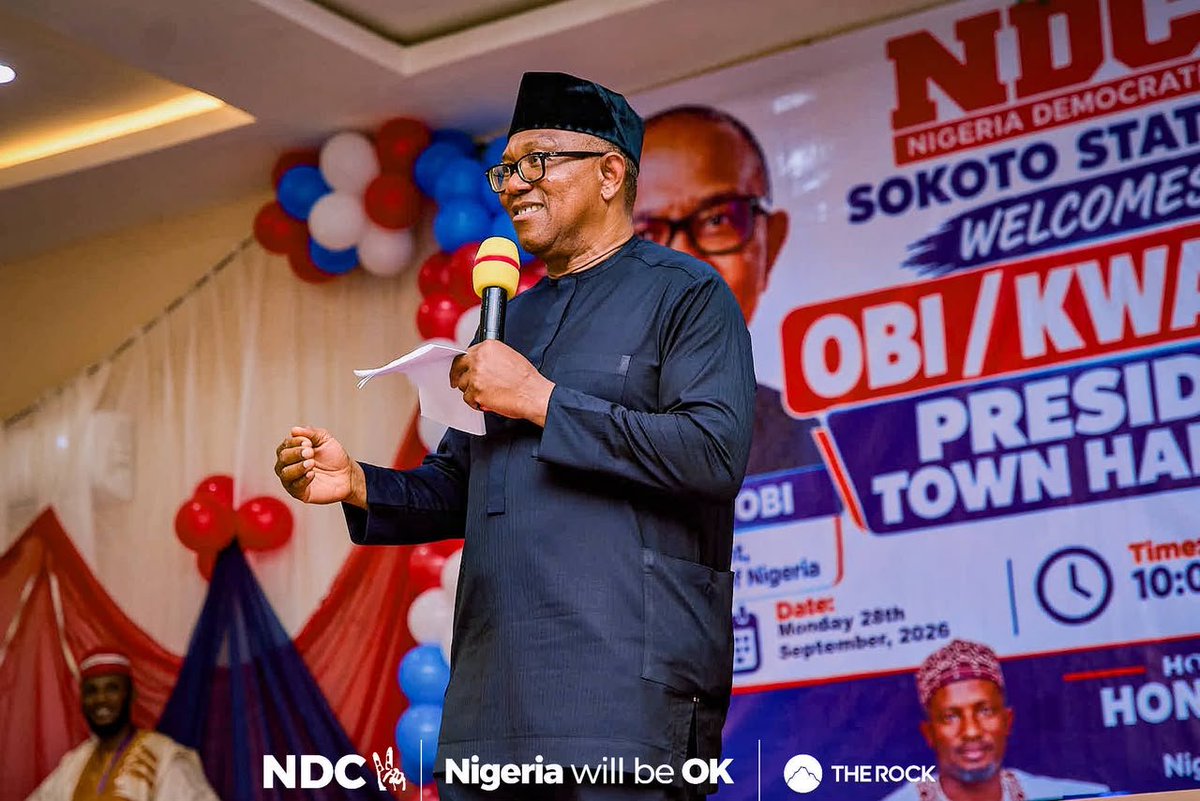
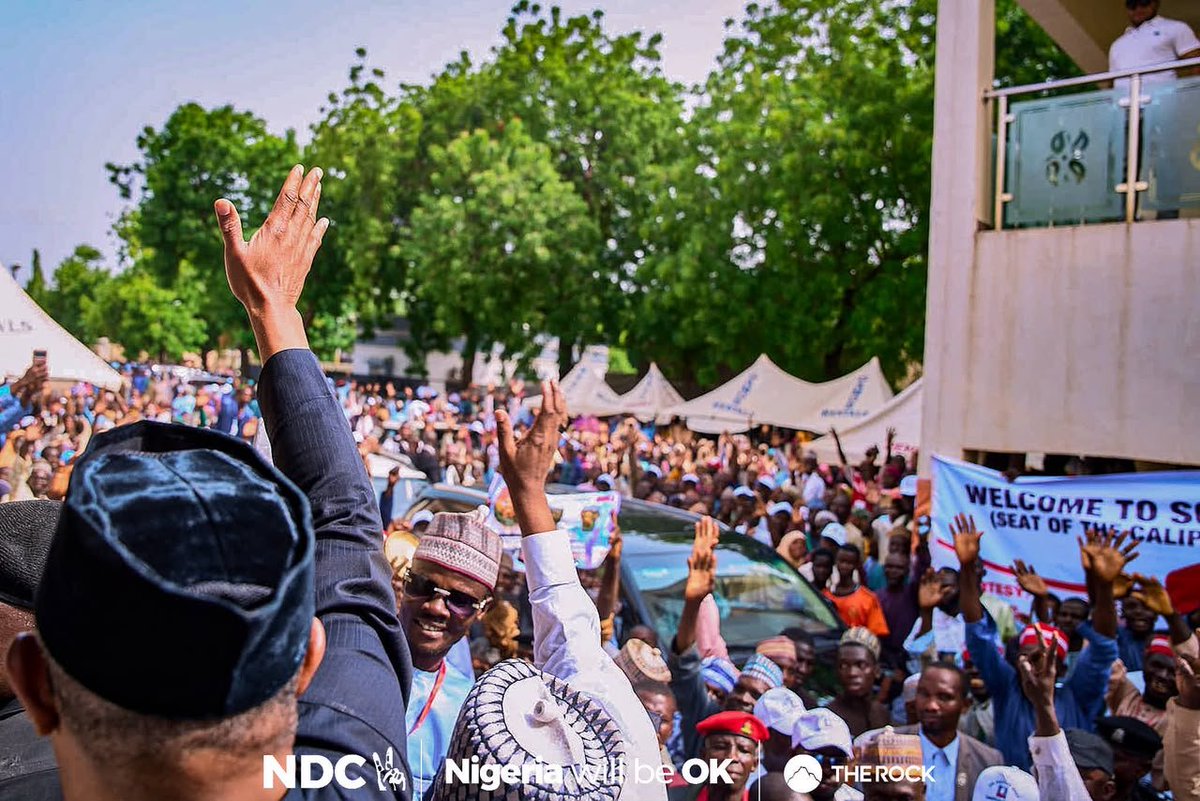
Yesterday, 28th September, after paying a courtesy call on His Eminence, the Sultan of Sokoto, we had a very engaging Town Hall with the people of Sokoto. It was an opportunity to listen, answer questions, and speak honestly about the Nigeria we want to build together.
The questions were clear: unity, security, education, subsidy, healthcare, corruption, poverty, agriculture, power, infrastructure, ethnicity, and the future of our country.
Our message was equally clear: there will be no fake promises. We must unite the country and confront insecurity decisively, while also addressing human insecurity. We must fight poverty, unemployment, hunger, and hopelessness if we are to reduce criminality and create a safer society.
We discussed money politics and its devastating consequences. When poverty becomes the instrument through which politicians buy votes, citizens are trapped in a cycle where the same system that impoverishes them is repeatedly rewarded. We must break this cycle of bad leadership driven by transactional politics.
The work ahead is enormous. But with courage, competence, compassion, character, and the collective determination of Nigerians, we can begin to change the story.
A New Nigeria is POssible. -PO
In the Caliphate with a Message of Hope for the Poor and Unity in Nigeria.
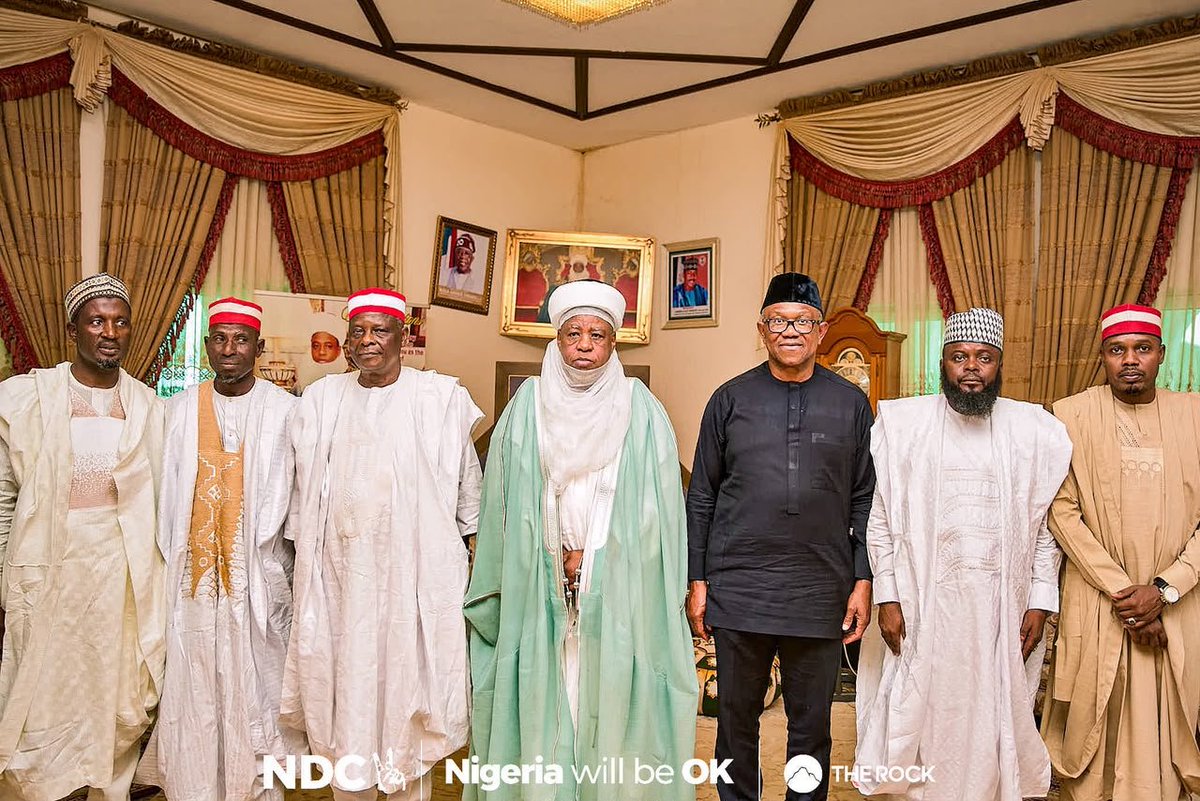
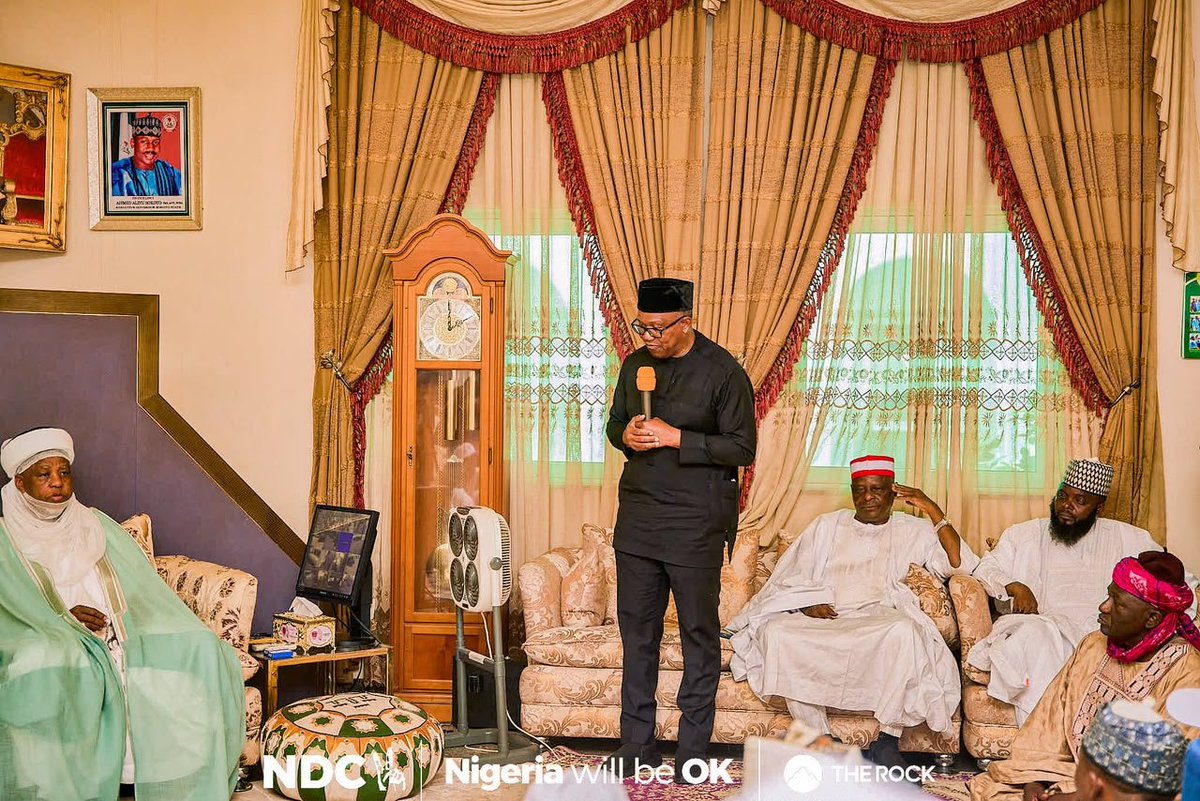
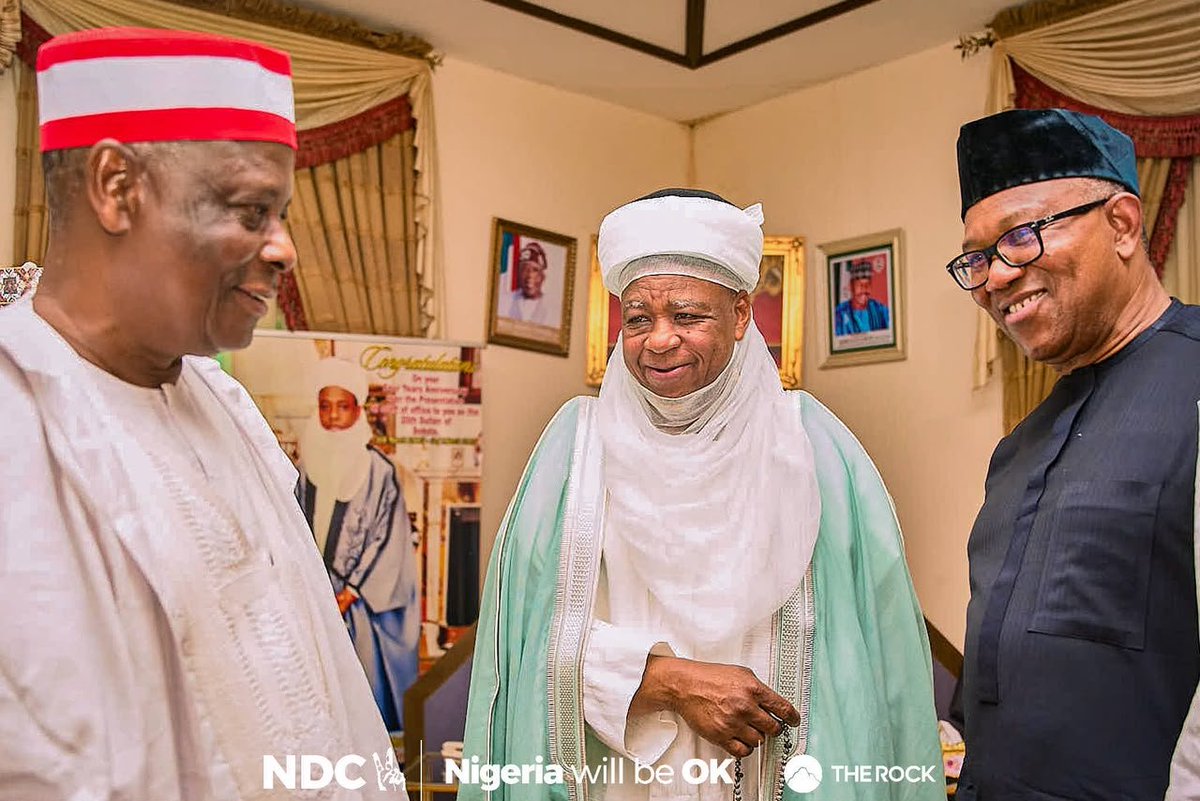
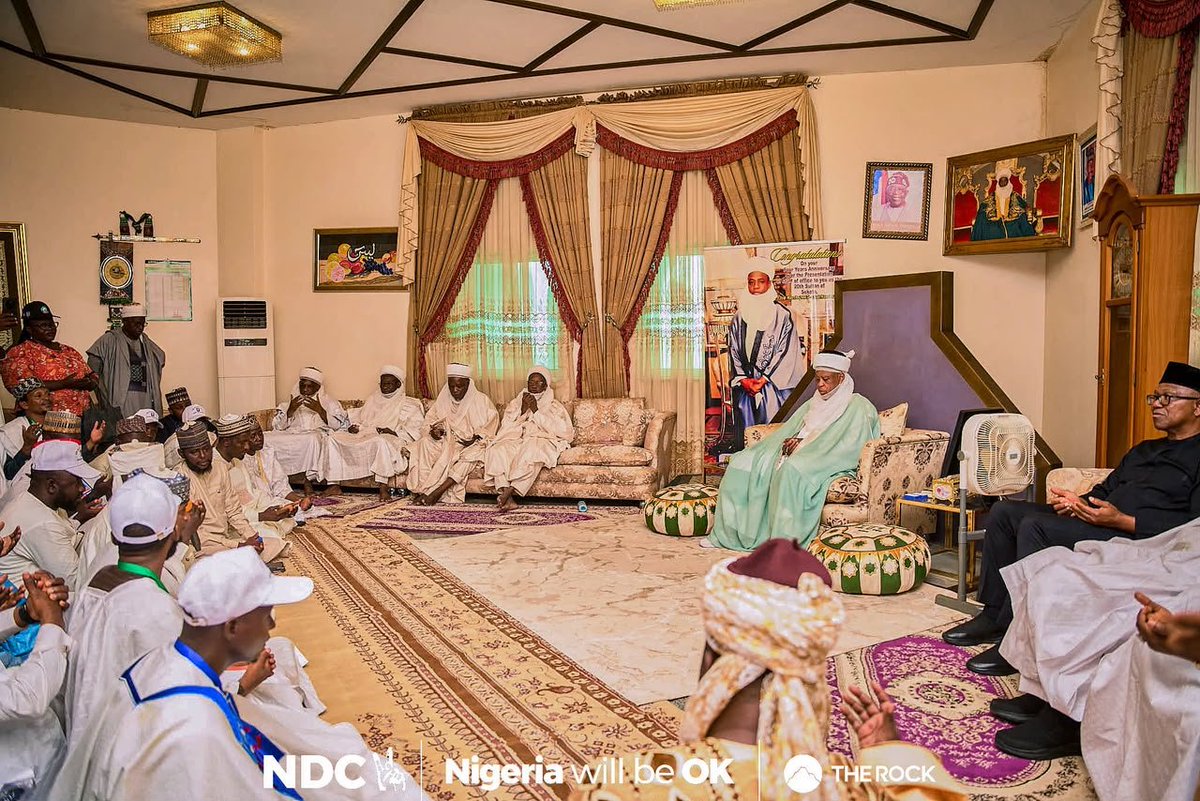
Today, ahead of our town-hall engagements in Sokoto, Sokoto State, I had the privilege of paying a courtesy visit to His Eminence, Alhaji Muhammad Sa’ad Abubakar III, the Sultan of Sokoto, alongside my brother and running mate, Senator Rabiu Musa Kwankwaso, and members of our team.
We used the opportunity of the visit to condole with him on the recent death of the Sardauna of Sokoto.
In my remarks, I emphasised the urgent need to unite and secure our nation, tackle poverty, create employment, and rebuild confidence in our country.
His Eminence warmly received us and spoke with the wisdom of a father and national leader. He recalled that he has known me for almost 46 years, since 1980, when I was in my first year at the University of Nigeria, Nsukka, and has maintained a cordial relationship since then.
He reminded us that leadership comes from Almighty Allah and carries a responsibility for which we will ultimately be held accountable. He also mentioned three critical priorities for Nigeria: security, poverty, and employment.
He additionally reminded us that our diversity of tribes, tongues, and faiths is part of God's creation and should be our strength, not our weakness. We do not seek to Islamise or Christianise anyone. We seek to build a Nigeria where every citizen can live safely, prosper, and have a genuine sense of belonging.
May Almighty God continue to bless His Eminence, the Sultan of Sokoto, the people of Sokoto State, and our beloved Nigeria.
A New Nigeria is POssible. -PO