Our ECRs were on show last week at the OBVI ECR Workshop, where they had the opportunity to share their research, discuss their findings and learn from other early-career researchers working across the field.
It was incredible to see the range of work being presented and the conversations that followed.
Workshops like this are a great reminder of the value of bringing young researchers together to exchange ideas, learn from one another and build connections across disciplines.
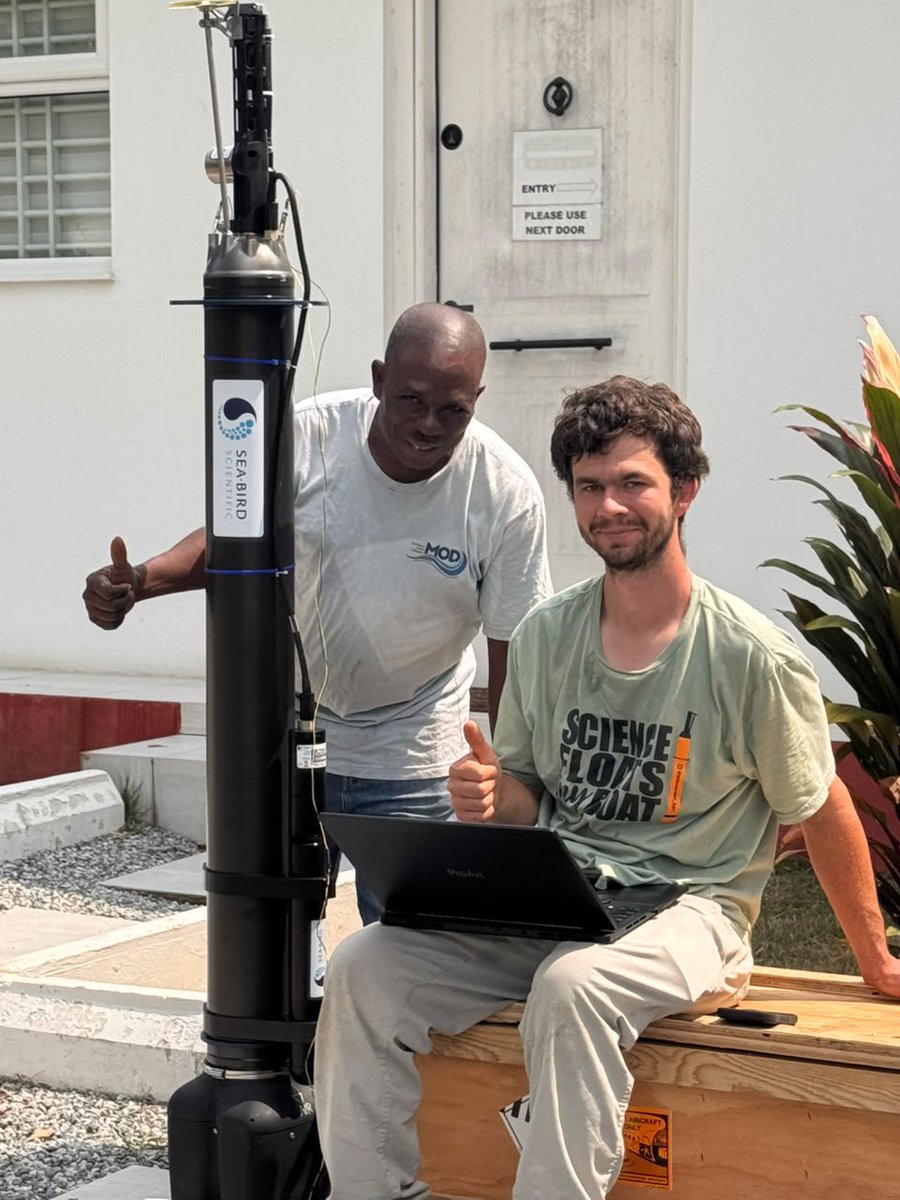
The deployment will contribute to long-term ocean observation and improve our understanding of changing conditions in the Gulf of Guinea. It also represents an important opportunity for research collaboration, practical training and stronger ocean-monitoring capacity in Ghana.
Meet our Argo float, which will soon be deployed off the coast of Ghana as part of our Summer Cruise.
This biogeochemical Argo float is equipped to collect information on temperature, salinity, depth, oxygen, pH, nitrogen-related nutrients and particles in the water.
#BGCArgo
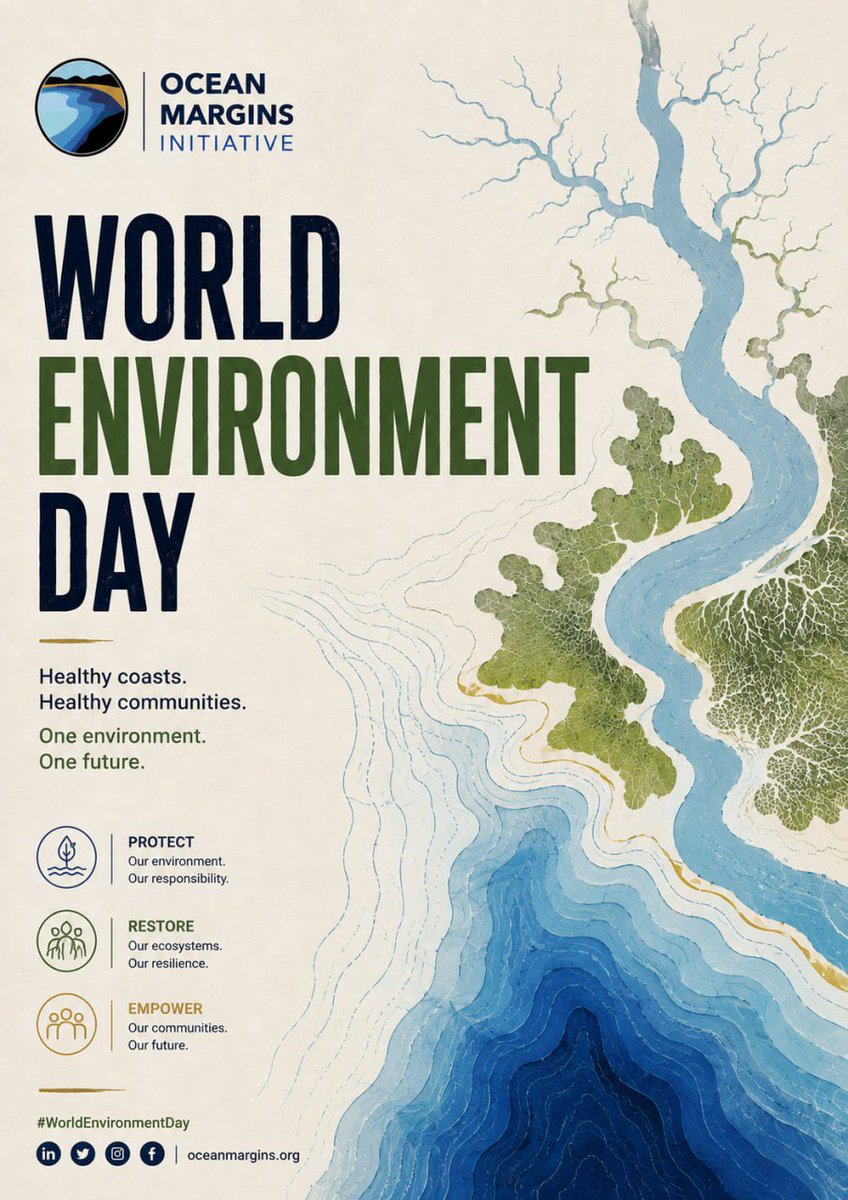
As we mark World Environment Day, we are reminded that meaningful climate action requires collective responsibility, evidence-based decision-making, and a commitment to protecting the ecosystems on which we all depend.
Inspired by Nature. For Climate. For Our Future.
This year’s World Environment Day theme, Climate Action, highlights the urgent need to protect and restore the natural systems that sustain life and support resilient communities.
#ClimateAction#WorldEnvironmentDay2026
Through science, research, and public engagement, we contribute to efforts that advance knowledge and support informed environmental stewardship.
#WorldEnvironmentDay
What we throw away on land can eventually reach the ocean. Much of the larger plastic waste we use every day, bottles, bags, packaging, and wrappers can be carried by wind, drains, and rivers into the sea, where it gradually breaks down into tiny particles known as microplastics.
They are often invisible to the naked eye, but the images show what they look like under the microscope. This is why reducing plastic use, reusing materials where possible, and recycling properly are so important. Protecting the ocean begins with the choices we make on land.