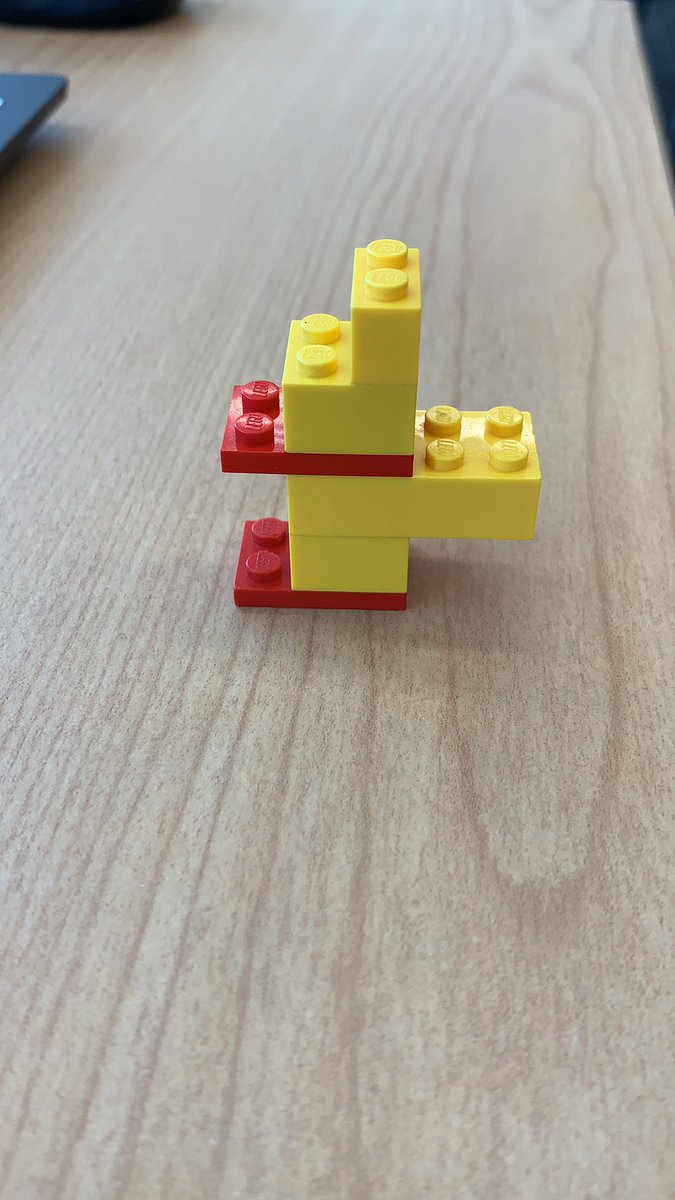
How do we teach students to think computationally? @Aratiatia1 shared a simple way to to deconstruct instructions to build a duck, thereby thinking algorithmically with simply problem solving, or “debugging.” 🦆 #professionaldevelopment#scienceedication
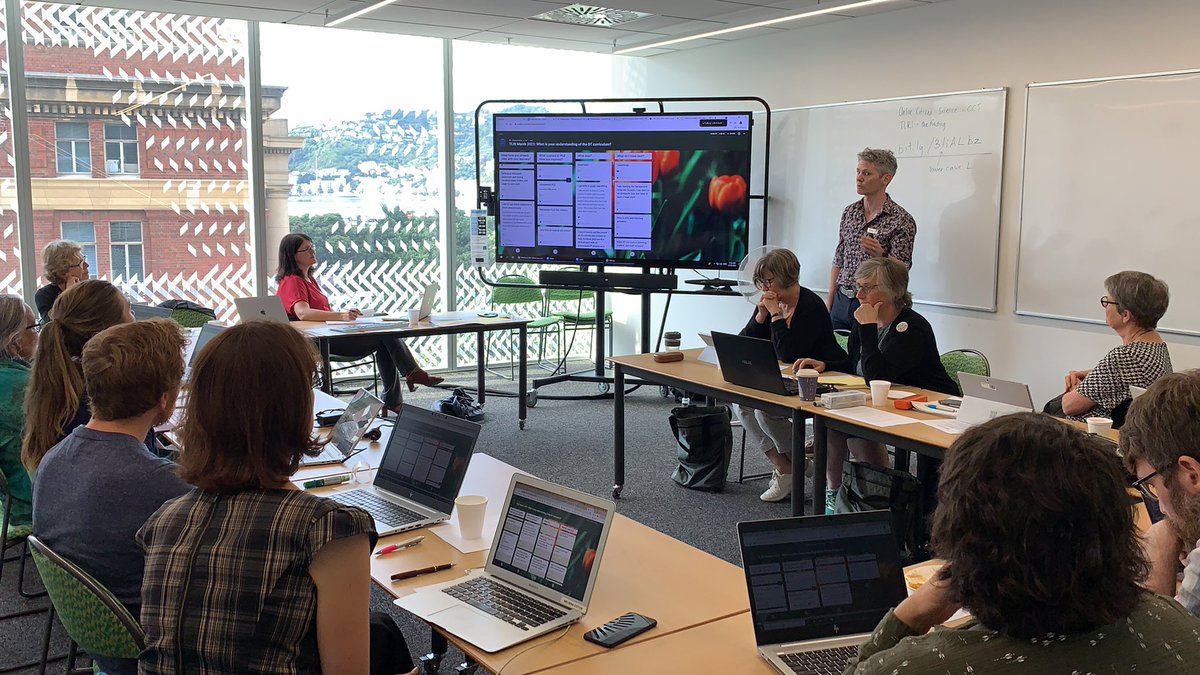
It doesn’t matter where we are, we’re too excited about studying #CitizenScience to stop now. Some of our team, planning next steps, over Zoom. #CitSci
What is #citizenscience? How can you be involved?
Start your Ss’ journey of answering real-world questions from their homes, backyards, living rooms, or even their kitchen with this mini #ResourceLibrary collection! https://t.co/qLbl8s1y8j
Jane, one of our research assistants, tells the group about her recent observation of Richie’s class and the #HumanComputerInteraction that took place between the students and their devices while using the #ocs@Planet_Four
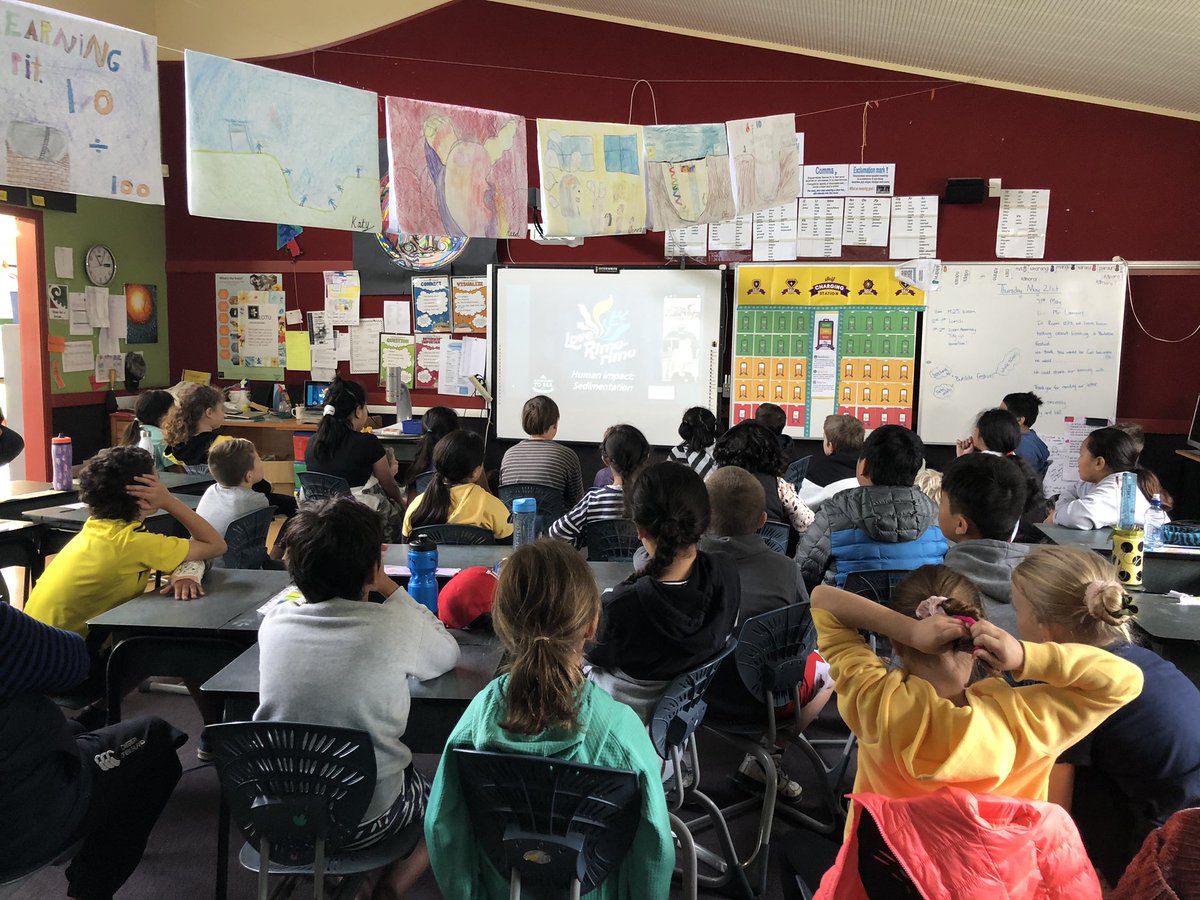
Richie tells us about his experiences teaching in and out of #lockdown and how he used #ocs to support student science learning about Mars, geysers, and digital capabilities using @Planet_Four.
A part of our team’s curiosity with #CitizenScience in primary #classrooms is how students and teachers develop #digital fluency, in using #OCS and more broadly as our world becomes ever more digital. We’re excited to have @Aratiatia1 on the team. Check out his online course 👇
Another #CitizenScience project from members of our team. Help kids Yrs5-10 scientifically understand #microbes and #disease with lessons, videos, games, activities. Can be for learning at home, or in the #classroom as self-paced flipped learning. #CitSci
https://t.co/5BKvCsLDel
A new #CitizenScience project from members of our team! Students can work together on an NZ-wide experiment, learning how #germs spread and the importance of hand washing and cleaning surfaces by spreading glitter and growing mould on bread. #CitSci 🦠
https://t.co/cBqPPvyqfq