The Bell 212 first flew in 1968 and introduced twin-engine safety to a design lineage originally powered by one engine. This significantly improved survivability during overwater and offshore. Hundreds were built, and many are still flying in civilian and military roles today.
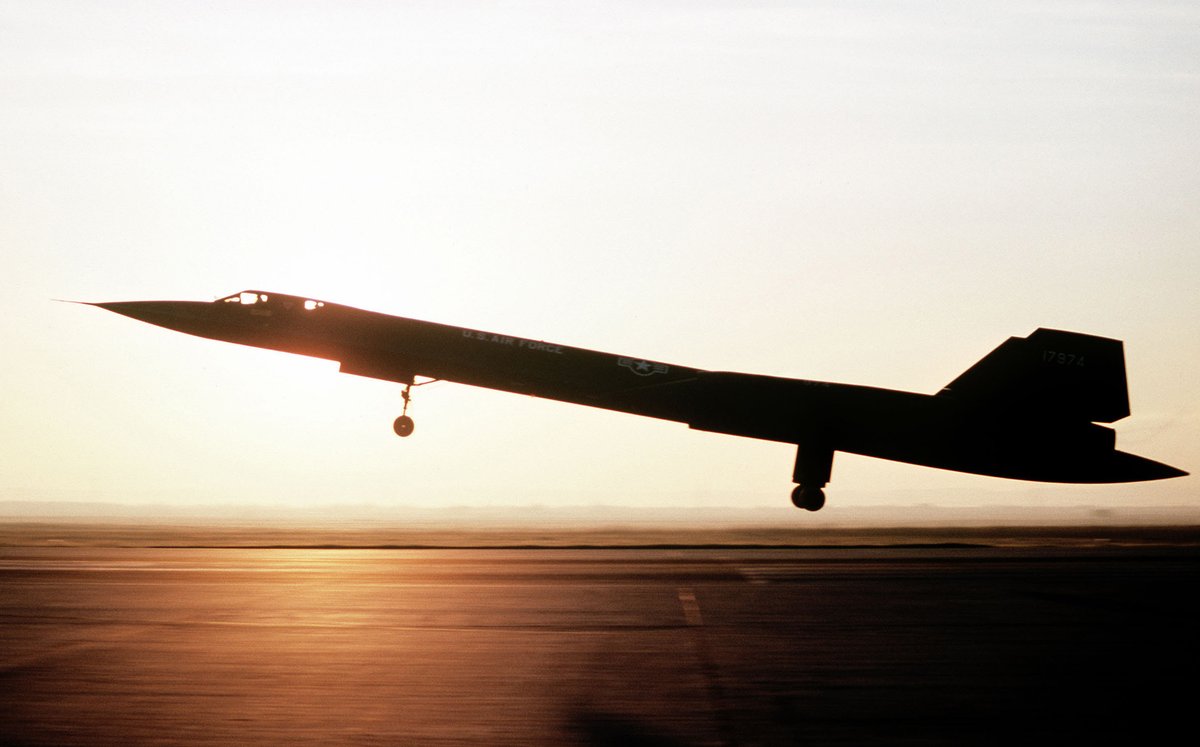
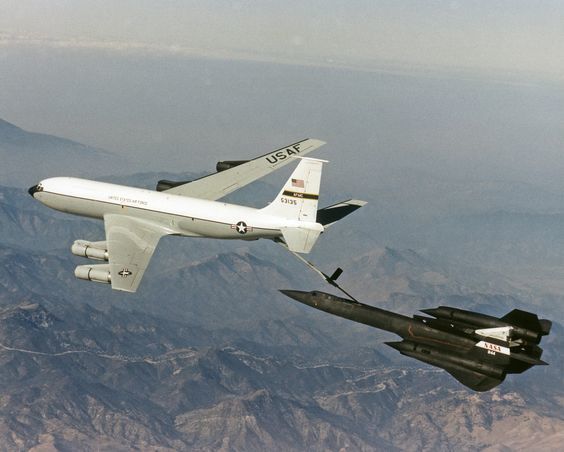
The Titanium Thief: To build the SR-71 Blackbird, the US CIA had to secretly buy titanium from the Soviet Union (their enemy) through shell companies. The Soviets literally supplied the metal for the plane designed to spy on them! 🇷🇺🇺🇸
The "Coughing" Jet: The Harrier Jump Jet uses "water injection" to increase thrust during vertical takeoffs. It literally "drinks" distilled water to cool the engine, allowing it to lift off like a helicopter. Engineering at its finest! 💧
The "Silent" Supersonic: The F-22 Raptor can fly at Mach 1.8 without using afterburners. This is called "supercruise." It allows the jet to stay supersonic for longer periods while saving fuel and staying stealthy. A true apex predator of the skies. 🦅
The Lockheed F-104 Starfighter entered service in 1958 and was built around speed and climb rate. It could exceed Mach 2 and reach 30,000 meters per minute in climb. Over 2,500 aircraft were produced, serving with more than 15 air forces, making it one of the most widely exported
Boeing ha retirado el último 787-9 de pruebas, el ZA004 que voló por primera vez el 24 de febrero del 2010 y estuvo volando hasta ahora. En principio el avión estaba reservado para Northwest Airlines, aunque finalmente fue de prueba.
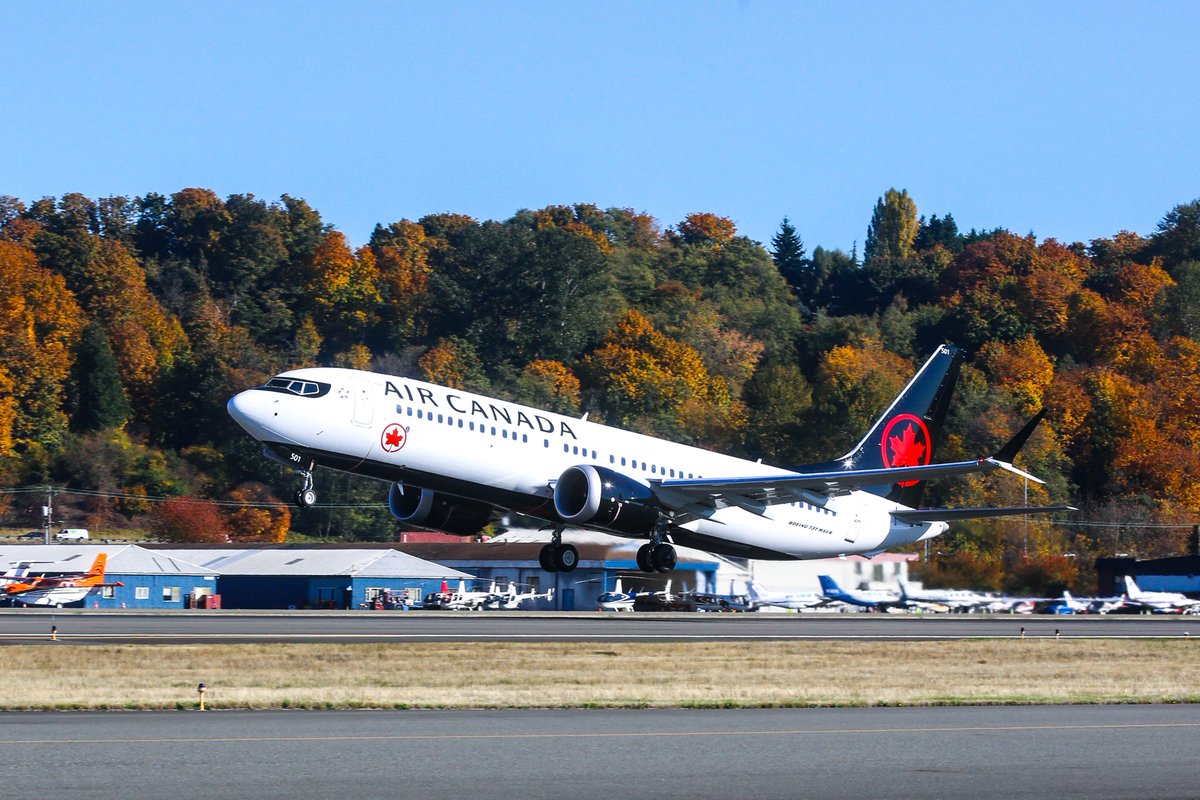
Air Canada will fly to Mexico more than ever next summer with a new route from Montreal to Guadalajara, operating three times a week, and increased frequencies to other destinations such as Puerto Vallarta and Cancun. There will be 10 daily flights between Canada and Mexico
The Bell X-1, first flown in 1946, became the first aircraft to break the sound barrier in 1947. It proved that controlled supersonic flight was possible, opening the door to every supersonic aircraft that followed.
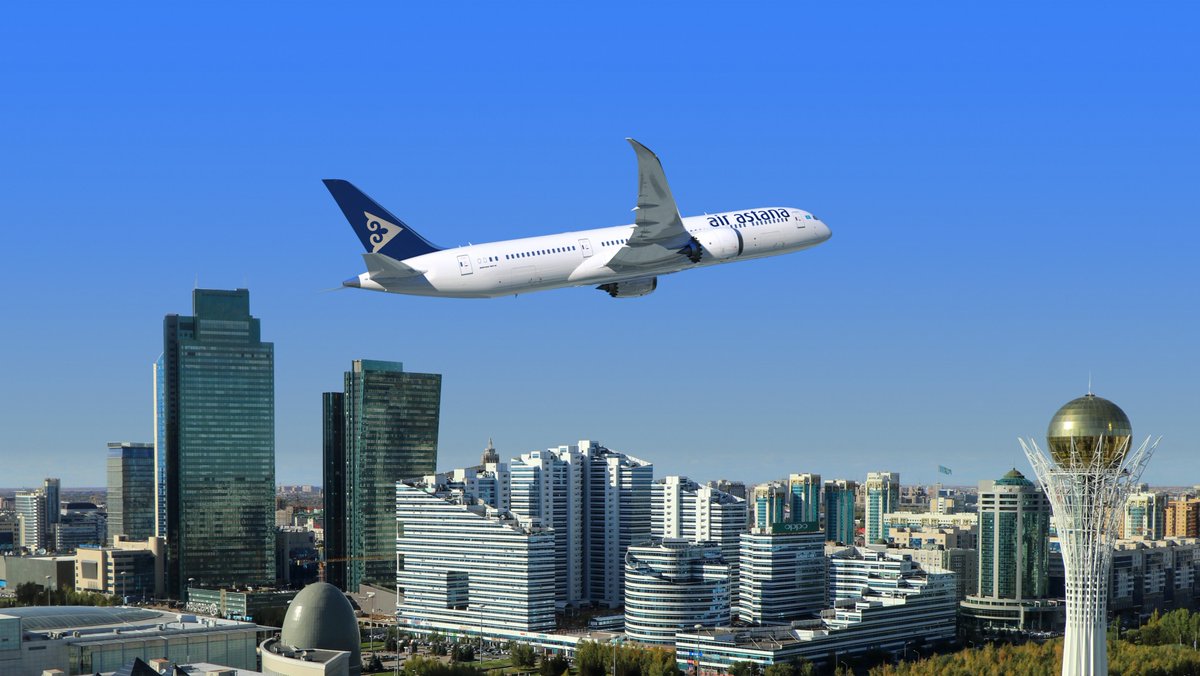
Air Astana has completed an order with Boeing for 15 787-9 Dreamliner aircraft, with an additional 3 units to be delivered through lessor agreements, bringing the Kazakh airline's total fleet to 18 aircraft. This is the largest order in the company's history.
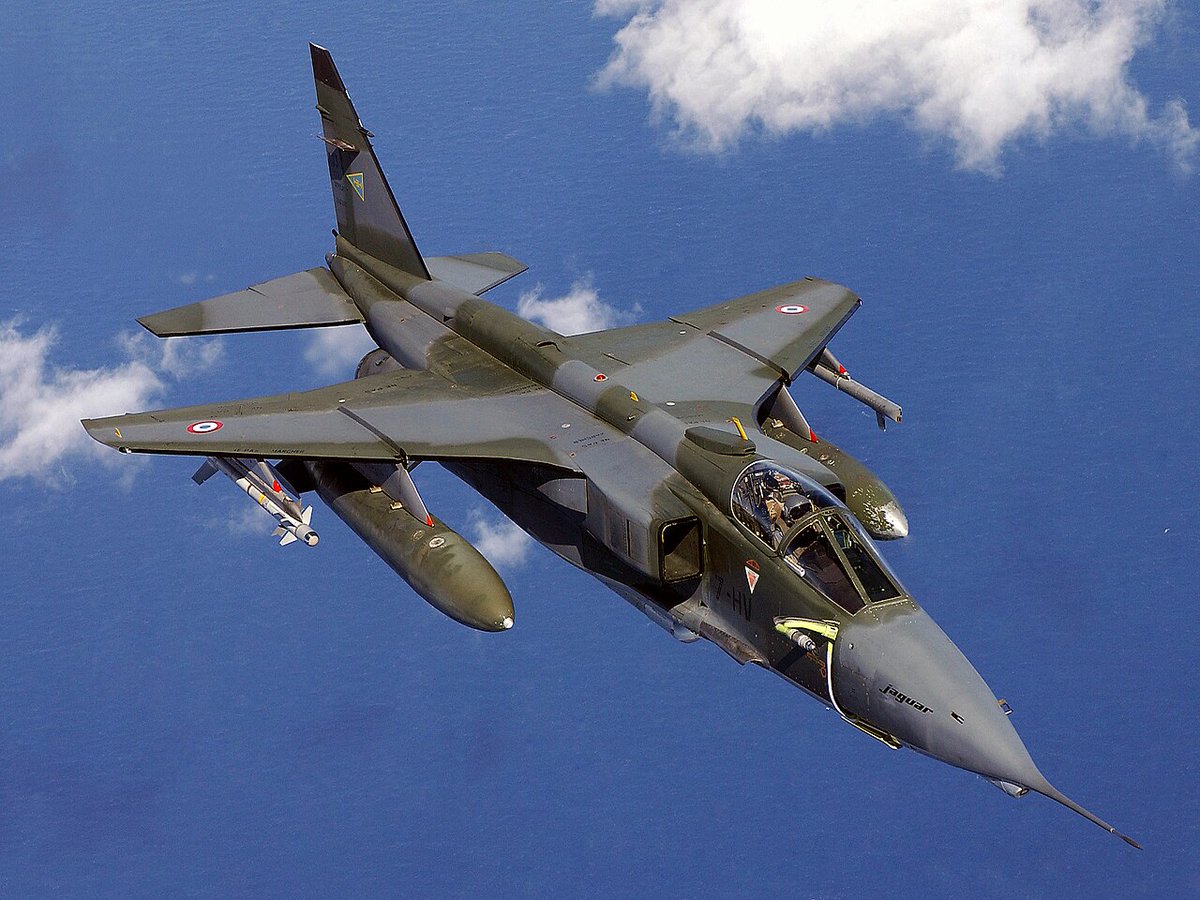
The SEPECAT Jaguar first flew in 1968 as a joint British-French project. Designed for low-level strike missions, it prioritized stability and payload over agility. Over 500 units were built, serving in Europe, Asia, and the Middle East for decades.
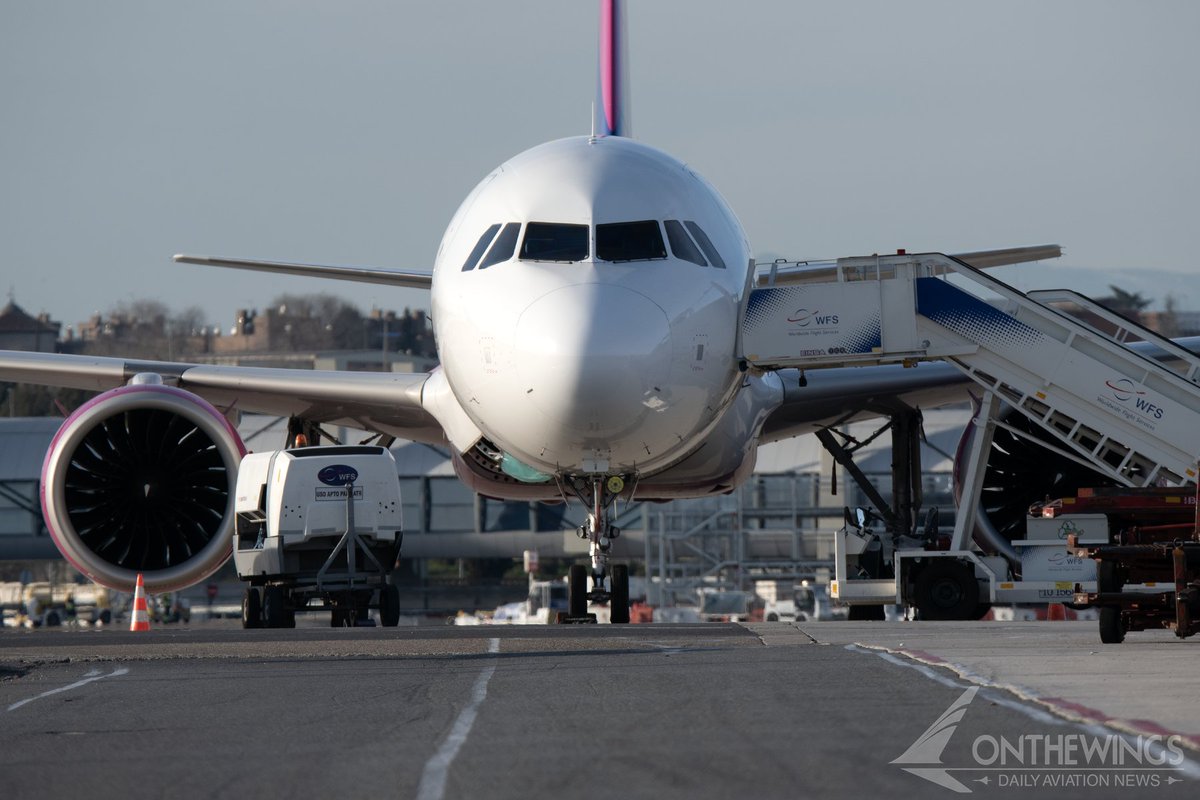
Ural Airlines plans to fly its A320s significantly beyond the maximum recommended by Airbus. The European manufacturer estimates the lifespan of an A320 at 75,000 hours, and the Russian company has announced plans to fly the aircraft to "more than 96,000 hours."
The SR-71 Blackbird first flew in 1964 and could survey tens of thousands of square kilometers in a single mission. Flying above 25,000 meters at speeds exceeding Mach 3, it outran every known missile threat. Only 32 aircraft were built, yet none were ever shot down.
Airports like London Heathrow handle tens of millions of passengers annually with only two runways, relying on extremely precise scheduling. Some four-runway airports handle less traffic simply because of airspace and operational constraints
📸Konstantin Von Wedelstaedt
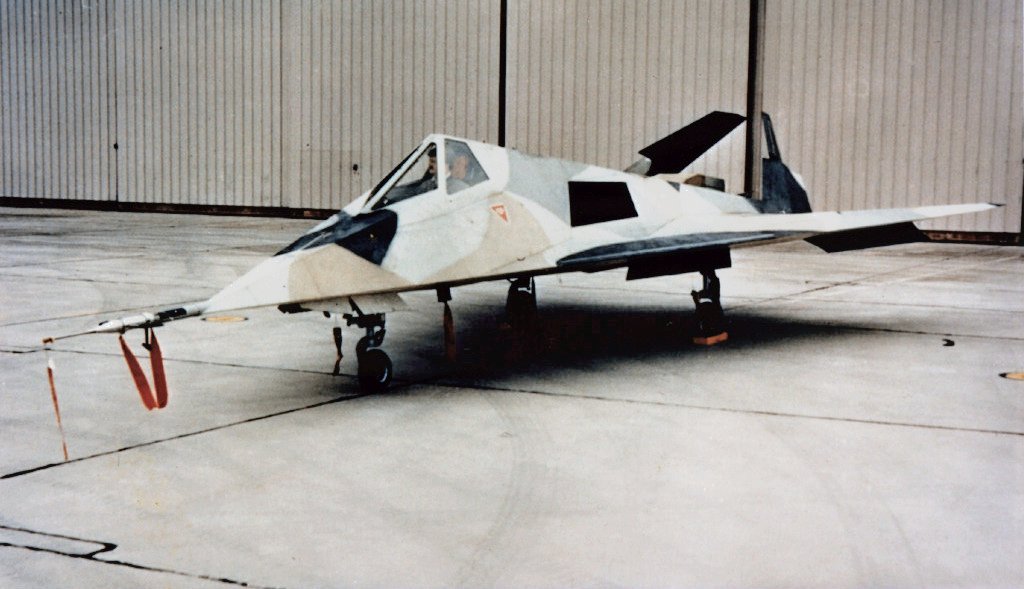
The Lockheed Have Blue, first flown in 1977, looked unstable and angular because it was designed entirely around radar invisibility. Only two prototypes existed, but they directly led to the F-117 Nighthawk, the world’s first operational stealth aircraft.
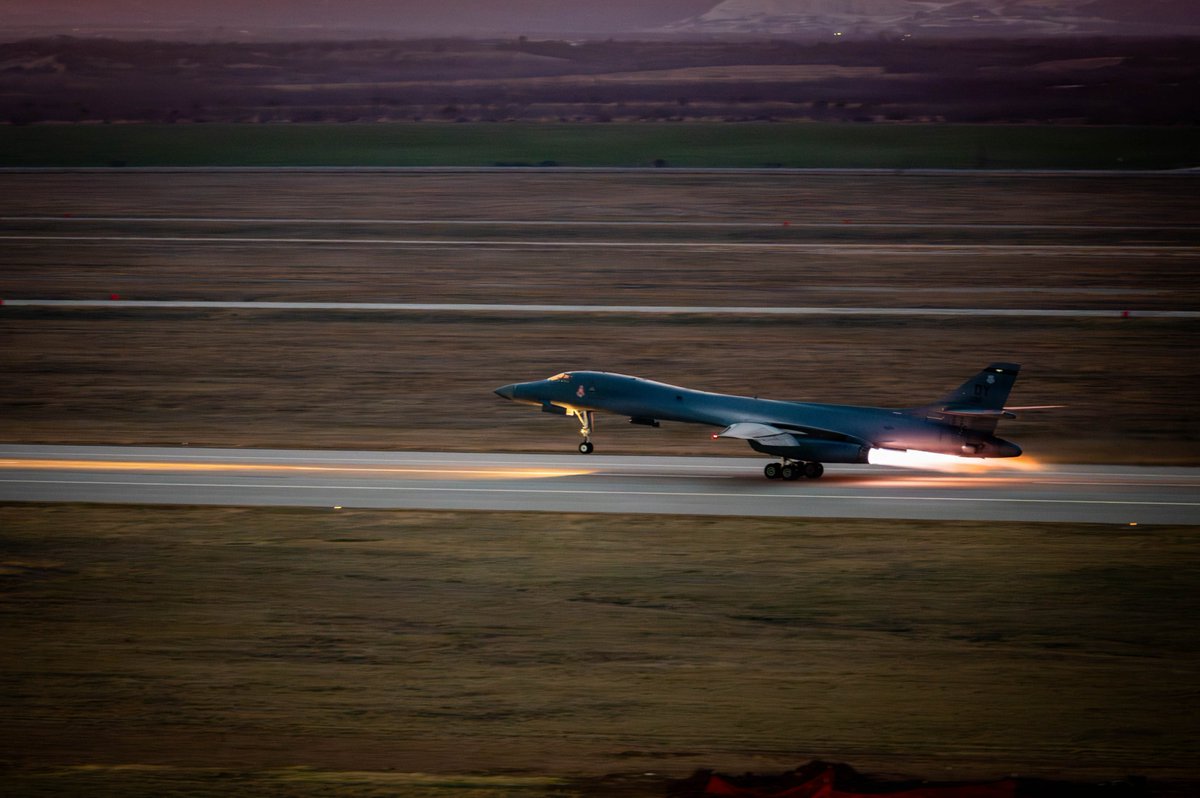
The B-1B Lancer entered service in 1986, designed to fly at low altitude at high speed to evade radar. With variable-sweep wings and a payload exceeding 34 tonnes, it blurred the line between bomber and penetration aircraft. A total of 100 units were built for the US Air Force.
Since the 1970s, perceived aircraft noise has been reduced by over 75%, thanks to high-bypass turbofan engines and improved nacelle design. Many modern aircraft are quieter during takeoff than older jets were during taxi.
Early jet airliners in the 1950s typically cruised below 30,000 feet. Today, most long-haul aircraft operate between 35,000 and 41,000 feet, where thinner air reduces drag and fuel burn. This shift alone improved efficiency dramatically over decades.
The NASA X-43, first flown in 2004, used a scramjet engine to reach Mach 9.6, making it the fastest air-breathing aircraft ever tested. It wasn’t designed to land — its sole purpose was to prove hypersonic propulsion worked.
Commercial aircraft doors are designed to open inward, meaning cabin pressure physically keeps them sealed during flight. At cruising altitude, the force holding a door closed can exceed 10 t, making it impossible to open without depressurization — no matter how strong someone is
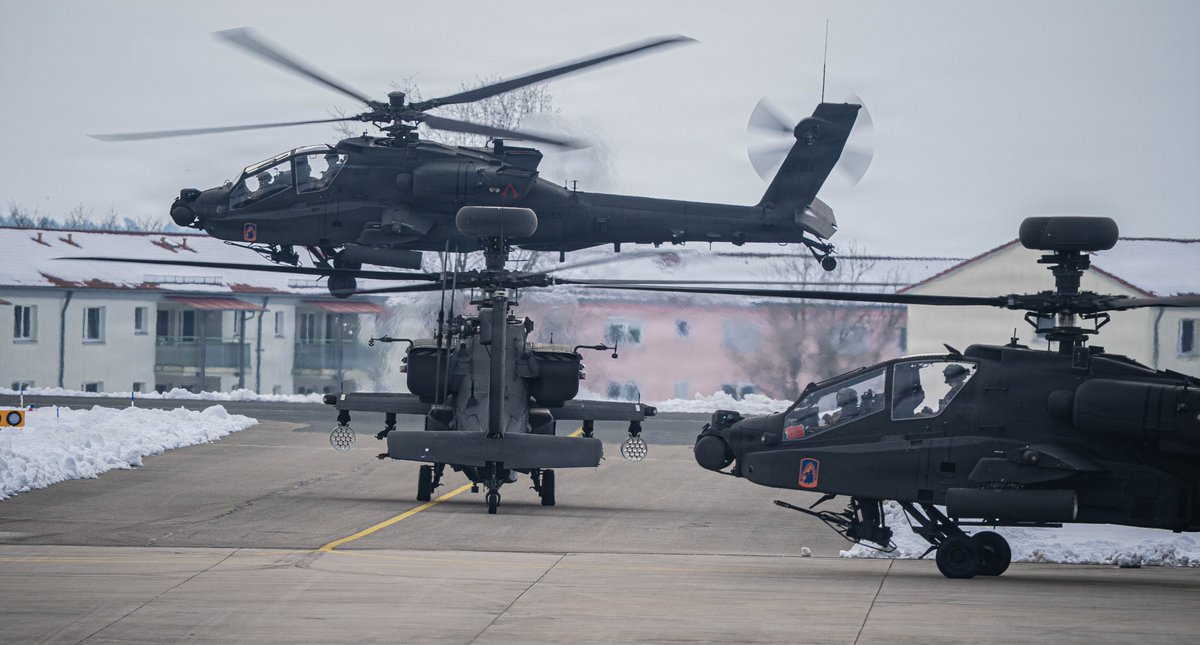
The AH-64 Apache first flew in 1975, entered service in 1986. Designed specifically to survive heavy fire, it features armored crew compartments and redundant flight systems. More than 2400 units have been built and it remains one of the most combat-proven helicopters in history